


Hand Painted Faience Dish
A hand painted faience dish brings earthy tin-glazed earthenware and lively cobalt pigment into a room, offering centuries of European craft.
Hand Painted Faience Dish
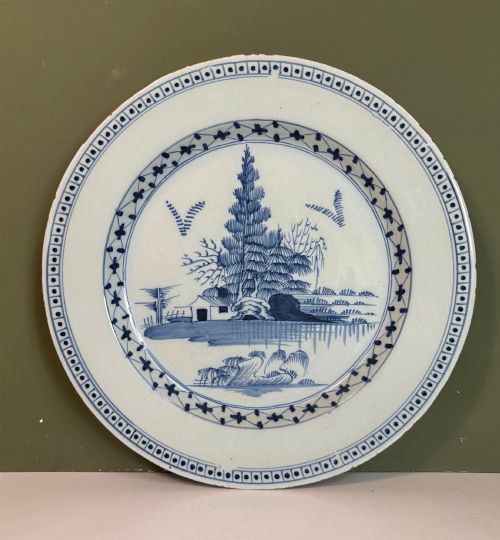
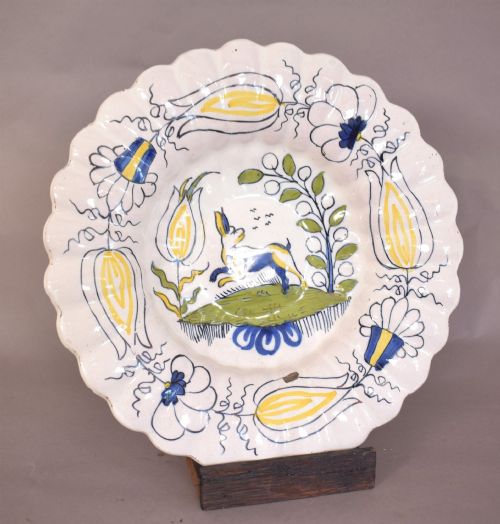
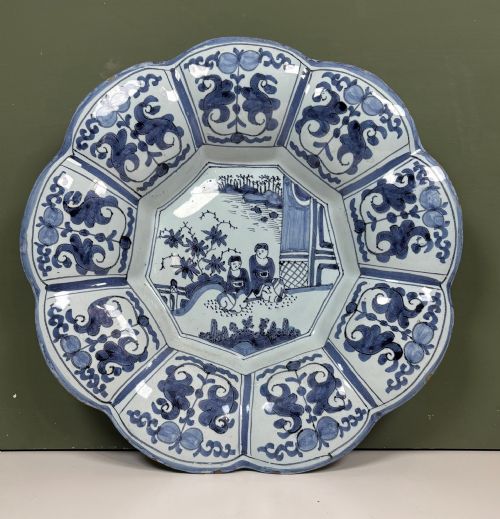
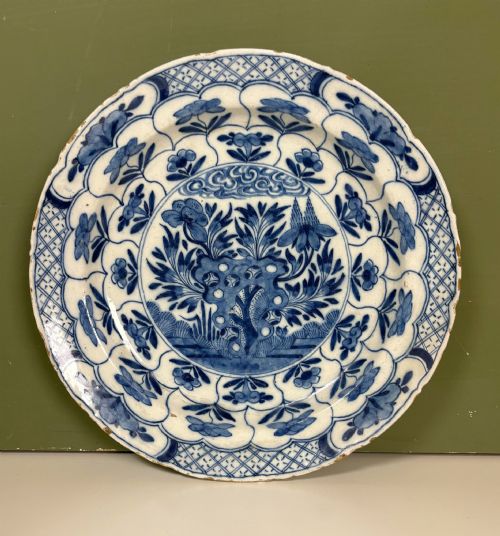
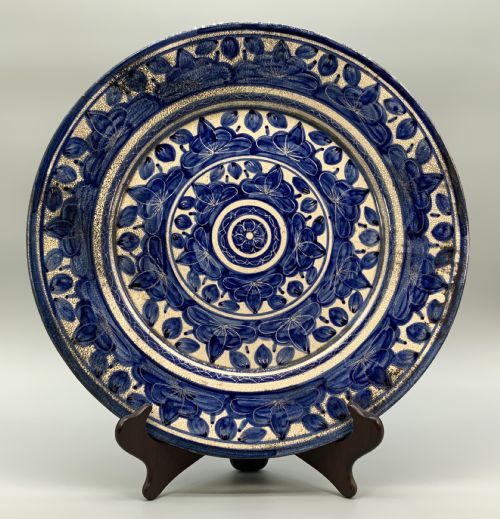
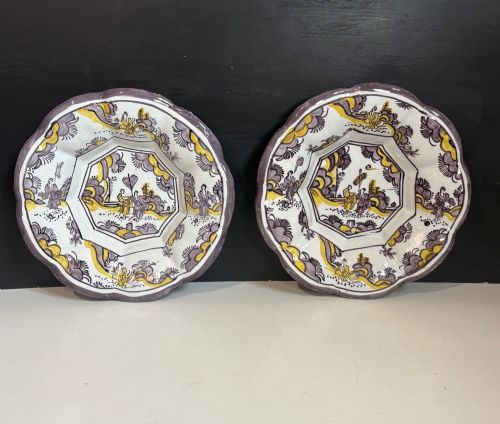
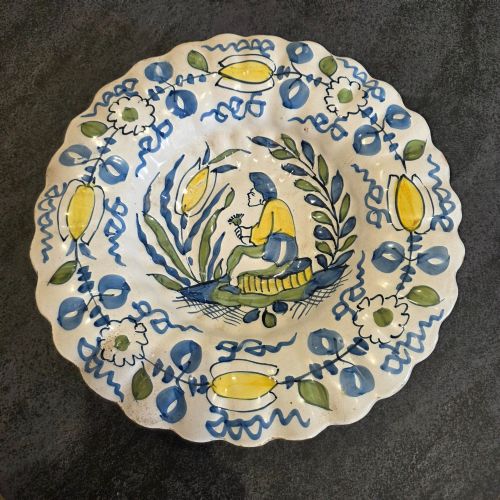
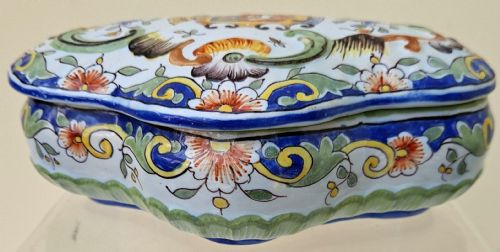
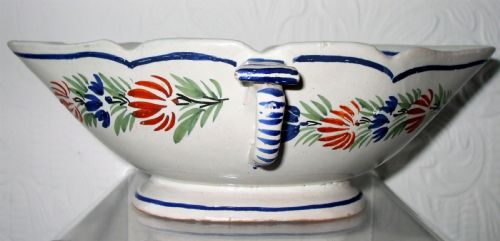
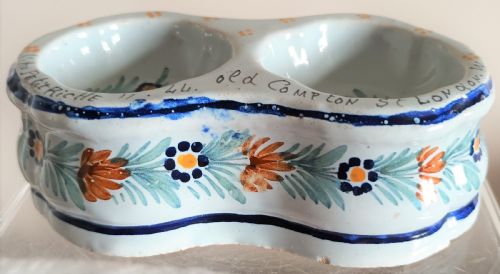
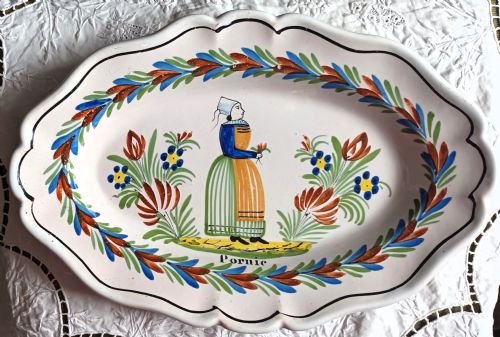
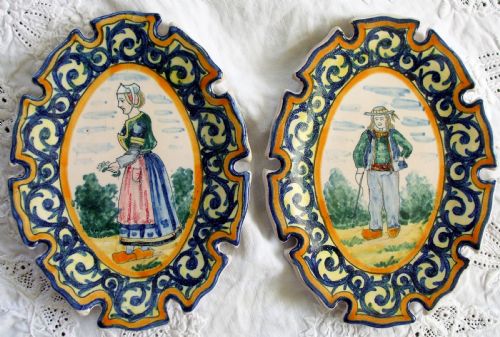
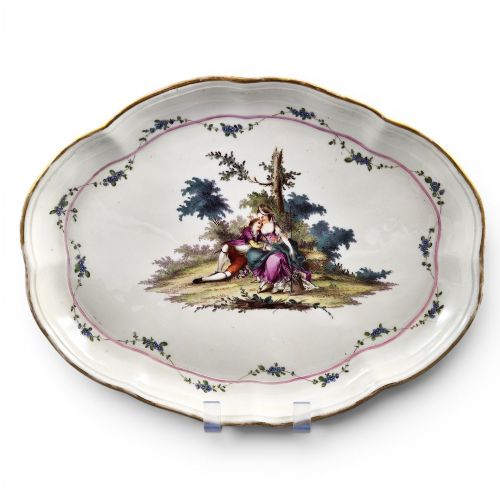
When you search for a hand painted faience dish, you encounter tin-glazed earthenware formed into decorative plates, charger plates, trinket dishes, and sauceboats. These pieces span from the seventeenth century through to the twentieth century, originating from Dutch, French, and English potteries.
The most common examples on this page are eighteenth-century Dutch delft chargers and nineteenth-century French faience dishes. Collectors also find specialised forms like sweetmeat presentiers, table salts, and lidded boxes.
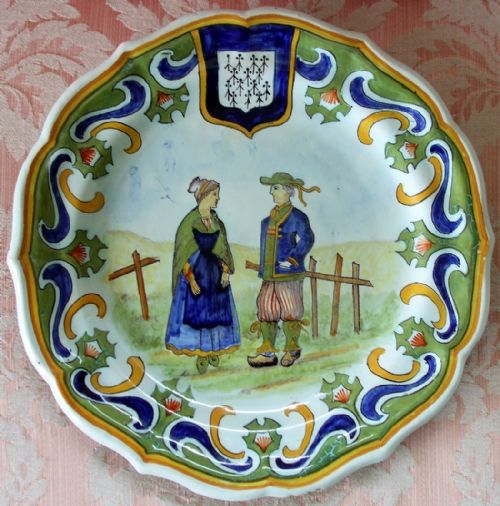
The styles range from stark blue and white geometric floral patterns to rich polychrome French provincial designs. Each object carries the distinct mark of hand-brushed pigments upon an opaque white glaze.
Materials and Techniques
Potters shaped local earthenware clay on a wheel or pressed it into moulds to create chargers, bowls, and salt cellars. Once fired into a biscuit body, the piece received an opaque tin glaze that provided a smooth white canvas for decoration.
Artists applied metallic oxides directly onto the raw, absorbent glaze, primarily using cobalt pigment for blue designs alongside polychrome mineral colours. A final high-temperature kiln firing fused the painted motifs permanently into the liquid tin surface.
Listings feature earthenware pieces spanning the seventeenth, eighteenth, nineteenth, and twentieth centuries, using cobalt pigment and tin glaze across French and Dutch styles.
Evaluating Quality
Quality rests upon the crispness of the hand-painted brushwork and the stability of the tin glaze over the earthenware body. Superior examples display confident, fluid brushstrokes that define floral, geometric, or figural scenes without muddying.
The thickness and evenness of the white glaze layer also separate standard utilitarian wares from ambitious decorative chargers. Well-potted pieces exhibit balanced proportions and minimal warping from the intense kiln firings.
Quimper·Desvres·Gien·Lille·Rouen
The Hand Painted Faience Dish Glossary
- Faience
- Tin-glazed earthenware originating from European potteries, particularly French and Dutch workshops. The term encompasses a broad range of decorated plates, chargers, and vessels.
- Tin Glaze
- An opaque white ceramic glaze containing tin oxide, applied to earthenware before painting. It creates a smooth surface that mimics porcelain.
- Charger
- A large decorative plate intended for display on walls or tables rather than everyday dining. These wide surfaces often showcase elaborate painted scenes.
- Polychrome
- Decoration utilising multiple colours rather than a single pigment like blue. Painters used mineral oxides to introduce yellows, greens, and reds.
- Sweetmeat Presentier
- A raised serving dish designed for sweet confections and delicacies during formal dining. These elevated vessels often feature moulded compartments.
Hand Painted Faience Dish: Frequently Asked Questions
How can I tell Dutch delft from French faience?
Dutch delft typically leans towards cobalt blue and white maritime or floral motifs inspired by imported Asian porcelain. French faience frequently employs vibrant polychrome palettes and regional provincial designs.
Examining the foot rings, glaze texture, and any workshop marks helps confirm the specific country of origin.
Were these dishes meant for daily use?
Many charger plates and large decorative dishes served primarily as visual displays on sideboards and walls. Smaller plates and tableware saw actual dining service during formal meals.
Today, collectors generally preserve these fragile earthenware items as decorative objects rather than utilitarian tableware.
What causes crazing on tin glaze?
Crazing appears as a fine network of tiny cracks across the glossy surface caused by tension between the ceramic body and the outer glaze. This occurs naturally over centuries as the materials age and experience minor temperature fluctuations.
It remains a normal characteristic of antique tin-glazed earthenware rather than a structural fault.