


Vintage Quimper Ceramic
Vintage quimper ceramic pieces bring hand-painted Breton charm into your home through traditional earthenware vessels and figures.
Vintage Quimper Ceramic
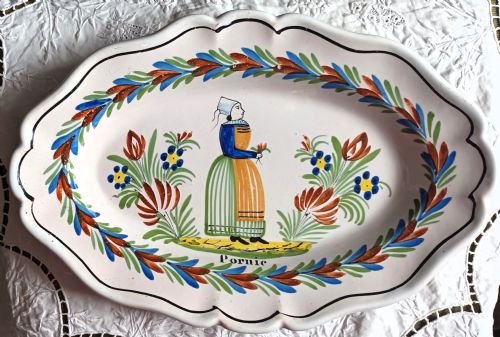
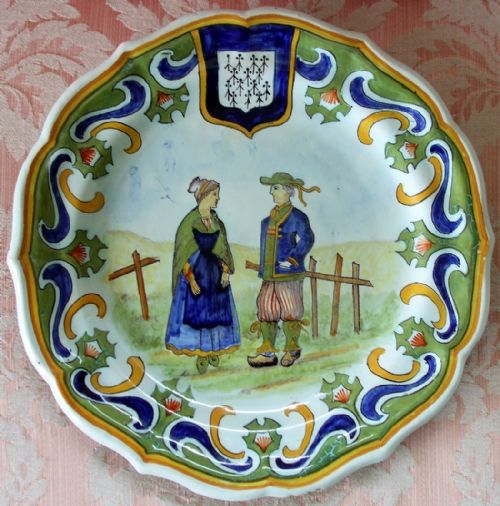
When you search for vintage quimper ceramic, you are looking at tin-glazed earthenware and stoneware originating from France, spanning the nineteenth century up through the nineteen-thirties. The pieces on this page include functional items and decorative forms made in French provincial and French faience styles.
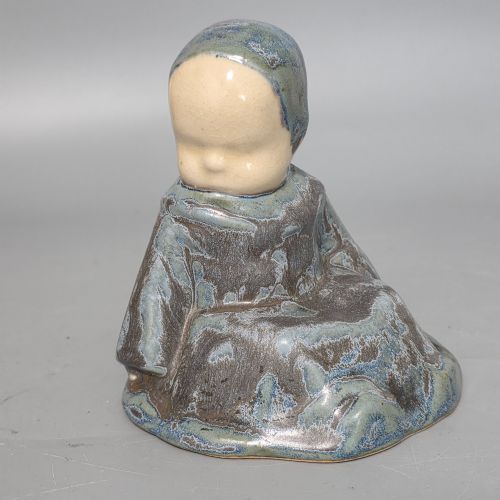
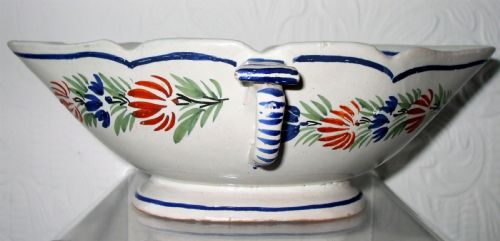
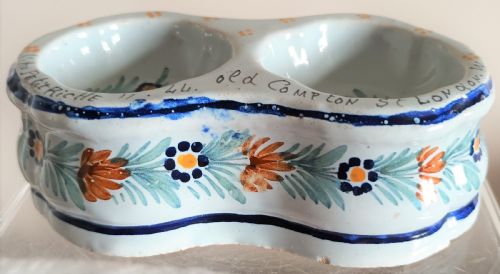
You are most likely to meet double sauceboats, double table salts, and decorative dishes bearing the HB or HR marks, alongside figurines and wall pockets. These items showcase traditional regional motifs painted in rich palettes across various utilitarian and ornamental objects.
How they were made
Potters shaped these objects from earthenware and stoneware clays before applying tin glaze to create a smooth, opaque white or cream surface for painting. Artisans then hand-painted the designs directly onto the unfired glaze.
The pieces underwent high-temperature kiln firing to fuse the pigments into the glaze, producing the durable finish characteristic of traditional French faience production.
Listings feature tin-glazed earthenware, stoneware, and faience spanning the nineteenth century through the nineteen-thirties.
What varies in quality
Quality in these ceramics rests upon the clarity and detail of the hand-painted brushwork, distinguishing swiftly executed commercial decoration from carefully rendered regional costume figures and motifs. The crispness of the moulded form and the evenness of the tin glaze further separate standard production items from finer studio pieces.
The presence of clear maker ciphers, such as HB or HR, alongside the complexity of forms like double sauceboats and figural works, marks the distinction between ordinary utility wares and more collectible examples.
Berthe Savigny·HB Quimper·HR Quimper
The Vintage Quimper Ceramic Glossary
- Faience
- Tin-glazed earthenware produced in France and other European countries, noted for its absorbent clay body and painted decoration. This technique provides the characteristic opaque white ground for regional patterns.
- Tin Glaze
- A ceramic glaze made opaque by the addition of tin oxide, allowing artists to paint colourful designs directly onto the surface before firing. It defines the glossy finish seen on traditional European pottery.
- Stoneware
- A heavy, dense ceramic fired at high temperatures until semi-vitrified and rendered waterproof without additional glazing. It offers greater durability than standard earthenware.
- Sauceboat
- A vessel designed for serving gravies or sauces, often featuring dual spouts or compartments in regional French tablewares. These items served functional roles in domestic dining.
- Sabot
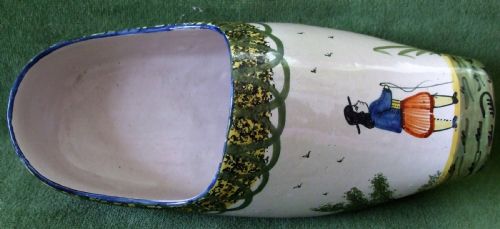
- A traditional wooden shoe form rendered in ceramic as a decorative or novelty object. These novelty pieces reflect regional folklore and craft traditions.
Vintage Quimper Ceramic: Frequently Asked Questions
What is vintage quimper ceramic?
Vintage quimper ceramic comprises tin-glazed earthenware and stoneware originating from the Brittany region of France. These items encompass functional tableware and decorative objects decorated with traditional hand-painted motifs.
The selection includes nineteenth-century pieces alongside early twentieth-century works featuring distinctive regional designs and maker marks.
How do I identify HB and HR marks?
Maker marks such as HB and HR appear painted on the underside of the ceramic body alongside regional designations. These ciphers indicate the specific pottery workshop responsible for production.
Studying these painted signatures helps establish the period and workshop origin of individual pieces in your collection.
Were these pieces used daily?
Many items, including double sauceboats, table salts, and dishes, served practical functions in nineteenth-century and early twentieth-century dining rooms. Their robust earthenware construction suited regular household service.
Other forms, such as figural sculptures and wall pockets, were strictly decorative additions to domestic interiors.
How should I display them?
Display these ceramics on open shelving, sideboards, or plate racks where their painted Breton designs remain visible. Pairing complementary forms like pin trays and dishes creates a cohesive display.
Ensure placement avoids areas prone to accidental impacts to protect the tin-glazed surfaces.