


Meiji Period Satsuma
Meiji period satsuma ware brings together intricate hand-painted pottery and rich gold gilding from late nineteenth and early twentieth century Japan.
Meiji Period Satsuma
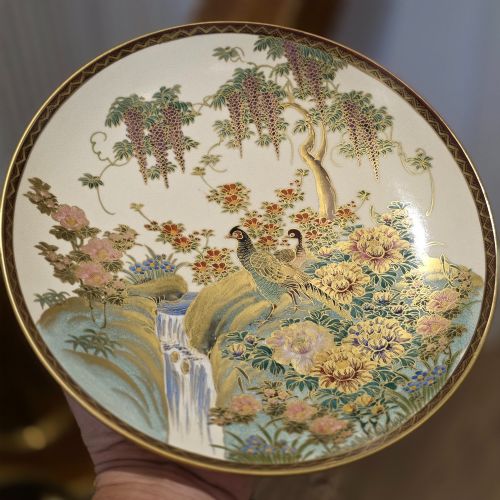
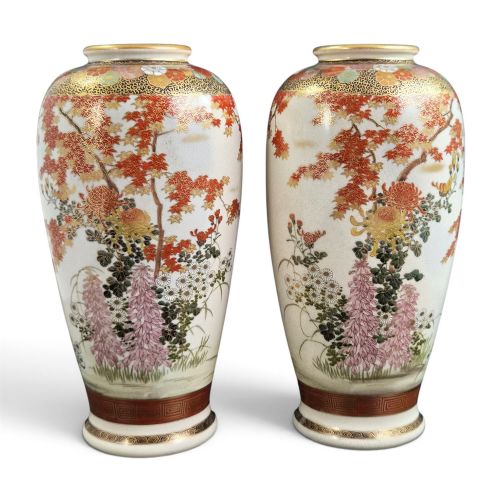
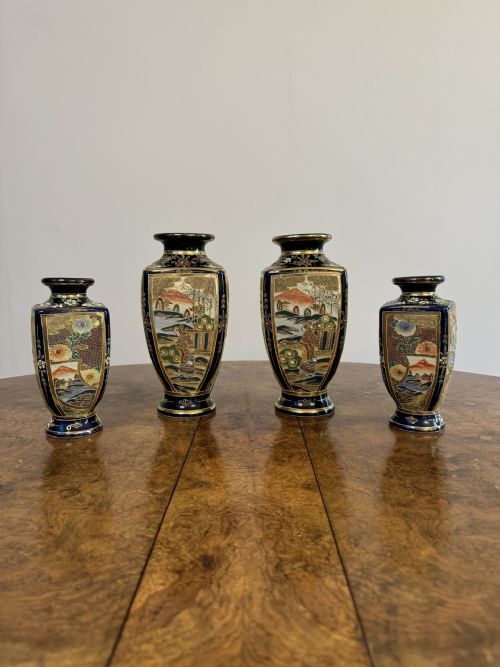
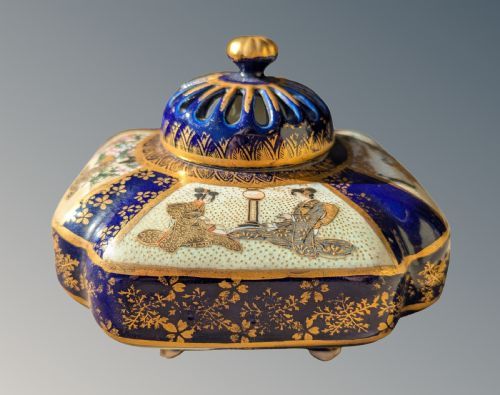
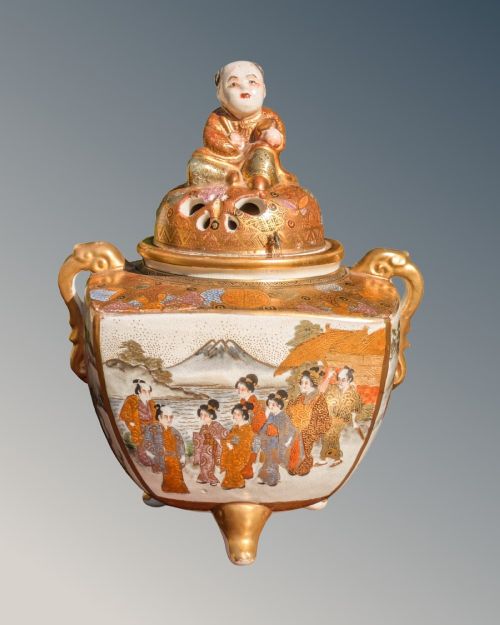
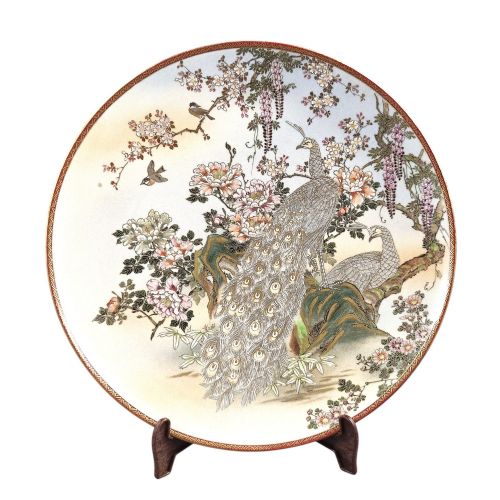
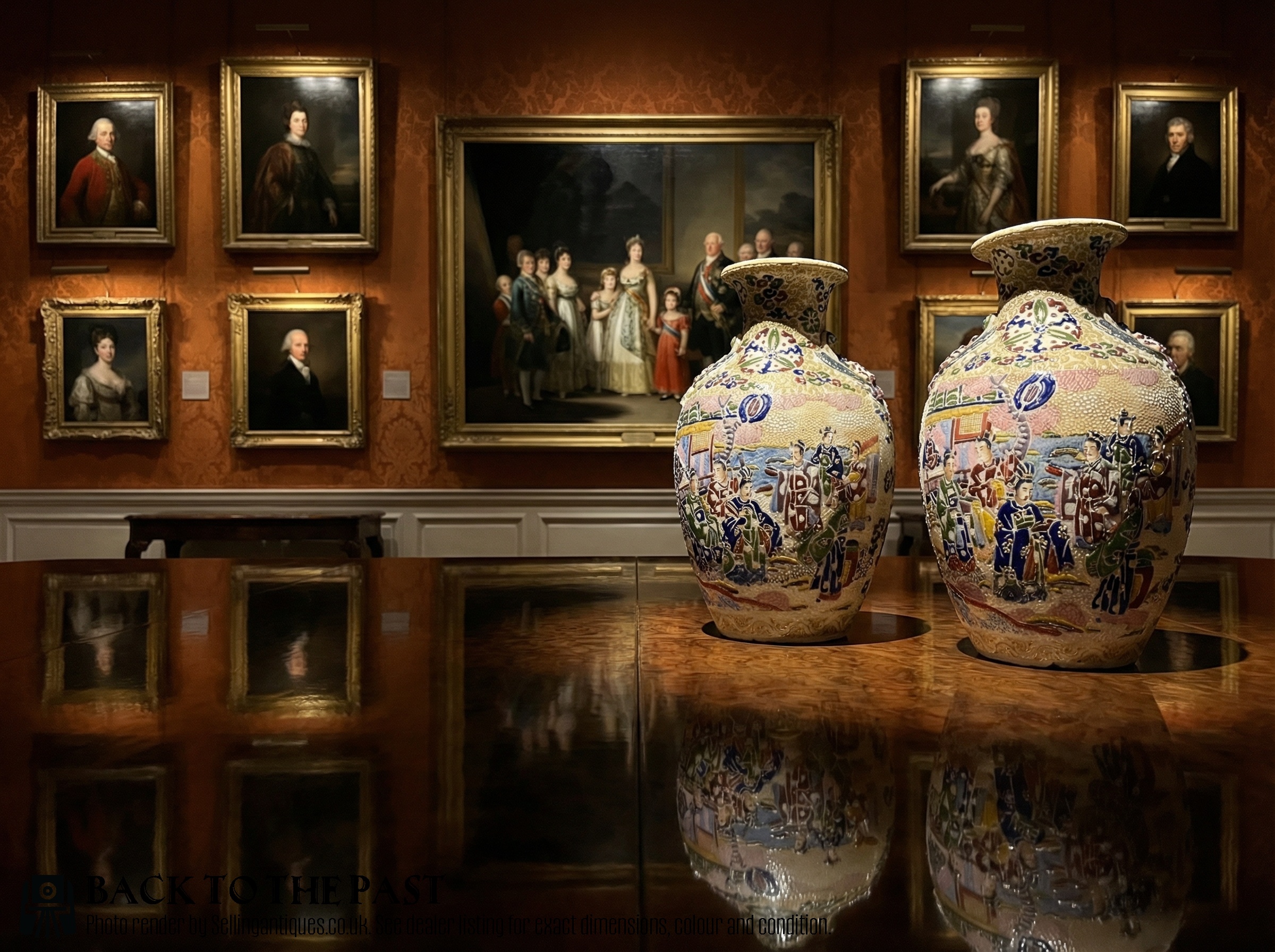
Meiji period satsuma encompasses a variety of ceramic forms, from large decorative vases and chargers to smaller koro incense burners, teapots, and okimono figures. These pieces originate primarily from traditional production centres such as Kyoto and Kobe during the late nineteenth and early twentieth centuries.
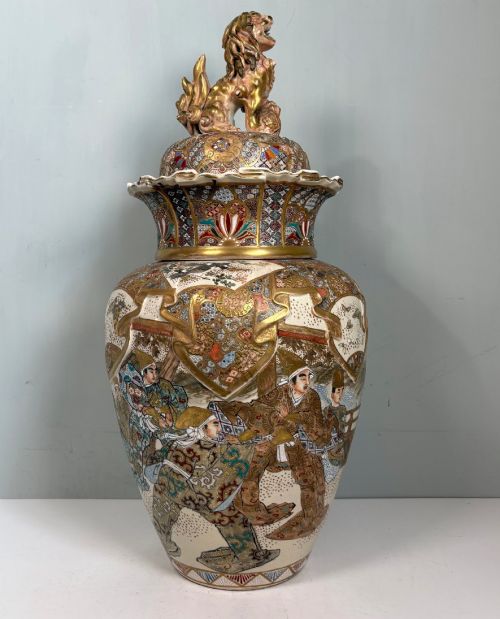
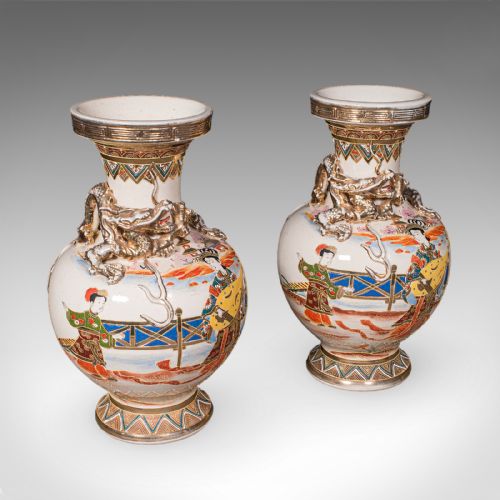
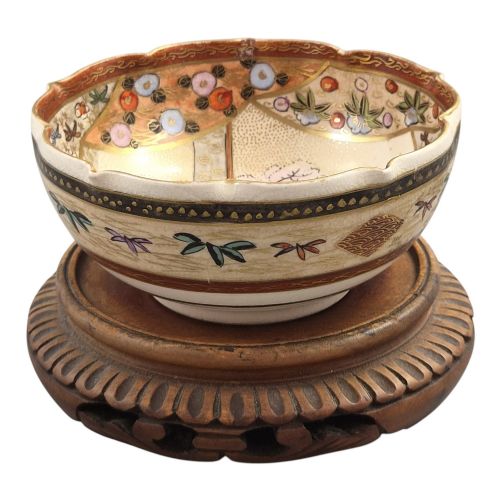
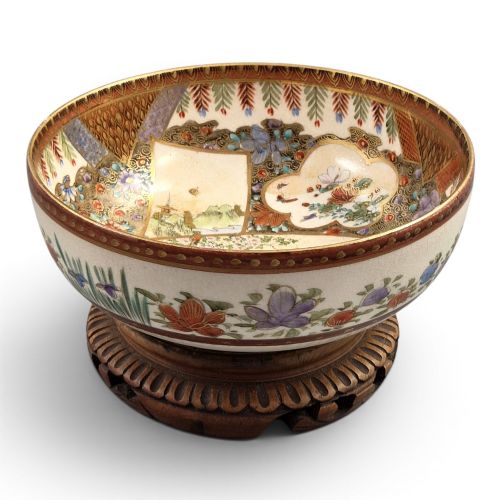
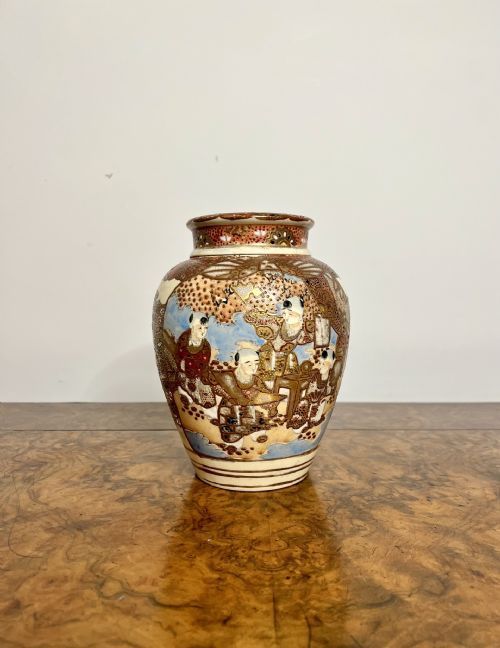
Buyers will encounter both baluster vases painted with court scenes or arhats and delicate bowls featuring floral motifs or thousand butterflies patterns. Many examples date from the nineteenth century through to the Edwardian period, often bearing artist signatures from renowned workshops.
How They Were Made
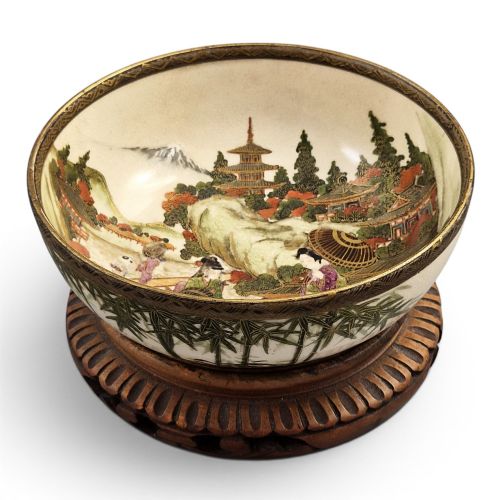
These items are constructed from earthenware bodies covered in a distinctive creamy, finely crackled glaze that provides a canvas for detailed pictorial decoration. Artisans then applied colourful enamel paints combined with gold leaf and gold gilt to render elaborate figural processions, flora, and fauna.
Raised paste work, known as moriage, frequently appears on surfaces to create tactile, dimensional effects around borders and central motifs. Certain works also incorporate carved wood stands or fitted metal covers alongside the ceramic body.
Meiji Period Satsuma Retail Price Guide 2026
Typical asking prices for meiji period satsuma among the pieces listed under this phrase on Sellingantiques today, from the lower quarter to the upper quarter. They describe what is for sale here now, not the wider market.
Listings feature earthenware vessels, porcelain plates, and okimono figures spanning the nineteenth century, Victorian, and Edwardian periods.
What Varies in Quality
The standard of painting determines much of the distinction between ordinary pieces and exceptional masterworks, particularly in the precision of facial expressions and the density of figures like arhats or court attendants. Finer works display controlled, meticulous brushwork and subtle shading rather than rushed or heavy-handed application.
The complexity and execution of the gilding and moriage relief work also set apart premier examples, with superior items maintaining crisp detail and balanced composition across complex surfaces.
Kinkozan Workshop·Koshida·Shozan·Kizan·Kozan·Hotoda·Kinzan·Toshozan·Ryuzan·Chosei
The Meiji Period Satsuma Glossary
- Moriage
- A decorative technique using piped clay or enamel to build up raised surface patterns and textures. This method adds tangible depth to robes, floral details, and borders.
- Koro
- A traditional incense burner featuring a perforated cover or lid. These vessels often stand on three or more feet and accommodate burning aromatics.
- Okimono
- A standalone Japanese display figure carved or modelled for interior decoration. Subjects range from deities and figures to animals.
- Natsume
- A small tea caddy traditionally utilised in Japanese chanoyu gatherings. The form resembles the shape of a small flat-topped fruit.
- Bijin
- A depiction of a beautiful woman, commonly featured in traditional Japanese art wearing elaborate kimono. These figures appear frequently in court and garden scenes on ceramic surfaces.
Meiji Period Satsuma: Frequently Asked Questions
What is satsuma pottery?
Satsuma pottery is a type of Japanese earthenware characterised by a distinctive ivory-coloured, crackle-glazed surface decorated with polychrome enamels and gold.
Originally produced in Satsuma Province, the style expanded significantly during the Meiji period with major production centres established in Kyoto and other regions.
How can I identify a Meiji period piece?
Meiji period pieces typically date between 1868 and 1912, often featuring signature marks from notable artists or workshops on the base.
The decoration frequently combines traditional Japanese themes like arhats, court figures, and thousand butterflies with meticulous hand-painted detail and gilding.
Were these items made for export?
A large proportion of satsuma ware produced during the late nineteenth century was created specifically for international export markets.
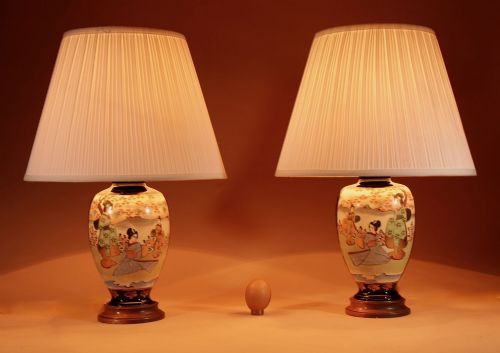
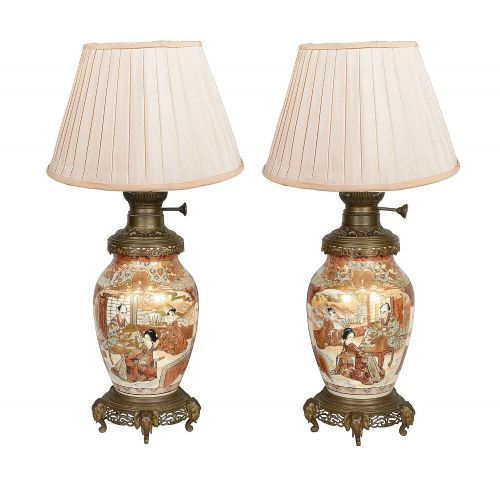
Western demand for ornate Japanese art led workshops to adapt traditional forms into decorative vases, lamps, and garnitures suited to European and American interiors.
How should I clean my satsuma vase?
Maintenance requires only gentle dusting with a soft, dry cloth to protect the delicate enamel paints and gold leaf highlights.
Moisture and harsh cleaning agents should be avoided entirely to preserve the fragile crackle glaze and surface decorations.