





Japanese Satsuma Ware
Japanese Satsuma ware pieces are richly decorated earthenware vessels that bring intricate hand-painted detail and gold leaf to interiors.
What Japanese Satsuma Ware Is
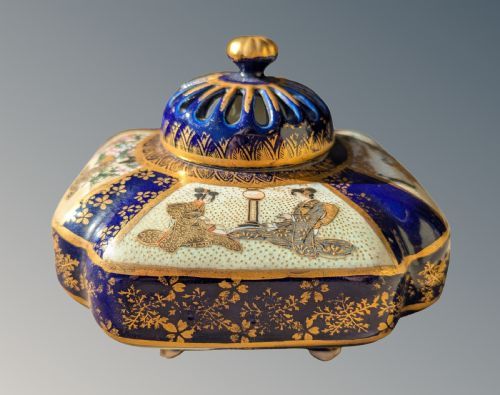
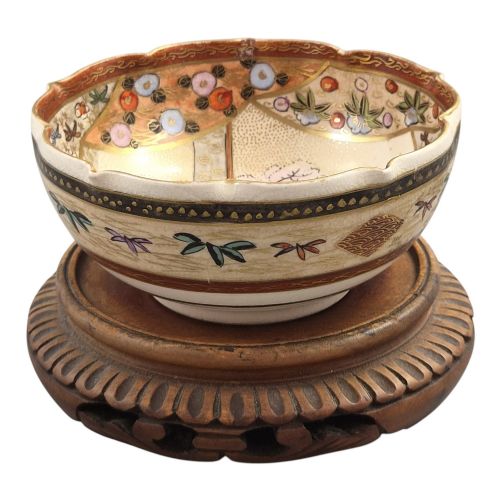
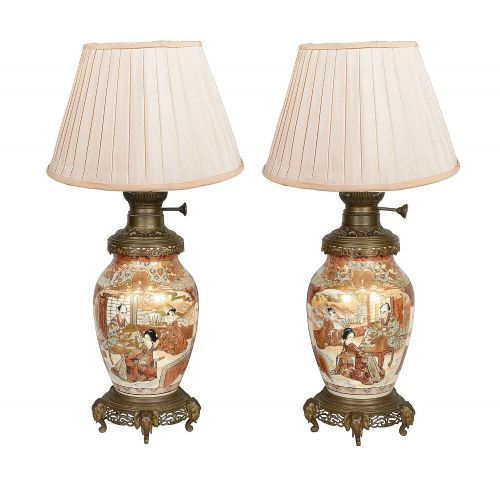
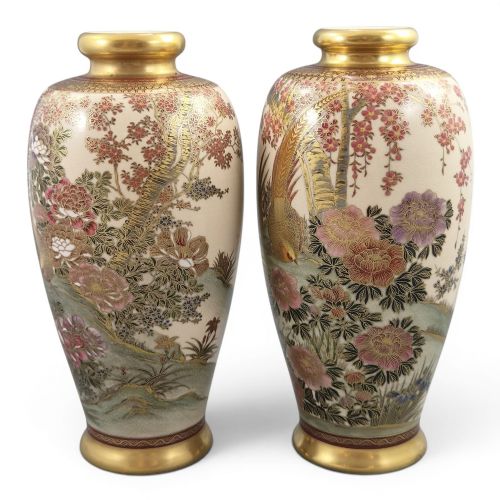
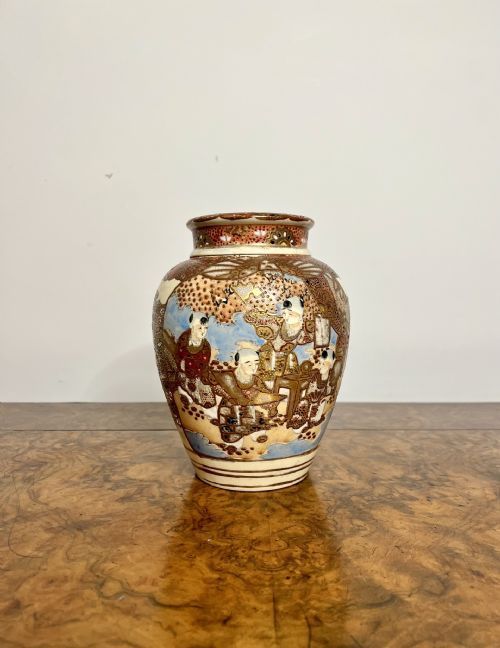
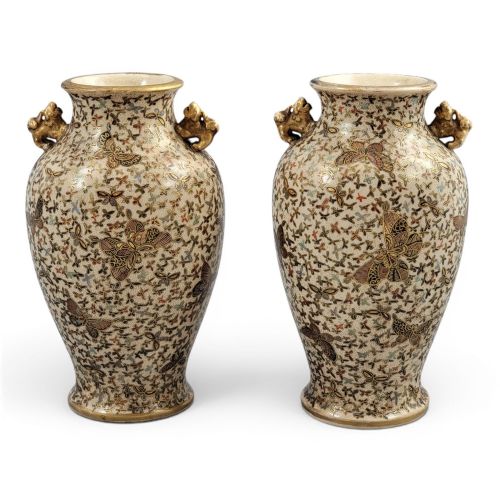
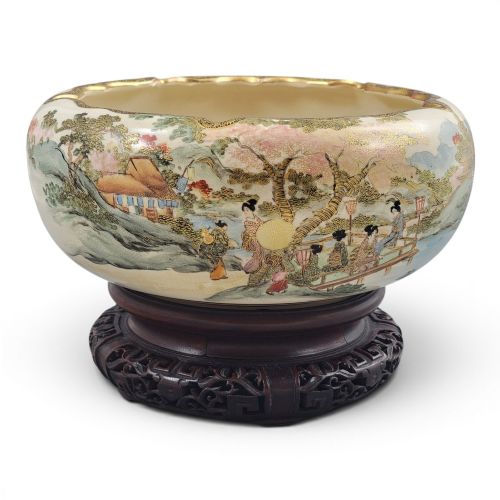
Japanese Satsuma ware comprises earthenware vases, decorative bowls, and koro vessels originating from the nineteenth and early twentieth centuries. These items showcase elaborate pictorial scenes, often featuring figures such as the thousand arhats alongside dragons.
The objects span the Meiji period and the Edwardian era, displaying the distinct artistic output of makers working in workshops in locations such as Yokohama. Collectors frequently encounter large decorative vases and bowls produced across these historic periods.
How They Were Made
Potters formed these vessels from earthenware, applying an absorbent crackle glaze that served as a foundation for subsequent painting. Artisans then built up complex compositions using coloured enamel and gold leaf or gold gilt.
The hand-painted decoration often required exceptional brushwork to render fine details like facial expressions, robes, and mythical beasts within crowded figural scenes.
Dragons and one thousand arhats squeeze onto the same tiny painted surface without losing their fierce expressions.
What Varies in Quality
Quality in Japanese Satsuma ware rests upon the precision of the enamel work and the density of the gold leaf application. Finer pieces demonstrate superior control in miniature portraiture and narrative complexity.
Signed works by established makers command attention through disciplined brushwork and ambitious composition. Weaker examples show coarser painted details and simpler decorative layouts.
Hotoda·Hododa
The Japanese Satsuma Ware Glossary
- Earthenware
- A porous pottery body fired at lower temperatures, characteristic of Satsuma production. It requires a glaze to render it impermeable to liquids.
- Enamel
- Opaque or translucent glass-like material applied to the pottery surface and fired to create colourful designs. It forms the primary palette for figurative scenes on Satsuma ware.
- Gold Leaf
- Extremely thin sheets of beaten gold applied to highlight specific areas of the decoration. It provides the lavish outlining typical of Meiji period pieces.
- Koro
- A traditional incense burner featuring a body and a fitted cover. These lidded vessels appear in Satsuma earthenware alongside standard vases and bowls.
Frequently Asked Questions
What is Japanese Satsuma ware?
Japanese Satsuma ware is a type of earthenware pottery featuring a distinctive crackle glaze and elaborate hand-painted decoration in enamel and gold. These vessels typically depict traditional figures, historical scenes, and mythical creatures.
The pieces range from large decorative bowls and vases to lidded koro incense burners, mostly originating from the nineteenth and early twentieth centuries.
How do I identify Meiji period pieces?
Meiji period pieces are identified through their distinct artistic style, complex figural ornamentation, and association with late nineteenth-century manufacturing. The era produced some of the most intricate enamel and gold gilt work.
Evidence from makers and stylistic markers helps date these specific earthenware items accurately to the period.
How should I display these pieces?
These decorative bowls and vases suit prominent display on stable surfaces where their detailed enamel work can be appreciated up close. Their fragile earthenware bodies require careful placement away from high traffic areas.
Lighting that catches the gold leaf and gilt highlights enhances the visual depth of the painted scenes.
Are these items marked by makers?
Some pieces feature signatures or workshop marks from notable artisans such as Hotoda of Yokohama. These signatures are usually painted directly onto the base alongside the decorative motifs.
Unsigned pieces also appear frequently, sharing the same characteristic earthenware bodies and enamel palettes.