


19th Century Japanese Pottery
These 19th century japanese pottery pieces bring hand-painted enamels, gilt, and intricate ceramic forms into a room.
19th Century Japanese Pottery
When searching for 19th century japanese pottery, a buyer encounters a diverse selection of decorative items originating from Japan during the Meiji period and Victorian eras. The most frequent discoveries on this page include large vases, lidded vessels, decorative bowls, and plates adorned with distinct cultural motifs.
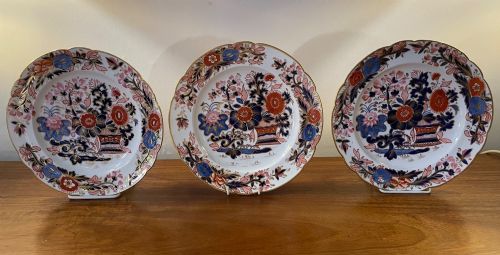
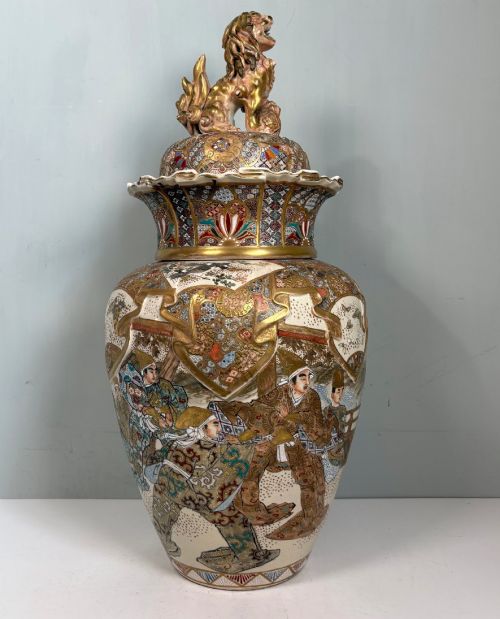
Vessels span multiple distinct styles such as Satsuma earthenware, Kutani porcelain, and Imari palette ceramics. Alongside traditional vases and jars, listings feature table lamps, cabinet plates, and architectural roof ornaments.
Many objects reflect the intense artistic interchange between Japan and the West during the late 19th century. Pieces range from miniature Satsuma vases with figural processions to monumental Imari pairs standing over seventy centimetres high.
Materials and construction methods
Craftsmen utilised both earthenware and porcelain as primary bases for shaping vessels, bowls, and plates. Earthenware bodies often support the finely crackled glaze typical of Satsuma wares, whilst porcelain serves white and blue wares as well as vibrant Imari palettes.
Decoration relied heavily on coloured enamel, intricate gold leaf, and raised moriage work to build texture across the surface. Artisans integrated functional or decorative elements like elephant and lion handles, wooden stands, and carved details into the final ceramic bodies.
19th Century Japanese Pottery Retail Price Guide 2026
Typical asking prices for 19th century japanese pottery among the pieces listed under this phrase on Sellingantiques today, from the lower quarter to the upper quarter. They describe what is for sale here now, not the wider market.
Listings feature both earthenware and porcelain bodies decorated with enamel, gold leaf, and fabric elements.
Assessing quality and execution
Execution separates standard export wares from exceptional studio output. Superior examples display precise brushwork in figural processions, samurai scenes, and natural landscapes without crowding the available ceramic space.
The application of gold leaf and enamel depth dictates visual richness. Pieces exhibiting restrained balance in their gilding and crisp definition in moulded handles typically represent the finer tier of production.
Hayakawa·Christopher Dresser·Minton
The 19th Century Japanese Pottery Glossary
- Satsuma
- An earthenware ceramic originating from Japan, typically characterised by a ivory-coloured, crackled glaze and elaborate enamel and gilt decoration depicting figures or landscapes.
- Imari
- A style of Japanese porcelain featuring a distinctive palette of underglaze blue, iron red, and supplementary gold leaf, widely produced for export.
- Kutani
- A traditional style of Japanese porcelain known for bold colour schemes, frequent use of greens and golds, and detailed pictorial scenes.
- Moriage
- A decorative ceramic technique utilising piped clay slip to create raised, textured patterns and relief details before glazing and firing.
- Meiji Period
- The era in Japanese history spanning from 1868 to 1912, corresponding with a massive expansion of decorative arts exported to Western markets.
19th Century Japanese Pottery: Frequently Asked Questions
How do I distinguish Satsuma from Kutani?
Satsuma wares generally present an earthenware body covered in a finely crackled cream glaze, richly decorated with enamel and gold leaf. Kutani pieces typically utilise a porcelain body with bolder, denser colour palettes dominated by reds and greens.
Examining the base and the texture of the glaze helps clarify the specific ceramic tradition used by the maker.
Were these pieces made for export?
The vast majority of 19th century Japanese ceramics found in Western markets were produced specifically for export following the opening of Japanese trade routes. International demand influenced the scale and decorative themes of vases, bowls, and plates.
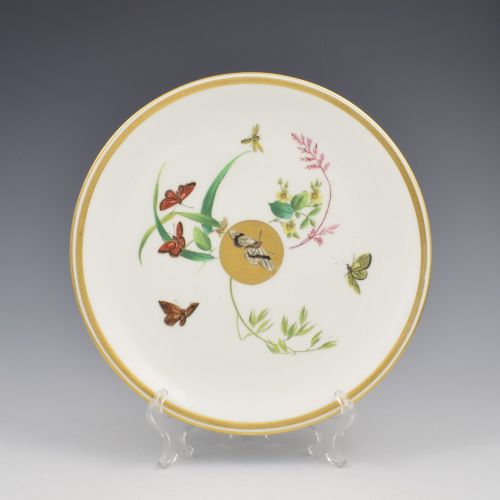
European manufacturers also responded to this aesthetic by producing their own Japanese-inspired porcelain designs during the Victorian era.
How should I display large vases safely?
Large vases and lidded jars require stable, level surfaces away from heavy foot traffic to prevent accidental knocks. Many taller examples benefit from dedicated wooden stands that distribute weight evenly.
Positioning pieces where natural light catches the enamel and gold leaf details enhances their visual presence in a room.
What is the Imari palette?
The Imari palette relies on a specific combination of deep underglaze blue and iron red, frequently accented with generous applications of gold leaf. This high-contrast colour scheme was perfected in Japan and heavily copied by European factories.
Pieces decorated in this palette range from early 19th-century plates to monumental Victorian urns.