

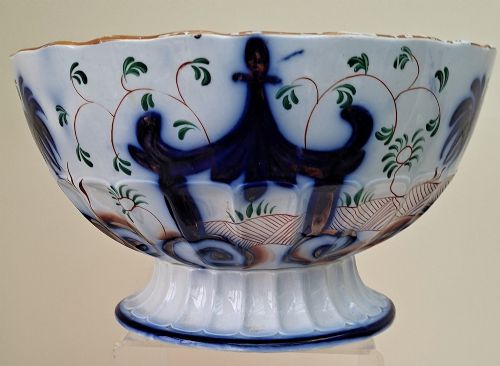
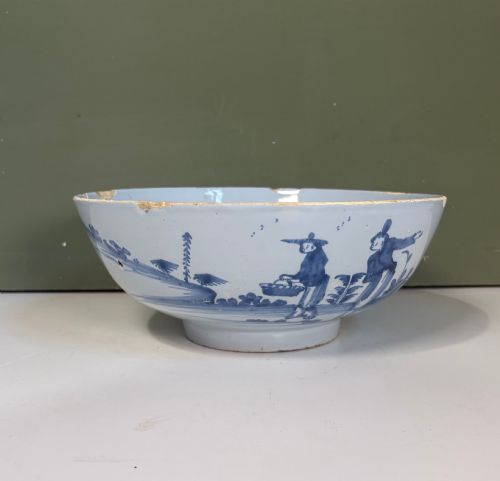
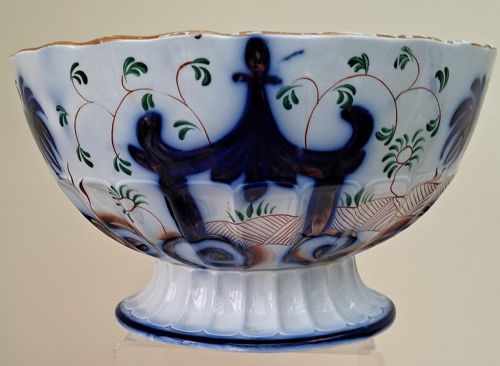
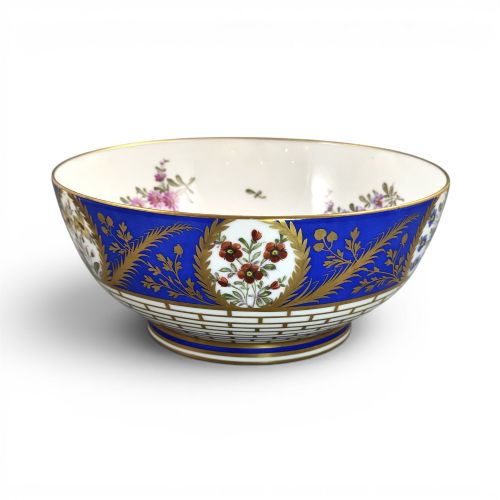
Antique Ceramic Punch Bowl
An antique ceramic punch bowl brings centuries of shared hospitality to the table, taking form in porcelain, earthenware and Delft from 17th century origins onward.
Antique Ceramic Punch Bowl
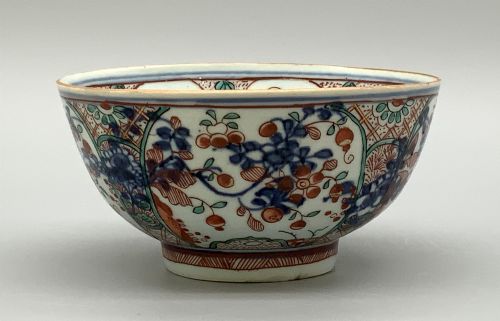
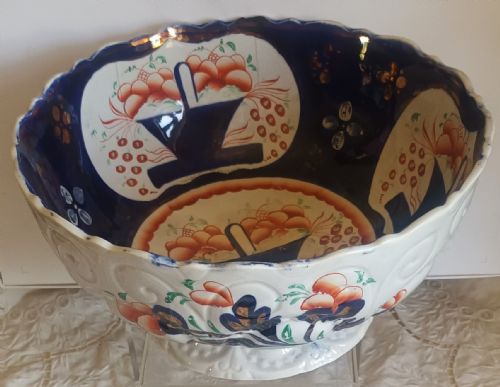
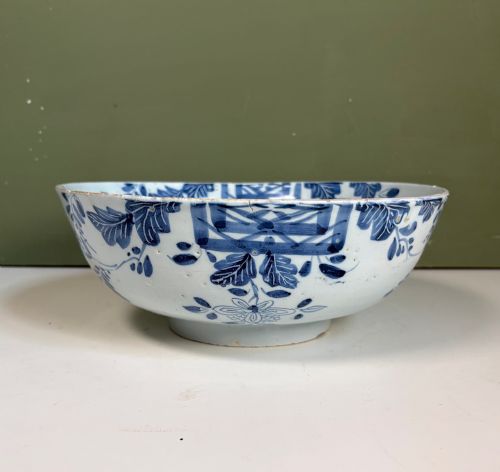
When searching for an antique ceramic punch bowl, collectors encounter generous serving vessels made for communal dining and festive gatherings across the generations. The selection spans robust 18th century Delft wares and early Chinese export porcelain through to intricate Japanese Imari pieces and Victorian footed bowls.
Most examples originate from traditional East Asian kilns or British pottery houses, reflecting trade routes and domestic tastes from the 17th century up to the mid-20th century. Forms range from simple deep basins to scalloped centrepieces designed to sit prominently upon mahogany stands.
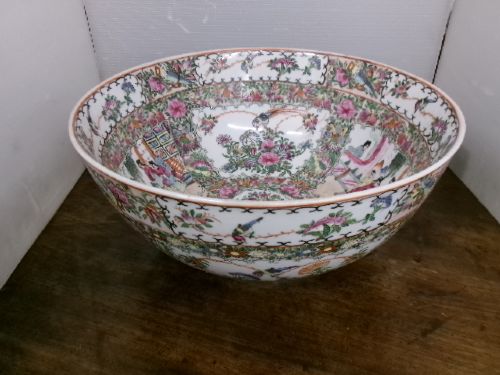
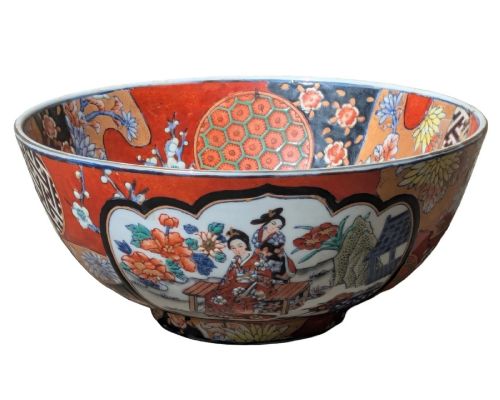
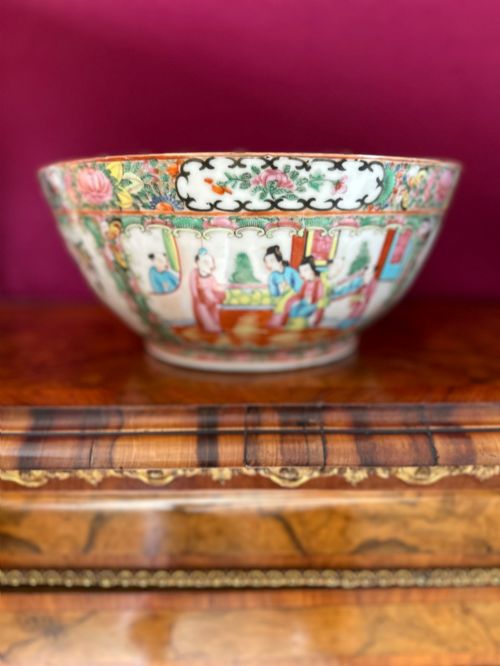
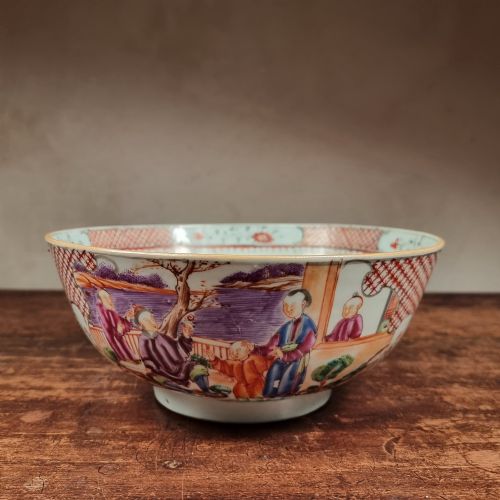
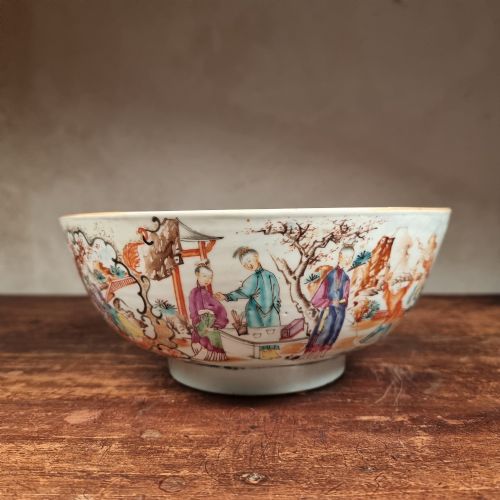
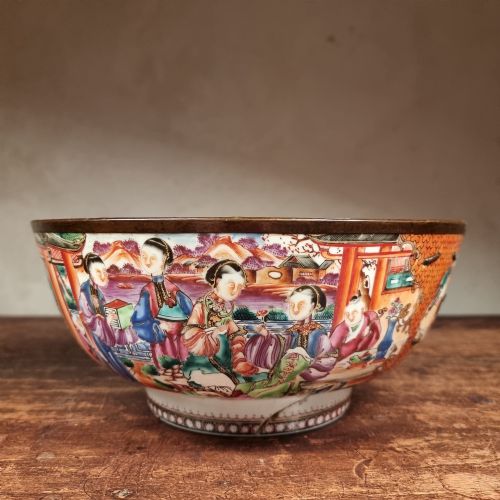
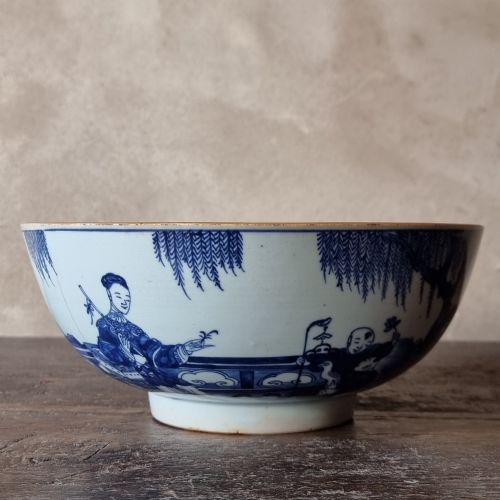
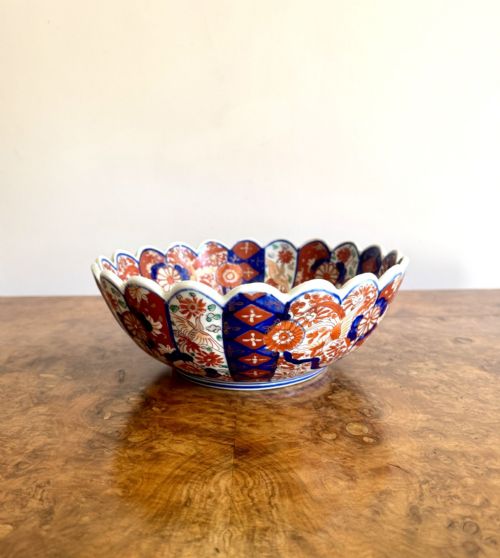
The inventory leans heavily towards Japanese Imari porcelain alongside Chinese Canton and Famille Rose productions, offering distinct palettes of cobalt blue, gilt and enamel painting. Buyers find everything from intimate scholar bowls to large 16-inch decorative vessels intended for display.
Materials and Method
Makers shaped these vessels using fine porcelain clay or sturdy earthenware bodies, throwing them on wheels or pressing them into moulds before firing at high temperatures. Artisans then applied glazes, sometimes incorporating cobalt blue beneath the glaze or layering rich enamel colours above it.
Many surfaces received meticulous hand-painted details, often enhanced with gold leaf, gilt or ormolu mounts to elevate the visual weight of the piece. Workshops in both Europe and Asia utilised specialised kiln techniques to achieve the crackle-free clarity and glossy finishes seen on these bowls.
Antique Ceramic Punch Bowl Retail Price Guide 2026
Typical asking prices for ceramic punch bowl among the pieces listed under this phrase on Sellingantiques today, from the lower quarter to the upper quarter. They describe what is for sale here now, not the wider market.
Listings span multiple centuries, incorporating 17th century Japanese porcelain alongside Victorian earthenware and 20th century studio pieces.
Assessing Quality
Quality rests upon the crispness of the hand-painted brushwork, the depth and vibrancy of the enamel colours, and the purity of the white porcelain or earthenware ground. Pieces finished with delicate gold leaf or secure ormolu mounts generally reflect a higher tier of workshop production.
The steadiness of the foot rim, symmetry of the scalloped edge, and absence of heavy firing distortions distinguish finer examples from standard utilitarian wares. Master potters achieved cleaner lines and more intricate pictorial scenes, setting apart the exhibition-grade centrepieces from everyday vessels.
Samson Paris·Doulton Burslem·Ryuzan·Chamberlain Worcester·Ridgway
The Antique Ceramic Punch Bowl Glossary
- Imari
- A style of Japanese porcelain featuring a distinct palette of cobalt blue, iron red and gold, named after the port from which the wares were shipped.
- Famille Rose
- A major palette of Chinese ceramic glazes introduced in the 18th century, distinguished by its predominant opaque pink or rose enamel colour.
- Delft
- Tin-glazed earthenware produced in the Netherlands and England, known for its characteristic white surface and blue painted motifs.
- Gilt
- A thin layer of gold applied to the ceramic surface or rim to provide decorative accentuation and contrast against the glaze.
- Footed bowl
- A vessel raised on an elevated pedestal or base ring, giving the piece greater height and presence on a table or cabinet.
Antique Ceramic Punch Bowl: Frequently Asked Questions
How do I date an antique bowl?
Dating relies on examining the characteristics of the paste, the composition of the glaze, and the stylistic conventions of the painting. Makers' marks, where present, provide direct clues to the period of manufacture.
Comparison with documented pieces from the 18th and 19th centuries helps narrow the decade of production. Handling multiple examples builds familiarity with the subtle shifts in weight and pigment over time.
Were these bowls used for punch?
Many large ceramic basins served specifically as punch bowls during large gatherings in the Georgian and Victorian eras, holding mixed beverages for guests. Others functioned as general fruit bowls, centrepieces, or purely decorative items for display in formal rooms.
Their generous dimensions and deep walls made them versatile vessels for entertaining. Over time, many transitioned from active dining service to static display pieces.
How should I display my bowl?
Placing the bowl on a sturdy table or sideboard allows the painted interior and exterior details to remain visible from multiple angles. Some larger pieces benefit from dedicated wooden stands that elevate the vessel and protect its foot rim.
Keeping the bowl away from direct sunlight preserves the vibrancy of the hand-painted enamels and gold leaf. Stable placement ensures the safety of heavier porcelain and earthenware forms.
What is the difference between Imari and Canton?
Imari porcelain originates from Japan and utilises a strict colour scheme built around underglaze cobalt blue, iron red, and gilt highlights. Canton wares come from China and typically feature dense Famille Rose enamels with floral and figural scenes.
Brushwork styles and clay bodies also differ between the two regional traditions, allowing collectors to separate Japanese export pieces from Chinese productions. Both styles appear frequently in historical punch bowl forms.