


Antique Wedgwood Pottery
Antique wedgwood pottery brings centuries of ceramic skill to your home, offering classic forms that remain both practical and decorative.
Antique Wedgwood Pottery
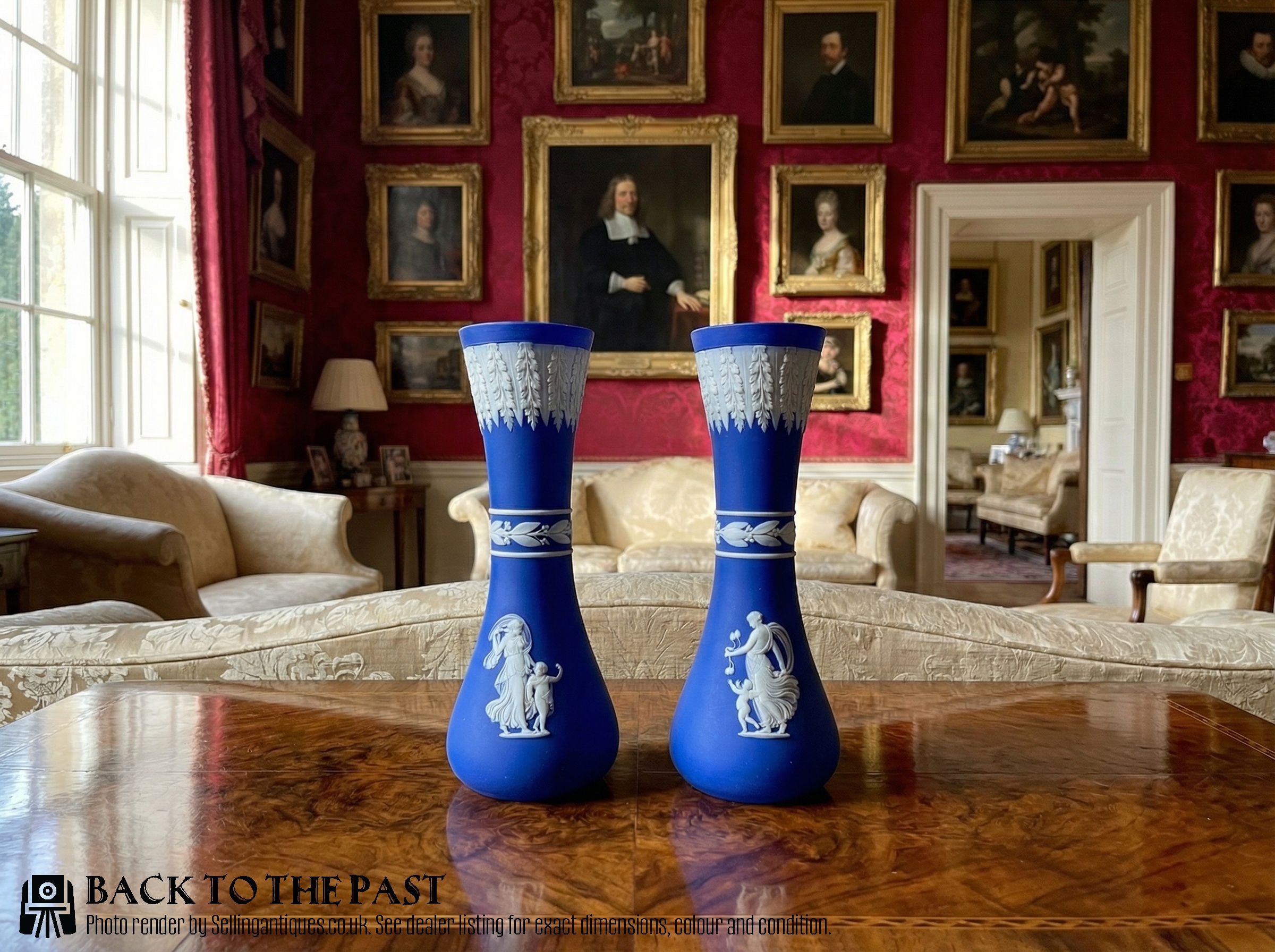
Antique wedgwood pottery encompasses functional and decorative ceramics produced across multiple periods, including the Georgian, Victorian, and early twentieth century. Buyers seeking antique wedgwood pottery will encounter diverse forms such as jugs, decorative vases, bowls, and wall tiles.
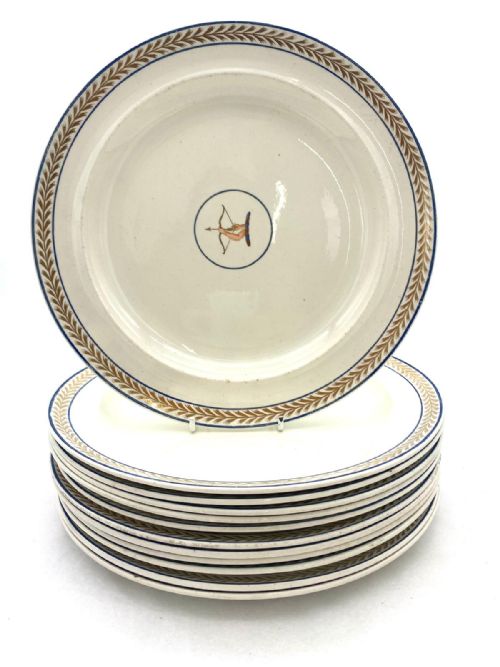
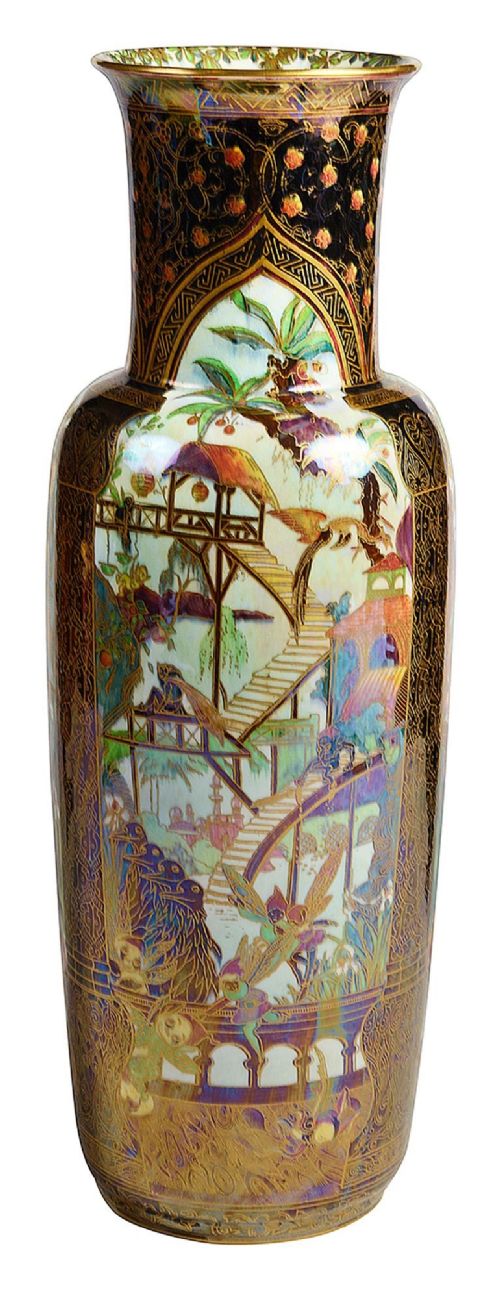
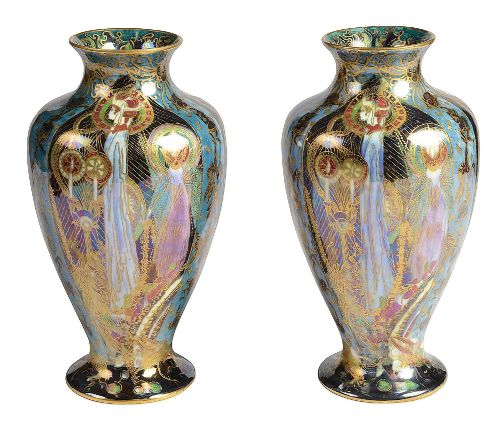
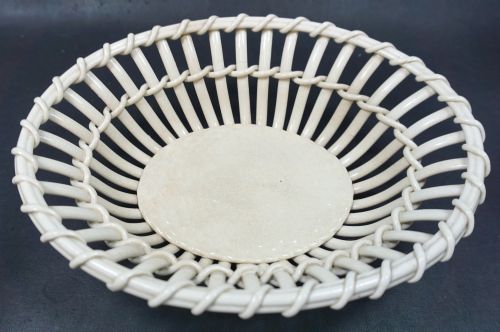
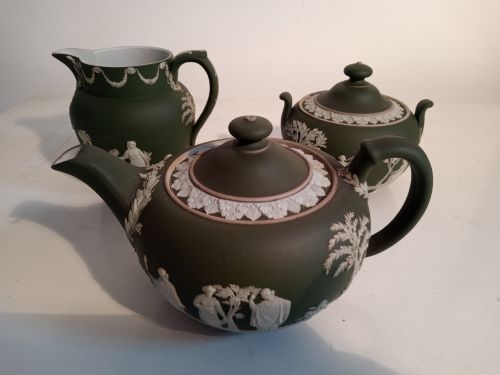
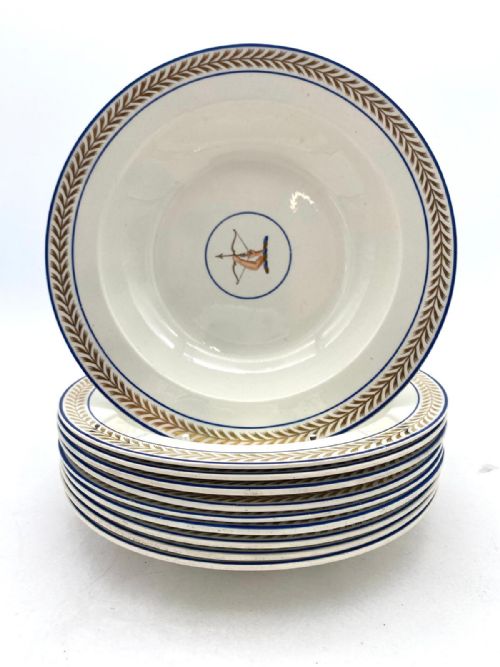
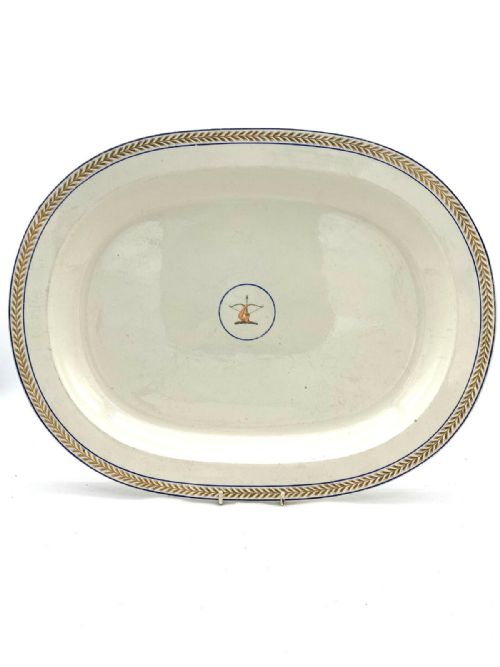
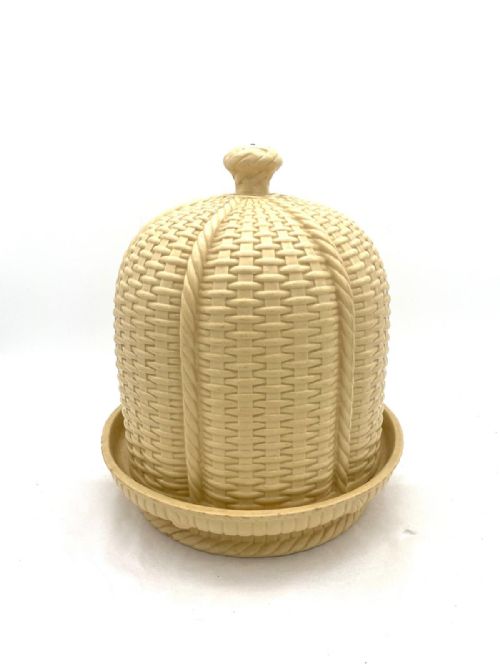
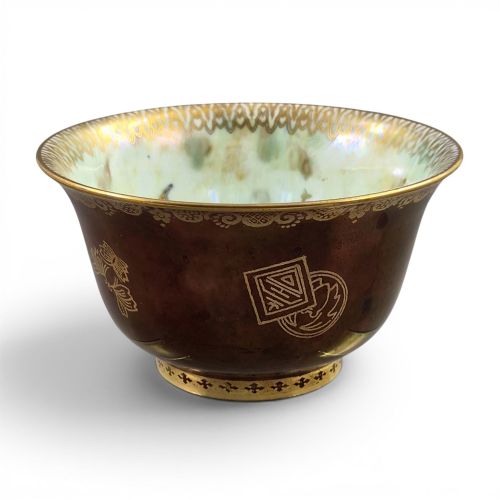
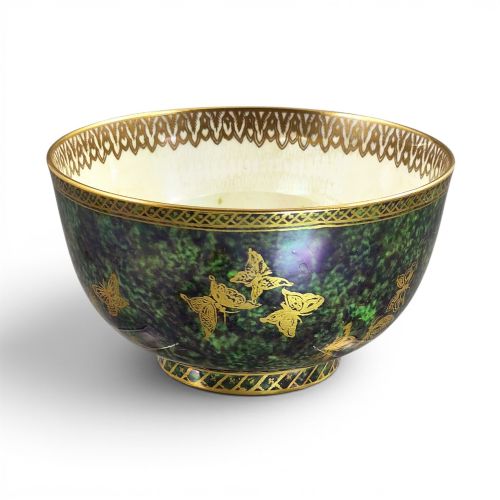
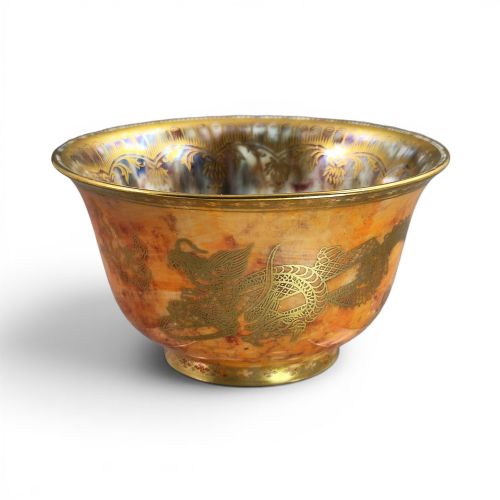
The pieces available demonstrate the enduring range of the maker, spanning from restrained creamware to brightly decorated lustreware and classical blue jasper. Each era contributes distinct silhouettes and surface treatments that define the visual character of these ceramics.
Materials and Manufacture
The pieces utilise varied foundational ceramic bodies including earthenware, creamware, and fine stoneware. Makers applied specialised glazes and gold gilt or gold leaf to enhance the decorated surfaces.
Surface ornamentation ranges from moulded neoclassical relief work to mottled lustre finishes and applied pictorial transfer printing. These techniques required precise kiln control and skilled hand-finishing.
Antique Wedgwood Pottery Retail Price Guide 2026
Typical asking prices for wedgwood pottery among the pieces listed under this phrase on Sellingantiques today, from the lower quarter to the upper quarter. They describe what is for sale here now, not the wider market.
Game series tiles bring nineteenth-century rural pastimes straight to your wall.
Assessing Quality and Execution
Quality in these ceramics rests upon the crispness of the moulded relief work and the evenness of the glaze application. Finer examples display sharp detail in applied figures and smooth, consistent colour across the ceramic body.
The integration of decorative elements such as gold leaf and lustre finishes distinguishes superior specimens. Artisanal control over firing temperatures directly influences the vibrancy and durability of the finished surface.
Josiah Wedgwood·Daisy Makeig-Jones
The Antique Wedgwood Pottery Glossary
- Creamware
- A refined earthenware with a pale yellowish-buff glaze, developed during the eighteenth century.
- Jasperware
- A fine-grained, unglazed stoneware developed by Josiah Wedgwood, frequently featuring contrasting white relief ornaments against a coloured ground.
- Lustreware
- Pottery treated with a metallic glaze that produces an iridescent, reflective sheen.
- Neoclassical
- A decorative style inspired by the art of classical antiquity, characterised by symmetry, restraint, and classical motifs.
Antique Wedgwood Pottery: Frequently Asked Questions
What periods do these pieces span?
The available items span from the Georgian era through the Victorian period and into the early twentieth century.
Each period brings distinct stylistic influences, ranging from neoclassical restraint to art deco lustre.
How do I care for lustre pottery?
Lustre ceramics require gentle cleaning with a soft cloth and warm water to protect the metallic glaze.
Avoid abrasive cleaners and harsh scrubbing to preserve the reflective surface.
What is jasperware made from?
Jasperware is an unglazed fine stoneware that absorbs metal oxides to produce its characteristic background colours.
Contrasting white ceramic figures are moulded separately and applied by hand to the surface.
Were these pieces used daily?
Many items, such as jugs and creamware vessels, were designed for practical dining table use.
Others, including decorative vases and framed tiles, served primarily ornamental functions in period interiors.