




Antique Lustre Pitcher
An antique lustre pitcher brings a metallic sheen and transfer-printed maritime scenes to the table.
Antique Lustre Pitcher
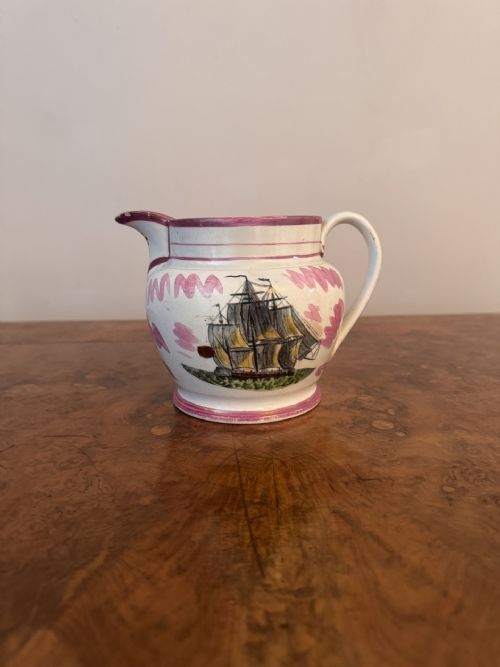
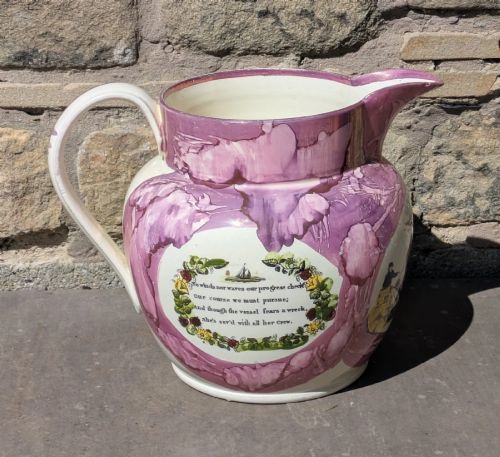
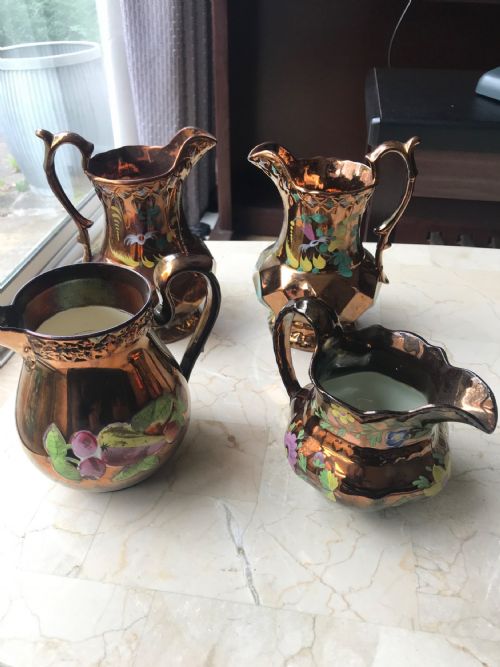
An antique lustre pitcher is a ceramic vessel coated with a metallic glaze that catches the light with coppery or pink reflections. These pieces range from small cream jugs to large vessels adorned with poetic panels and maritime themes.
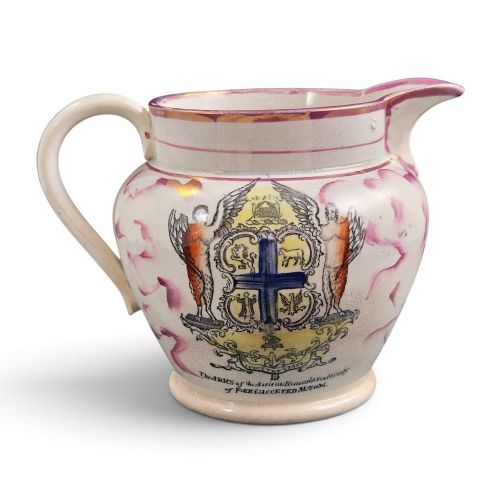
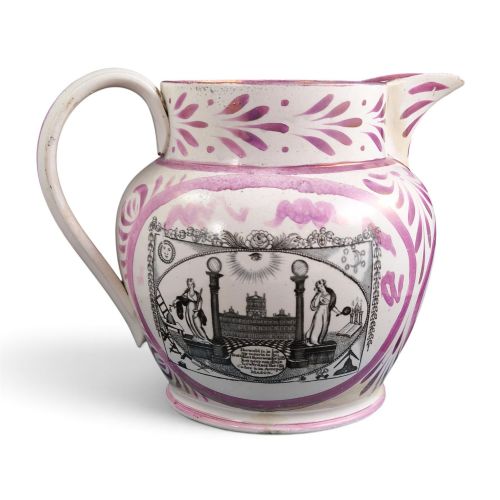
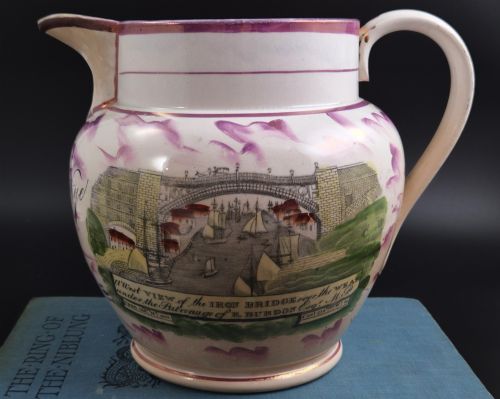
The versions most commonly met on this page belong to the nineteenth century, including Georgian and Victorian examples. Many originate from Sunderland potteries or Staffordshire works, featuring pink splash patterns and transfer-printed ship motifs.
Makers often decorated these earthenware forms with hand-painted details over transfer prints, creating robust jugs intended for daily service or commemorative display. Collectors encounter both utilitarian milk jugs and large decorative presentation pieces.
How they were made
Potters shaped these vessels from earthenware, ironstone, pearlware, or creamware before applying a base glaze and metallic oxides. Platinum or copper solutions imparted the characteristic metallic lustre when fired in the kiln.
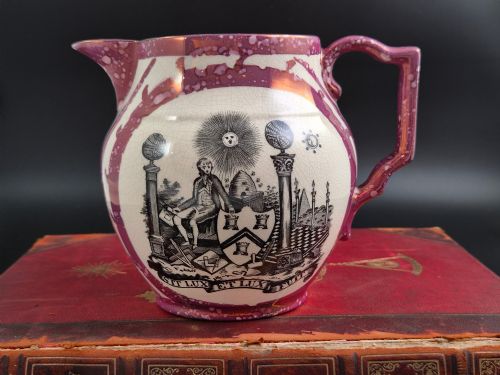
Many examples incorporate purple or pink transfer printing to display detailed scenes of ships, bridges, or masonic emblems. Artisans then added enamel colours by hand over the print to highlight specific elements such as flags and floral borders.
Current listings span the nineteenth century, featuring earthenware bodies decorated with pink splash, copper lustre, and transfer-printed maritime motifs.
What varies in quality
Quality rests upon the crispness of the transfer print and the richness of the metallic glaze. A well-fired pitcher displays an even, brilliant sheen without dull patches or heavy pooling.
The skill of the hand-painted enamel work significantly alters the character of the piece. Crisp detailing on complex scenes like tall ships or masonic symbols elevates the status of the vessel.
Livesley Powell And Co·Wedgwood·Sunderland Garrison Pottery
The Antique Lustre Pitcher Glossary
- Lustre glaze
- A ceramic finish containing metallic oxide that produces a reflective, metallic sheen upon firing. This technique creates the signature copper and pink appearance.
- Transfer printing
- A method of applying pre-printed paper designs onto ceramic surfaces using engraved copper plates. It allowed potteries to produce detailed maritime and botanical scenes consistently.
- Pearlware
- A refined earthenware developed in the late eighteenth century with a subtle bluish glaze that pooled in crevices. It served as a smooth canvas for early lustre decoration.
- Gaudy Welsh
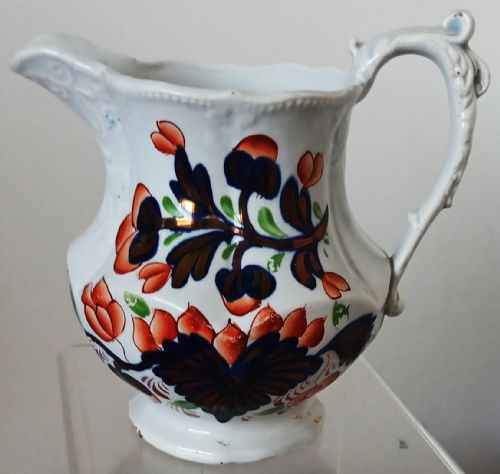
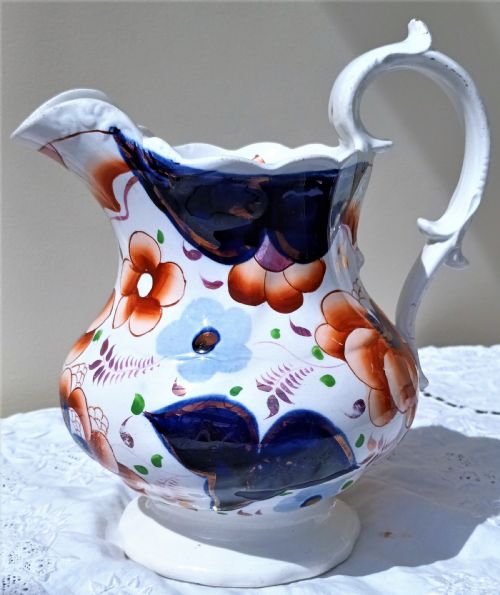
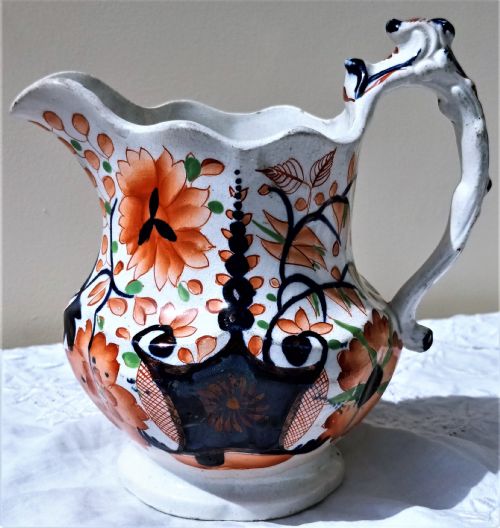
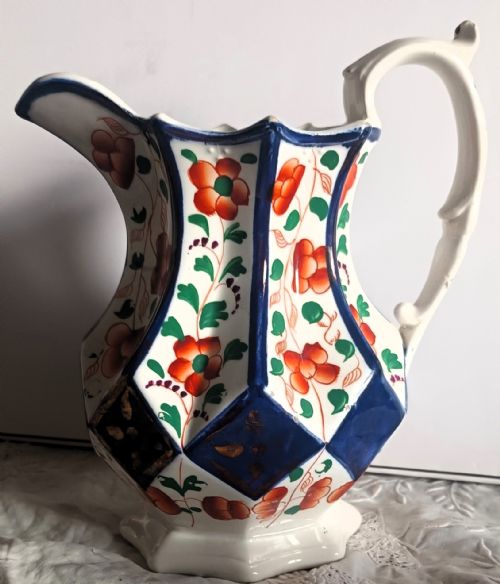
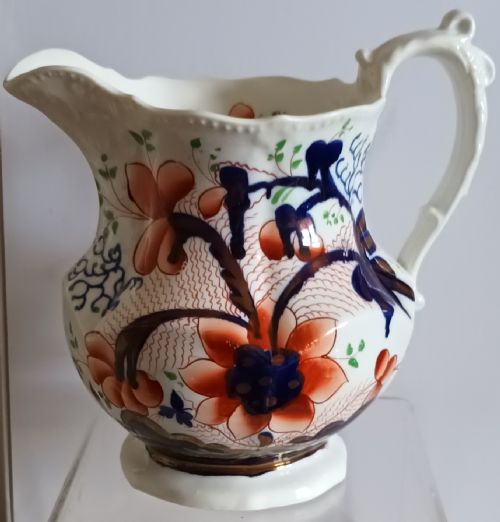
- A distinctive style of nineteenth-century pottery featuring cobalt blue, copper lustre, and bright enamel colours. Common patterns include geometric and floral motifs.
- Pink splash
- A mottled pink lustre effect achieved by flicking metallic solution onto the white background of the pot. It became a hallmark of nineteenth-century northern English potteries.
Antique Lustre Pitcher: Frequently Asked Questions
How were lustre pitchers used?
These vessels served practical functions as milk jugs, water pitchers, and cream jugs on nineteenth-century tables. Larger examples functioned as commemorative pieces displayed in homes or lodges.
Many featured maritime themes or poetic panels dedicated to sailors, reflecting the maritime culture of northern English port towns where they were made.
How do I identify a Sunderland lustre jug?
Sunderland jugs often display a distinctive pink splash effect combined with transfer-printed images of the Iron Bridge or tall ships. They frequently include masonic emblems or moral verses.
Examining the earthenware body and the characteristic pink metallic sheen helps distinguish them from standard Staffordshire wares.
Are copper lustre jugs durable?
Constructed from sturdy earthenware and ironstone, these pitchers were built for daily household use. The metallic glaze provides a durable surface that withstands normal handling.
Gentle hand washing preserves the delicate enamel decorations and the reflective metallic finish over time.