


Regency Ceramic Pitcher
A regency ceramic pitcher brings the bold decoration and robust forms of the early nineteenth century straight to your table.
Regency Ceramic Pitcher
When you examine a regency ceramic pitcher, you encounter domestic vessels shaped during the Georgian, Regency, and early Victorian eras. These pieces include utilitarian jugs and basins, large footbath jugs, cream jugs, and imposing water jugs designed for display or service.
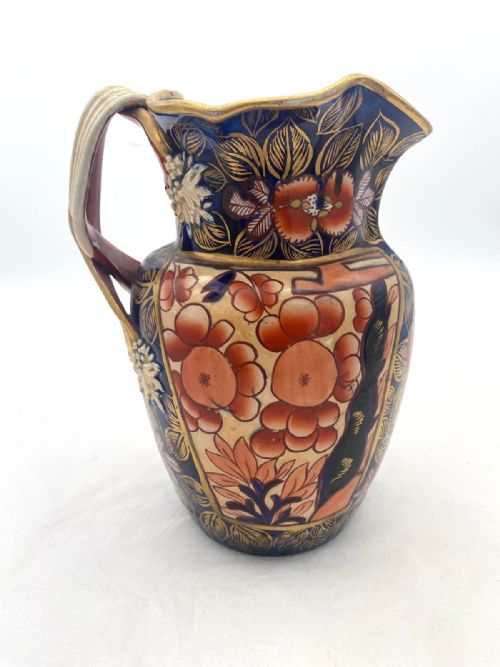
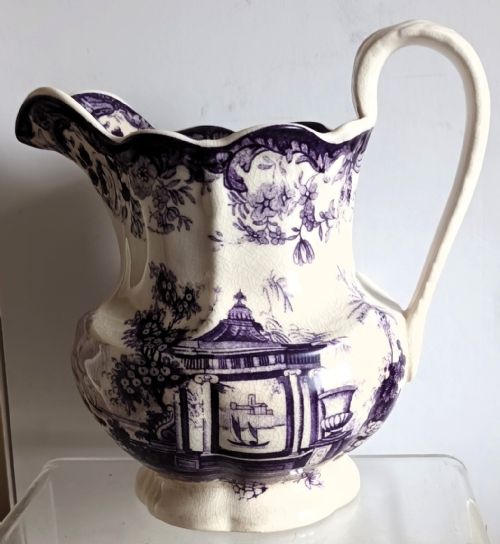
The versions most commonly met on this page span earthenware, creamware, ironstone, and porcelain. Makers utilised transfer-printing, enamel painting, and relief moulding to finish surfaces that often display classical motifs, armorial crests, or Chinoiserie scenes.
How they were made
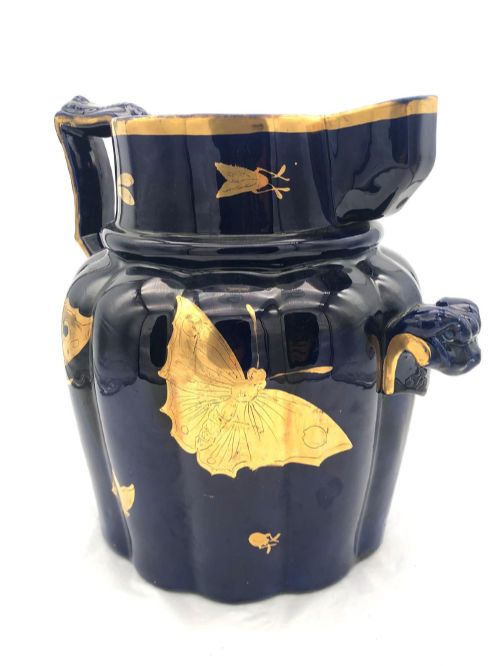
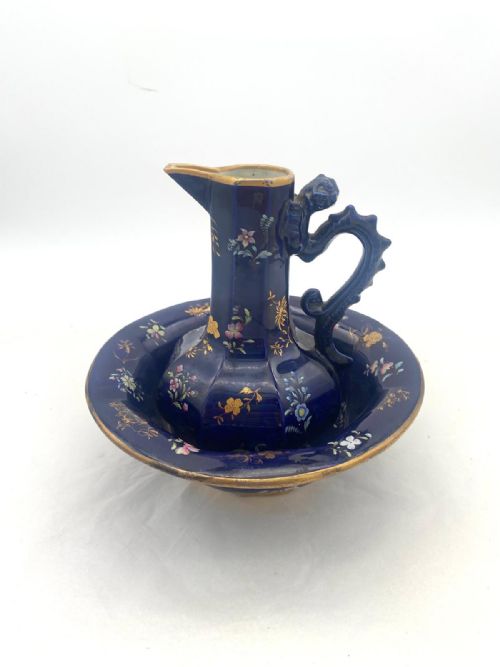
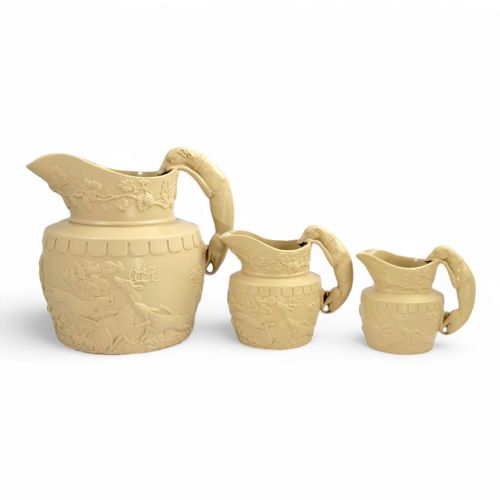
Potters relied on earthenware, ironstone, and fine porcelain bodies, shaping them into octagonal, faceted, or standard rounded forms. Handles frequently received sculptural treatment, appearing as grotesque or hound shapes that demanded skilled hand-finishing.
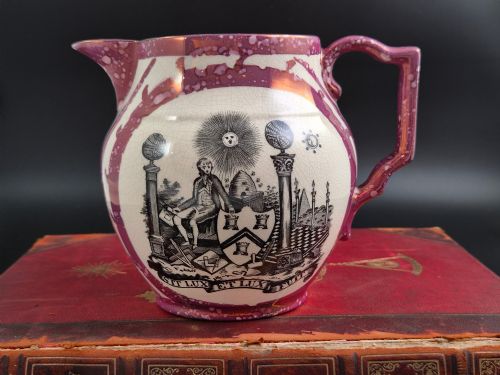
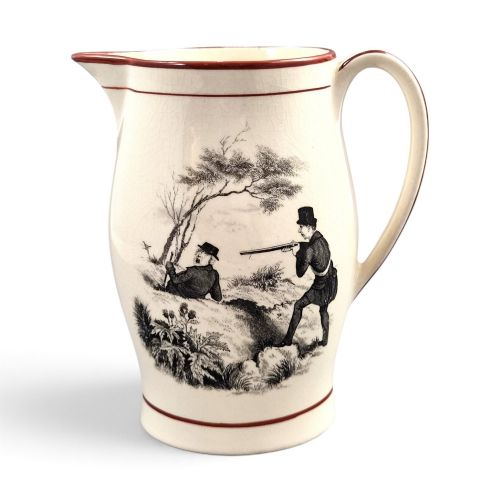
Decoration relied heavily on underglaze blue and pink splash lustre transfer-printing, alongside hand-applied enamel colours and touches of gold leaf. These combined techniques allowed workshops to produce both intricate topographical views and bold patterned grounds.
Some nineteenth-century potters fitted their pitchers with ferocious hound handles, ensuring your morning cream came with a side of canine drama.
What varies in quality
Quality rests in the crispness of the transfer-print and the precision of the hand-painted enamels, where finer examples display sharp detailing without blurring or colour bleed. The ambition of the form also separates standard vessels from exceptional ones, particularly those featuring moulded relief work or complex figural handles.
The standing of the manufacturer dictates much of the distinction, as established factories like Mason's, Chamberlain Worcester, and H & R Daniel employed superior clay bodies and more sophisticated glazing techniques. A heavier, well-balanced ironstone or a translucent porcelain body immediately elevates a piece above basic utilitarian earthenware.
Mason's·H & R Daniel·Derby Porcelain·Chamberlain Worcester·Phillips & Bagster·Spode
The Regency Ceramic Pitcher Glossary
- Creamware
- A fine earthenware developed in Yorkshire and Staffordshire featuring a pale yellow or cream-coloured lead glaze. It became the dominant domestic ceramic body of the late Georgian period.
- Ironstone
- A dense, durable ceramic patented in the early nineteenth century by Charles Mason. It bridged the gap between earthenware and true porcelain, offering great strength for large pitchers and basins.
- Transfer-printing
- A process where an engraved copper plate transfers a design onto tissue paper, which is then pressed onto the ceramic surface before glazing and firing. This allowed complex patterns like Chinoiserie scenes and scenic views to be produced consistently.
- Lustre
- A metallic glaze technique that creates a reflective, iridescent sheen on the ceramic surface. Pink splash lustre was particularly popular for Staffordshire and Sunderland earthenware during the Regency era.
- Ewer
- A large pitcher with a wide spout and flared base, traditionally used for washing or serving water. In nineteenth-century sets, they were paired with matching washbasins.
Regency Ceramic Pitcher: Frequently Asked Questions
How were these pitchers used?
These vessels served various functions around the Georgian and Regency home, ranging from small cream jugs used at the tea table to large water and ale jugs for dining. Washbasin jugs and footbath jugs formed part of larger chamber sets used for personal hygiene before modern plumbing.
Larger decorative pitchers were also displayed on sideboards or buffets to showcase the wealth and taste of the household through colourful transfer-printed scenes and armorial crests.
Are these pitchers waterproof?
Most of these ceramic pieces remain entirely waterproof and functional for holding liquids today. The dense glaze applied over ironstone, porcelain, and refined earthenware effectively seals the porous clay body underneath.
However, pieces exhibiting extensive wear to the glaze or hairline fractures should be reserved for display rather than daily service to prevent moisture damage.
How do I date a Regency pitcher?
Dating relies on observing the combination of clay body, manufacturing technique, and stylistic markers such as handle shape and decorative palette. Early nineteenth-century pieces often feature transitional Georgian forms alongside Regency Chinoiserie or classical motifs.
Maker's marks stamped or printed on the base provide the most reliable guide, though stylistic clues like pink splash lustre or hound handles point firmly to the decades around eighteen hundred and twenty.
How do I care for antique ceramics?
Antique ceramics require gentle hand washing in lukewarm water with mild soap, avoiding abrasive scrubbers or modern dishwashers. Sudden temperature changes must be avoided to prevent thermal shock and crazing in the glaze.
Display pitchers away from direct sunlight and extreme heat sources to protect any delicate enamel colours and gold leaf highlights.