
Antique Asian Art
Exploring antique asian art brings together centuries of ritual objects, textiles, and fine sculpture from diverse regional workshops.
Antique Asian Art
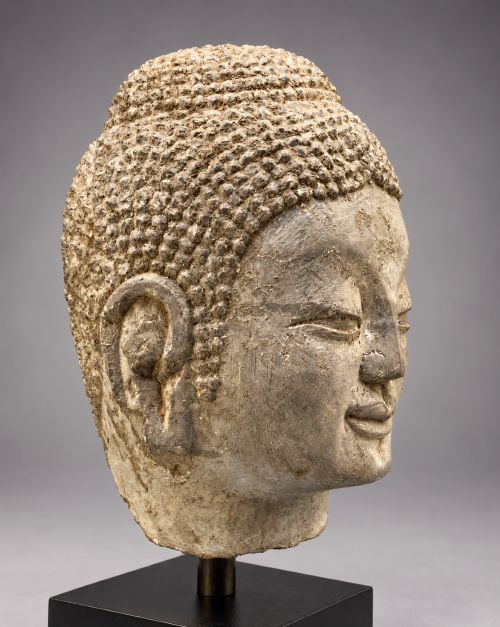
Antique asian art encompasses a wide variety of material culture, ranging from ritual bronzes and stone sculptures to intricate textiles and wall art. Buyers searching this category frequently encounter works spanning the eighteenth to early twentieth centuries, reflecting diverse regional traditions across China, Japan, Central Asia, and Tibet.
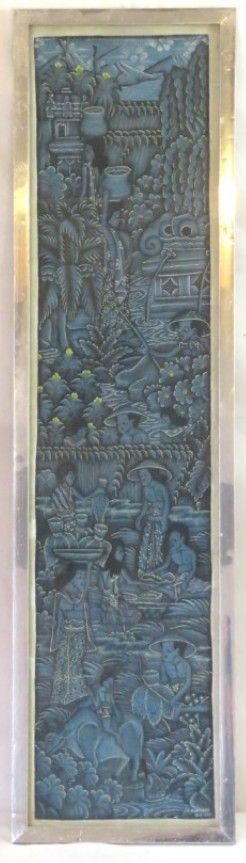
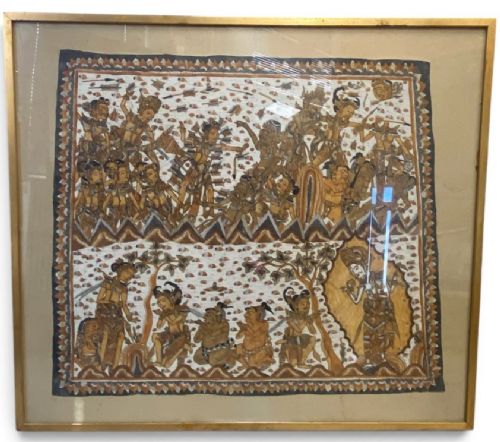
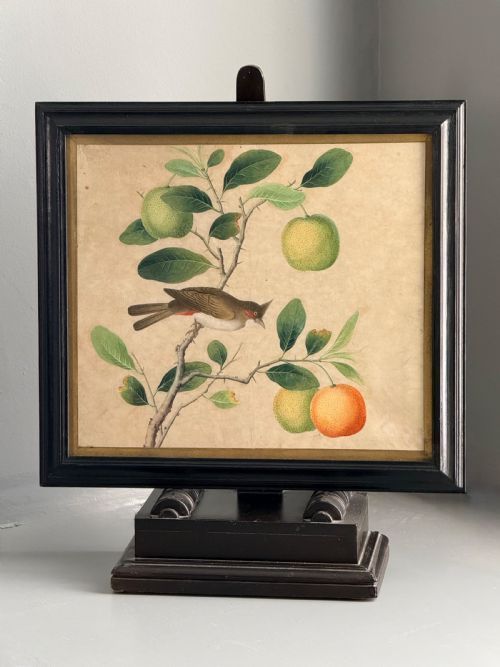
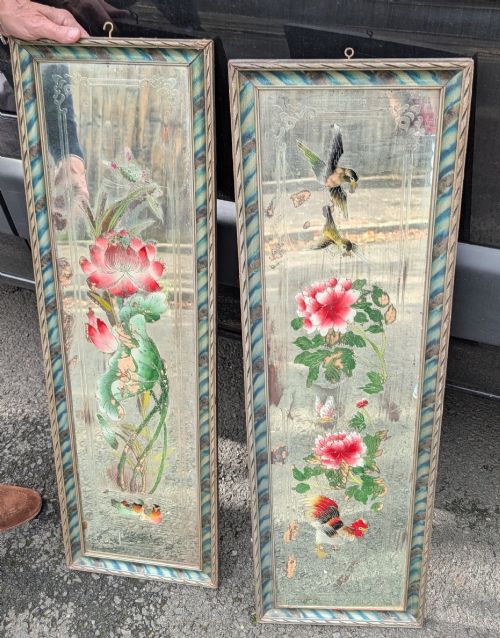
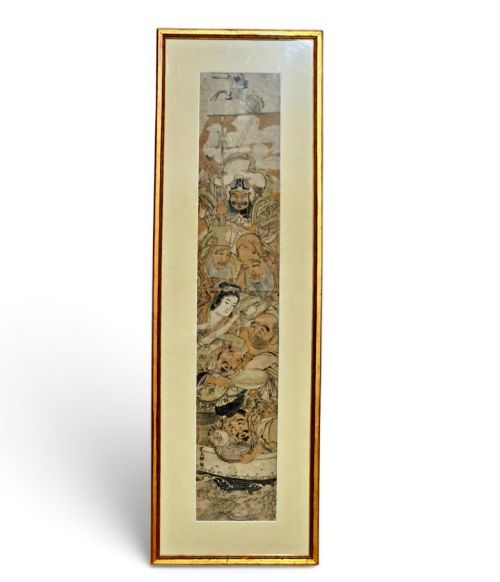
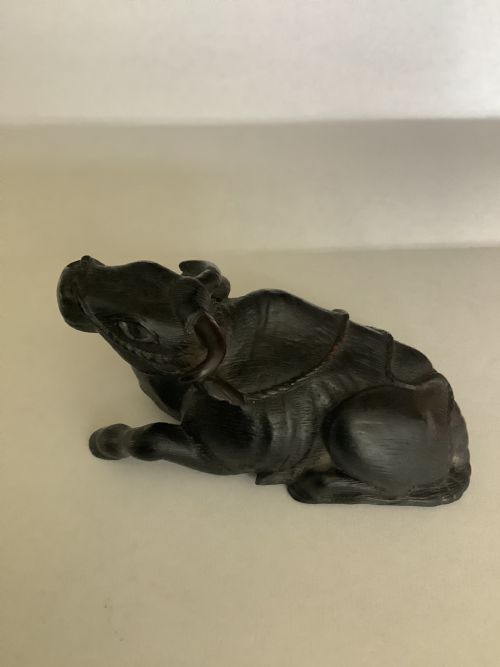
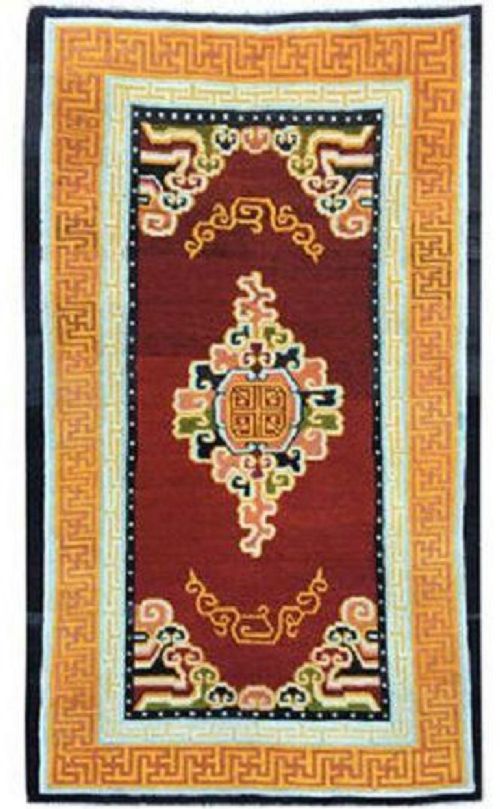
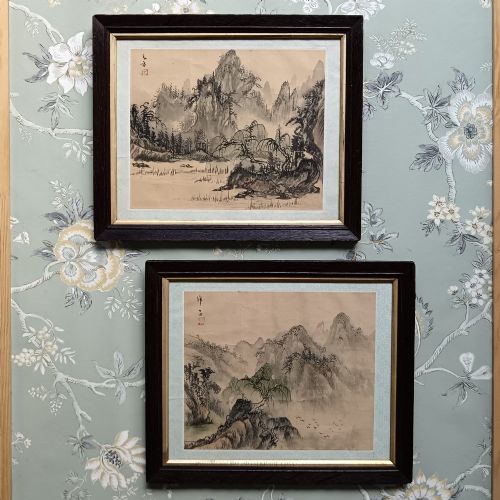
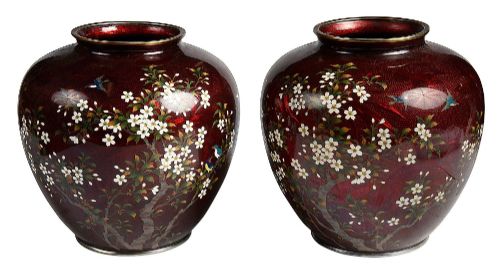
The selections available on this page include framed silk paintings, cloisonné vessels, tribal embroideries, and carved wooden figures. Objects serve both decorative and functional purposes, uniting centuries-old craftsmanship with distinct cultural symbolism.
How they were made
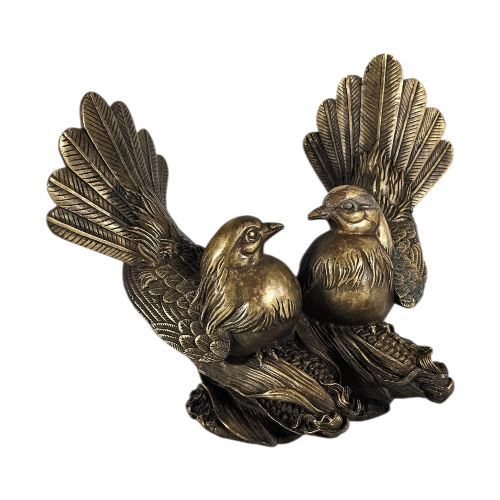
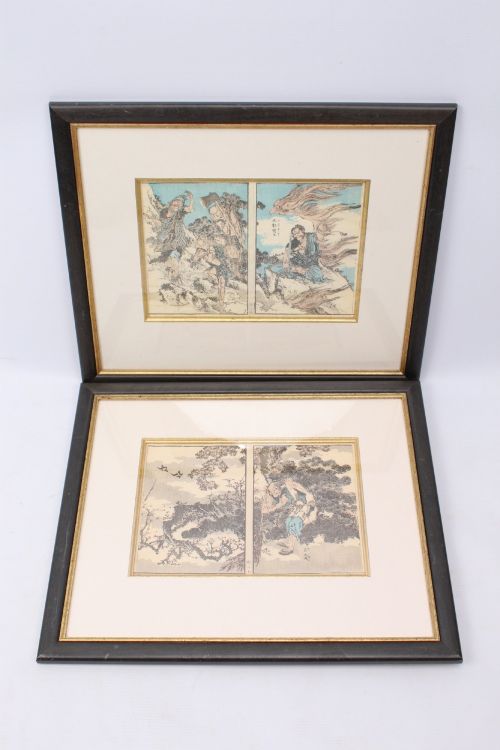
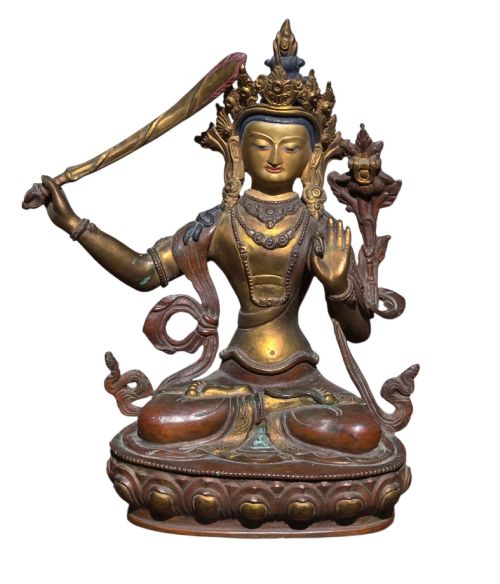
Makers utilised traditional techniques involving bronze casting, hand carving in wood, coral, and stone, alongside detailed enamel work such as cloisonné on copper bases. Textiles display complex weaving, embroidery using silk and wool threads, and woodblock printing on paper or fabric.
Materials span organic and mineral mediums, including patinated iron, gilt-bronze, limestone, silk, cotton, and glass. The interplay of these natural substances defines the physical weight and visual depth of each surviving piece.
Listings feature items from the eighteenth, nineteenth, and early twentieth centuries, executed in bronze, silk, wood, and enamel.
What varies in quality
Quality rests upon the precision of the handwork, whether in the fine chisel marks of a bronze sculpture, the tight knotting of a tribal rug, or the exact alignment of enamel wires on a vessel. Masterful execution demonstrates a high level of control over difficult materials.
The preservation of original surface finishes, patination, and pigments heavily influences the integrity of an object. Pieces retaining their original mountings, framing, or textiles display greater historical continuity.
Lakai Tribe·Uzbek Lakai Tribe
The Antique Asian Art Glossary
- Cloisonné
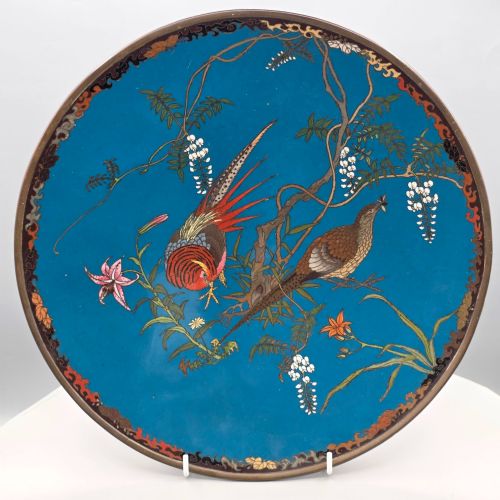
- Enamelling technique where thin metal wires are soldered to a metal base to create compartments filled with paste and fired. This method produces intricate decorative patterns on vases, chargers, and bowls.
- Ruyi Sceptre
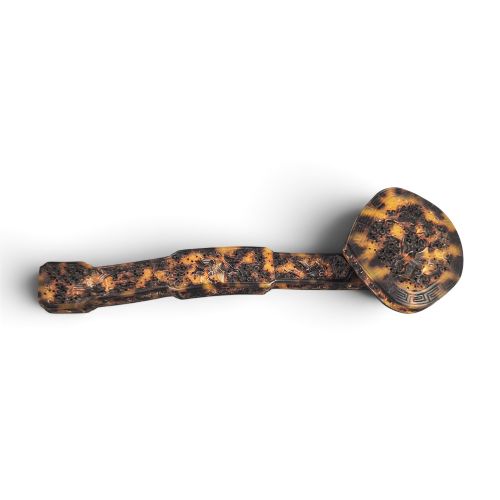
- A traditional Chinese ornamental sceptre shaped like a lotus cloud or lingzhi mushroom, symbolising good fortune. These objects were carved from materials such as tortoiseshell, jade, or wood.
- Suzani
- Large, embroidered tribal wall hangings or coverlets originating from Central Asia, traditionally worked in silk or cotton on a loom-woven foundation. They often feature bold floral and geometric motifs.
- Shan Shui
- Traditional Chinese style of painting featuring scenery or natural landscapes, typically executed with brush and ink on silk or paper. The term translates directly to mountain-water.
Antique Asian Art: Frequently Asked Questions
How do I date these items?
Dating relies on stylistic markers, material analysis, and occasional reign marks or signatures left by makers. Comparing construction methods against documented periods helps establish an accurate timeframe.
Changes in chemical composition, patination, and weaving structures also provide clear indicators of an object's age and regional origin.
What materials are most common?
Common materials include bronze, wood, silk, wool, and copper, often enriched with enamel or gold inlay. Each medium reflects the specific resources and artistic priorities of its region of origin.
Organic textiles like cotton and silk are frequently found in wall hangings and rugs, while metals dominate vessels and sculptures.
How were these pieces used originally?
Many objects fulfilled ritual, ceremonial, or architectural roles within households, temples, and nomadic settings. Items like dowry embroideries and horse covers held specific social or cultural significance.
Other works, such as scholar seals, brush pots, and decorative screens, served daily functions within elite or scholarly environments.
How should I care for antique textiles?
Antique textiles require protection from direct sunlight to prevent fading of natural silk and wool threads. Keeping them in stable humidity conditions preserves the integrity of old fibres.
Displaying wall hangings away from direct heat sources ensures the fabric does not become brittle over time.