




Japanese Wall Hanging
These pieces of Japanese wall hanging art and decor bring centuries of craftsmanship and textile heritage directly into your interior.
Japanese Wall Hanging
When you search for a Japanese wall hanging, you encounter a diverse mix of antique textiles, carved wooden plaques, painted scrolls, and ceramic chargers adapted for display. The pieces span periods from the Edo era and Meiji period through to the Victorian Aesthetic Movement and Edwardian interpretations.
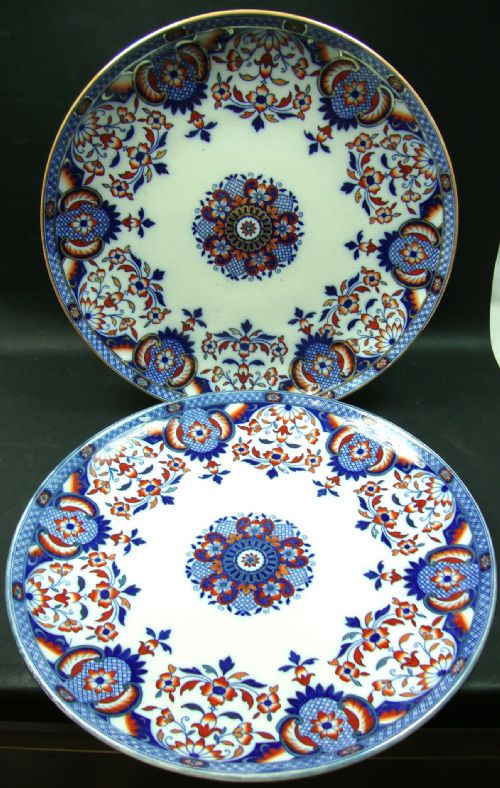
You are most likely to meet circular Imari and Arita porcelain chargers, hand-carved wooden panels depicting figures like Daruma, large silk textile works, and wall cabinets originating from Japan or influenced by British Chinoiserie taste.
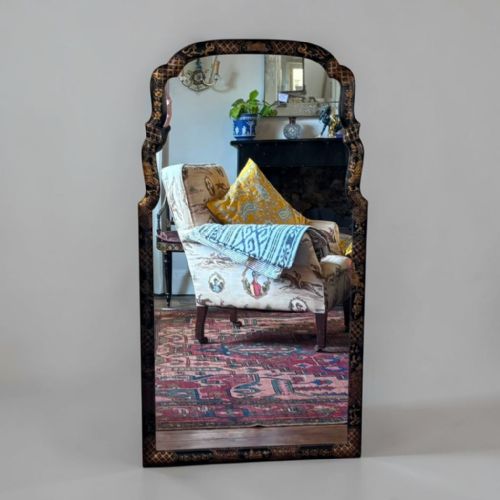
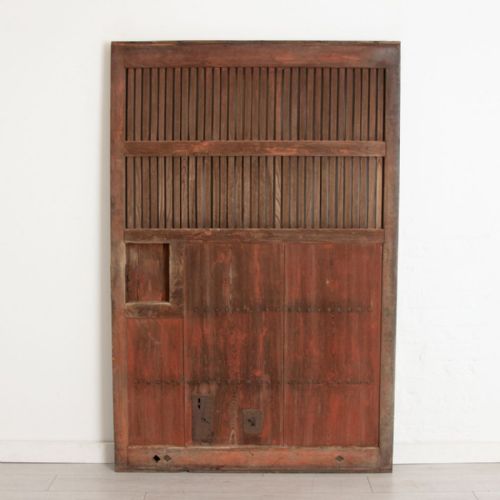
Forms range from textile wall art and scroll paintings depicting seasonal motifs to heavy storehouse doors and decorative mirrors framed with Asian-style ornamentation.
Materials and construction methods
The material palette relies heavily on carved wood, hand-painted porcelain with intricate blue and white or polychrome glaze, and woven silk fabrics. Gold leaf and enamel details frequently enhance ceramics and lacquer surfaces.
Woodworking techniques encompass hand-carving and joinery seen in wall cabinets, plaques, and architectural elements like storehouse doors. Textile pieces employ fine silk stitching to render subjects such as geese in flight or traditional garments.
Among the avian subjects preserved in silk, a lone goose in flight maintains a remarkably aerodynamic posture across the decades.
Measures of quality and execution
Quality rests upon the precision of the hand-carving in wood or the clarity and complexity of the hand-painted glaze on porcelain chargers. Finer examples display meticulous brushwork within scrolling foliate borders and balanced compositions.
The preservation of delicate materials, particularly silk textiles and painted paper scrolls, distinguishes superior survivals from heavily worn items.
The Japanese Wall Hanging Glossary
- Imari
- A style of Japanese porcelain featuring underglaze blue and overglaze red, gold, and other colours. It originated in the town of Arita and became widely exported.
- Meiji Period
- The era in Japanese history lasting from 1868 to 1912, characterised by the modernization of the country and a surge in decorative arts exported to the West.
- Chinoiserie
- A European artistic style reflecting Chinese and broader East Asian artistic influences, prominent in British decorative arts and furniture during various periods.
Japanese Wall Hanging: Frequently Asked Questions
How do I hang a heavy ceramic charger safely?
Ceramic and porcelain chargers require specialised spring-loaded wire hangers or custom display brackets that distribute the weight evenly across the rim. Ensure the wall fixing is secured directly into a stud or uses heavy-duty wall anchors appropriate for the weight.
Avoid hanging large porcelain pieces in high-traffic corridors where accidental impacts might dislodge them from the display hardware.
Are silk wall hangings sensitive to sunlight?
Silk textiles and painted scroll paintings suffer fading and fibre degradation when exposed to direct, sustained sunlight. Position these fragile pieces on interior walls away from south-facing windows to preserve the integrity of the dyes and fabrics.
Using museum-grade UV-filtering glass or acrylic for framed textile pieces offers an additional layer of protection against environmental light damage.
How can I tell an Edo period piece from a Meiji period piece?
Edo period items often reflect traditional domestic isolation and classical Japanese aesthetics, while Meiji period pieces frequently incorporate Western technical influences and stylistic adjustments tailored for export markets.
Examining the underlying materials, export stamps, and specific decorative motifs helps establish the chronological placement within these historical eras.
How do I clean an antique carved wooden plaque?
Dust carved wooden plaques gently with a soft, dry artist's brush or a microfiber cloth to lift debris from deep recesses without abrading the surface. Avoid using liquid cleaners, commercial wood polishes, or water, which can damage aged finishes and dry timber.
Professional conservators should handle any deep cleaning or restoration required for valuable antique wood and lacquer.