


Meiji Period Lacquer
When you explore meiji period lacquer, you encounter intricate cabinets, delicate boxes, and screens showcasing the height of Japanese craftsmanship.
Meiji Period Lacquer
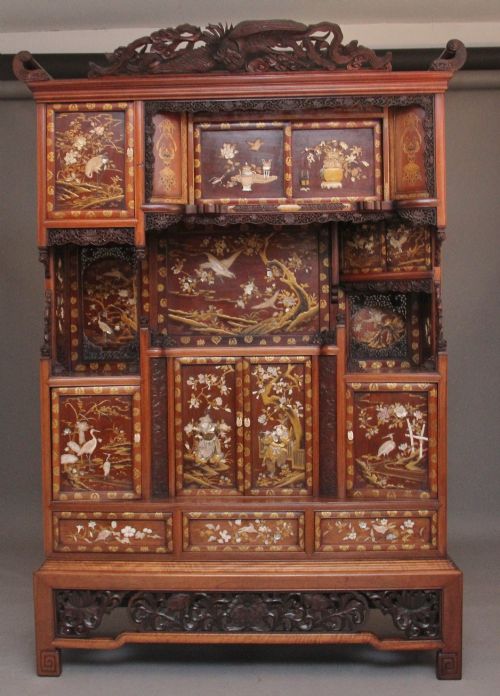
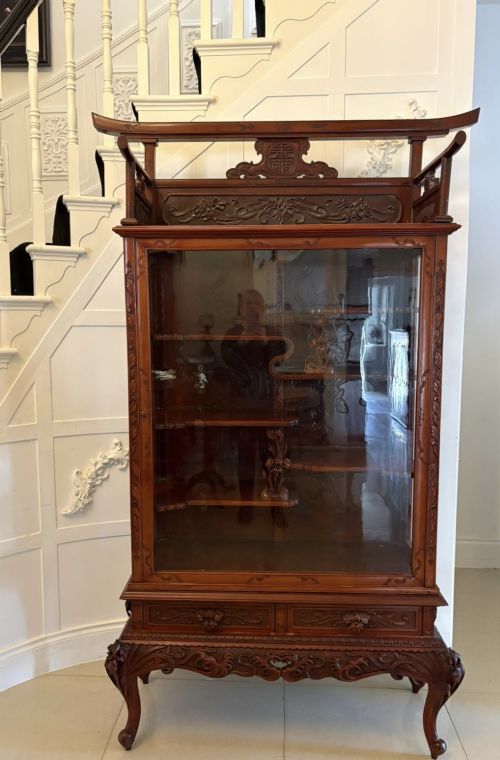
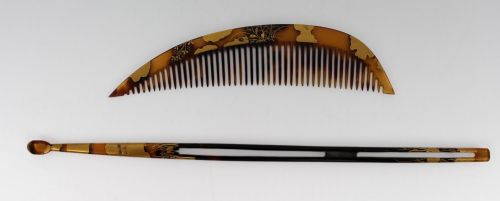
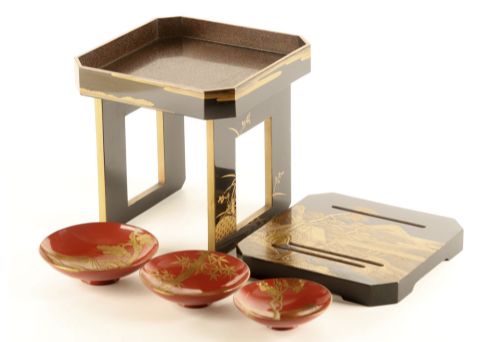
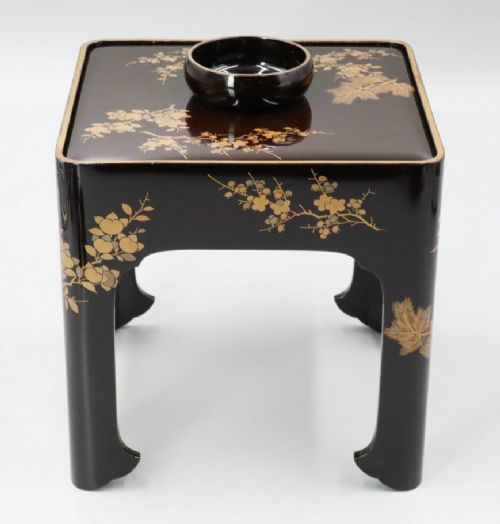
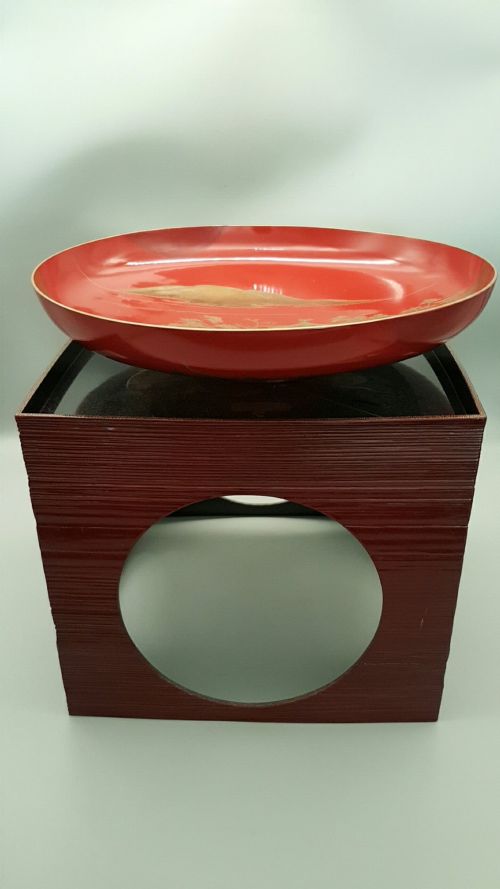
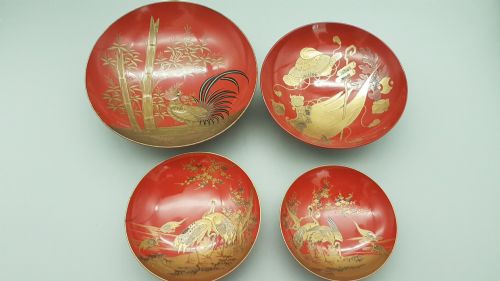
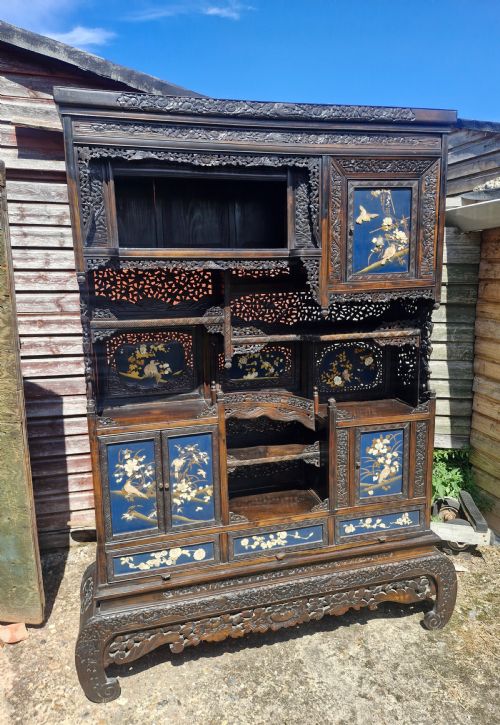
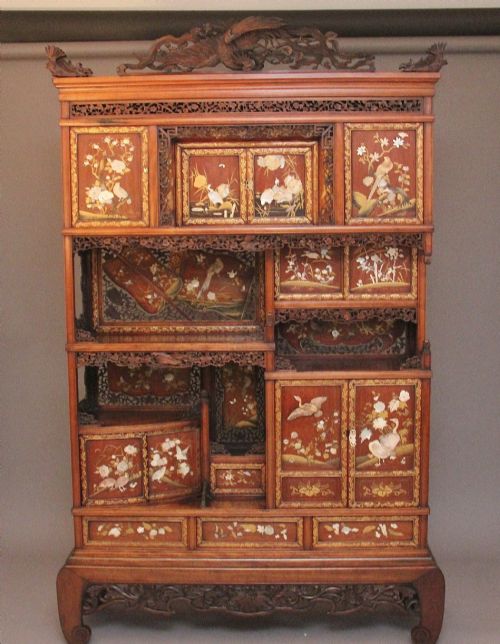
Meiji period lacquer encompasses a rich variety of decorative objects, from elaborate shodana display cabinets to small kodansu jewellery boxes and sake cup sets.
Buyers frequently encounter table cabinets and portable writing boxes dating across the late nineteenth and early twentieth centuries.
These pieces reflect both traditional domestic use and items created for export during the Meiji era.
How They Were Made
Makers applied successive layers of natural lacquer onto wooden or hardbases, often embellishing the surface with gold leaf, bone, and mother of pearl inlay.
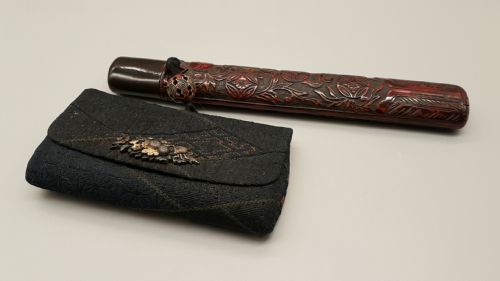
Techniques such as carved black lacquer and surface painting created contrasting textures and motifs depicting landscapes, birds, and figures.
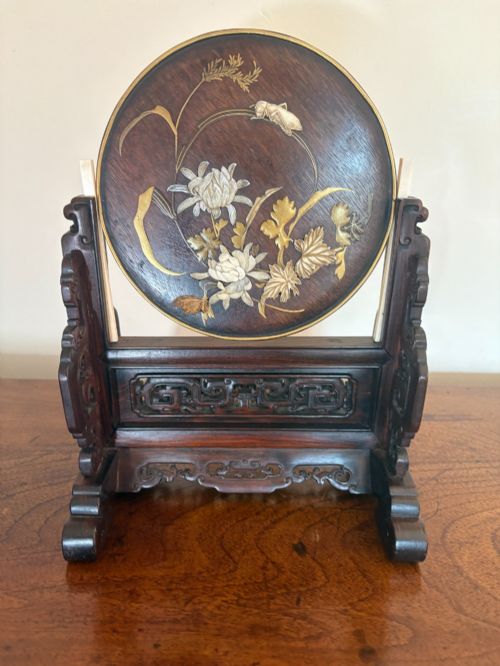
Intricate detailing often involved specialised inlay work like Shibayama, combining organic materials directly into the lacquered ground.
Listings feature diverse forms including folding screens, porcelain vases with lacquer overpaint, and complete sake sets alongside traditional wooden cabinets.
What Varies in Quality
The standard of a piece rests on the depth of the lacquer layers and the precision of the decorative inlay.
Superior examples display balanced composition and finely executed gold work that remains crisp across complex cabinet doors and panels.
Haruyama Shunzan·Iida Takashimaya Company·Shinzan
The Meiji Period Lacquer Glossary
- Shodana
- A small decorative display cabinet featuring multiple shelves and doors, commonly used for ornaments. These cabinets often showcase detailed lacquer work and inlaid panels.
- Kodansu
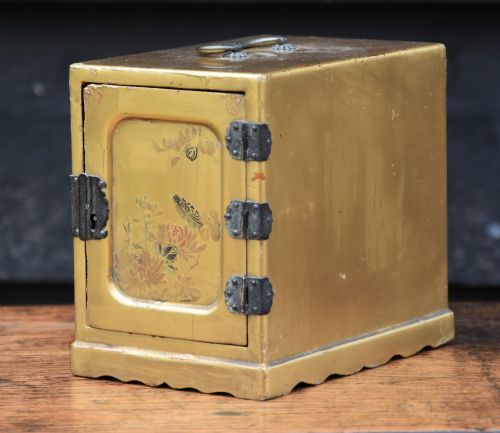
- A small portable storage or jewellery box with internal drawers. They frequently display fine gold lacquer and miniature decorative hardware.
- Shibayama
- A technique of inlaying precious materials such as ivory, bone, and mother of pearl into a lacquered surface. This method creates raised pictorial scenes of flora and fauna.
- Inro
- A traditional small multi-tiered container suspended from a sash, used for carrying personal items. They are often intricately decorated with carved or gold lacquered designs.
- Tsuikoku
- A form of carved black lacquer where layers are built up to a sufficient thickness to allow deep cutting of figures and landscapes.
Meiji Period Lacquer: Frequently Asked Questions
What is a shodana cabinet?
A shodana is a tabletop or freestanding display cabinet featuring asymmetrical shelving, drawers, and small doors. They were utilised to display small art objects and curios.
These cabinets often exhibit complex lacquer techniques combined with inlaid panels of bone and mother of pearl, making them central focal points of Meiji interior decoration.
How were lacquer boxes used?
Lacquer boxes served various practical and decorative functions in Japanese households, from holding writing implements to storing documents and personal trinkets.
Portable examples like the kodansu and writing boxes kept valuable items secure while adding artistic refinement to daily routines through their gold leaf and painted motifs.
What is Shibayama inlay?
Shibayama is a decorative method where thin pieces of materials such as shell, bone, and ivory are embedded into a lacquer or wood ground. This creates a raised, multicoloured relief effect.
Collectors often find this technique on panels, plaques, and cabinet doors, depicting detailed scenes of birds, flowers, and historical figures.
How do I care for lacquerware?
Lacquerware requires stable indoor humidity and protection from direct sunlight to prevent the wooden base from moving and the surface from cracking. Gentle dusting with a soft cloth is sufficient for routine maintenance.
Avoid placing these items near heat sources or using chemical polishes, as historical lacquer surfaces are sensitive to modern cleaning agents.