




Lacquer Wall Plaques
These lacquer wall plaques bring rich oriental and Victorian surface depth to a room through centuries of skilled handwork.
Lacquer Wall Plaques
Lacquer wall plaques gather various hanging decorative works from Chinese Qing Dynasty, Japanese Meiji, and Victorian periods. Buyers will find rectangular panels, roundels, and framed pictures alongside carved temple panels and porcelain chargers.
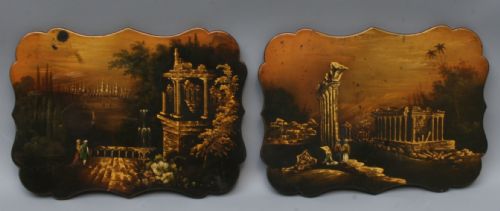
The objects span origins from 1750 through the early twentieth century, showing both traditional Asian handcrafts and European papier mache interpretations. These pieces function primarily as striking wall art and decorative focal points in domestic interiors.
Materials and construction
Maker workshops built these plaques upon hardwood, softwood, and papier mache bases before applying layers of lacquer and paint. Many examples integrate gold leaf, cinnabar lacquer, and detailed stone or porcelain elements.
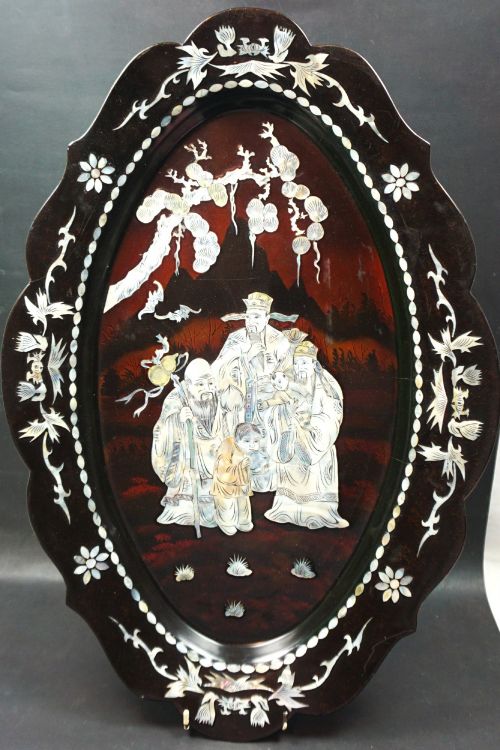
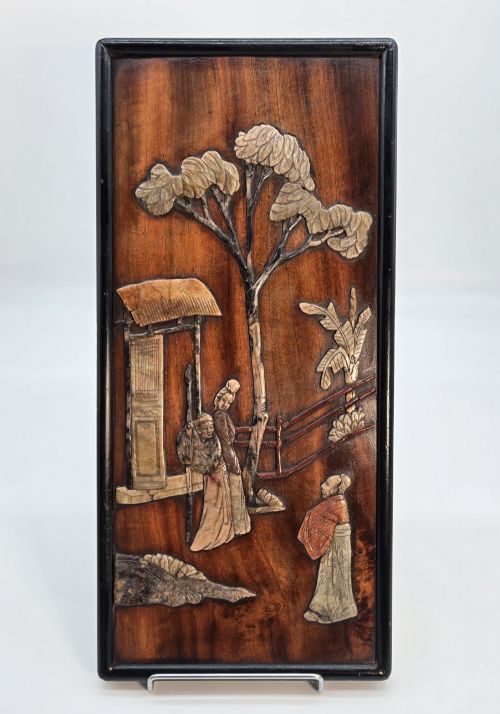
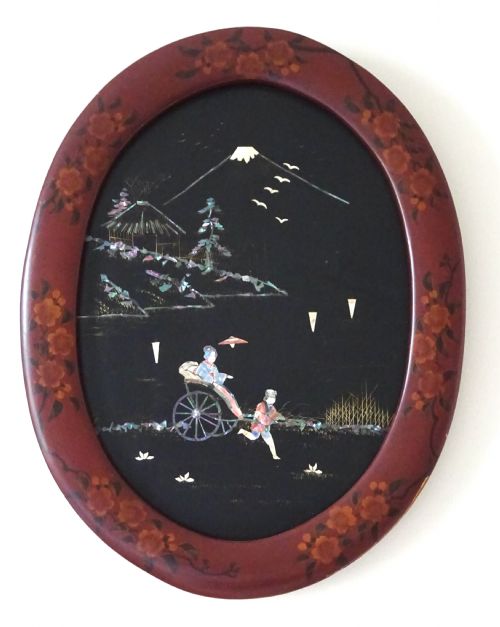
Inlay work forms a central technique, utilising mother of pearl, abalone, and bone to render birds, foliage, and figurative scenes. Wood carving and hand painting complete the decorative surfaces across both Chinese and Japanese items.
Several plaques stubbornly refuse to decide if they are trays or wall art, having spent lifetimes as both.
Judging quality and execution
Quality rests upon the precision of the carving and the intricacy of the inlay work. Fine examples display tightly fitted mother of pearl and abalone without gaps, alongside deeply carved timber panels that retain sharp detail.
The depth of the lacquer finish and the preservation of original gold leaf or painted surfaces determine the standing of a piece. Stronger works combine complex pictorial depth with stable framing and intact structural integrity.
The Lacquer Wall Plaques Glossary
- Lacquer
- A durable resin finish applied in multiple layers to a wooden or papier mache substrate, providing a smooth glossy surface. It forms the protective and decorative base for intricate inlays.
- Mother of pearl
- The iridescent inner layer of mollusc shells, cut and shaped into thin pieces for inlay work. Artisans set these segments into lacquer to depict birds, branches, and foliage.
- Cinnabar lacquer
- A heavy red lacquer build-up carved deeply while semi-soft to reveal intricate low-relief patterns. This technique appears on specialised decorative plaques and chargers.
- Roundel
- A circular decorative panel or plaque designed for wall hanging. These items often feature Japanese lacquer work or painted motifs.
- Totai
- A cloisonne technique where enamel or lacquer fills wire cells on a porcelain or pottery body. It produces a rich textured surface on decorative chargers.
Lacquer Wall Plaques: Frequently Asked Questions
How do I hang heavy lacquer plaques safely?
Most antique panels and framed pictures require robust picture wire or mirror plates screwed securely into the wooden backing frames. Ensure fixings engage directly with wall studs or appropriate cavity anchors.
Weight varies considerably between solid carved wood panels and lighter papier mache or framed pieces, so check the specific mounting requirements before installation.
Where should I place lacquer wall plaques at home?
These decorative plaques suit principal reception rooms, hallways, and studies where ambient light highlights the mother of pearl and gold leaf details. Hang them at eye level to appreciate the fine surface carving.
Keep pieces away from direct sunlight and strong heat sources to prevent the lacquer finish and inlaid shells from drying out or cracking over time.
How do I clean antique lacquer surfaces?
Dust the panels gently using a soft, dry microfibre cloth or a clean feather duster. Avoid commercial polishes, chemical sprays, and excessive water.
If deeper cleaning is necessary, consult a professional conservator to prevent damage to delicate painted details, gold leaf, and shell inlays.
How do I tell Chinese and Japanese plaques apart?
Chinese pieces often feature deep wooden carving, Qing Dynasty motifs, and rich stone or shell inlay depicting formal garden scenes and symbolic birds. Japanese works frequently reflect Meiji or Showa period aesthetics, utilising delicate roundels, cinnabar, and specific subjects like Daruma.
European Victorian interpretations typically employ papier mache or toleware trays and panels adapted for domestic display.