


19th Century Wall Plaques
These 19th century wall plaques bring historical depth and intricate craftsmanship to a room.
19th Century Wall Plaques
When you search for 19th century wall plaques, you encounter a diverse array of decorative items intended for interior display, spanning materials from carved wood to cast metal. These pieces reflect the eclectic tastes of the Victorian era, alongside imports from Meiji period Japan and continental Europe.
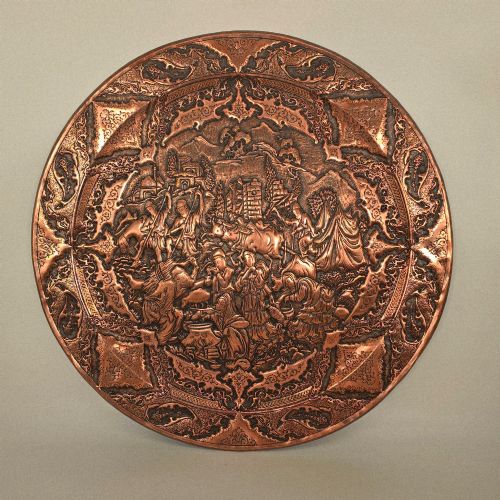
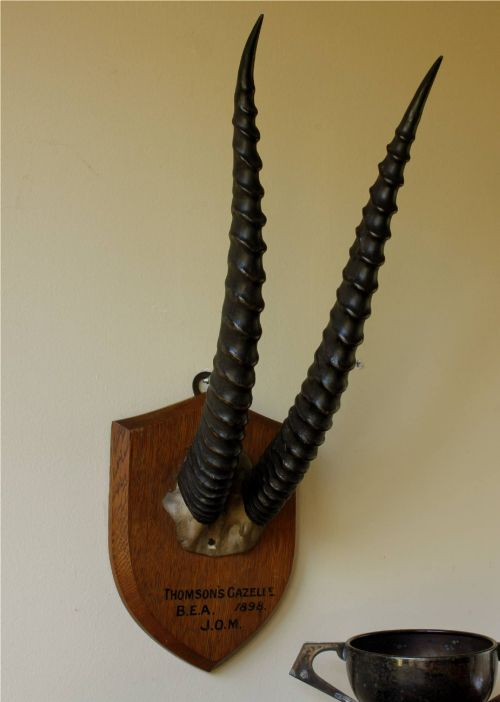
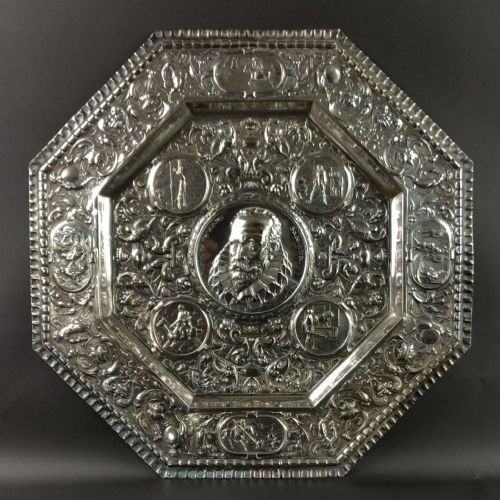
The most common examples on this page include repoussé brass chargers, hand-painted porcelain portraits, and carved wooden hunting trophies from the Black Forest style. Such items served as focal points in period interiors, bridging decorative arts and domestic display.
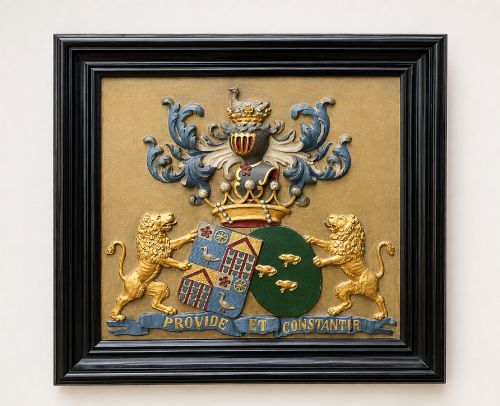
Origins range widely, encompassing English pottery, French bronze work, Italian pietra dura panels, and Dutch heraldic plaques. This geographical spread provides collectors with varied interpretations of nineteenth-century aesthetics.
How they were made
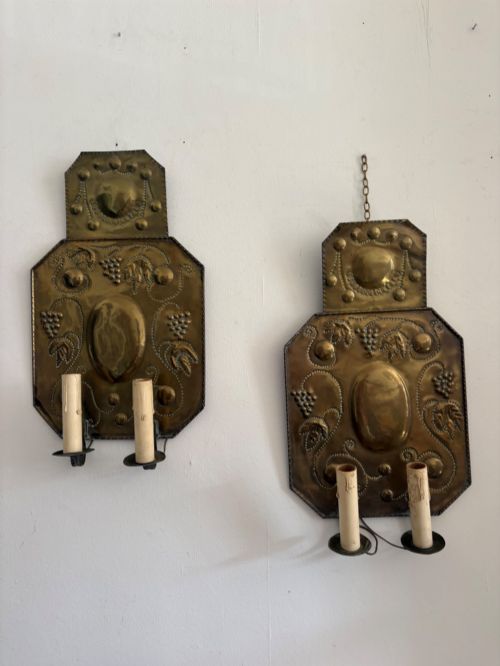
Makers utilised traditional metalworking techniques such as repoussé and chasing to shape sheet brass and copper into relief scenes, often mounting them on wooden boards or incorporating them into wall sconces. Enamel and gold leaf frequently added colour and contrast to these metallic surfaces.
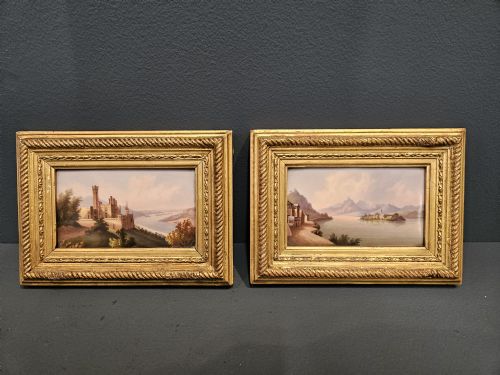
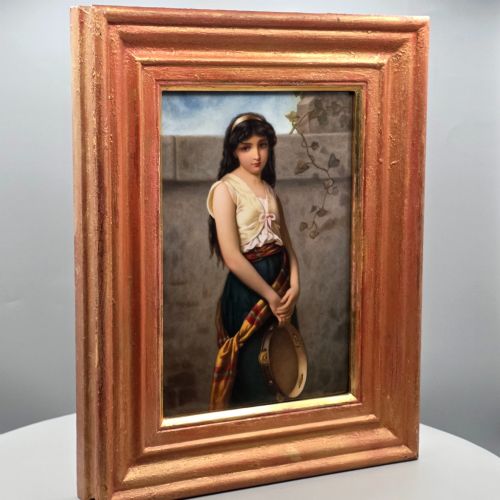
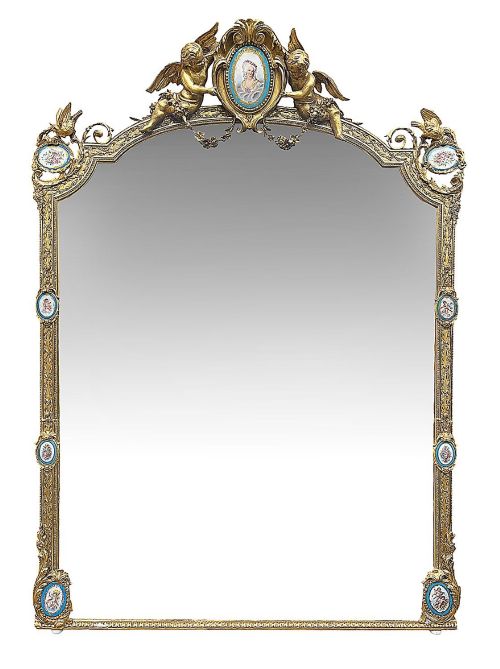
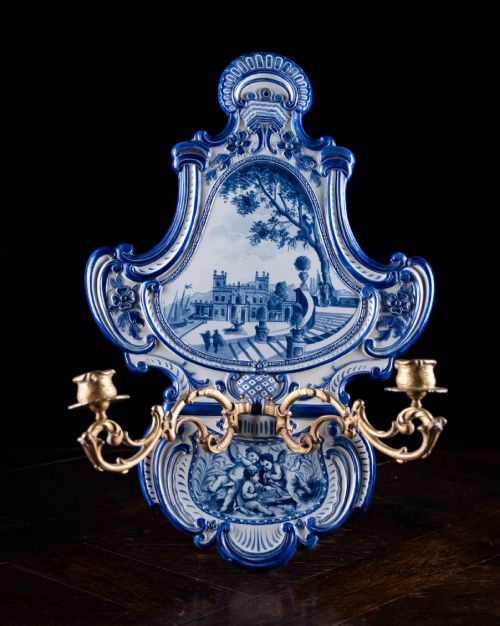
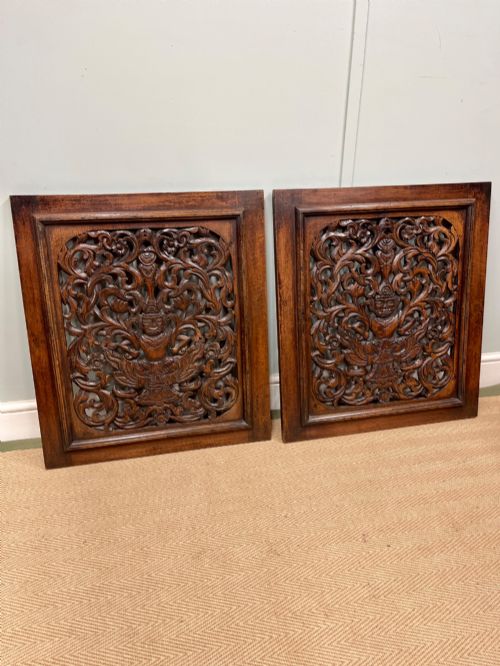
Ceramic examples combine porcelain or earthenware bodies with hand-painted mineral pigments, occasionally finished with ormolu mounts or ebonised frames. Carved wooden pieces rely on skilled hand-chiselling in dense media like fruitwood, oak, and walnut to achieve high-relief theatrical depth.
Styles represented include Neoclassical restraint, ornate Rococo Revival, Black Forest carving, and the intricate craftsmanship of the Japanese Meiji period.
What varies in quality
The distinction between standard domestic pieces and exhibition quality works lies in the depth of the modelling and the precision of the hand-finishing. Finely chased metalwork, sharp detail in carved ivory or fruitwood, and master-painted porcelain after Renaissance sources separate superior examples from routine production.
Material integrity and the preservation of original patination significantly influence the standing of a plaque. Retaining original mounting hardware, unpolished bronze surfaces, and intact enamel without restoration indicate a higher grade of survival.
Van Rijckevorsel & Verheijen·Villeroy & Boch·Clement Messier·William Yale·Mainfroy
The 19th Century Wall Plaques Glossary
- Repoussé
- A metalworking technique where a sheet of metal is hammered from the reverse side to create a raised design in relief on the front. This method was widely used for brass and copper wall chargers.
- Pietra dura
- An artistic technique using cut and fitted polished coloured stones to create geometric or figurative imagery. Italian panels frequently employed this laborious method for tabletop inserts and wall art.
- Micromosaic
- Composed of tiny glass tesserae assembled to form detailed pictorial scenes, often mounted within protective frames. These minute works required immense patience and optical precision.
- Ormolu
- Gilded bronze fittings or mounts applied to ceramics, wood, and glass objects. The technique involved mercury amalgamation to bond gold to a bronze base.
- Toleware
- Painted and japanned sheet metal items produced for domestic decoration. This technique yielded durable surfaces decorated with narrative or floral motifs.
19th Century Wall Plaques: Frequently Asked Questions
How were wall plaques displayed originally?
Nineteenth-century interiors typically featured these plaques hung directly on wallpapered drawing room walls, often arranged in symmetrical groupings alongside framed paintings or taxidermy. Larger brass chargers and carved wooden trophies frequently occupied prominent positions above mantelpieces.
Heavier items utilised integrated iron hanging loops or bespoke wooden backings to distribute weight safely across lath and plaster walls.
Are these plaques suitable for modern walls?
These pieces adapt readily to contemporary interiors, adding texture and historical contrast to plain or neutral plaster surfaces. Secure wall fixings matched to the weight of the specific metal, ceramic, or wooden body are essential for safe hanging.
Positioning them away from direct sunlight protects hand-painted porcelain pigments and vulnerable organic materials such as ivory or paper elements.
How do I identify Japanese pieces from this era?
Meiji period items often display distinct cloisonné enamel work utilising thin copper wire outlines filled with coloured vitreous pastes, depicting natural subjects like koi or dragons. Other imports include Imari porcelain plates characterised by rich iron-red, cobalt blue, and gilt palettes.
Signatures or artist ciphers frequently appear on the base or reverse of these metal and ceramic works.
What does Grand Tour mean in this context?
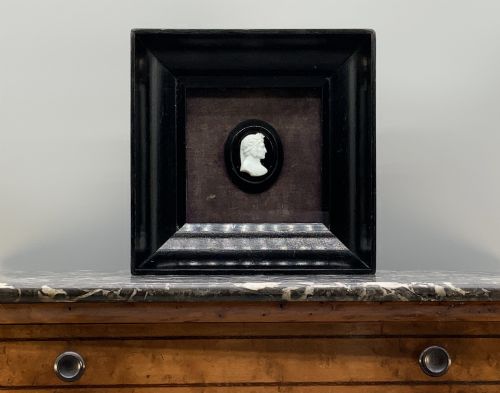
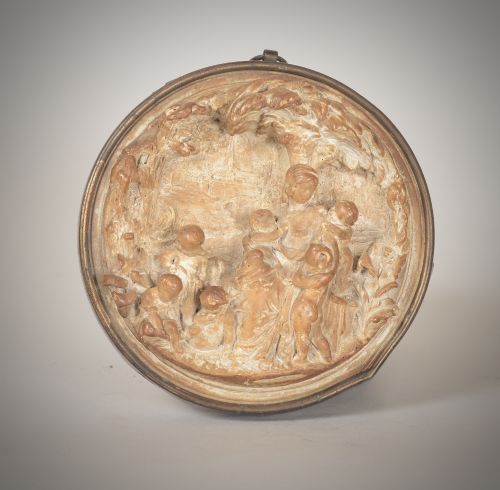
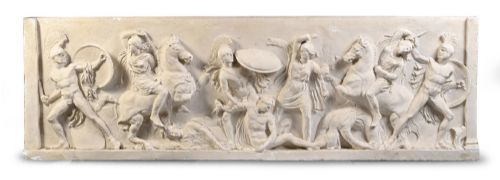
Grand Tour items are souvenirs acquired by wealthy Europeans travelling through cultural centres like Rome, Florence, and Paris during the nineteenth century. These pieces include plaster reliefs, micromosaics, and carved ivory portraits depicting classical antiquity.
Collectors valued them as educational mementoes representing classical art history and personal travel.