





Vintage Japanese Art
Vintage japanese art gathers carved wooden bears, delicate woodblock prints and intricate cloisonné enamel vessels spanning multiple centuries of craftsmanship.
Vintage Japanese Art
Vintage japanese art encompasses a diverse range of historic objects originating from various periods, including the Edo, Meiji and Taisho eras. These pieces reflect distinct cultural practices, decorative traditions and utilitarian crafts developed across Japan over generations.
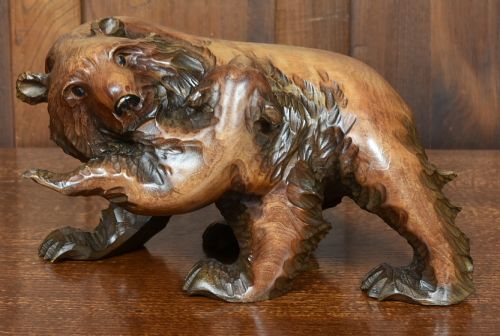
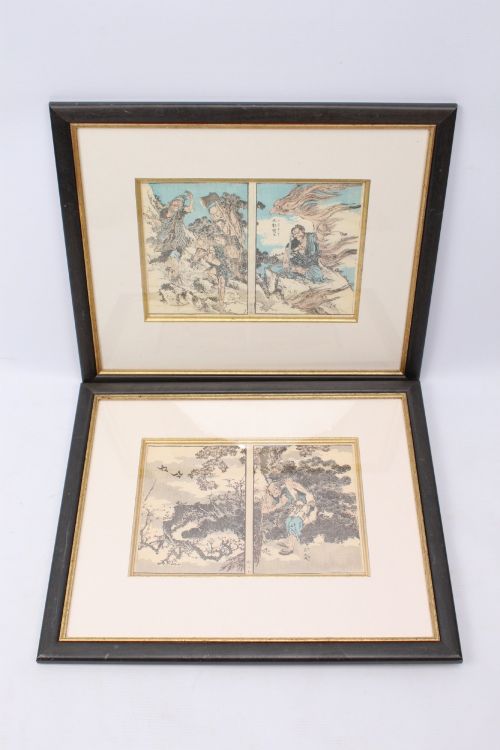
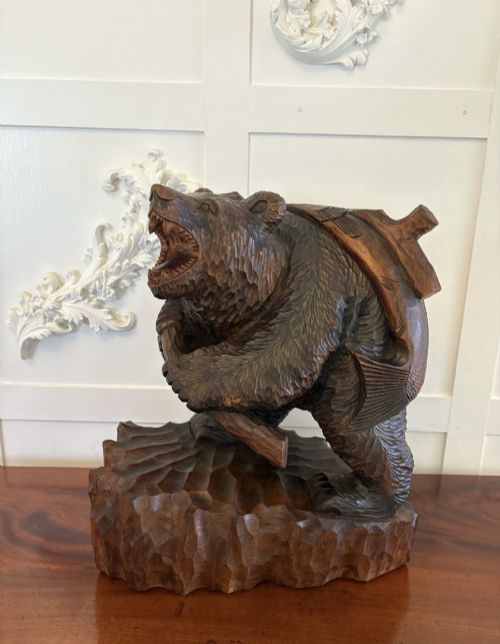
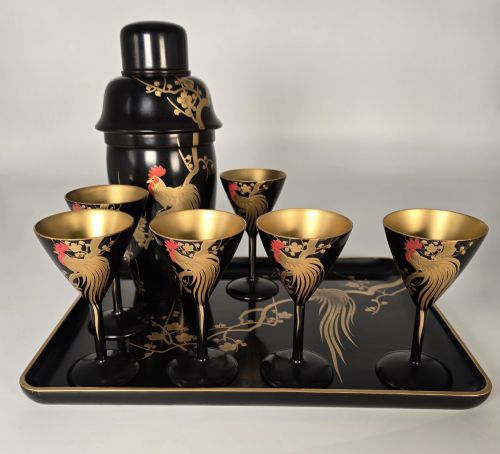
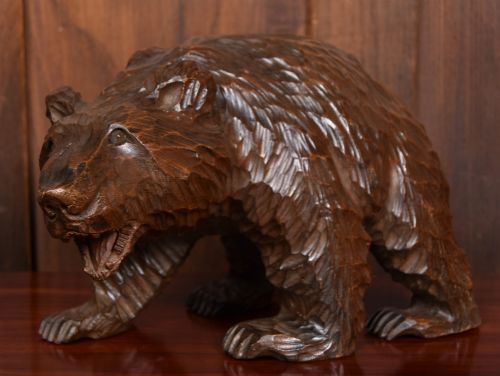
Buyers frequently encounter decorative items such as carved cedar and linden wood bear sculptures, often referred to as kibori kuma, alongside porcelain plates and hand-painted lacquerware. Print media also appears regularly, featuring woodblock prints by artists like Hokusai and Shiro Katamatsu.
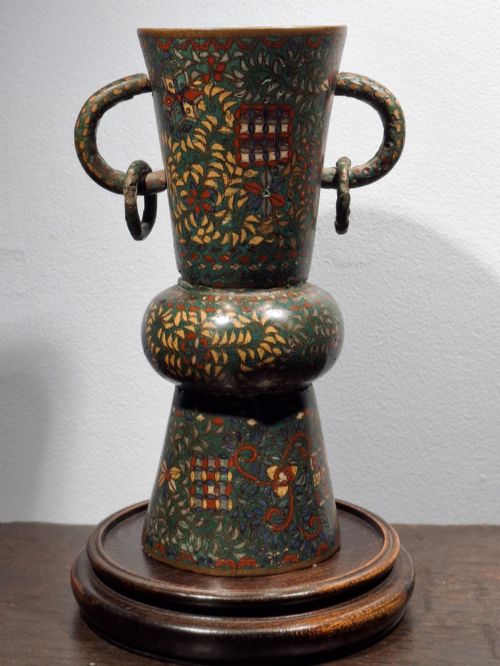
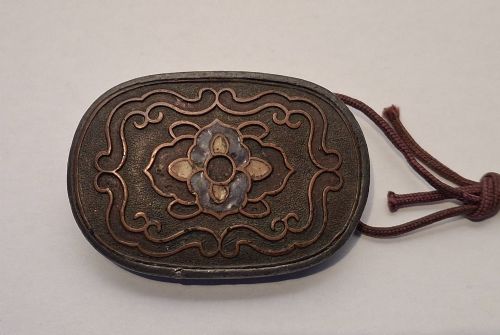
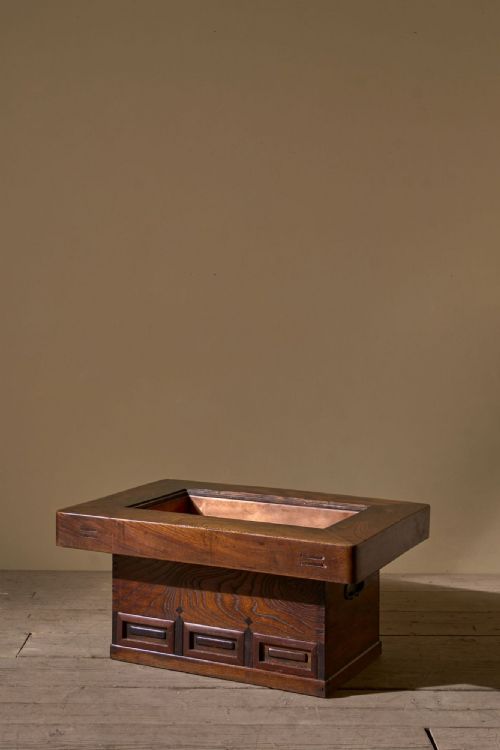
Smaller decorative objects including Netsuke, champlevé enamel pieces, and ritual vases demonstrate the intricate metalwork and miniature carving skills of Japanese makers. Larger furnishings such as hibachi tables and ikebana baskets provide functional examples of historic Japanese design.
Materials and Construction Techniques
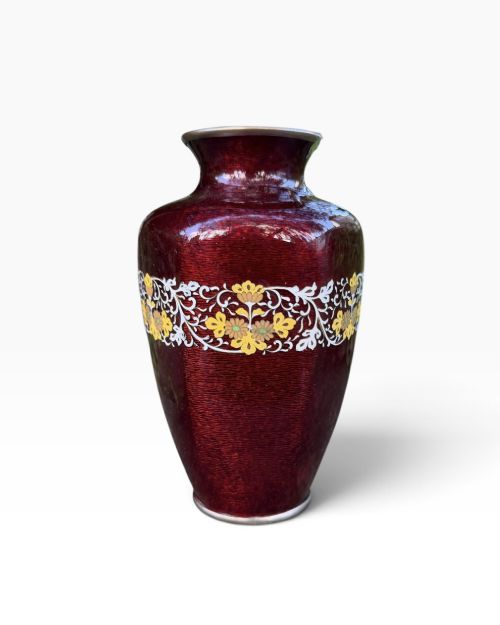
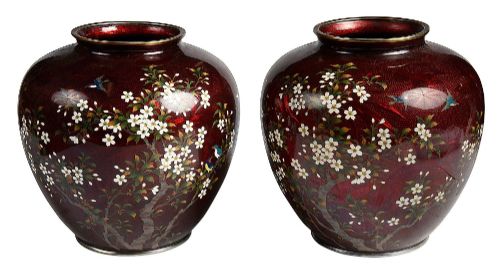
Makers utilised traditional materials such as wood, paper, copper, glass, porcelain and lacquer to create these objects. Carved wooden sculptures display detailed hand-tool work, whilst metal items incorporate cloisonné and champlevé enamel techniques with copper wire outlines.
Printmakers employed woodblock methods using coloured inks on paper, and metalworkers applied patinated iron finishes inlaid with gold and silver. Ceramic pieces utilise glazes such as blue flambé and porcelain bodies decorated in Imari and Kutani styles.
Vintage Japanese Art Retail Price Guide 2026
Typical asking prices for vintage japanese art among the pieces listed under this phrase on Sellingantiques today, from the lower quarter to the upper quarter. They describe what is for sale here now, not the wider market.
The listings span diverse periods including the Edo, Meiji, and Taisho eras, alongside Edwardian and mid-century interpretations.
Assessing Craftsmanship and Detail
The standard of execution separates masterworks from standard production pieces, visible in the precision of carved animal fur, the evenness of enamel cells and the clarity of woodblock ink impressions. Signatures from recognised artists or workshops add significant distinction to netsuke, prints and metal plaques.
The preservation of original surface finishes, such as intact lacquer, unblemished glazes, and original framing on prints, determines the integrity of each piece. Superior examples maintain their structural joinery in items like hibachi tables and retain crisp, unrubbed surface details across metal and wood.
Shiro Katamatsu·Warwick Goble·Hokusai
The Vintage Japanese Art Glossary
- Cloisonné
- An enamelwork technique where thin metal wires are soldered to a base to form compartments filled with paste and fired. This method creates intricate patterns of coloured glass across vases, jars and chargers.
- Kibori Kuma
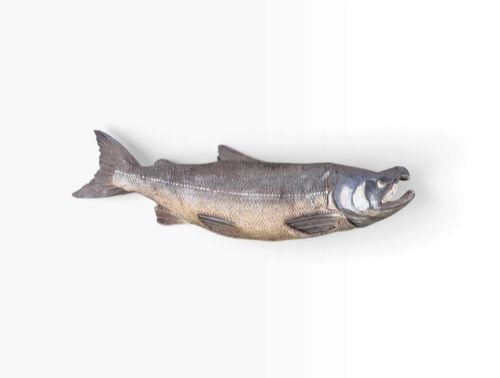
- A style of traditional Japanese wood-carved bear originating from Hokkaido, often depicted carrying a fish in its mouth. These folk art sculptures are typically carved from cedar, linden or pine.
- Imari
- A type of Japanese porcelain decorated in underglaze blue and overglaze iron red, gold, and black. This ceramic style gained popularity in the West during the Edo period.
- Hibachi
- A traditional Japanese heating device consisting of a round or square container designed to hold burning charcoal. These portable hearths are frequently made from wood and metal linings.
- Okimono
- A small decorative statue intended for display on a shelf or within a traditional Japanese home alcove. These figures represent animals, deities and historical figures carved from wood, ivory or porcelain.
Vintage Japanese Art: Frequently Asked Questions
What is kibori kuma?
Kibori kuma translates to carved wooden bear and represents a distinct genre of Japanese folk art. These sculptures were primarily produced in Hokkaido by regional carvers depicting bears with salmon.
Collectors prize these wooden figures for their rustic charm and varied expressions. They range from small tabletop ornaments to large architectural carvings.
What are woodblock prints?
Woodblock prints are created by carving an image onto a wooden block, applying ink or pigment, and pressing paper onto the surface. This technique allowed for the mass production of detailed artistic prints.
Traditional Japanese prints often depict landscapes, folklore tales, and portraits of actors. Collectors look for crisp lines and well-preserved colour pigmentation.
How were hibachi tables used?
Hibachi tables served as indoor heating appliances utilising burning charcoal placed within a fireproof central basin. They provided warmth to living spaces and functioned as a social gathering point in traditional homes.
Today, these wooden containers are repurposed as decorative accent tables or indoor planters. Their sturdy construction and metal linings make them versatile interior pieces.