





Gilded Satsuma Pottery
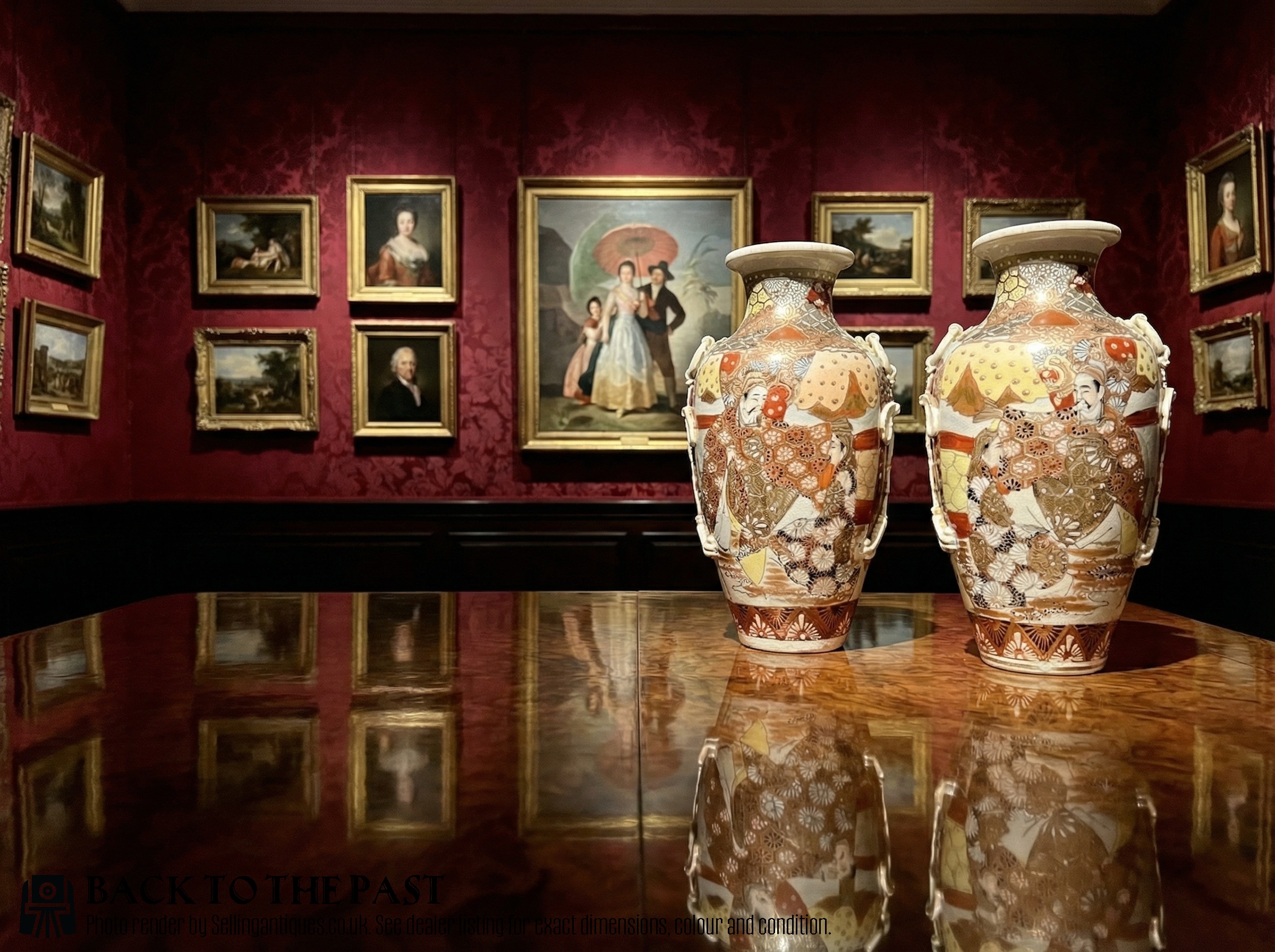
Gilded satsuma pottery brings together intricate earthenware forms and lavish gold ornamentation from the Meiji period and subsequent eras.
Gilded Satsuma Pottery
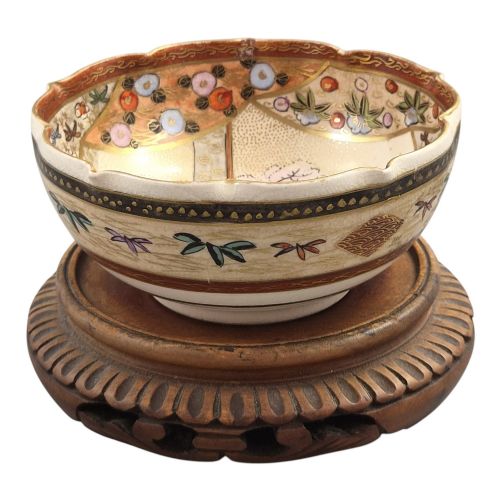
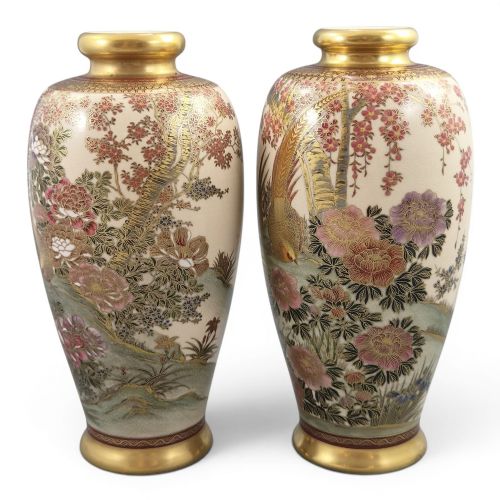
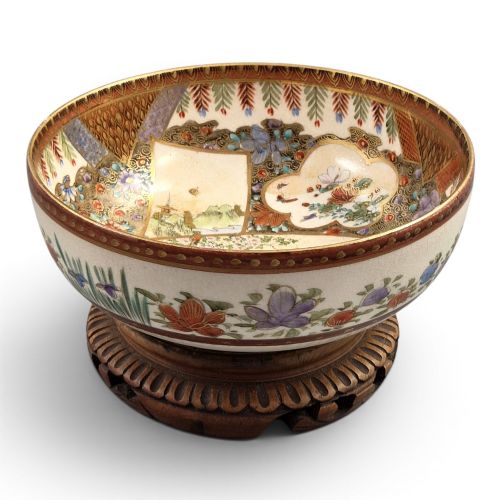
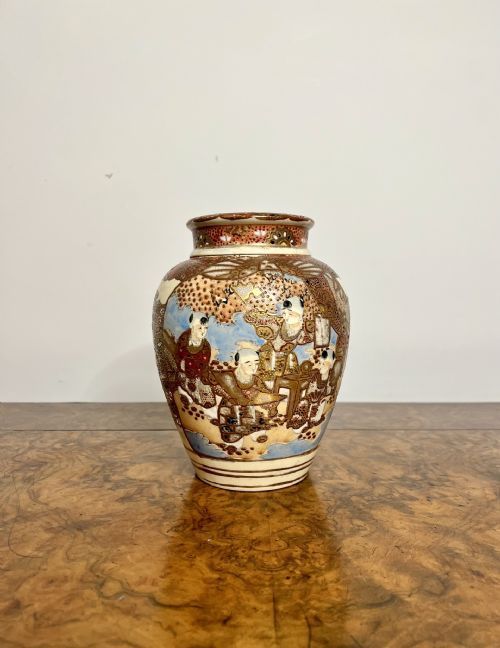
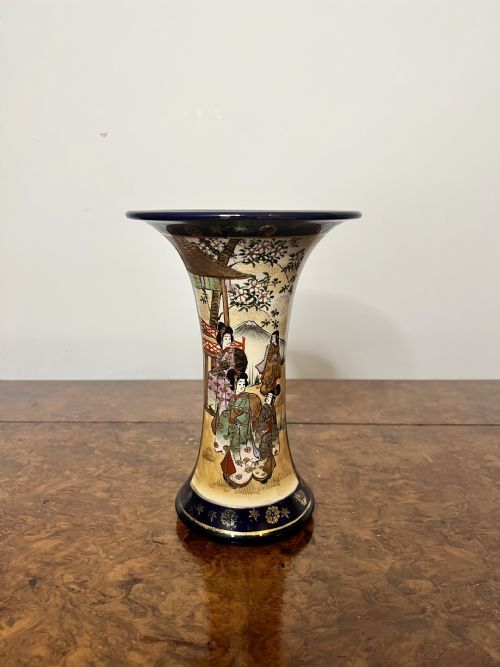
When you examine gilded satsuma pottery, you are looking at Japanese ceramic vessels and decorative objects created across the nineteenth and twentieth centuries. These pieces encompass vases, bowls, tea caddies, boxes, and table lamps that originate predominantly from Kyoto, Kobe, and other historical ceramic centres.
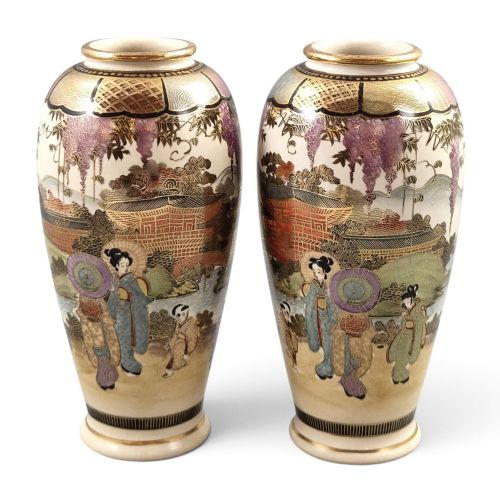
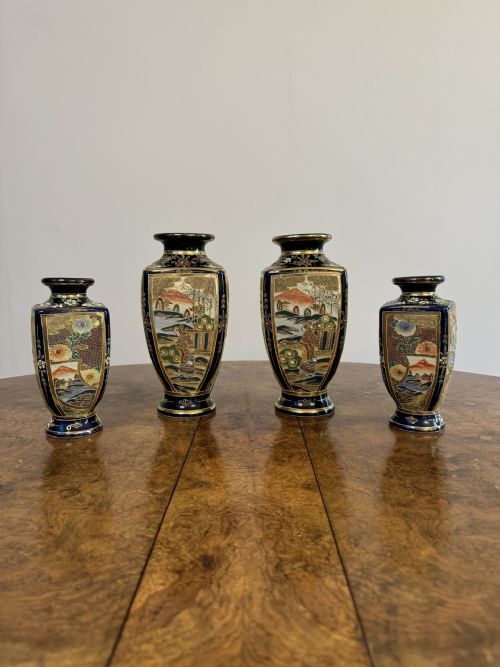
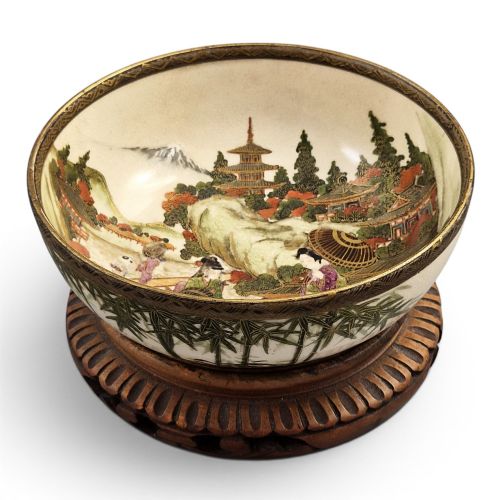
The objects most frequently met on this page date from the Meiji period, alongside later Showa and Edwardian examples. They present characteristic forms such as hexagonal vases, shallow dishes, and lidded ginger jars decorated with figures, landscapes, or floral motifs.
Collectors encounter works ranging from diminutive miniature vases to monumental pieces. Many items carry signatures from notable workshops or individual artists who produced wares for both domestic and international markets.
Materials and techniques
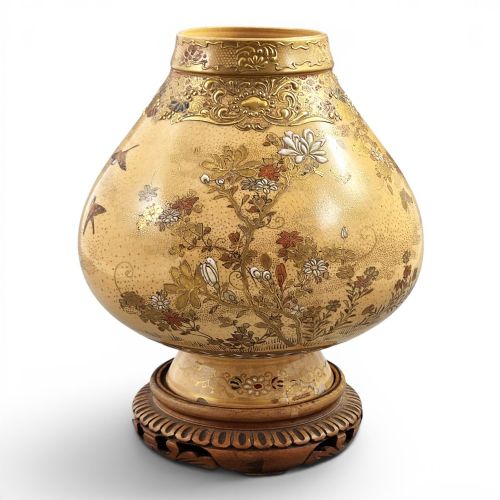
Makers formed these items using earthenware, applying a fine cream-coloured crackle glaze as the foundation for subsequent decoration. Artists then painted detailed scenes using polychrome enamel pigments combined extensively with gold leaf and gilt work.
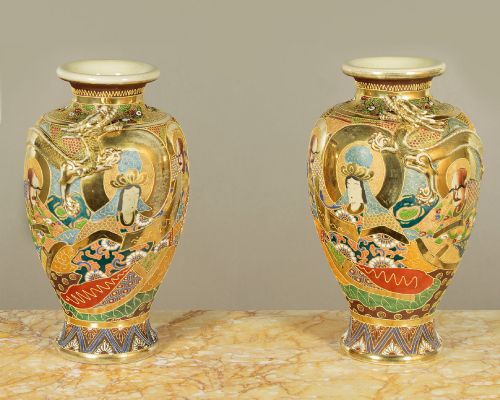
Certain vessels incorporate raised enamel details, known as moriage, which provide a textured surface beneath the gilding. Artisans utilised wood and fabric in supplementary components such as bases or lids, though the ceramic body and its metallic enrichment remain the primary focus of construction.
Gilded Satsuma Pottery Retail Price Guide 2026
Typical asking prices for gilded satsuma pottery among the pieces listed under this phrase on Sellingantiques today, from the lower quarter to the upper quarter. They describe what is for sale here now, not the wider market.
Listings span the nineteenth century through the 1930s, encompassing Meiji, Taisho, and Showa periods.
Variations in quality
The standard of a piece depends heavily on the precision of the brushwork and the density of the gilding. Finer examples display exceptionally detailed figures, such as arhats, court scenes, or thousand butterfly motifs, executed with rigorous control.
Workshop attribution also influences standing within the medium. Pieces bearing signatures from renowned houses like Kinkozan or specific artists demonstrate superior finesse in the ceramic potting and the application of gold leaf compared to standard commercial output.
Koshida·Shozan·Kizan·Kinkozan·Manpei·Kozan·Kinzan·Hotoda·Toshozan·Makuzu Kozan II·Ryuzan·Chosei·Shuzan·Tagawa
The Gilded Satsuma Pottery Glossary
- Satsuma
- A type of Japanese earthenware traditionally characterised by an ivory body and a fine transparent crackle glaze. This ceramic style evolved significantly during the Meiji period to suit Western export tastes.
- Moriage
- A technique of applying slip in raised dots or lines before glazing and firing, creating a tactile, textured effect on the ceramic surface. Artists often highlighted these raised areas with gold leaf.
- Koro
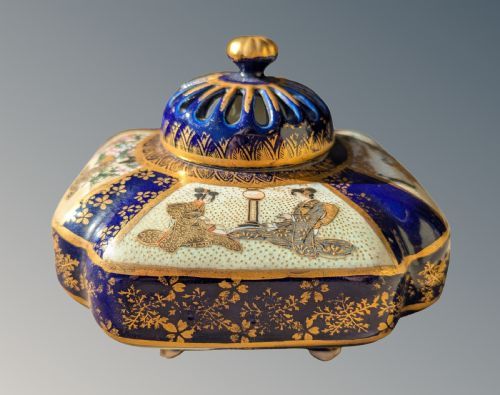
- A traditional Japanese incense burner, typically featuring a pierced cover and supported on small feet. These vessels appear frequently in fine earthenware and metalwork.
- Natsume
- A small Japanese tea caddy used in the chanoyu tea ceremony, usually shaped like a jujube fruit. Ceramic versions often feature delicate enamel and gilt decoration.
- Okimono
- A small decorative Japanese carving or ceramic sculpture designed for display in an alcove or on a shelf. These figures frequently depict deities, historical personages, or animals.
Gilded Satsuma Pottery: Frequently Asked Questions
What is satsuma pottery?
Satsuma pottery is a distinct type of Japanese earthenware identified by its pale, crackled glaze finish. It serves as a canvas for elaborate hand-painted enamel scenes and heavy gilding.
Originally produced in Kagoshima Prefecture, the style flourished in Kyoto and other regions during the Meiji period to satisfy international demand.
How do I identify Meiji period pieces?
Meiji period items generally exhibit dense, meticulous decoration, often featuring traditional Japanese motifs, court figures, or complex dragon designs. The application of gold leaf on these pieces tends to be exceptionally intricate.
Many of these items carry artist signatures or workshop marks from well-known Kyoto potteries on the base.
How should I clean gilded ceramics?
Gilded and enameled surfaces require gentle maintenance to preserve the fragile gold leaf and enamel pigments over time. Dusting with a soft, dry cloth is usually sufficient for routine care.
Water and chemical cleaning agents should be avoided entirely, as moisture can penetrate the crackled earthenware glaze and damage the decoration.
Were these items made for export?
A vast proportion of these elaborately decorated wares were produced specifically for export to Western markets during the late nineteenth and early twentieth centuries. Artisans adapted traditional Japanese subjects to appeal to European and American collectors.
This international trade led to the establishment of large-scale workshops in Kyoto producing grand garnitures, vases, and decorative bowls.