

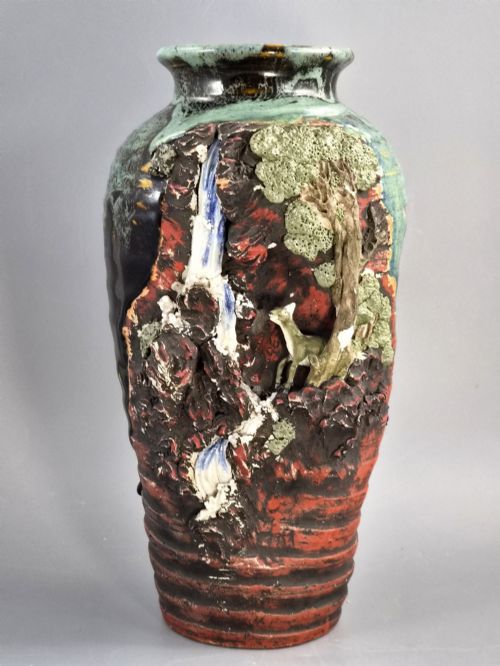
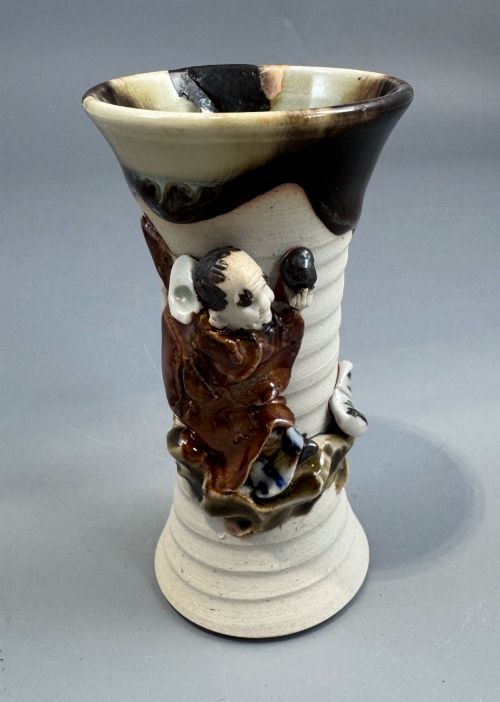


Taisho Period Vase
A taisho period vase brings Japanese artistry from the early twentieth century into a room through rich glazes, hand-painted details and distinctive sculptural forms.
Taisho Period Vase
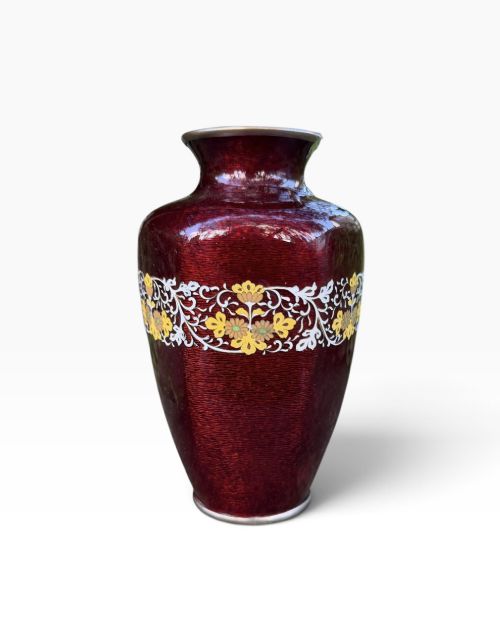
A taisho period vase reflects Japanese ceramic and metalwork traditions bridging the late Meiji and early Showa eras. When searching for a taisho period vase, collectors encounter diverse forms including earthenware pitchers, porcelain jars, bronze vessels, and decorative baskets.
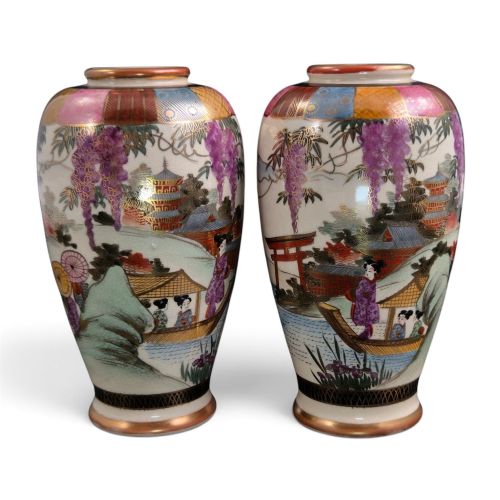
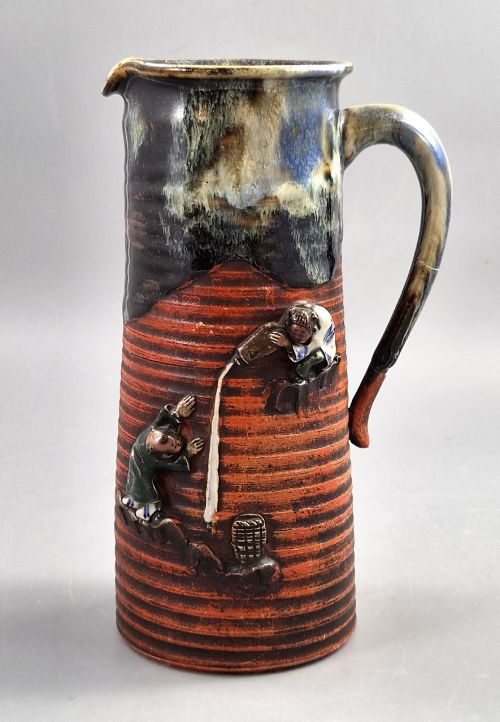
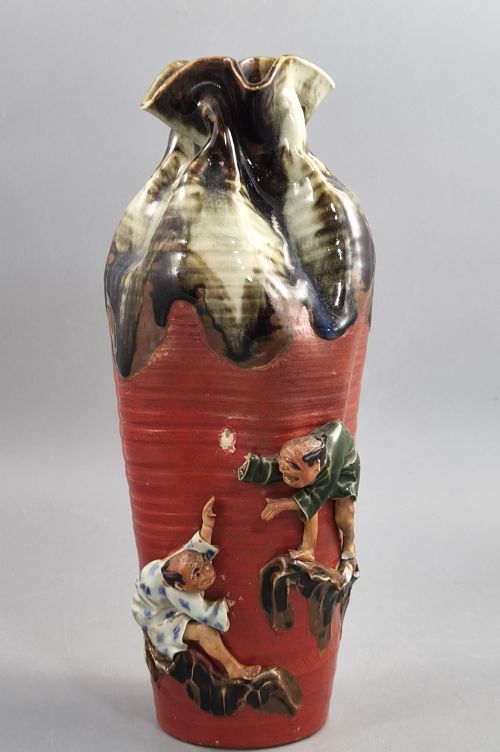
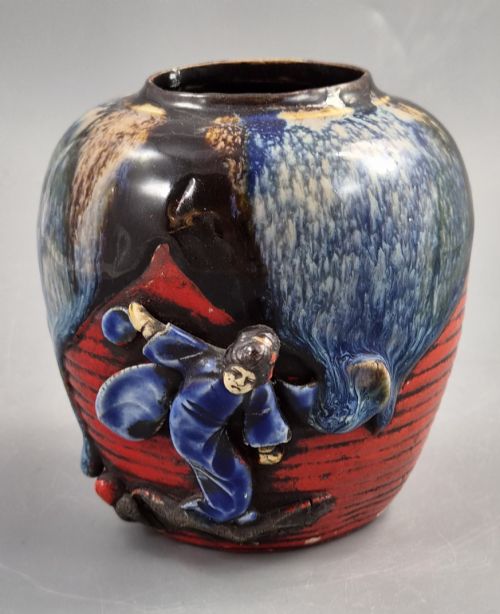
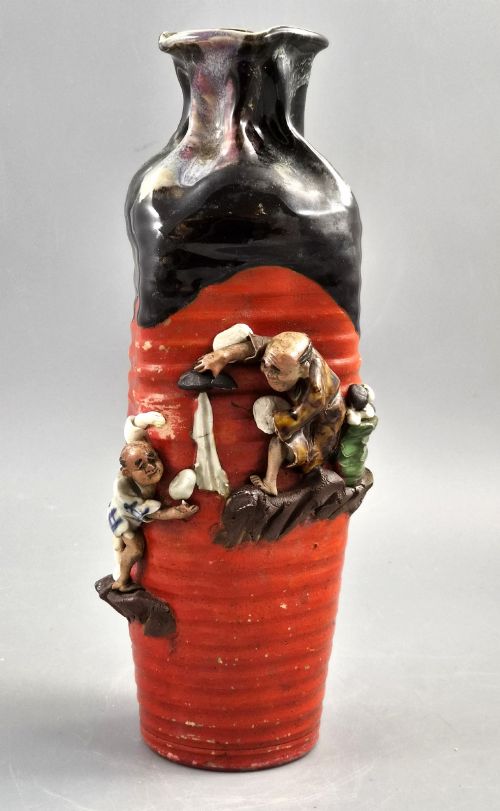
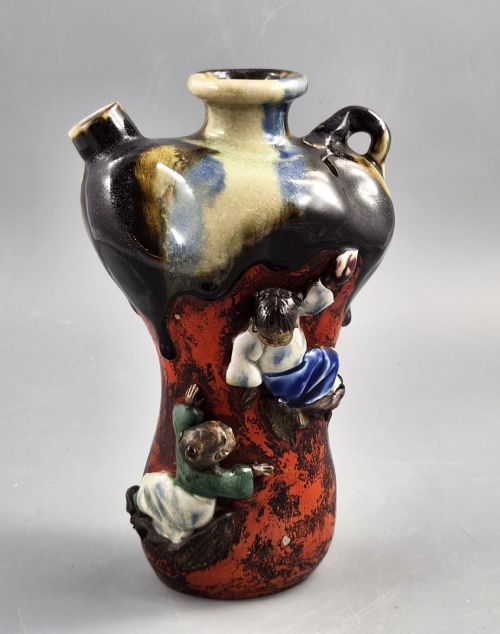
The pieces appearing most frequently on this page belong to the Sumida Gawa pottery tradition alongside Satsuma, Imari, and Kutani wares. These vessels range from domestic jars to tall sculptural pieces adorned with applied figures.
Makers utilised traditional techniques spanning multiple decades, resulting in pieces dated from nineteen hundred through the nineteen twenties. Buyers find both paired sets and individual statement items reflecting this specific transitional era.
Materials and construction methods
Craftsmen shaped these vessels using earthenware, stoneware, porcelain, terracotta, and bronze. Artisans applied rich glazes including flambe effects alongside enamel colours and gold leaf highlights.
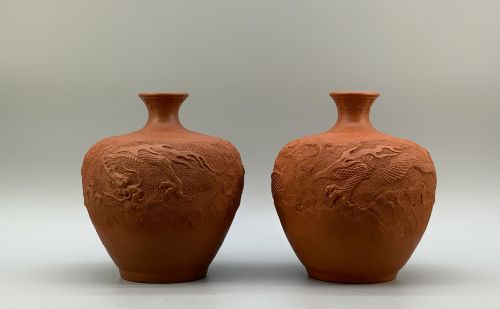
Potters built sculptural elements directly onto the clay bodies, adding figures, dragons, and landscapes by hand. Painters decorated porcelain and earthenware surfaces with detailed motifs before firing.
Listings feature earthenware, stoneware, porcelain, and bronze pieces spanning the nineteenth century through the nineteen thirties.
Judging quality and craftsmanship
Quality rests on the crispness of applied sculptural work and the depth of the glaze. Finer pieces display sharply defined figures and controlled flambe runs rather than flat or muddy surfaces.
Hand-painted precision distinguishes superior examples, particularly where gilding and enamel meet the ceramic body. Signed works and matched pairs maintain stronger distinction within the marketplace.
Inoue Ryosai·Makuzu Kozan·Noritake
The Taisho Period Vase Glossary
- Sumida Gawa
- A style of Japanese pottery known for thick, dripping flambe glazes and heavily textured, applied figures. These pieces originate from workshops near Tokyo.
- Satsuma
- An earthenware ceramic featuring a crackled ivory glaze decorated with intricate enamel patterns and gold leaf. Kyoto and other centres produced these for domestic and export markets.
- Imari
- A style of Japanese porcelain characterised by underglaze blue and contrasting iron red and gold overglaze designs. Plates, vases, and jars utilise this striking palette.
- Flambe
- A streaked or mottled glaze achieved by chemical reactions during high-temperature firing. The technique produces unpredictable, rich colour variations across the vessel body.
- Rakan
- Depictions of arhats, or enlightened followers of Buddha, frequently modelled in clay on Japanese pottery. These figures appear climbing across vases and jars.
- Ikebana
- The traditional Japanese art of flower arrangement, which inspired specific vessel shapes designed to hold stems securely. Baskets and vases serve this purpose.
Taisho Period Vase: Frequently Asked Questions
What is a taisho period vase?
A taisho period vase is a decorative vessel made in Japan during the reign of Emperor Taisho between nineteen twelve and nineteen twenty-five, though pieces often bridge adjacent decades.
These items encompass various ceramic and bronze traditions, capturing a distinct phase of artistic transition.
How do I identify Sumida Gawa pottery?
Sumida Gawa pottery is recognised by its rough, unglazed patches, dripping flambe glazes, and distinct sculpted figures applied directly to the exterior.
Many of these pieces feature pinched rims and textured landscapes depicting sages, animals, or local scenes.
Were these vases made for export?
Many Japanese ceramics from this era were created for international markets, combining traditional domestic aesthetics with styles popular overseas.
Export pieces often utilised familiar forms like baluster vases and jars while retaining characteristic Japanese motifs.
How should I display these vases at home?
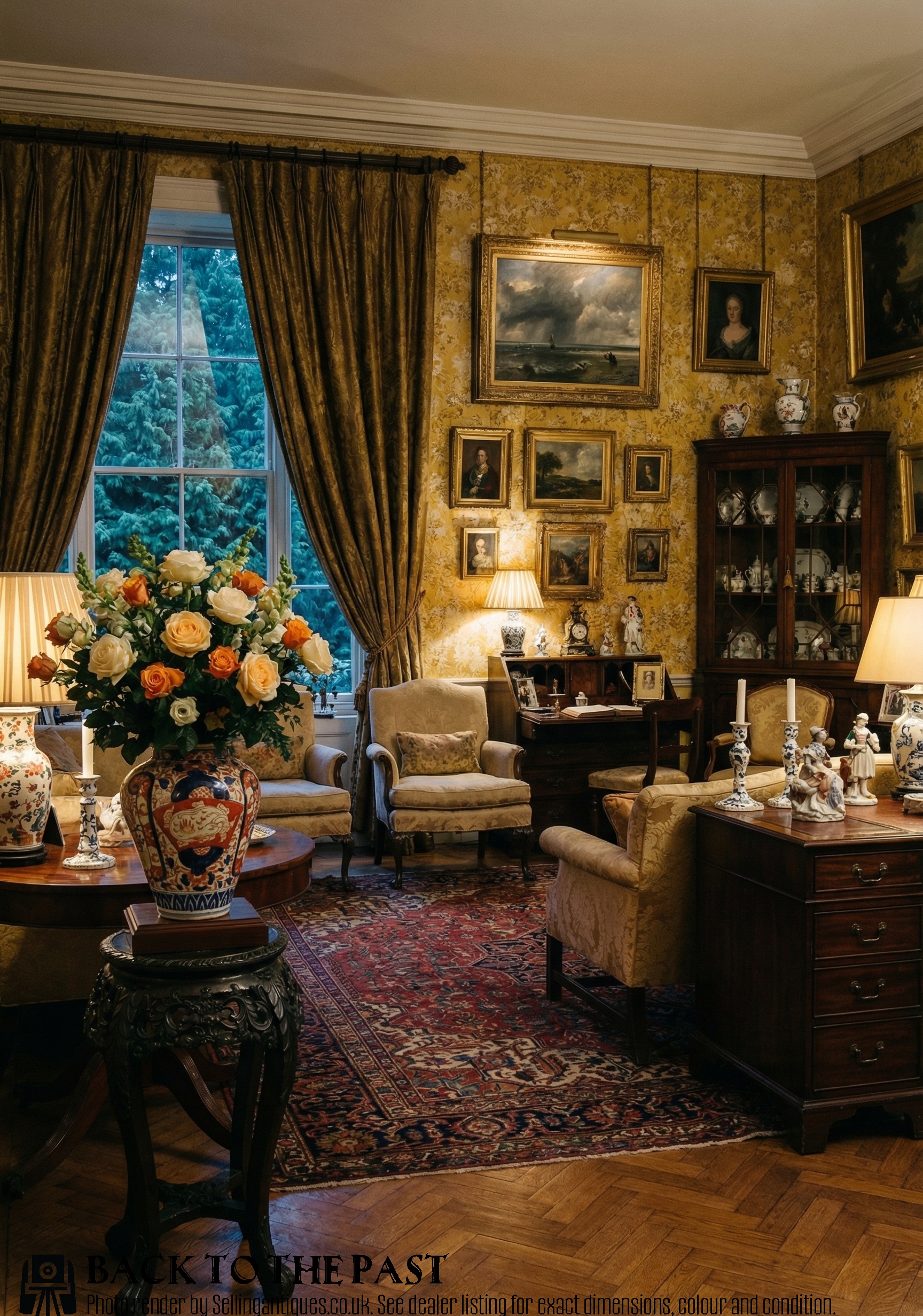
These vessels suit placement on plain surfaces where their glazes and sculptural textures can catch the light without competing background patterns.
Pairing them with neutral decor allows hand-painted details and applied figures to remain the focal point of the room.