


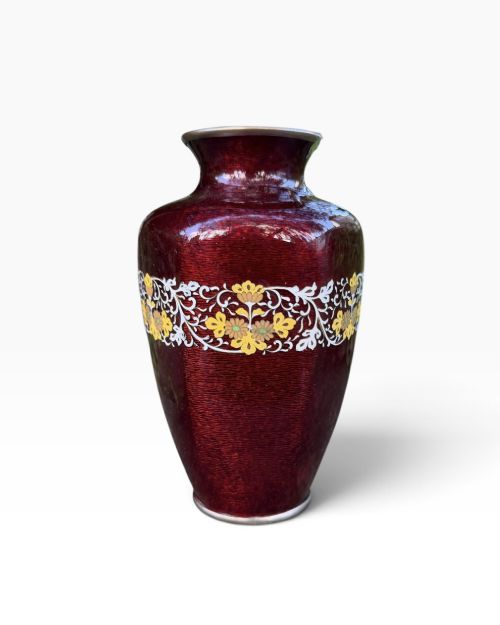
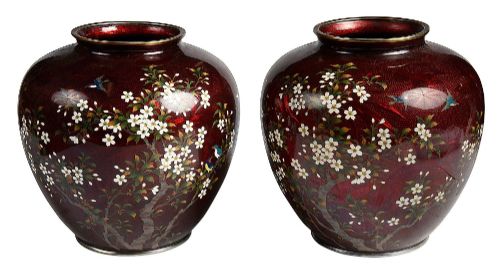


Japanese Red Enamel
Japanese red enamel brings vibrant pigment and intricate metalwork to vases, bowls, and plates spanning several centuries.
Japanese Red Enamel
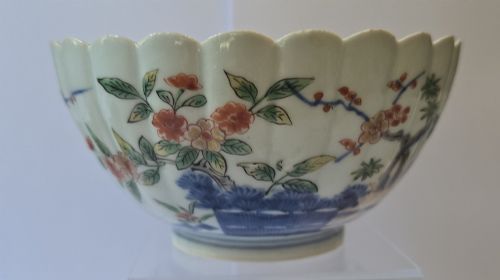
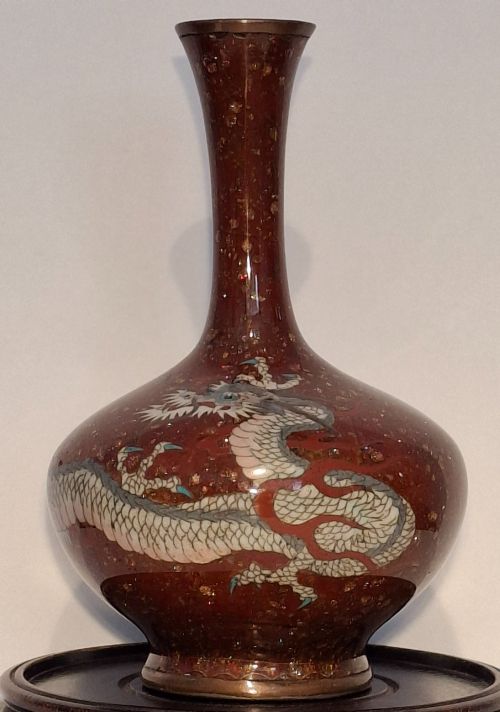
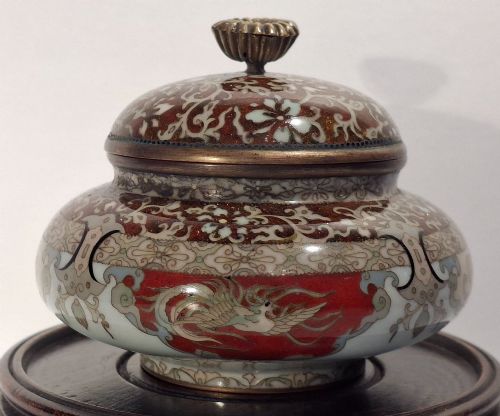
Japanese red enamel encompasses vessels and decorative plates originating from various historic eras, ranging from the seventeenth century through to the early twentieth century. A buyer searching for this style encounters diverse forms, including vases, shallow bowls, decorative chargers, and incense burners.
The objects stem from distinct periods such as the Edo, Meiji, and Taisho eras, alongside regional traditions like Imari, Arita, and Kutani wares. Most pieces visible on this page reflect the nineteenth-century Meiji period and the vibrant output of the surrounding decades.
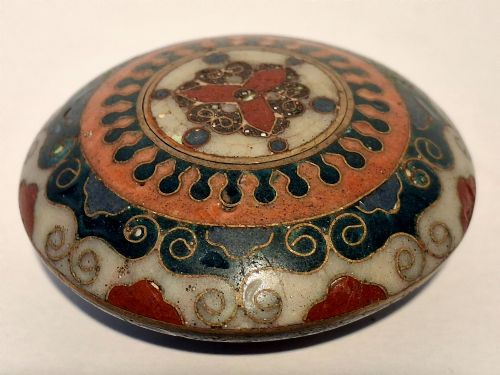
Ceramic forms often feature hand-painted iron-red pigments combined with underglaze blue and gold leaf, while metalwork variations incorporate cloisonné techniques. Collectors navigate these diverse categories by examining the specific object type, decorative palette, and period characteristics.
Assessing quality and execution
The refinement of the hand-painted brushwork and the precision of the enamel cells dictate the upper tier of these pieces. Superior examples demonstrate meticulous control over the iron-red pigments and balanced composition across complex landscapes or floral motifs.
The integration of precious elements like gold leaf and the crispness of the underlying porcelain or metal shaping distinguish finer items from standard production. Execution varies from bold regional utility wares to highly detailed pieces intended for display.
Japanese Red Enamel Retail Price Guide 2026
Typical asking prices for japanese red enamel among the pieces listed under this phrase on Sellingantiques today, from the lower quarter to the upper quarter. They describe what is for sale here now, not the wider market.
Certain miniature Kutani bowls require very close inspection to reveal microscopic hand-painted scenes hidden within the red enamel.
The Japanese Red Enamel Glossary
- Cloisonné
- Enamelling technique where thin metal wires are soldered to a base to form compartments filled with coloured paste. These wires define the intricate patterns seen on vases and decorative plates.
- Imari
- Style of Japanese porcelain decorated in underglaze blue, iron-red, and gold. It originated in the Hizen province and gained widespread popularity for its rich palette.
- Kutani
- Style of Japanese porcelain known for bold polychrome designs, frequently incorporating heavy iron-red and gold details. These wares span miniature bowls to large decorative vases.
- Aka-e
- Japanese term translating to red pictures, describing ceramics decorated primarily in iron-red overglaze enamels. This palette often appears on seventeenth-century Arita dishes.
- Ginbari
- Specialised Japanese cloisonné method featuring textured foil applied beneath translucent enamel. This technique creates a distinctive patterned background beneath the coloured surface.
Japanese Red Enamel: Frequently Asked Questions
How are these pieces cleaned?
Dust metal and ceramic surfaces gently with a soft, dry cloth to protect delicate enamel and gold leaf details.
Avoid liquid cleaners and submerging antique items in water, as moisture can damage older glazes and exposed metal.
Can these vases hold water?
Many antique metal and porcelain vessels serve primarily as decorative display items rather than functional flower holders.
Testing older pieces with water risks damaging historical glazes, internal foils, and aged structural seams.
How do I date a piece?
Examine the base, potting style, and pigment characteristics alongside known historical periods like the Meiji or Edo eras.
Signatures, regional kiln origins, and manufacturing techniques such as ginbari cloisonné also help narrow the timeline.
Where were they displayed?
Historic households utilised these decorated bowls, plates, and vases as focal points within reception rooms and alcoves.
Incense burners and censers served both practical fragrance distribution and ornamental roles in traditional Japanese interiors.