

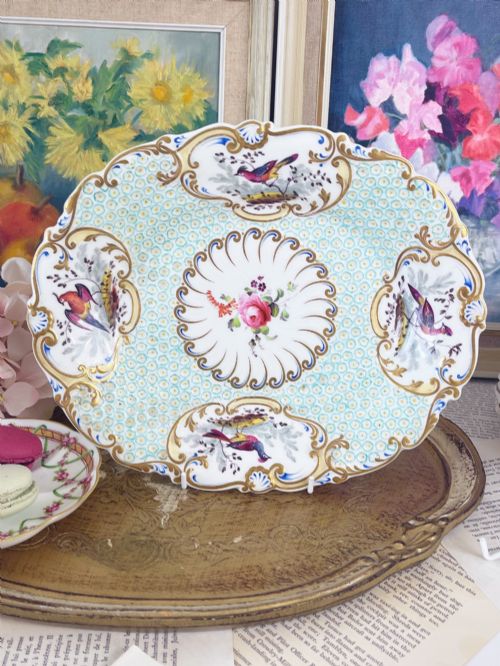


Hand Painted Ceramic
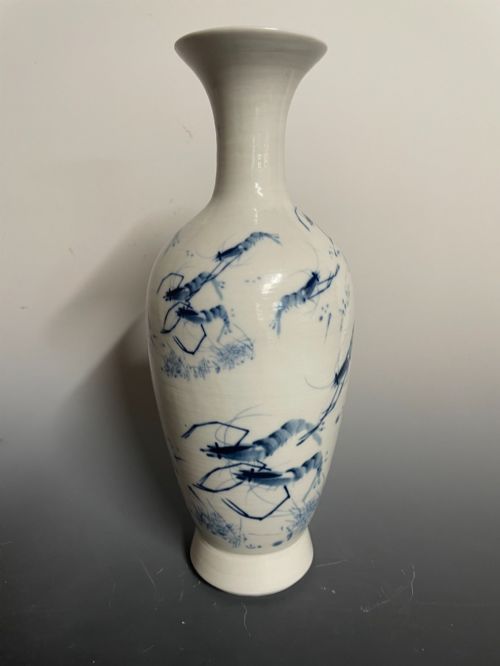
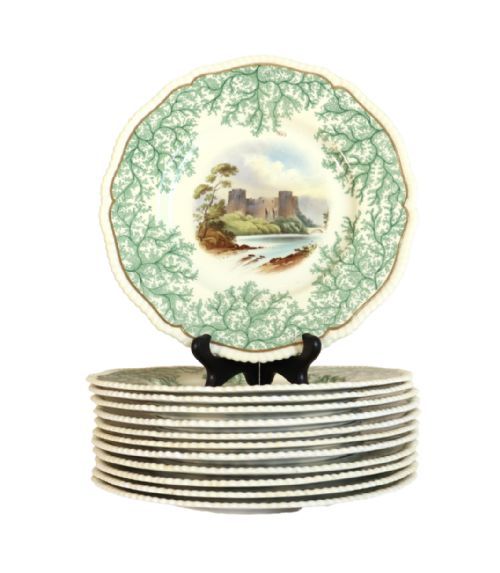
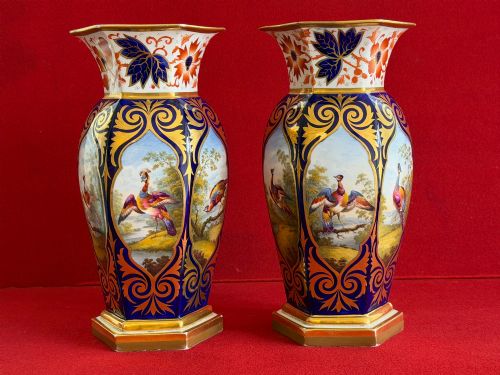
Hand painted ceramic pieces are decorative and functional works that bring colour and historic charm to any room.
What hand painted ceramic pieces are
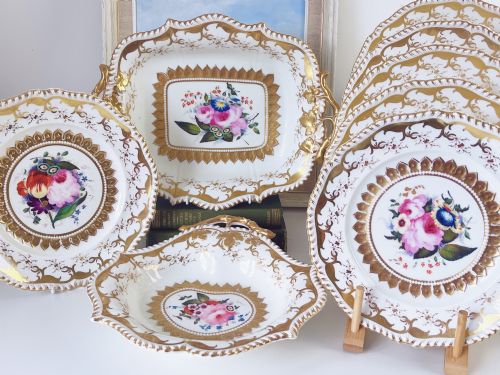
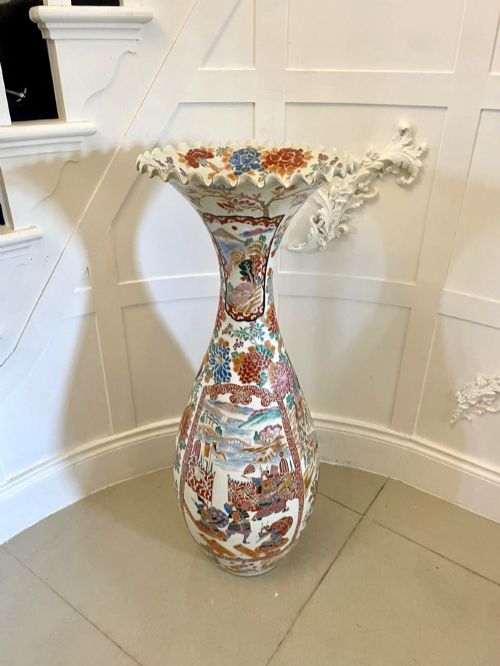
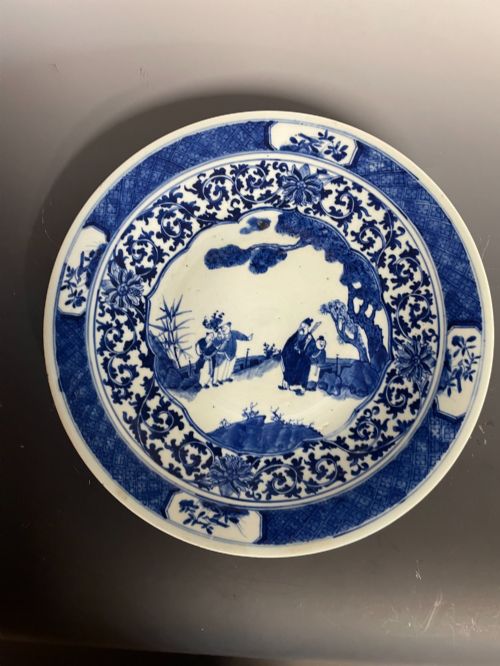
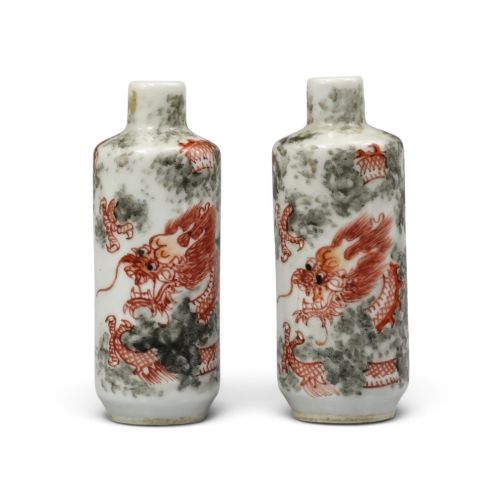
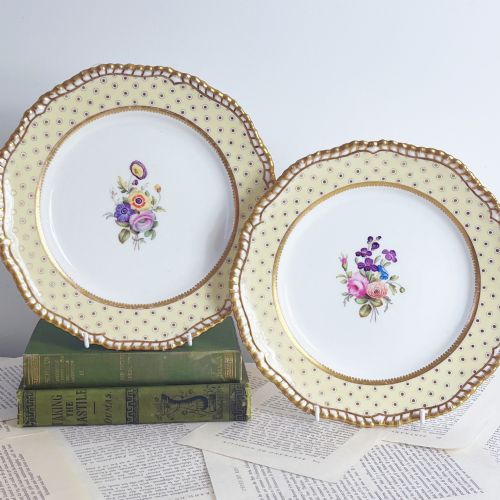
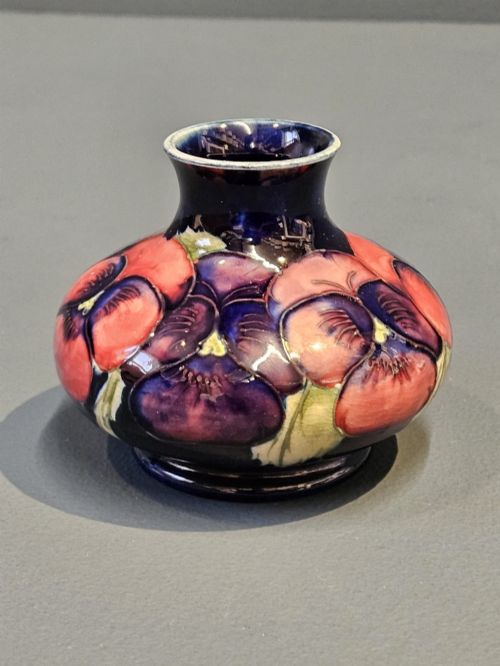
When you search for hand painted ceramic items, you encounter a diverse array of historical objects spanning multiple centuries and continents. The selection includes vases, tobacco jars, decorative plates, serving dishes, scent bottles, and lidded tureens.
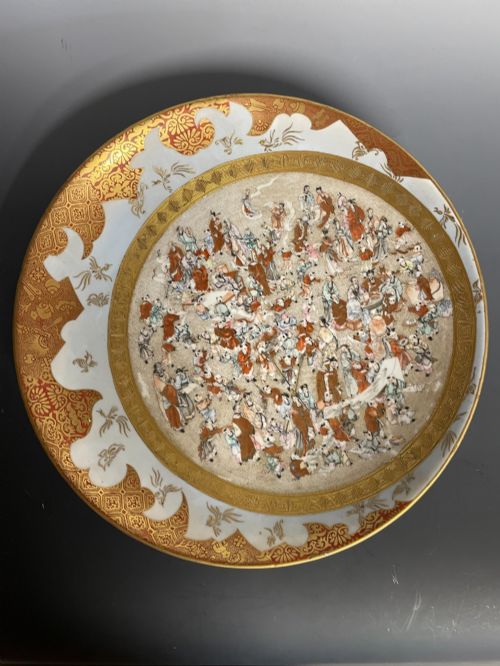
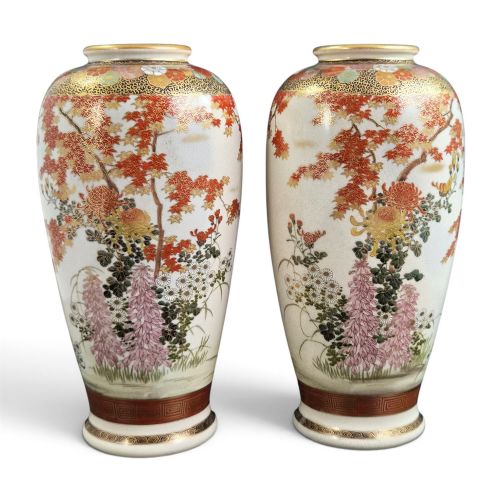
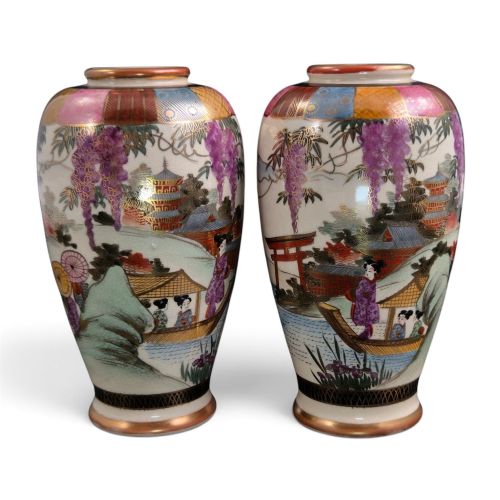
The pieces on this page draw from distinct historical periods such as the nineteenth century, nineteen hundred, the Victorian era, the Meiji period, and the Regency Chinoiserie style. Japanese Satsuma ware and European porcelain form a significant part of what you find here.
How they were made
Makers utilised ceramic bodies including porcelain, earthenware, and ironstone as the foundation for their painted designs. Enamel colours and gold leaf were applied by hand to decorate the surfaces of vases, jars, and plates.
Many items incorporate mixed media elements alongside the ceramic base. Silver plate, repousse sterling silver, and bronze mounts appear on perfume bottles, serving dishes, and converted oil lamps.
Retail Price Guide 2026
Typical UK retail prices for hand painted ceramic, calculated from the Sellingantiques database of over a million retail prices indexed since 2003. This retail price guide relies exclusively on Sellingantiques data; no external sources or auction records are used, so the figures do not describe the wider market.
Listings feature items from nineteen hundred and the nineteenth century, utilising porcelain, earthenware, ironstone, enamel, and gold leaf.
What varies in quality
The refinement of the painted detail and the precision of the brushwork separate standard items from finer examples. Superior pieces often feature intricate gilding and elaborate figural or floral scenes executed with exceptional control.
The integration of secondary materials also influences the overall character of a piece. High quality mountings in bronze or sterling silver complement the ceramic body rather than overpowering the painted decoration.
Kinkozan·Masons Patent
The Hand Painted Ceramic Glossary
- Satsuma
- A type of Japanese earthenware originating from Satsuma Province, typically featuring a crackle glaze and detailed polychrome enamel and gold leaf decoration.
- Ironstone
- A heavy, durable type of earthenware patented in the nineteenth century that mimics the strength and appearance of porcelain.
- Tureen
- A deep, covered serving dish used historically for soups or stews, often set upon a matching pedestal.
- Stoup
- A small vessel designed to hold holy water, frequently featuring a ceramic plaque mounted to a backing.
- Repoussé
- A metalworking technique where the metal is hammered from the reverse side to form a raised design in relief.
Frequently Asked Questions
What periods do these ceramics come from?
The pieces span the nineteenth century and around nineteen hundred, alongside specific stylistic revivals.
Items range from Victorian and Regency Chinoiserie designs to Meiji period Japanese works.
What materials are used in these pieces?
Makers employed porcelain, earthenware, and ironstone as the primary ceramic bodies.
Decoration frequently includes enamel and gold leaf, occasionally combined with bronze or sterling silver mounts.
How were these decorative items used?
Many objects served functional domestic roles, such as tobacco jars, serving dishes, and perfume bottles.
Others, including vases, lidded tureens, and wall stoups, functioned primarily as interior ornamentation.
What is Satsuma ware?
Satsuma refers to Japanese pottery characterised by an ivory crackled glaze.
These pieces are typically adorned with elaborate hand painted enamel scenes and gold leaf details.