
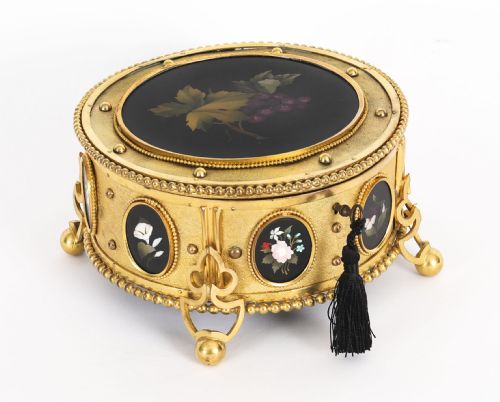


Bronze Trinket Box
A bronze trinket box gathers the small treasures of a room inside cast metal and glass, offering a tangible link to nineteenth-century display.
Bronze Trinket Box
A bronze trinket box serves to house jewellery, snuff, pills, or personal keepsakes upon a dressing table or desk. These small containers appear most frequently in nineteenth-century French designs, often pairing cast metal frames with glass panels or porcelain plaques.
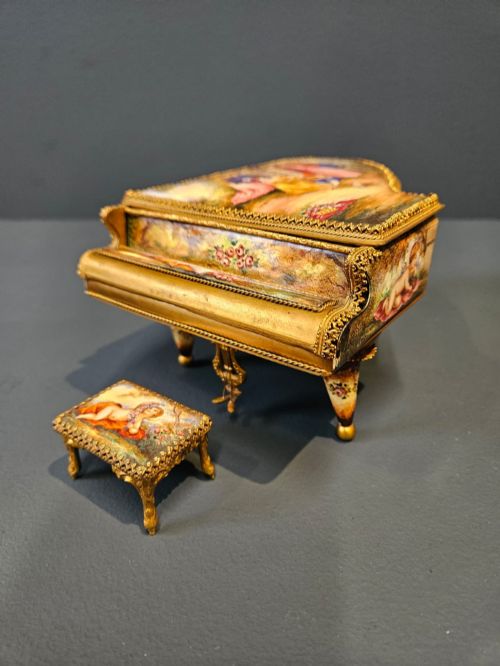
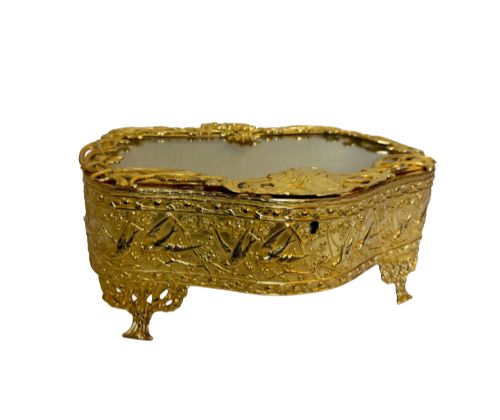
The form stretches from simple rectangular caskets to elaborate novelties shaped like coaches, coffers, or miniature cabinets. Many examples reflect specific historical revivals, incorporating Rococo scrolls, classical motifs, or flowing Art Nouveau lines.
Makers across Europe and beyond adapted the genre to local tastes, producing pieces adorned with enamel, pietra dura, or mixed metal inlays. Buyers encounter everything from heavy cast metal boxes to delicate crystal vessels mounted in ormolu.
Materials and Construction
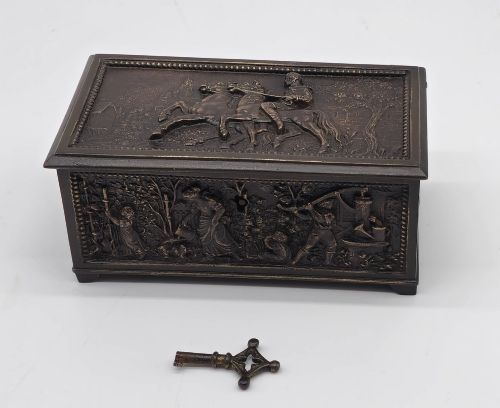
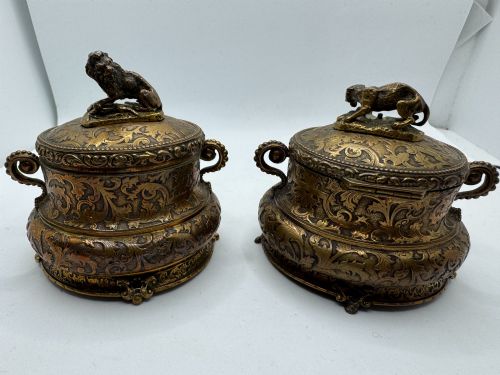
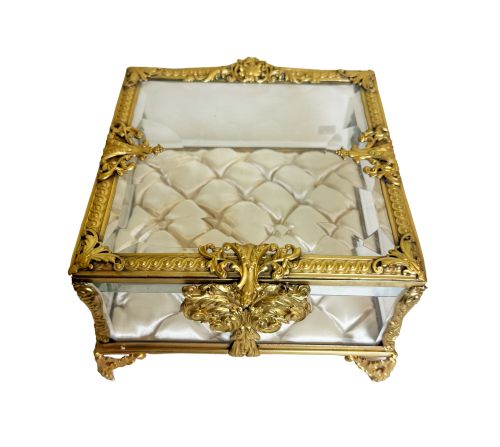
Foundry workers cast the primary frames in bronze, ormolu, gilt metal, or brass, frequently finishing the surfaces with fire gilding or silvering. Molten metal poured into moulds created the structural body and decorative feet, hinges, and finials.
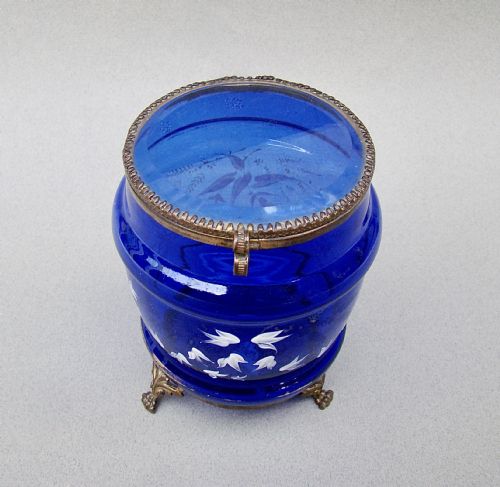
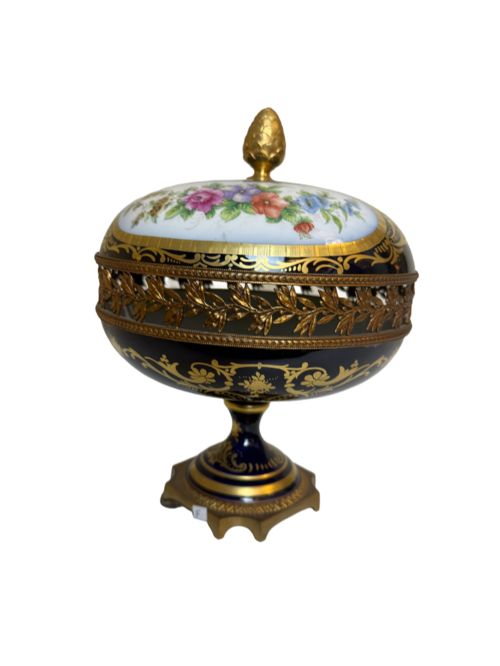
Artisans combined the metal mounts with transparent or coloured components, including Baccarat glass, Bristol blue glass, and opaline glass. Other iterations integrate painted porcelain plaques from Limoges and Sevres, or insert panels of marble, onyx, and enamel.
Detailed decoration relied on specialist techniques such as champleve enamel work, silver and gold mixed metal inlay, and hand-painted rural scenes. Workers assembled these disparate elements with precision screws and pins to form a rigid container.
Bronze Trinket Box Retail Price Guide 2026
Typical asking prices for bronze trinket box among the pieces listed under this phrase on Sellingantiques today, from the lower quarter to the upper quarter. They describe what is for sale here now, not the wider market.
A tiny gilt brass carriage box turns the everyday trinket container into a miniature coach with rolling wheels.
Evaluating Craftsmanship
Quality rests upon the crispness of the metal casting and the depth of the chased details across the surface. Superior boxes display sharp relief work on figures, foliage, and architectural mounts rather than softened, generalised contours.
The integration of secondary materials dictates the standard of the piece, from the clarity and weight of cut crystal panels to the precision of inset porcelain and enamel plaques. Well-made hinges and tightly closing lids indicate a higher grade of workshop assembly.
S Theeman·W.M.F.
The Bronze Trinket Box Glossary
- Ormolu
- Gilded bronze, typically produced by applying a mercury and gold amalgam to a cast bronze base and heating it until the mercury vaporised. This finish yields a rich, durable golden sheen characteristic of nineteenth-century French caskets.
- Champleve
- An enamelling technique where troughs or cells are hollowed out of the metal surface and filled with vitreous enamel powder before firing. The resulting coloured glass designs sit flush with the surrounding metal partitions.
- Pietra dura
- An artistic technique using cut and fitted inlaid pieces of coloured stones such as marble, onyx, and quartz to create pictorial motifs. Artisans polished the stone surfaces flat to form a seamless decorative panel.
- Kogo
- A small Japanese incense box, often worked in bronze with mixed metal details. These circular boxes were adopted into Western collections during the nineteenth century.
Bronze Trinket Box: Frequently Asked Questions
What were bronze trinket boxes used for?
These boxes held daily personal accessories such as rings, pins, snuff, or small coins. They sat principally on dressing tables, mantelpieces, or writing desks as both storage and decorative objects.
Wealthy owners used them to display imported porcelain, painted miniatures, or sentimental tokens within reach. Their heavy construction kept private contents secure in domestic settings.
How do I distinguish French ormolu from brass?
Ormolu consists of cast bronze treated with a gold and mercury mixture, producing a warm, deep metallic lustre. Brass is an alloy of copper and zinc that tends to show a yellower tone and lacks the historical gilding process.
Examining the underside or interior often reveals the darker bronze base metal beneath worn gilt areas. Ormolu castings also generally exhibit sharper chased details than standard commercial brass.
Are porcelain plaques on boxes original?
Plaques featuring Sevres or Limoges signatures were frequently integrated during the initial manufacture of nineteenth-century caskets. Makers matched the porcelain panels to the surrounding ormolu frame dimensions.
Checking the interior mountings reveals whether the ceramic insert fits the rebate without disturbance. Original porcelain panels show wear consistent with the age of the metal housing.
How should I clean a gilt bronze box?
Dust the surface gently with a soft, dry brush to remove particles from crevices and cast details. Avoid harsh chemical cleaners or abrasive polishes that strip away the original gilding.
If the glass or porcelain panels require attention, wipe them carefully with a damp cloth while keeping moisture away from the metal joins and fabric linings.