


Decorative Metal Casket
These decorative metal casket examples combine utility with craftsmanship, offering a secure home for small treasures while adding a distinct historical accent to any room.
Decorative Metal Casket
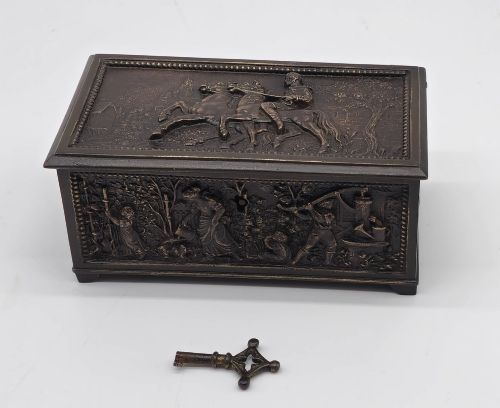
A decorative metal casket serves as a small container for valuables, jewellery or documents, manufactured from durable materials designed to last centuries. These pieces appear across various historical periods, reflecting changing domestic tastes from the seventeenth century through to the early twentieth century.
The selections available on this page encompass several distinct regional styles and forms, ranging from Italian Baroque carved wood boxes with metal elements to beaten steel Arts and Crafts designs. Buyers encounter diverse constructions, including domed painted caskets and table boxes finished with intricate enamel work.
Originating from British, French, German, Swedish and colonial workshops, these items demonstrate how utilitarian storage evolved into an art form. The primary versions met here feature metals such as bronze, steel and iron, frequently paired with decorative enamel or gilt details.
How they were made
Metalworkers utilised traditional techniques like casting, beating and riveting to form the primary structure of each decorative metal casket. Bronze and steel often formed the rigid body, shaped into domed or rectangular boxes using manual labour and forge work.
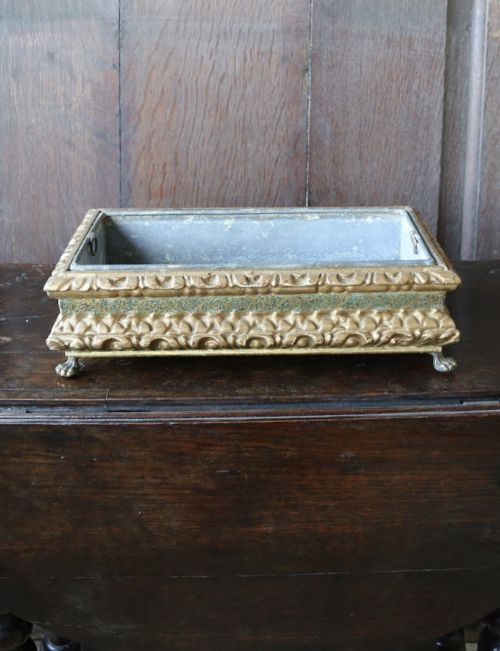
Surface ornamentation involved specialised decorative arts, including cloisonné and champlevé enamel applied to metal panels. Artisans also incorporated carved wood, gold leaf and painted finishes to enhance the visual texture of the boxes.
Listings feature items spanning the seventeenth to the early twentieth century, utilising bronze, steel, iron, enamel and wood.
What varies in quality
The refinement of the surface decoration largely distinguishes standard utility boxes from superior examples. Skilled application of champlevé or cloisonné enamel, alongside delicate bronze casting, indicates a higher standard of workshop production.
Structural integrity and the complexity of the metalwork also determine the grade of a piece. Riveted steel and finely carved gilt elements require advanced technical proficiency, separating basic metal containers from ambitious artistic caskets.
S Theeman
The Decorative Metal Casket Glossary
- Bronze
- An alloy consisting primarily of copper, traditionally used in sculpture and decorative container casting.
- Cloisonné
- An ancient technique for decorating metal object surfaces, using enamel held within wire compartments.
- Champlevé
- An enamelling process where troughs or cells are carved into the metal surface to hold vitreous enamel.
- Baroque
- A flamboyant artistic style originating in Italy, characterised by dramatic ornamentation and rich surface detail.
- Arts and Crafts
- A design movement valuing traditional craftsmanship and the use of simple, honest materials.
Decorative Metal Casket: Frequently Asked Questions
What is a decorative metal casket?
A decorative metal casket is a small, rigid container constructed from materials like bronze, steel or iron, built to hold personal valuables and ornaments.
These pieces often feature surface embellishments such as enamel work, gilding or painted scenes, reflecting the aesthetic preferences of their period of origin.
How were these caskets used historically?
Historically, these boxes functioned as secure receptacles for jewellery, letters, currency and other precious personal effects kept within domestic interiors.
Placed upon tables or desks, they served both a practical storage purpose and an ornamental role that signalled the owner's taste and status.
How do I style a metal casket at home?
A metal casket works effectively as a focal point on a mantlepiece, side table or bookshelf, contrasting well against wooden furniture.
Its surface textures, whether beaten steel or polished bronze, add industrial or antique warmth to modern and traditional interior schemes alike.
How do I identify the period of a casket?
Identifying the period involves examining the stylistic clues, such as Art Nouveau floral motifs or Baroque structural curves, combined with the manufacturing techniques used.
Materials like beaten steel indicate later Arts and Crafts or industrial periods, whereas carved gilt wood paired with metal points towards earlier centuries.