


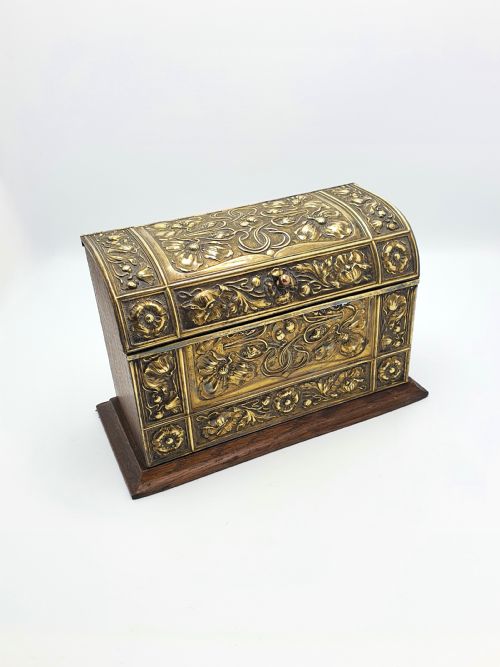

Art Nouveau Trinket Box
An art nouveau trinket box holds small personal items in stylized organic forms that define the decorative arts of the early twentieth century.
Art Nouveau Trinket Box
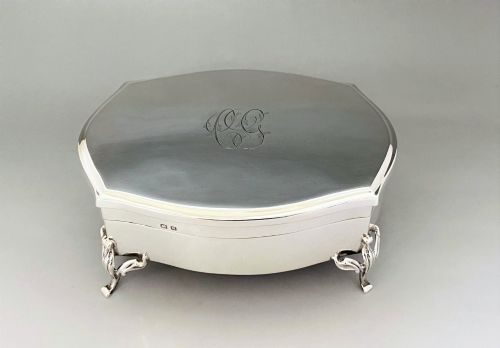
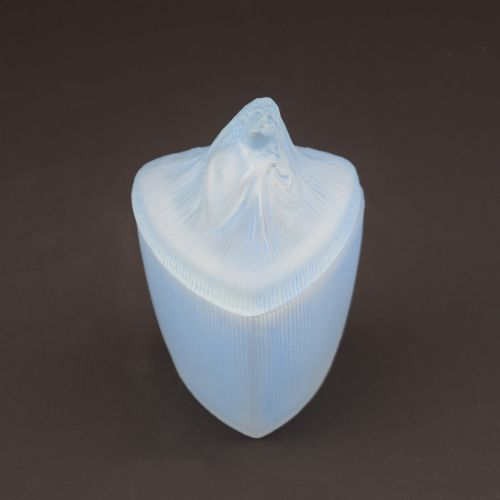
An art nouveau trinket box is a small container designed for dressing tables and desks, appearing in materials ranging from sterling silver to moulded glass and wood. These pieces emerge predominantly from the Edwardian period and the turn of the twentieth century, aligning with the international spread of Jugendstil and Austrian Secessionist design.
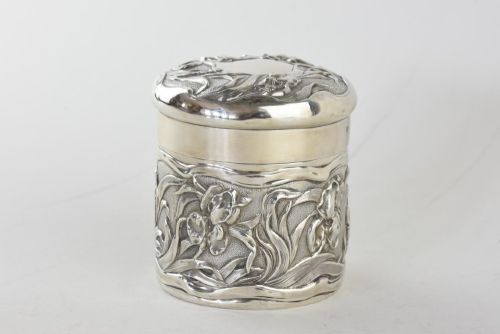
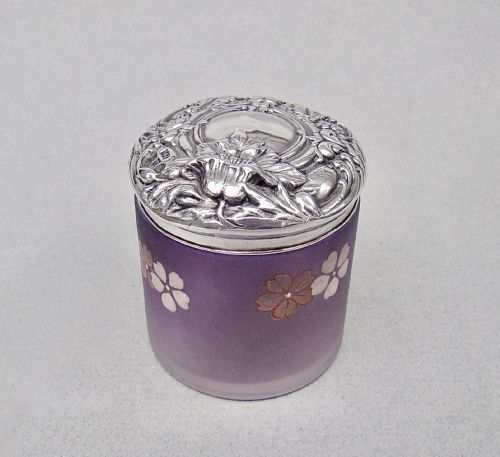
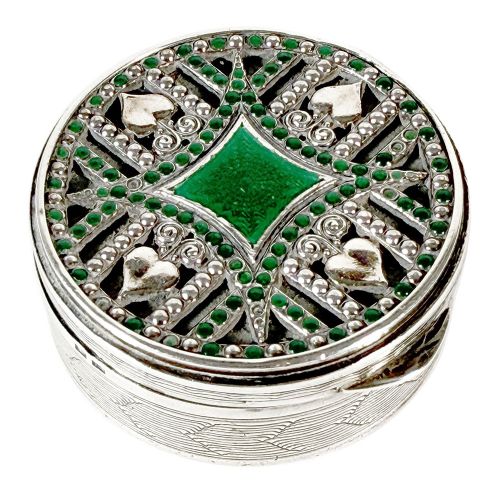
The objects take many forms, including jewellery boxes, pill boxes, lidded canisters, and dressing table jars, often categorised broadly under decorative boxes and caskets. The silver examples frequently display repousse work or pierced decoration, while glass variants utilise frosted, opalescent, or enamelled finishes.
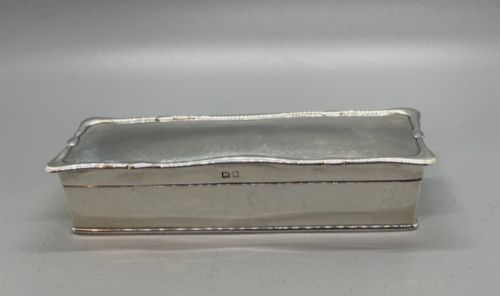
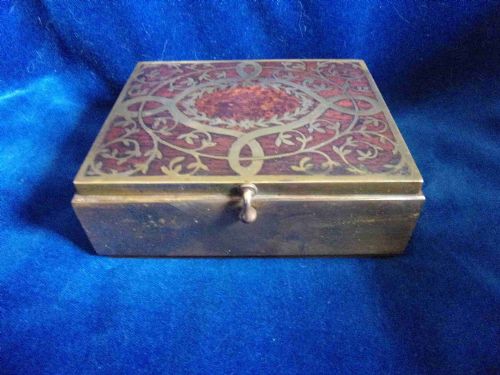
Buyers meet versions ranging from simple Birmingham hallmarked silver containers to elaborate French glass pieces and inlaid wooden caskets. The selection reflects diverse European workshops active during the stylistic shifts between eighteen eighty and nineteen thirty.
How They Were Made
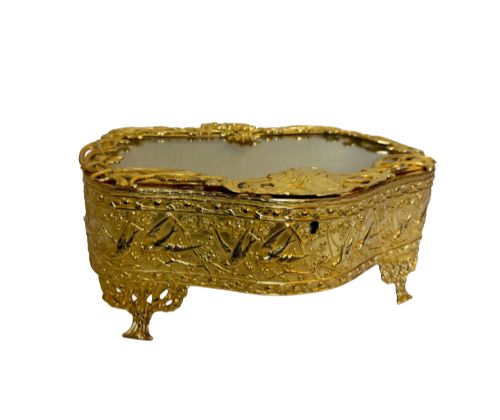
Metalsmiths shaped sterling silver, brass, and gilt bronze through repousse, piercing, and casting, producing fluid plant stems and female profiles typical of the period. Silversmiths worked sheet metal to form the body and lid of each trinket box, adding hallmarks for town and year.
Glassmakers utilised pressing and moulding techniques, often applying enamel or frosting to create tactile surfaces on dressing table jars and decorative boxes. Wooden versions incorporated marquetry and inlay work, combining different timbers to achieve geometric and floral motifs.
Listings feature periods spanning from eighteen eighty to nineteen thirty, encompassing Edwardian, Jugendstil, and Austrian Secessionist design alongside British silver and French glass.
What Varies in Quality
The integrity of integrated materials determines standard, such as intact enamel work on silver pill boxes or undamaged frosted finishes on glass caskets. Substantial gauge metal and well-fitted hinges separate robust containers from lighter commercial items.
Goldsmiths and Silversmiths Company·Rene Lalique·George Adam Scheid·Erhard and Sohne·William Hutton·S Theeman·Josef Margold·William Comyns·Henry Matthews·Deakin and Francis
The Art Nouveau Trinket Box Glossary
- Repousse
- Metalworking technique where a design is hammered into relief from the reverse side. This method creates the characteristic flowing organic contours seen on silver lids.
- Jugendstil
- The continental European manifestation of the art nouveau style, originating in Germany. Pieces bearing this label often display distinct linear abstraction and natural motifs.
- Opalescent glass
- Glass that diffuses light with a milky or pearlescent appearance. Makers utilised this property to accentuate moulded relief details on decorative containers.
- Secessionist
- Design movement associated with Austrian artists breaking from academic traditions. Geometric framing often accompanies organic motifs in these works.
- Hallmark
- Official stamp indicating metal purity, assay office, and date letter. English silver items typically carry these marks to verify origin and standard.
Art Nouveau Trinket Box: Frequently Asked Questions
What were art nouveau trinket boxes used for?
These containers held rings, brooches, pins, and small personal valuables on dressing tables and writing desks. They provided a secure and decorative resting place for daily accessories.
Larger versions accommodated documents or cigarettes, while smaller pill boxes and powder jars served specific vanity and medicinal needs in the domestic interior.
How do I date an art nouveau trinket box?
Silver examples carry hallmarks indicating the assay office, standard, and exact year of manufacture. British pieces from Birmingham and Chester provide clear archival dates.
Stylistic elements and maker signatures on glass or bronze pieces help place them between eighteen eighty and nineteen thirty. Continental items often rely on registration marks and stylistic attribution.
How do I care for silver and glass boxes?
Silver surfaces require gentle cleaning with a soft cloth to preserve repousse details without removing patination. Enamel and glass components benefit from careful dusting and avoidance of abrasive chemical cleaners.
Wooden and inlaid caskets need stable humidity levels to prevent timber movement or lifting of delicate veneers over time.
What is the difference between art nouveau and art deco boxes?
Art nouveau design relies on asymmetrical, flowing organic lines inspired by plants, stems, and female hair forms. These pieces date primarily from the late nineteenth century up to the First World War.
Art deco boxes, emerging around nineteen twenty, favour rigid geometry, symmetry, and machine-age motifs. The decorative vocabulary shifts from natural curves to stylised angular patterns.