


Silver Jewellery Chest
A silver jewellery chest offers a sturdy, velvet-lined home for rings and pendants, combining solid metalwork with fitted compartments.
Silver Jewellery Chest
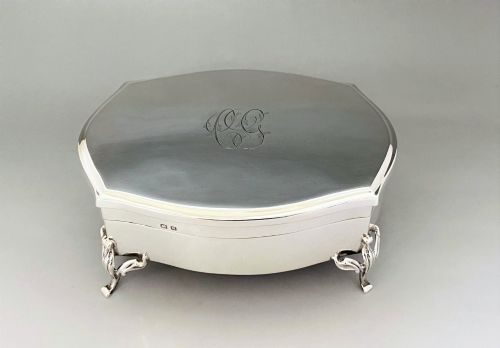
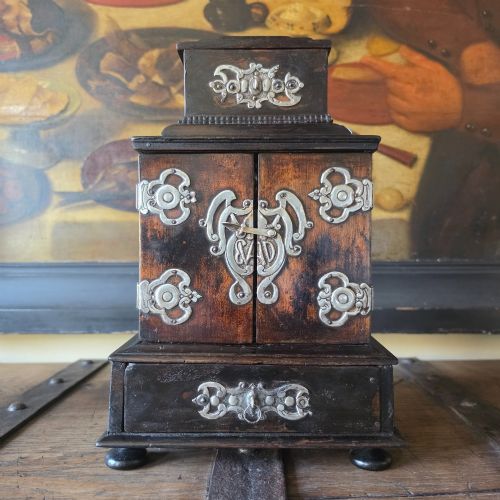
A silver jewellery chest provides a dedicated tabletop repository for valuables, merging practical storage with decorative presence. These pieces emerge in various forms across the evidence, including compact caskets, larger dressing boxes, and fitted cabinets.
The specimens encountered here span multiple centuries and design movements, moving from Georgian and Regency examples to Victorian Rococo Revival and Art Nouveau creations. Edwardian and 1920s sterling pieces appear frequently, often hallmarked in provincial assay towns such as Chester alongside London work.
Makers adapted these vessels for different dressing routines, incorporating interior trays, pin cushions, and dedicated ring slots. Materials extend beyond plain metal to include shell, glass, and exotic timbers fitted with silver mounts.
Distinctions in quality
Quality rests upon the weight of the silver and the crispness of the chasing or engraving on the lid. Substantial gauge metal resists denting and maintains structural integrity around hinges and locks.
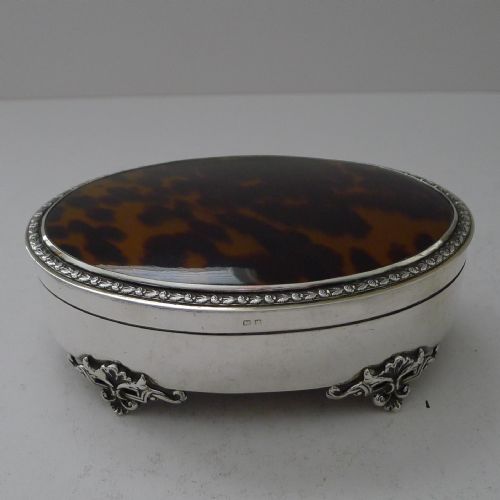
Interior fitting dictates functional merit, separating standard trinket boxes from elaborate dressing cases with complete silver-topped glass jars and tailored velvet compartments. The integration of luxury organic materials like tortoiseshell or exotic wood veneers signals higher workshops.
Maker marks and clear provincial or London hallmarking provide documentary weight, distinguishing standard commercial production from specialised retailer stock.
Silver Jewellery Chest Retail Price Guide 2026
Typical asking prices for silver jewellery chest among the pieces listed under this phrase on Sellingantiques today, from the lower quarter to the upper quarter. They describe what is for sale here now, not the wider market.
Materials paired with silver in these records include tortoiseshell, mother-of-pearl, coromandel, velvet, glass, and enamel.
Blanckensee And Sons·C E Turner·Clark And Sewell·Alexander Ritchie·J And R Attenborough·Nathan And Hayes·James Deakin And Sons·Thomas Bradbury And Sons
The Silver Jewellery Chest Glossary
- Casket
- A small ornamental box or chest intended for holding valuables, jewellery, or reliquaries. These often feature decorative metalwork or hinged lids.
- Guilloché
- A decorative mechanical technique whereby a precise, intricate pattern is engraved into a metal surface. Enamel is frequently applied over this engraving to create translucent coloured effects.
- Hallmark
- An official mark stamped on articles of precious metals to certify standard of purity. British silver marks typically include symbols for the maker, assay office, and date.
- Repoussé
- A metalworking technique where the artisan shapes the metal from the reverse side by hammering. This produces a raised design in relief on the front.
- Tortoiseshell
- The mottled brown and yellow shell of certain sea turtles, utilised extensively as an overlay on boxes and chests. It is often paired with sterling silver pique work.
Silver Jewellery Chest: Frequently Asked Questions
How do I date a silver jewellery chest?
Dating relies heavily upon the official hallmarks stamped into the metal, which record the assay office, standard, and specific year letter. Stylistic indicators such as Art Nouveau curves or Victorian Rococo ornamentation also help narrow down the period.
Secondary clues include the construction of the interior linings, the type of hinges utilised, and the material of the core carcase, whether solid metal or wood.
What is the difference between a casket and a box?
A casket typically implies a more ornate, architectural vessel with a domed or hinged lid, often heavily decorated with repoussé work or panels of shell and enamel. A box generally refers to simpler rectangular configurations intended for everyday dressing table use.
Both serve the same primary function of storing rings and trinkets, but caskets usually display higher levels of sculptural ornamentation.
How were dressing boxes used historically?
Dressing boxes functioned as portable vanity cases for wealthy travellers and homeowners, housing grooming implements, cosmetics, and jewellery within fitted compartments. They sat upon dressing tables to keep personal effects organised and secure.
As routines shifted toward fitted domestic furniture, these chests became permanent fixtures for displaying and protecting prized rings and brooches.
Can I polish my antique silver box?
Gentle cleaning with a specialist silver cloth removes tarnish without wearing away the underlying metal or damaging delicate engraved details. Avoid aggressive abrasive pastes that can strip thin silver plating or scratch surrounding tortoiseshell and glass.
Care should be taken around hinges and velvet linings to keep moisture and polishing agents away from vulnerable interior fabrics.