





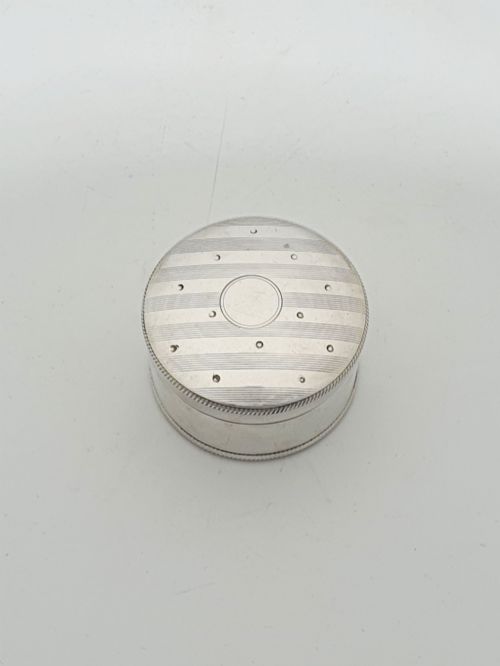

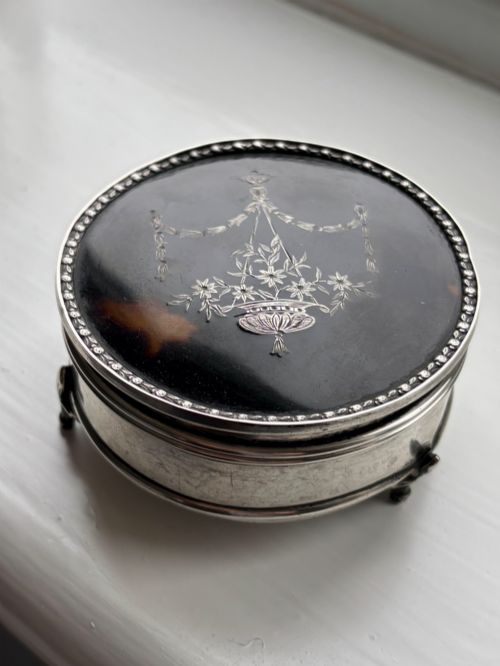

Edwardian Silver Vanity Box
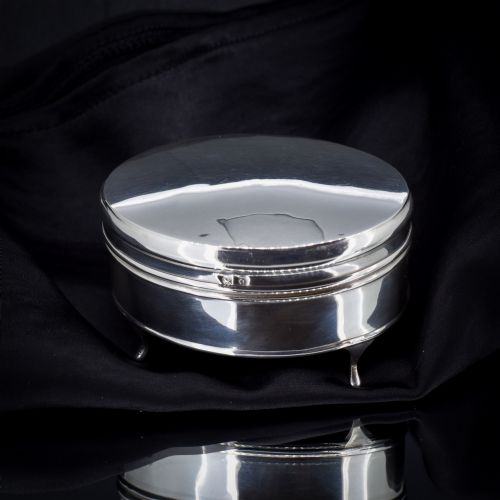
An edwardian silver vanity box is a small dresser container designed to hold cosmetics, pins or jewels.
Edwardian Silver Vanity Box
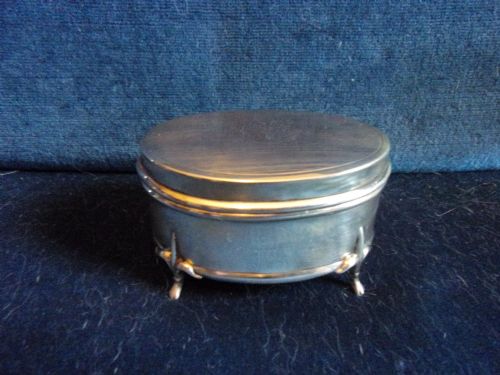
An edwardian silver vanity box brings together small receptacles made for the dressing table, including trinket pots, pill boxes and dressing table jars. These pieces emerge predominantly from the Edwardian period and the early twentieth century, alongside Victorian and George V examples.
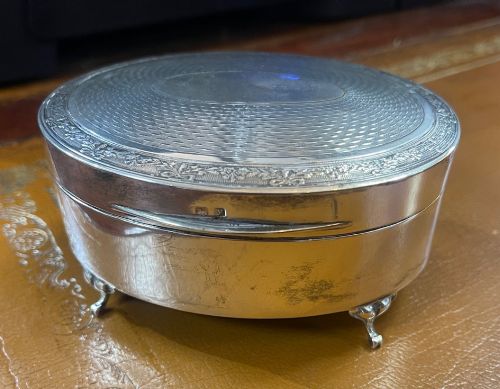
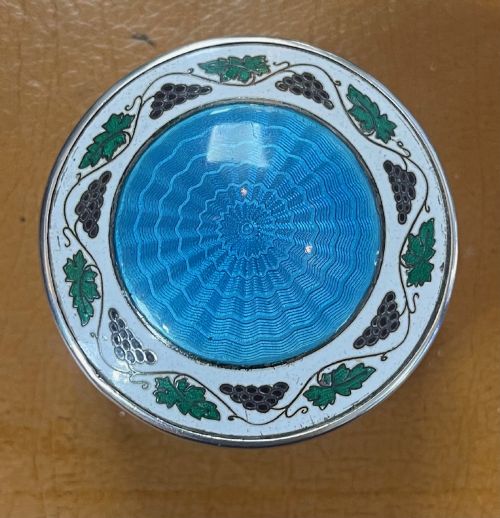
Forms span simple heart shapes and pill boxes to larger fitted jewellery caskets and jars fashioned from glass, satin glass or cranberry glass. The pieces frequently combine sterling silver mounts with tortoiseshell, enamel, guilloche enamel, mother of pearl or cut glass bodies.
How they were made
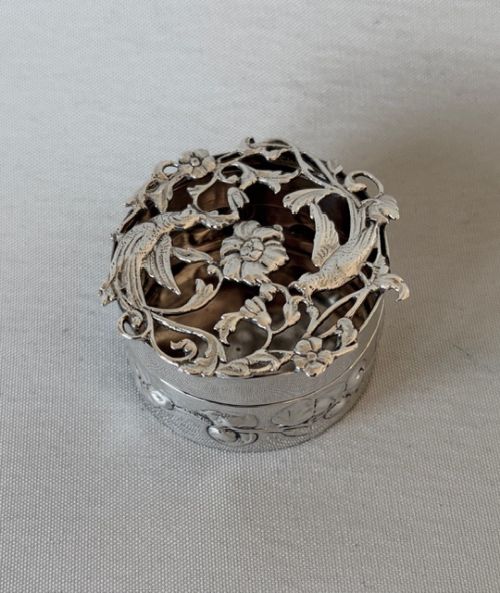
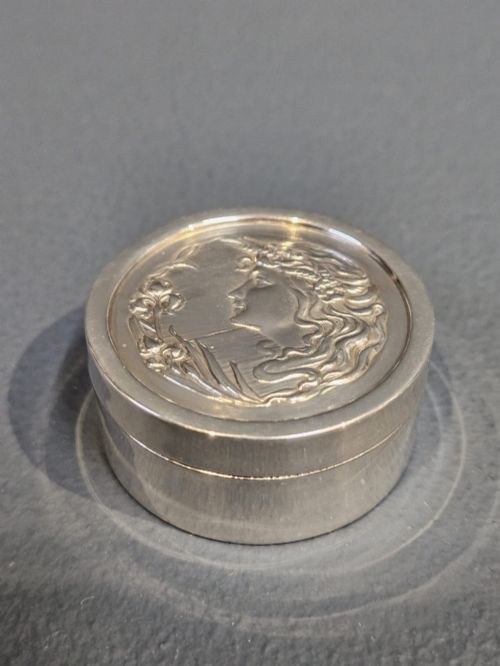
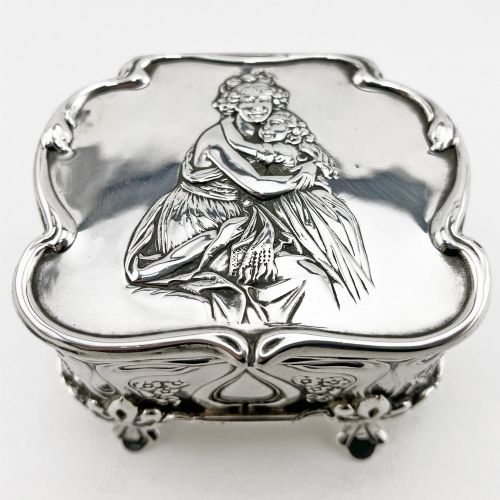
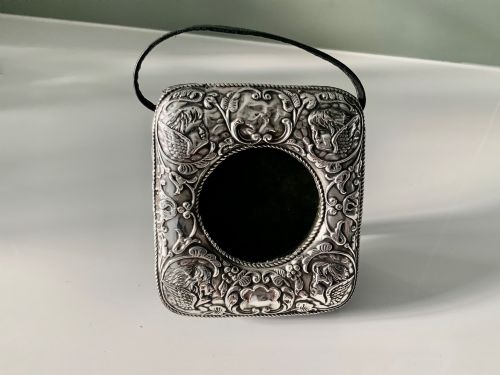
Silversmiths formed the mounts and lids of an edwardian silver vanity box using sterling silver, often applying repousse decoration, figural cherub scenes or pierced metalwork. Workshops in Birmingham and Chester predominated, hallmarking the metal with dates, assay office marks and makers' stamps.
Makers combined the silver with varied media, securing guilloche enamel, tortoiseshell with pique work, mother of pearl or coloured glass vessels to create fitted dressing table items.
Edwardian Silver Vanity Box Retail Price Guide 2026
Typical asking prices for edwardian silver vanity box among the pieces listed under this phrase on Sellingantiques today, from the lower quarter to the upper quarter. They describe what is for sale here now, not the wider market.
Listings feature periods from the Victorian era through the Edwardian period, George V years and the Art Deco movement.
What varies in quality
Quality in an edwardian silver vanity box rests on the crispness of the silver repousse work, the weight of the solid silver and the precision of any applied relief scenes. Pieces featuring intact guilloche enamel, unblemished tortoiseshell or complex pierced designs stand apart from simpler lidded glass jars.
The integration of the interior lining, such as original velvet, and the reputation of the maker or retailer influence the character of the piece. Makers such as Asprey or William Comyns indicate distinct standards of manufacture.
Ollivant and Botsford·Henry Clifford Davis·A Bromet and Co·Goldsmiths and Silversmiths Company·Henry Matthews·William Hutton·William Comyns·Asprey and Co
The Edwardian Silver Vanity Box Glossary
- Guilloche enamel
- Enamel applied over engine-turned metalwork to create a repeating geometric pattern beneath a translucent coloured surface. This technique appears frequently on dressing table jars and compacts.
- Repousse
- Metalworking technique where the silver is hammered into relief from the reverse side. It creates three-dimensional motifs such as cherubs or floral patterns on box lids.
- Pique work
- Inlay technique involving tiny gold or silver pins pressed into tortoiseshell to form delicate patterns. It is found on select Edwardian boxes.
- Satin glass
- Glass treated to have a velvety texture resembling satin. It provides the colourful body for certain lidded trinket pots.
- Sterling silver
- An alloy of silver containing ninety-two point five percent silver by mass. This standard metal forms the structural mounts of the boxes.
Edwardian Silver Vanity Box: Frequently Asked Questions
What is an edwardian silver vanity box?
These pieces are small lidded containers and jars created to hold personal items on a dressing table during the early twentieth century.
They combine sterling silver mounts with materials like glass, enamel, tortoiseshell or velvet.
How were these boxes used?
Owners kept them on dressing tables to store small valuables, rings, pins, cosmetics, pills or small trinkets.
Larger fitted versions accommodated broader assortments of dressing table items and jewellery.
How do I date an edwardian silver vanity box?
Dating relies on the silver hallmarks stamped on the metal, which record the assay office, standard and year letter.
Makers' marks and stylistic details like Art Nouveau or George V motifs also help establish the production era.
What materials are common in these pieces?
Sterling silver forms the lids and mounts, paired with bodies made from cut glass, satin glass, cranberry glass, tortoiseshell or mother of pearl.
Enamel and guilloche enamel frequently add colour to the surface designs.