

Sterling Silver Jewellery Box
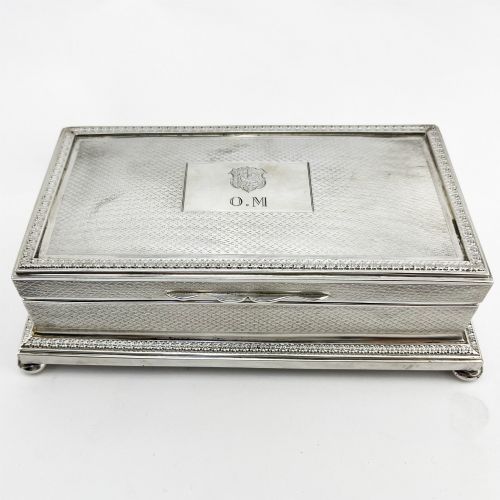
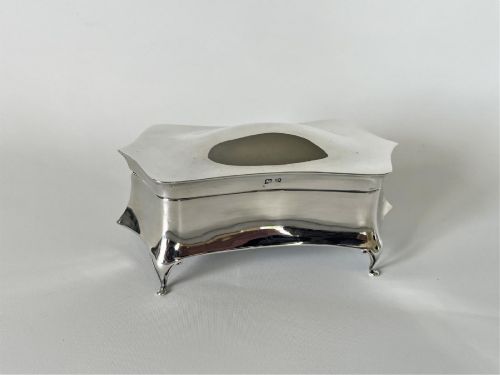
When choosing a sterling silver jewellery box, you are acquiring a dressing table receptacle designed to safeguard rings, trinkets, and small valuables.
Sterling Silver Jewellery Box
A sterling silver jewellery box serves as a portable container for personal adornments, typically lined with velvet, silk, or leather to protect delicate items.
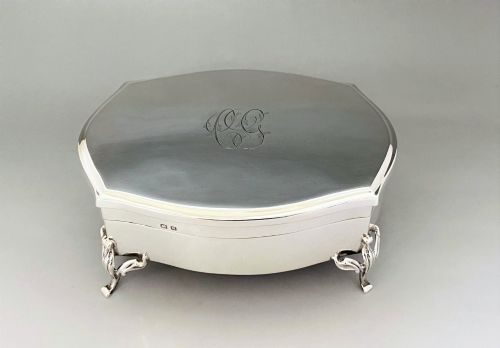
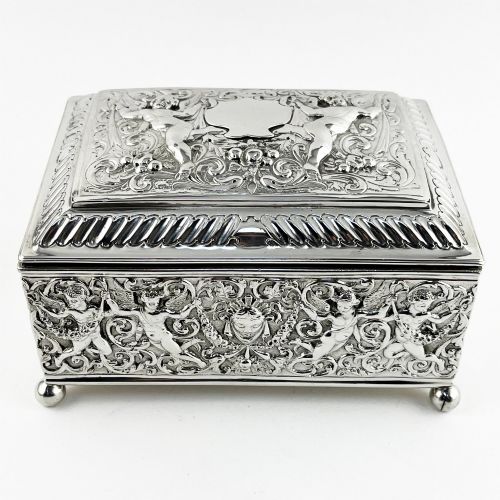
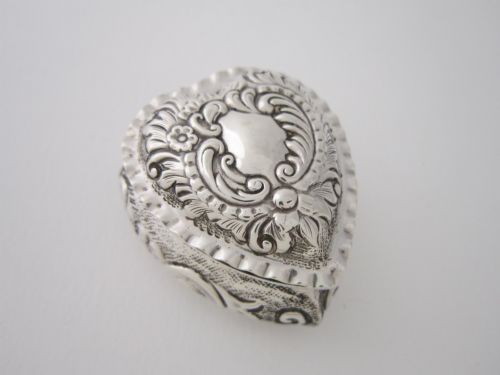
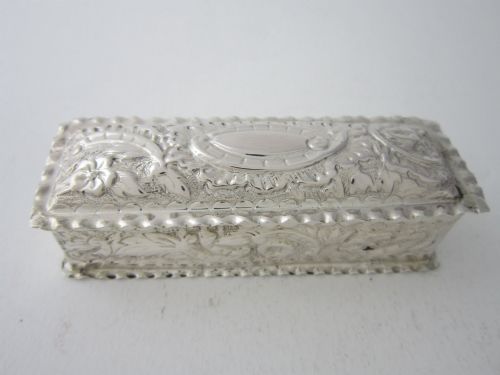
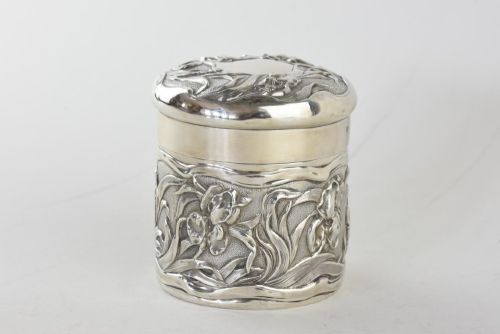
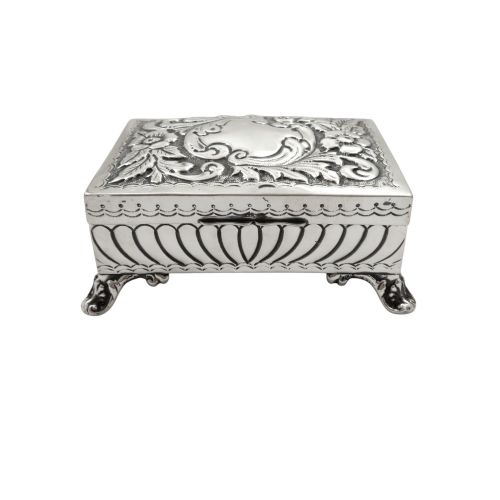
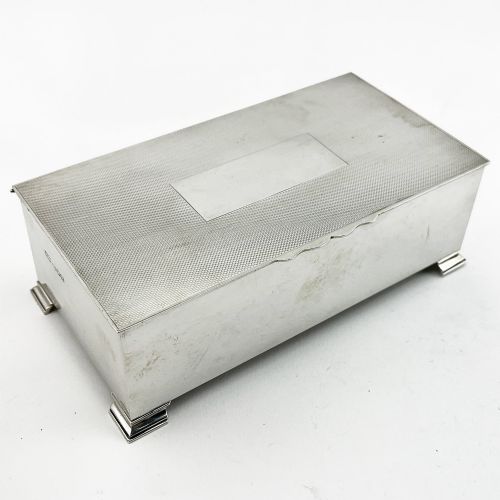
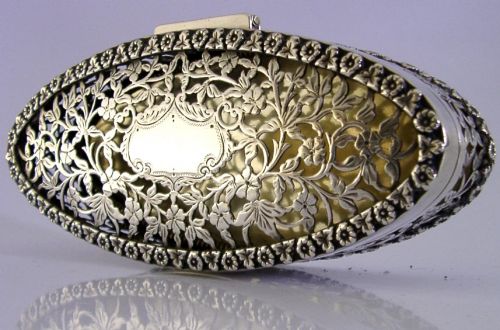
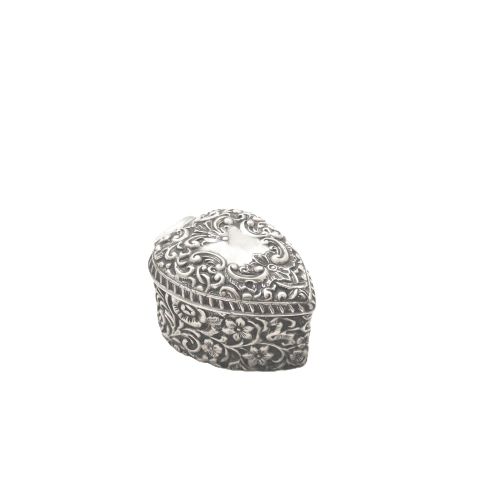
The selections span the Victorian, Edwardian, and Art Deco eras, encompassing heart shapes, rectangular caskets, and oval dressing table boxes.
Maker-marked pieces by notable silversmiths appear alongside simpler stamped containers, reflecting the diverse output of British assay offices.
How They Were Made
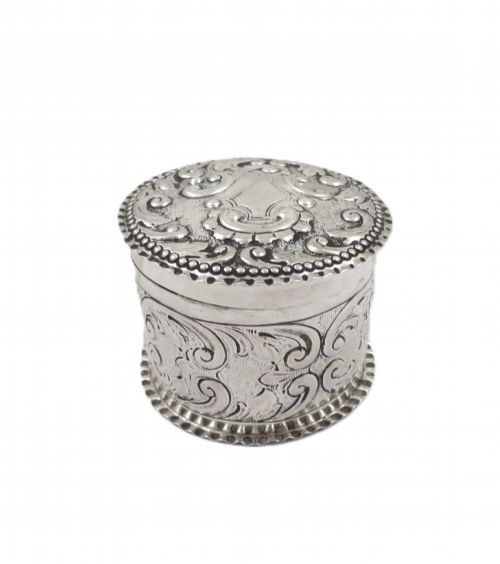
Silversmiths constructed these boxes using solid sterling silver sheets, often employing repousse techniques to hammer raised decorative motifs from the reverse.
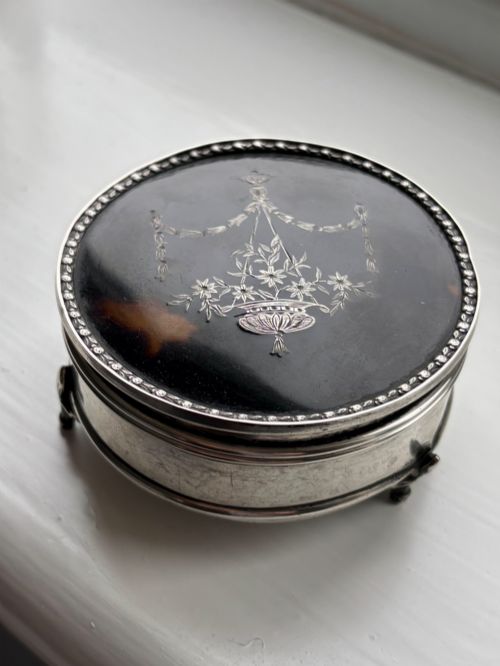
Lids frequently incorporate contrasting materials such as genuine tortoiseshell, faux tortoiseshell, guilloche enamel, or polished cut glass.
Internal structures rely on wooden cores or card frames covered with plush textile linings, secured by small brass hinges.
Sterling Silver Jewellery Box Retail Price Guide 2026
Typical asking prices for sterling silver jewellery box among the pieces listed under this phrase on Sellingantiques today, from the lower quarter to the upper quarter. They describe what is for sale here now, not the wider market.
What Varies in Quality
The thickness of the silver metal gauge dictates the rigidity of the body and lid, distinguishing substantial caskets from lighter stamped vessels.
The complexity of the ornamentation, from hand-chased repousse work and pierced lattice panels to plain polished surfaces, alters the visual impact.
The integrity of secondary materials, such as the completeness of tortoiseshell inlay or the clarity of enamel work, defines the overall execution.
Ollivant and Botsford·Goldsmiths and Silversmiths Company·Mappin and Webb·Sigvard Bernadotte for Georg Jensen·A and J Zimmerman Ltd·William Comyns·H Matthews·Elkington and Co
The Sterling Silver Jewellery Box Glossary
- Repousse
- A metalworking technique where the silversmith hammers or pushes the design from the reverse side to form a raised relief on the front. This decorative method is frequently seen on Edwardian and Victorian boxes.
- Guilloche
- An intricate mechanical engraving technique that etches precise geometric patterns into a metal surface, often covered with translucent enamel. It provides the colourful decorative panels on Art Deco lids.
- Hallmark
- An official stamp applied by an assay office indicating the metal purity, the town of testing, and the year of manufacture. These small marks confirm the authenticity of British sterling silver.
- Gilt interior
- A thin layer of gold applied to the inside surface of a silver box to prevent tarnishing from cosmetics or jewellery. This finish glows warmly when the lid is lifted.
- Tortoiseshell
- The mottled brown and amber keratin shell of the hawksbill turtle, utilised as an overlay for silver box lids. It creates a rich contrast against polished metal.
Sterling Silver Jewellery Box: Frequently Asked Questions
How do I clean a silver jewellery box?
Use a soft microfibre cloth designed for silver to gently remove tarnish from the exterior metal surfaces. Take care to avoid abrasive polishes that might wear down raised details or damage surrounding materials.
Keep cleaning creams away from fabric linings, tortoiseshell panels, and enamel inserts. A dry brush helps lift dust from corners and hinges without introducing moisture.
Were these boxes used only for jewellery?
While primarily intended for rings, brooches, and necklaces, many period examples served multiple dressing table purposes. They frequently held hairpins, collar studs, or visiting cards.
Larger caskets often accommodated pocket watches or small trinkets. Some variants were adapted specifically as cigarette boxes or cigar containers.
How can I date a sterling silver box?
Examine the hallmarks stamped on the silver components to locate the specific date letter assigned by the assay office. Comparing the letter against standard assay tables reveals the exact year of testing.
Stylistic cues such as Art Deco geometric lines or Victorian repousse floral scrolls also point towards specific manufacturing decades.
How should I care for tortoiseshell lids?
Keep tortoiseshell panels away from direct sunlight and extreme temperature fluctuations to prevent warping or cracking. Natural organic materials require stable environmental conditions to retain their structural integrity.
Dust the surface gently with a dry, soft cloth. Avoid using liquid chemical cleaners on the shell inlay.