

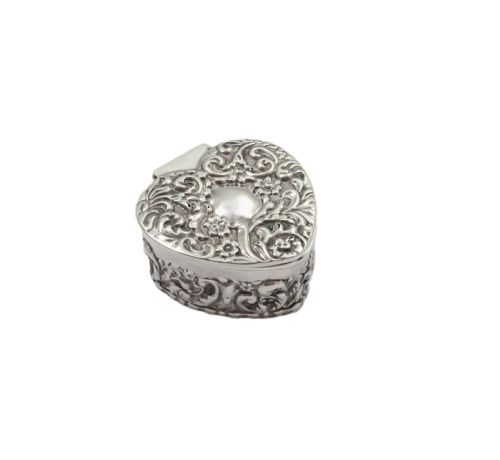


Silver Heart Box
A silver heart box holds small treasures with sentimental form, spanning Victorian trinkets to Edwardian pill boxes.
The silver heart box
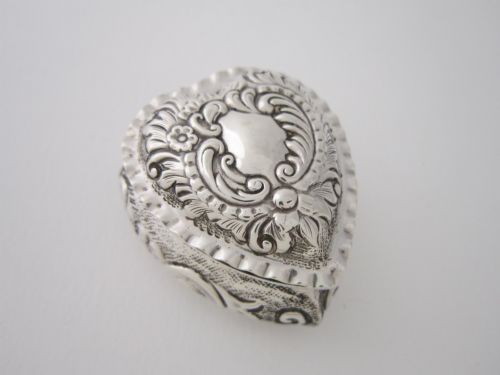
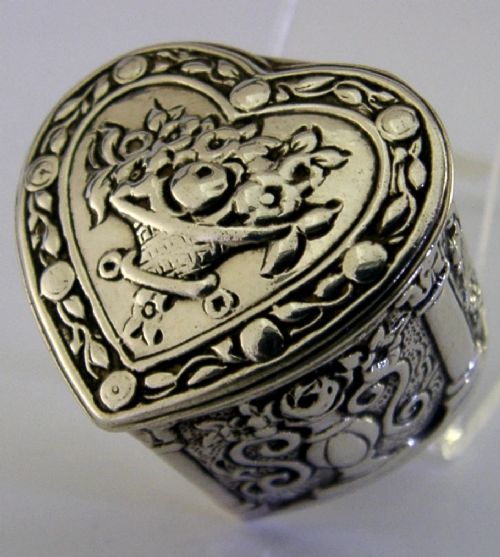
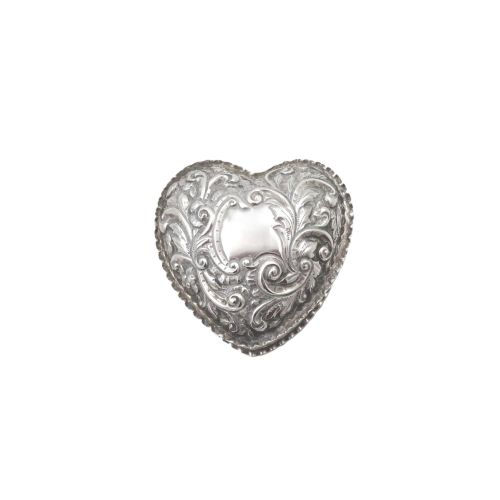
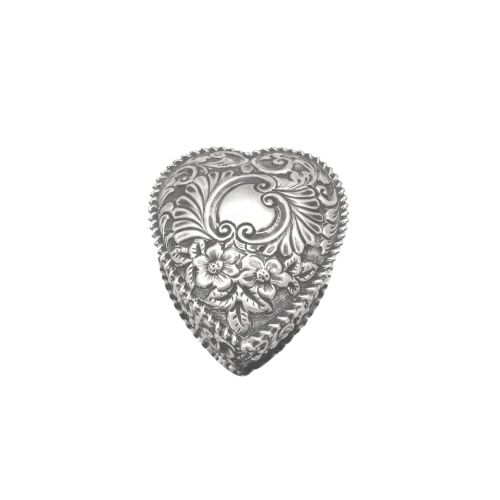
A silver heart box takes the form of a romantic motif, housing keepsakes, pills, or rings on a dressing table. When exploring this selection, buyers frequently encounter Victorian and Edwardian examples alongside George V pieces.
The objects serve as functional containers, often designated as trinket boxes, pill boxes, or jewellery boxes. Origins range from English assay offices in London, Birmingham, and Chester to Continental workshops and Indian makers.
Materials and technique
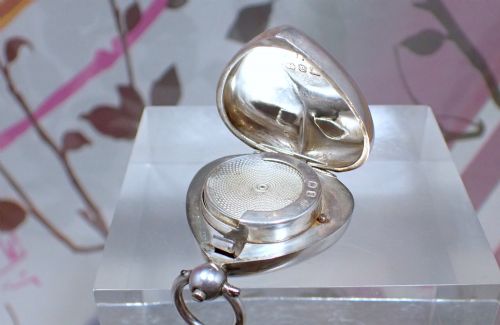
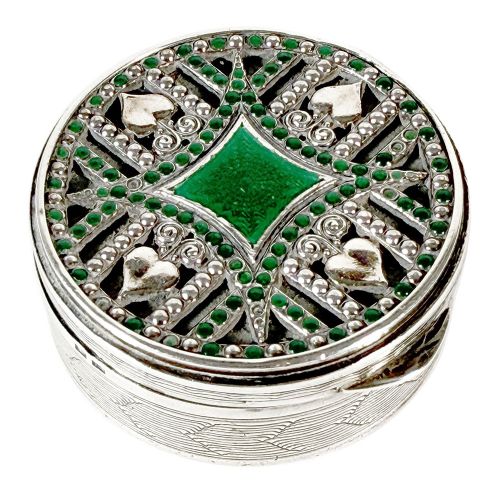
Silversmiths utilise sterling silver and solid silver, occasionally applying silver gilt for a rich internal finish. Enamel work, green glass, and pique work appear across continental and domestic pieces.
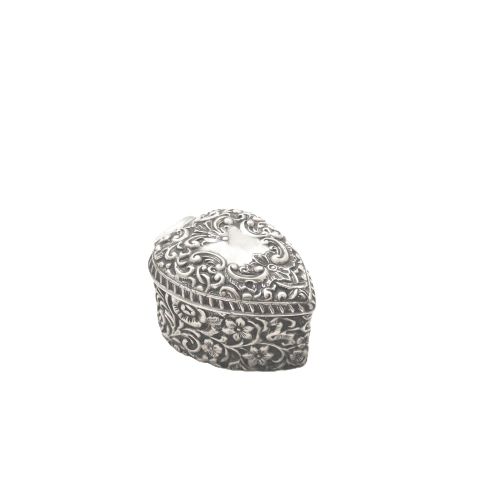
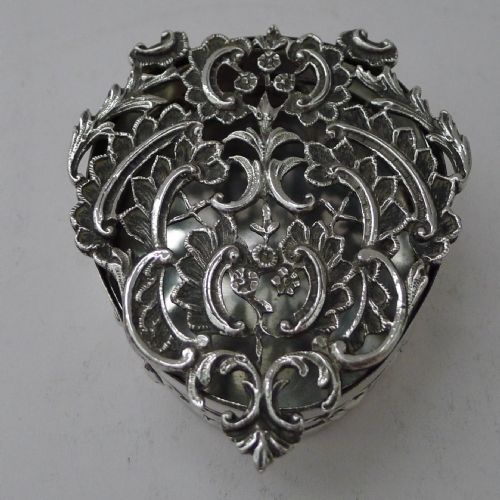
Embossed decoration, piercing, and chased details define the surface work on these containers. Makers shape the metal into the characteristic heart profile, incorporating hinged lids for daily use.
Retail Price Guide 2026
Typical UK retail prices for silver heart box, calculated from the Sellingantiques database of over a million retail prices indexed since 2003. This retail price guide relies exclusively on Sellingantiques data; no external sources or auction records are used, so the figures do not describe the wider market.
Listings feature sterling silver, enamel, and green glass materials across Victorian, Edwardian, and George V periods.
Distinctions in craftsmanship
The depth of relief in embossed motifs and the precision of pierced metalwork separate standard containers from finer productions. Crisp hallmarks and robust hinges indicate superior workshop standards.
The integration of secondary materials, such as enamel panels or fitted glass inserts, determines the sophistication of the piece. Maker attribution, through recognised marks, adds distinction to specific items.
George Adam Scheid·Levi and Salaman·William Comyns·Deakin and Francis
The Silver Heart Box Glossary
- Sterling silver
- An alloy comprising silver and other metals, meeting a specific standard of purity. This material forms the primary body of most listed boxes.
- Silver gilt
- Silver that has been coated with a thin layer of gold on its surface. This technique provides a warm interior colour within the lidded container.
- Pique work
- The process of inlaying tiny pins of gold or silver into tortoiseshell or ivory surfaces. Examples appear on specific small containers.
- Hallmark
- An official stamp applied to precious metals indicating origin, purity, and assay office. These marks help date Victorian and Edwardian boxes.
- Vinaigrette
- A small ornamental box featuring an internal perforated grille. These containers held a sponge soaked in aromatic vinegar during earlier periods.
Frequently Asked Questions
What fits inside a silver heart box?
These small containers accommodate rings, pills, or tiny keepsakes. Their compact cavities suit dressing table storage for delicate items.
The hinged lids protect the contents while offering a decorative object for display.
How do I date a silver heart box?
Assay office hallmarks stamped on the silver provide the exact year of manufacture for British pieces. Maker marks also help identify the period of production.
Style indicators such as Art Nouveau curves or Victorian embossing offer further clues to the age.
Where were these boxes made?
British pieces originate primarily from assay offices in Birmingham, Chester, and London. Continental makers in Hanau and Indian workshops also produced these heart-shaped containers.
Regional differences appear in the decorative techniques and silver purity standards applied by each maker.
How do I care for silver boxes?
Gentle dusting preserves the polished surface without wearing down embossed details or enamel work. Avoid harsh chemical dips that strip the natural patina accumulated over decades.
Store the boxes away from direct moisture to protect internal linings and hinged mechanisms.