

Victorian Pill Box
A victorian pill box represents small-scale nineteenth-century metalwork and craftsmanship designed for personal pocket use.
Victorian Pill Box
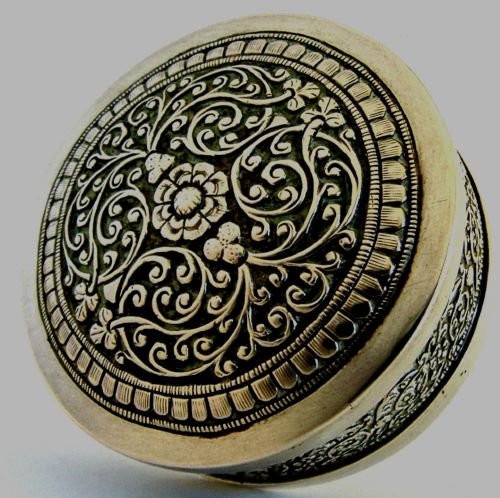
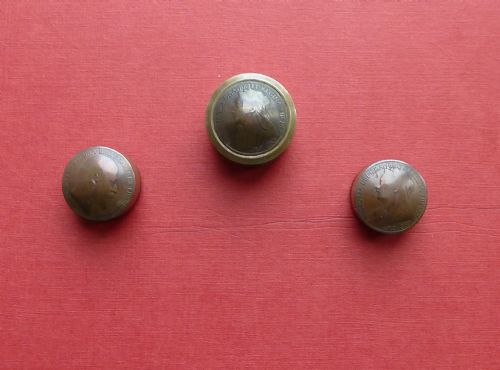
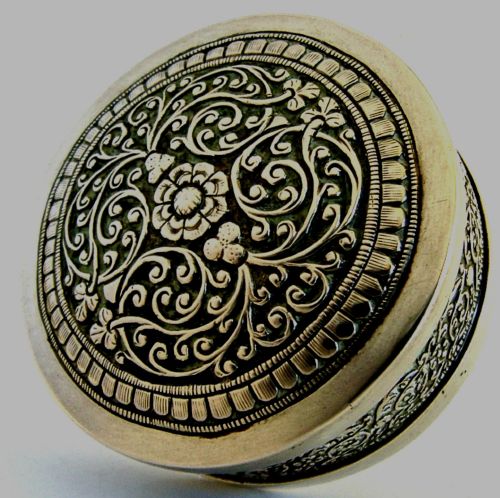
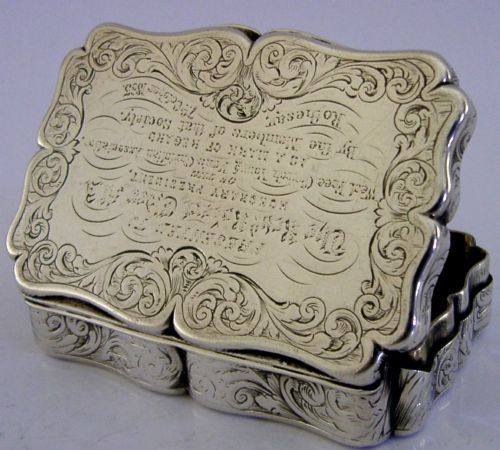
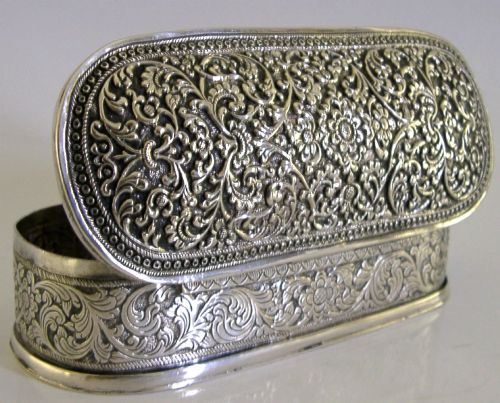
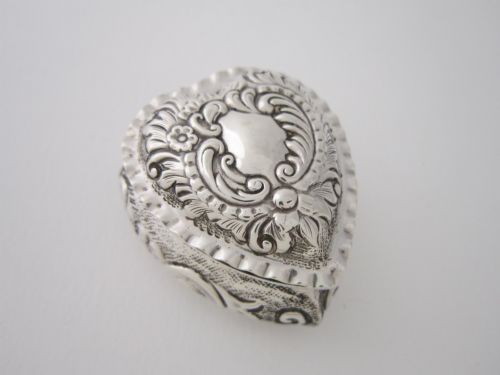
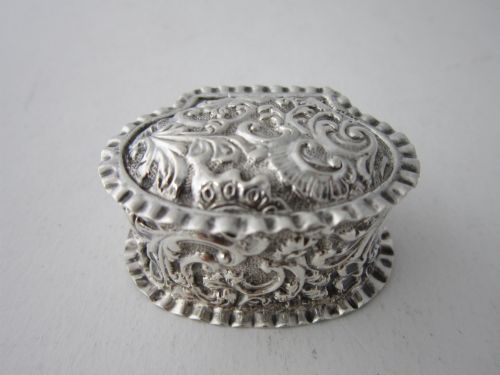
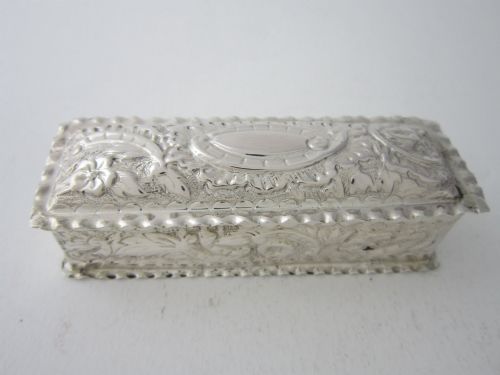
A victorian pill box encompasses small pocket receptacles produced during the nineteenth century for carrying medicines, snuff, or small personal items. Most examples seen on this page date from the Victorian and Edwardian eras, spanning the mid-nineteenth century up to around nineteen-ten.
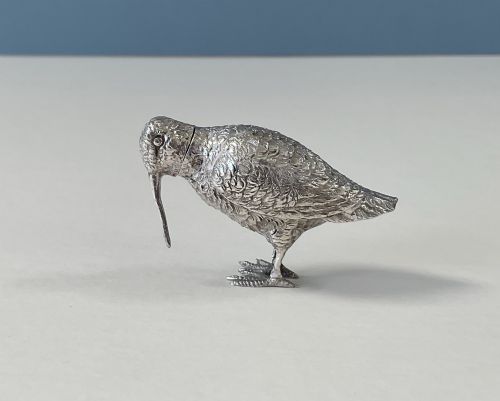
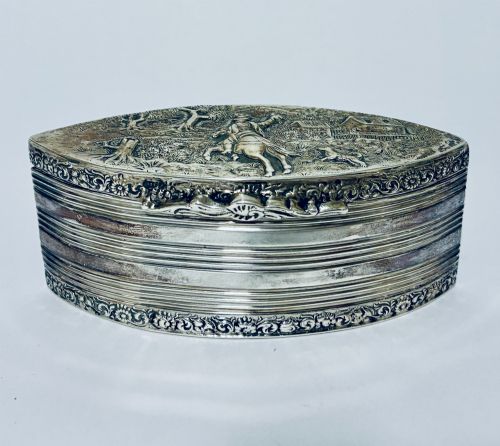
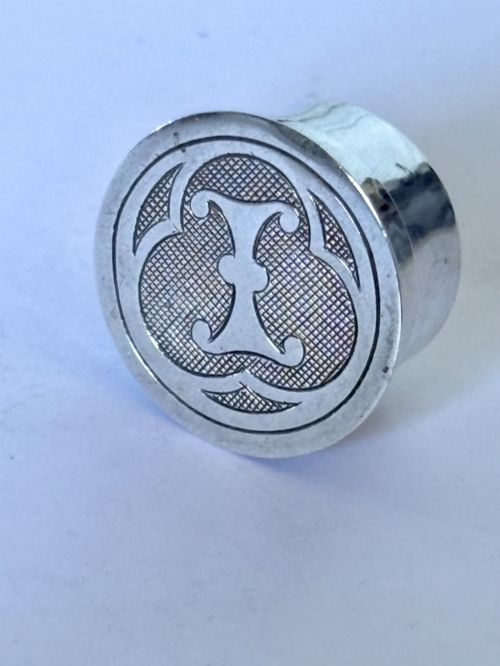
The physical forms vary widely from simple round and oval containers to shaped hearts, books, barrels, and novelty animals. Alongside dedicated pill boxes, the listings include related small containers such as snuff boxes, vinaigrettes, and trinket boxes made in similar miniature dimensions.
Origins stretch from British provincial assay offices like Birmingham and Chester to continental Europe, India, and Ceylon. Makers utilised local materials and regional decorative traditions, resulting in diverse provincial styles.
How they were made
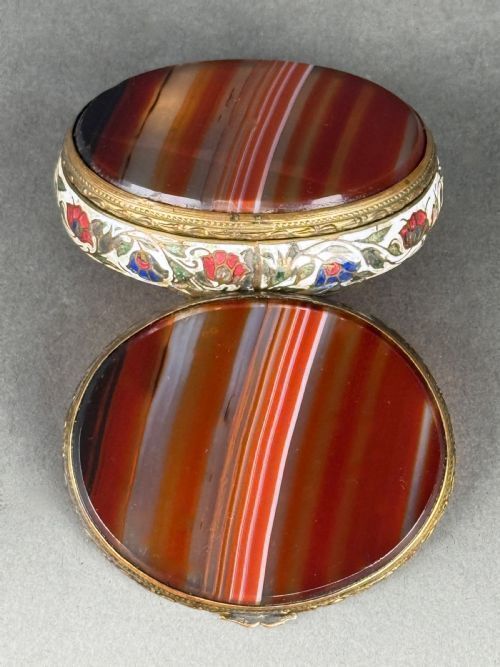
Sterling silver and solid silver form the foundation of most pieces, frequently finished with silver gilt or paired with brass and gilt metal frames. Artisans also incorporated glass, enamel, agate, horn, abalone shell, and wood into the constructions.
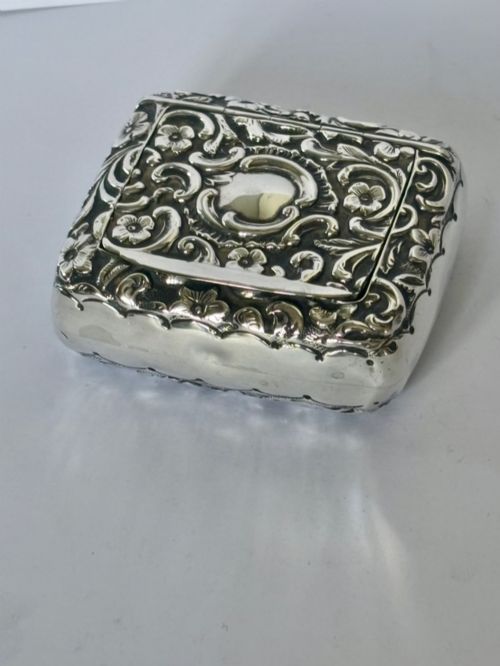
Techniques relied on hand-working methods including embossing, chasing, piercing, engraving, and engine-turning. Stones such as moss agate and banded agate were cut and polished to fit tightly into metal bezels.
Geographic origins span British provincial assay offices, continental Europe, and Anglo-Indian workshops.
What varies in quality
Differentiation at the upper end relies on the crispness of chased or embossed decoration and the precision of the hinge and closure. Superior items display well-defined hallmarks, clean interior gilding, and securely mounted hardstone panels without gaps.
Simpler mass-produced containers show softer stamped patterns and lighter gauge metal. The inclusion of specialised elements like champlevé enamel or unusual novelty shapes elevates the craftsmanship.
Henry Matthews·FA Barrett·Robert Thornton·Edward Smith·Saunders & Shepherd·Deakin & Francis·Synyer & Beddoes·Adie & Lovekin·Minshull & Latimer·Asprey
The Victorian Pill Box Glossary
- Silver Gilt
- Silver that has been coated with a thin layer of gold on its surface. This technique protects the underlying silver from tarnishing and adds a rich warm tone to the interior or exterior of small boxes.
- Vinaigrette
- A small hinged container holding a sponge soaked in aromatic vinegar. These pieces feature an internal pierced grille that allowed the scent to escape while holding the saturated sponge in place.
- Champlevé Enamel
- A technique where troughs or cells are hollowed out of the metal surface and filled with vitreous enamel powder before firing. The resulting coloured glass design sits flush with the surrounding metal partitions.
- Hallmark
- An official stamp applied to precious metals indicating the standard of purity, the assay office of origin, and the year of manufacture. British pieces typically show a maker mark alongside city and date symbols.
- Pyx
- A small circular container traditionally used to carry sacramental bread. In secular forms, these small lidded vessels served similar pocket-storage functions.
Victorian Pill Box: Frequently Asked Questions
What were victorian pill boxes used for?
These small receptacles held personal medicines, lozenges, or powders for quick access during the day. Wealthy owners carried them inside pockets or handbags alongside matching snuff boxes and vinaigrettes.
Many designs served decorative as well as utilitarian functions, functioning as portable status symbols or keepsakes. Heart-shaped versions frequently acted as tokens of affection or engagement gifts.
How do I identify the date of a silver box?
British silver pieces generally carry legible hallmarks stamped by assay offices in cities such as Birmingham, Chester, or London. A specific date letter within these stamps corresponds to the year the item was tested and marked.
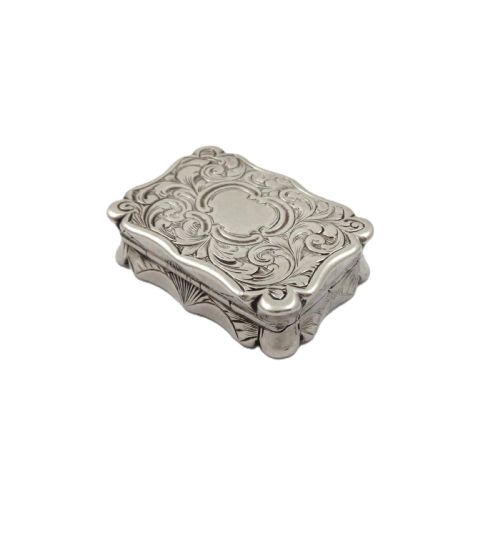
When hallmarks are absent on continental or organic pieces, stylistic clues like Victorian scrollwork, Art Nouveau curves, or material choices help narrow the production window.
How should I clean antique silver boxes?
Gentle dusting with a soft cloth removes everyday debris without harming delicate engraved details or applied patinas. Avoid harsh chemical dips, particularly on pieces with gilt surfaces, enamel, or inset stones like moss agate.
Store the containers in dry environments away from direct sunlight to protect vulnerable materials such as horn, wood, and glass.
Are all small silver boxes pill boxes?
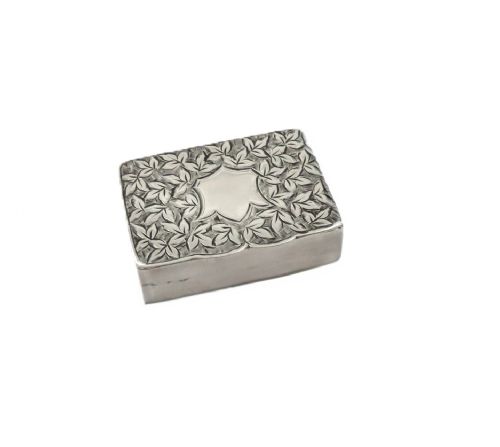
Makers produced various miniature containers that share similar dimensions but served different historical purposes. Items with internal perforated grilles are vinaigrettes, while flatter rectangular specimens are typically snuff boxes.
Trinket boxes, vanity pots, and patch boxes also overlap in size with pill boxes, though their intended contents varied according to nineteenth-century fashions.