



Floral Silver Container
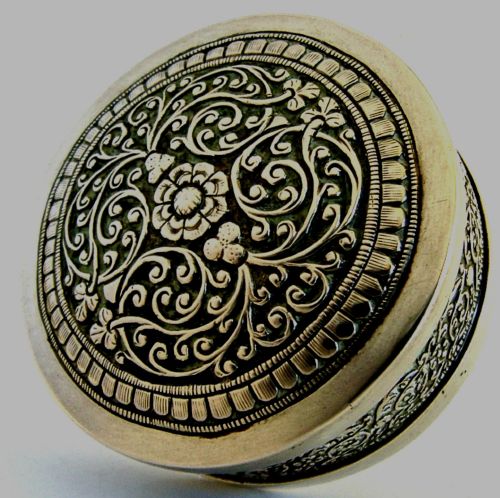
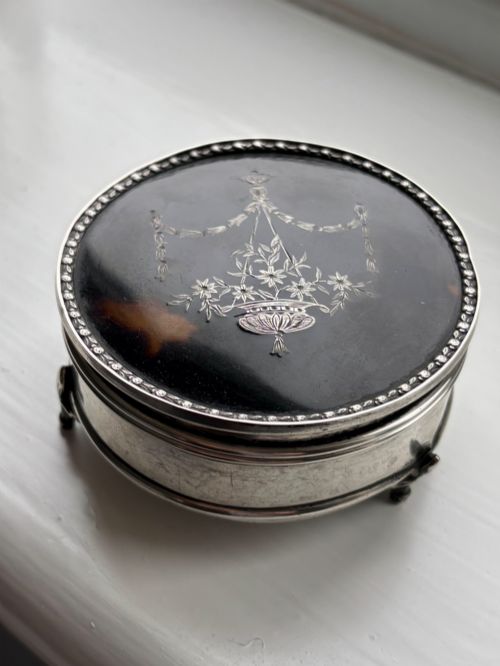
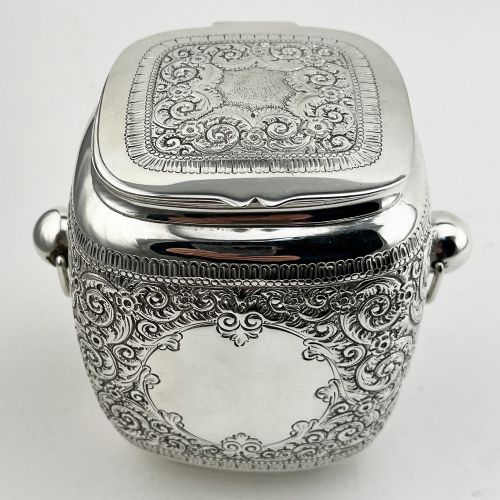
These floral silver container pieces span the Victorian and Edwardian eras, offering intricate floral scrollwork and craftsmanship for practical display and storage.
Floral Silver Container
When you search for a floral silver container, you encounter a varied selection of antique boxes, jars, and caddies created during the late nineteenth and early twentieth centuries. These vessels served functional domestic roles on dressing tables and in reception rooms, often designed to hold trinkets, cotton, or dry goods.
The pieces on this page originate from diverse styles, including Victorian, Edwardian, Art Nouveau, and Anglo-Indian Colonial traditions. Such items bring distinct period character into modern interiors through their embossed decoration and varied utilitarian forms.
How They Were Made
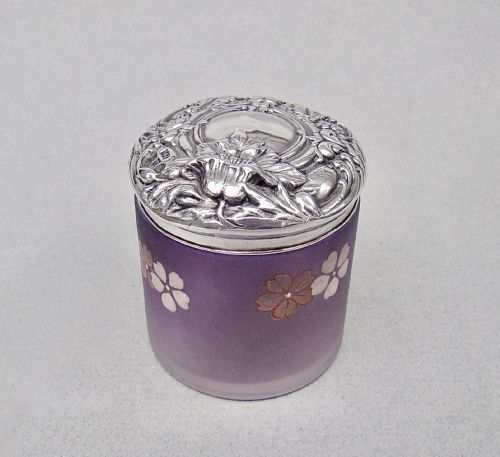
Makers utilised sterling silver and silver plate alongside mixed materials such as faux tortoiseshell, frosted glass, and ceramic earthen bodies. Artisans applied techniques including piercing, embossing, and silver lid mounting to decorative glass and ceramic vessels.
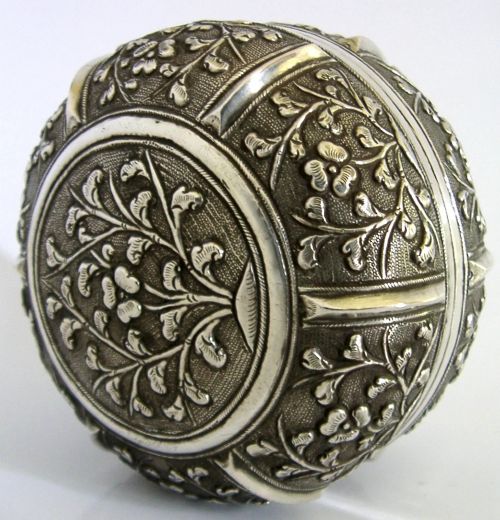
Workshops incorporated fine details like gold leaf accents and floral scrollwork into the metal surfaces, reflecting the prevailing craftsmanship of Birmingham, Chester, and export centres.
Some cigarette cases feature surprisingly unusual opening mechanisms designed to outsmart eager smokers.
What Varies in Quality
Quality in these containers rests on the crispness of the floral embossing and the structural integrity of the closing mechanisms. Superior examples exhibit deliberate hand-pierced scrollwork and well-fitted lids that maintain proper alignment with the base.
The choice of secondary materials, such as clear frosted glass or genuine faux tortoiseshell inserts, distinguishes finer dressing table pieces from standard production wares.
Ollivant & Botsford·EV Pledge & Son·Martin Hall & Co
The Floral Silver Container Glossary
- Sterling silver
- A silver alloy containing 92.5 percent pure silver by mass, standard for quality British plate and small wares. It provides durability alongside a bright metallic finish.
- Silver plate
- A base metal layer covered with a thin coating of silver, offering the visual appearance of solid metal at a different production tier. This technique allowed manufacturers to produce larger vessels affordably.
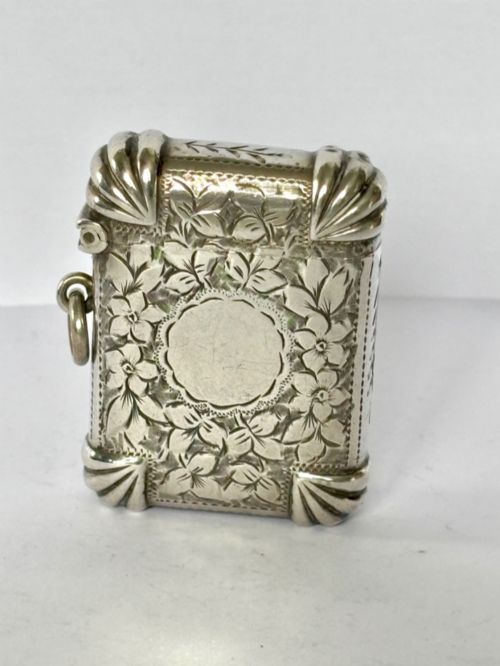
- Vesta case
- A small pocket container designed to hold matches, typically fitted with a striking strip on the base. They often feature engraved or embossed ornamentation matching larger boxes.
- Biscuit barrel
- A lidded ceramic or glass jar with a metal rim and handle, used for storing dry biscuits in the dining room. These vessels frequently combine earthenware bodies with plated mounts.
- Scrollwork
- Ornamental carving or metalwork featuring spiral and curved plant motifs. This decorative technique dominates the floral designs seen across Victorian and Edwardian boxes.
Floral Silver Container: Frequently Asked Questions
What were floral silver containers used for originally?
These vessels held personal items on dressing tables, including trinkets, cotton, cosmetics, and matches. They also served in reception rooms as tea caddies or biscuit barrels for hosting guests.
Their presence in the home reflected both domestic utility and a desire for decorative refinement during the Victorian and Edwardian periods.
How can I date a silver container?
Dating relies heavily on hallmarks stamped into the metal, which indicate the assay office, year, and maker. Stylistic clues such as Art Nouveau flowing lines or Victorian heavy scrollwork also help narrow the timeframe.
Examining the construction methods, such as hinge types and internal linings, provides further confirmation of the manufacturing era.
How do I care for antique silver and mixed materials?
Silver components require gentle cleaning with a soft cloth and specialised polish to maintain the finish without removing thin plating or fine details. Care must be taken to avoid harsh chemicals coming into contact with glass, ceramic, or faux tortoiseshell elements.
Storing these objects away from direct sunlight and excessive humidity protects vulnerable organic inserts and prevents tarnishing.
Are these containers suitable for everyday use?
Many of these pieces function well for storing small modern accessories like jewellery, keys, or dry goods. Their sturdy construction in solid silver or plate allows for gentle daily handling in domestic spaces.
Fragile examples featuring frosted glass or delicate pierced work benefit from placement in low-traffic areas to avoid accidental damage.