
Antique Engraved Silver Box
An antique engraved silver box holds everything from personal keepsakes to snuff, shaped by Georgian and Victorian hands.
Antique Engraved Silver Box
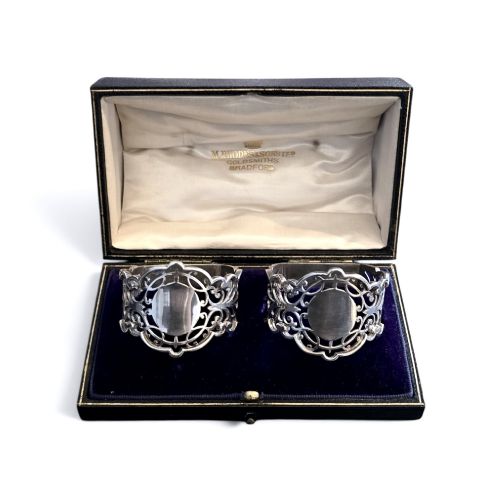
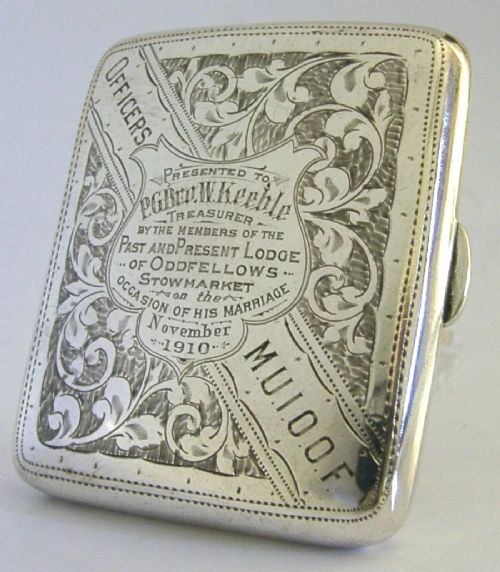
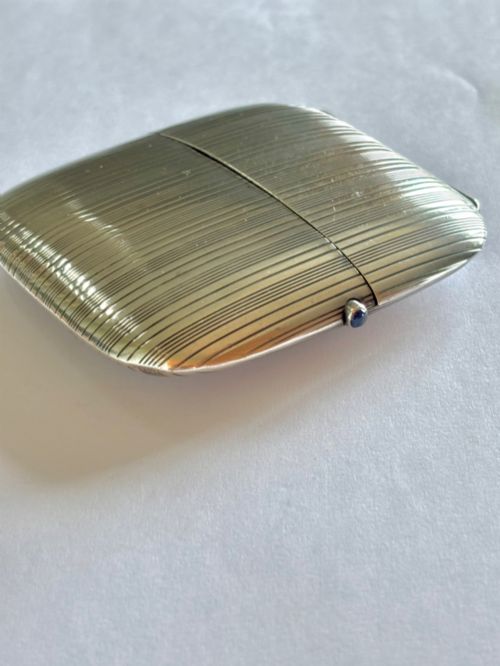
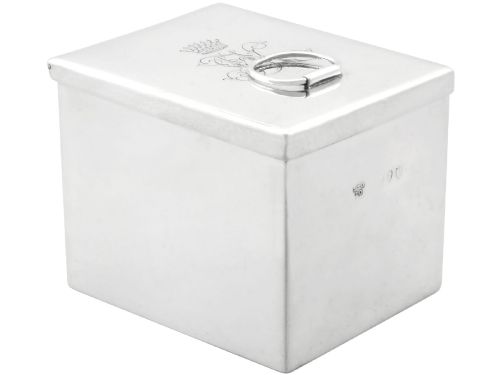
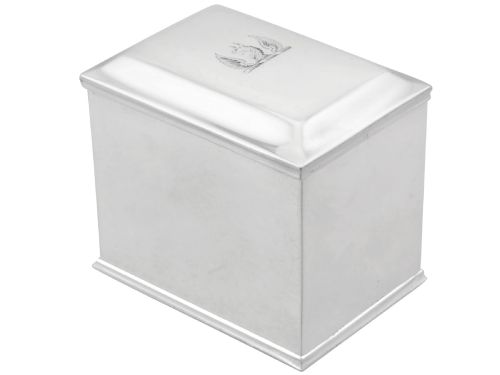
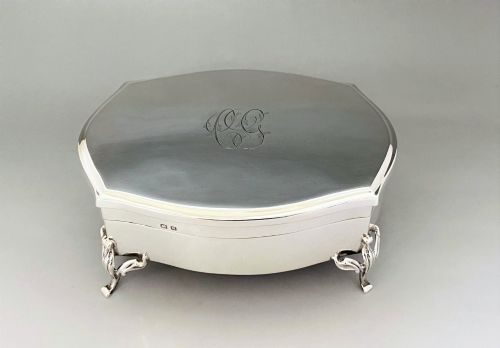
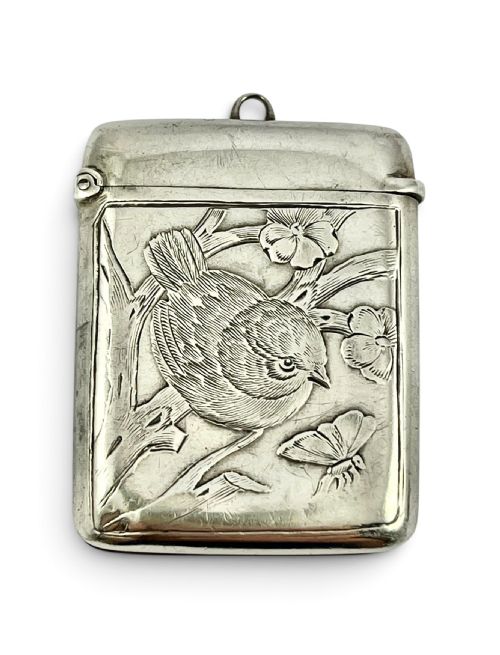
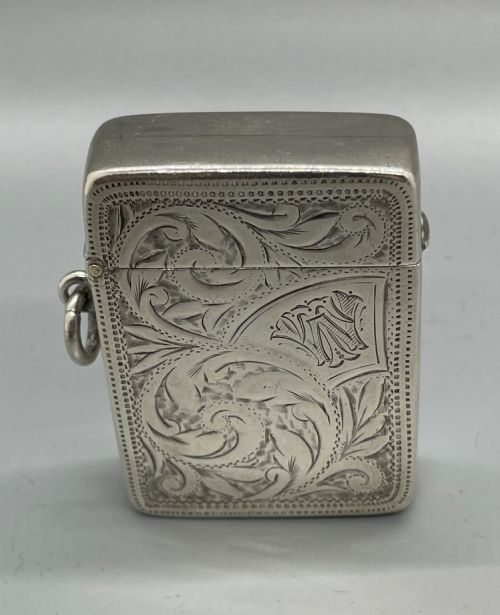
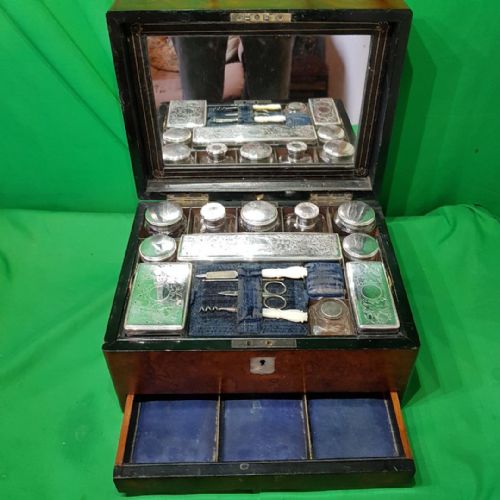
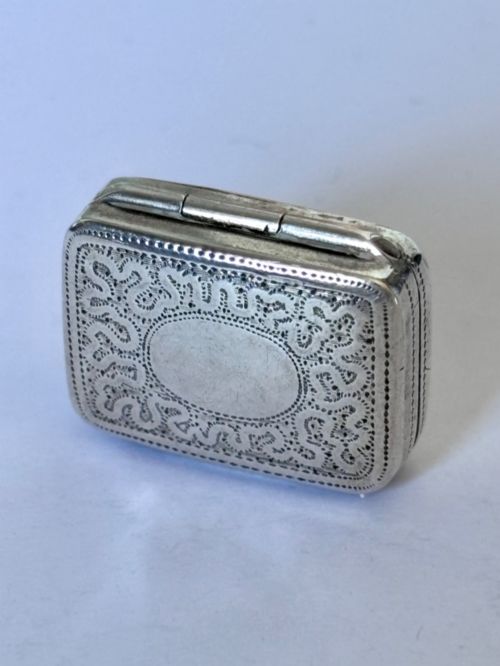
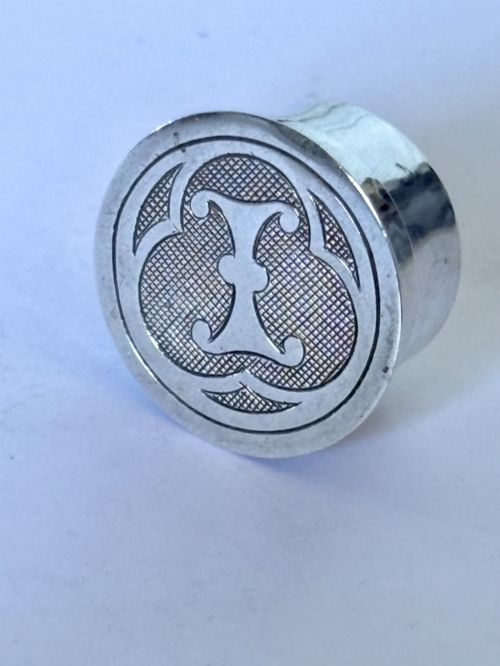
When you search for an antique engraved silver box, you encounter small personal containers intended for practical use or display, spanning the Georgian, Victorian, and Edwardian eras. The selection on this page includes snuff boxes, vinaigrettes, tea caddies, card cases, and vesta cases fashioned from sterling silver and silver gilt.
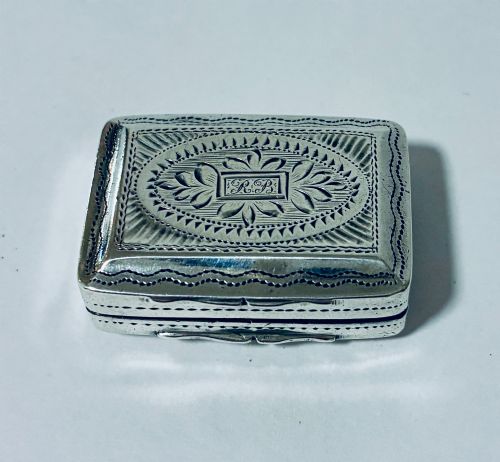
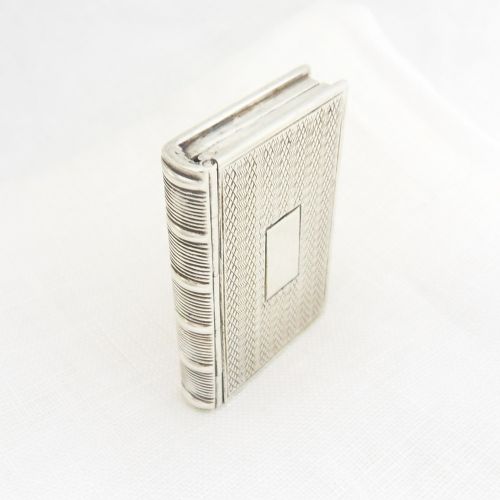
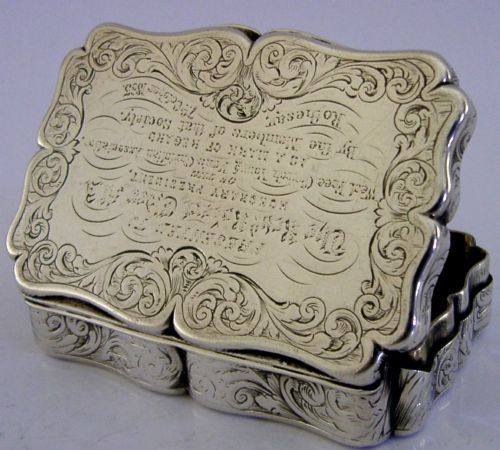
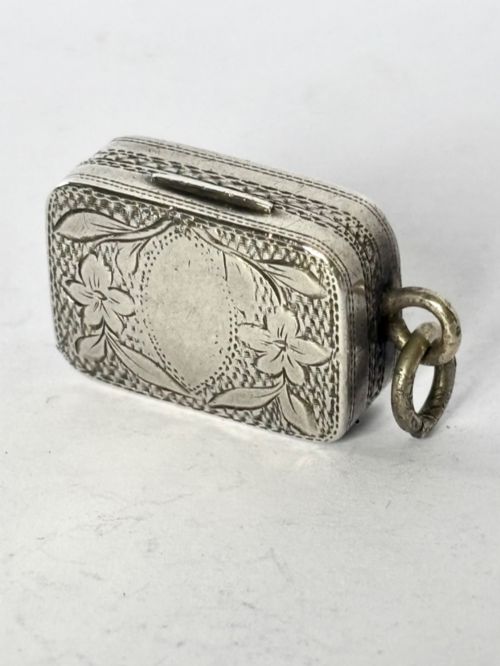
Vinaigrettes and snuff boxes represent the most frequent forms from the late eighteenth and nineteenth centuries, often carrying intricate hand-engraved scrollwork, crests, or architectural views known as castle tops. These pieces originate primarily from British workshops, though continental and Turkish examples also appear.
Tea caddies and trinket boxes offer larger scales, frequently lined with velvet or incorporating glass and enamel. Each object reflects the social habits of its period, whether for storing dry tea leaves in the parlour or carrying matches in a pocket.
Materials and technique
Silversmiths utilised sterling silver and silver gilt, shaping sheet metal through hammering, stamping, and casting before applying hand engraving with gravers and burins. The resulting surface patterns range from delicate floral foliage to deep engine-turned geometric designs.
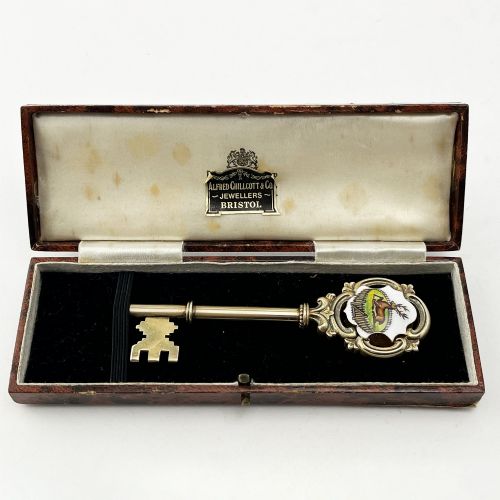
Interior elements often feature silver gilt to prevent corrosion from contents such as aromatic vinegars or tobacco, while internal grilles in vinaigrettes are pierced and engraved by hand. Additional materials like enamel, agate, and glass appear as mounted panels or fitted inserts.
Maker's marks, assay office stamps, and date letters are typically stamped directly into the metal surface, providing a direct record of origin and year of manufacture.
Listings span the Georgian, Victorian, and Edwardian periods, utilising sterling silver, silver gilt, enamel, glass, and velvet.
Distinctions in craftsmanship
The distinction between ordinary and exceptional examples lies in the depth and precision of the hand engraving, the crispness of the cast mounts, and the tightness of the hinge closure. A superior box demonstrates careful alignment where lid and base meet, showing no gaps when shut.
Pieces bearing the punch marks of notable silversmiths command greater attention, as do those featuring specialised techniques such as castle top scenes or multi-coloured gold accents. The survival of original gilding inside a vinaigrette or the integrity of an integrated grille indicates how well a piece has been preserved.
Weight and structural substance also divide the range, with heavier gauge silver providing greater resilience against daily wear and minor dents.
Martin Hall & Co·Taylor & Perry·Samuel Pemberton·Thomas Johnson·Robert Hennell·Nathaniel Mills·Cornelius Bland·Robert Thornton·Edward Smith·Paul Storr·Sampson Mordan & Co
The Antique Engraved Silver Box Glossary
- Vinaigrette
- A small pocket container fitted with a perforated internal grille, used to hold a sponge soaked in aromatic vinegar. These date chiefly from the Georgian and Victorian periods.
- Vesta case
- A small box designed to hold matches, typically fitted with a striking strip on the base and a hinged lid. They were widely carried in pockets or attached to watch chains during the Victorian and Edwardian eras.
- Silver gilt
- Sterling silver that has been coated with a thin layer of gold through a chemical or electrochemical process, often found on the interior of boxes to prevent tarnishing.
- Castle top
- An engraved decorative style featuring a specific architectural landmark, such as Windsor Castle, rendered in high relief on the lid of a card case or box.
- Assay mark
- A stamped symbol indicating the purity of the metal, the town of testing, and the year of manufacture, stamped by an official assay office.
Antique Engraved Silver Box: Frequently Asked Questions
What was a vinaigrette used for?
A vinaigrette held a small sponge soaked in scented vinegar or smelling salts, used to counter unpleasant odours in crowded public spaces.
The perforated internal grille allowed the scent to escape while keeping the damp sponge securely contained within the silver casing.
How do I date an antique silver box?
Dating relies on the set of hallmarks stamped into the metal, which typically include a maker's mark, a standard mark for silver purity, an assay office symbol, and a date letter.
Comparing the specific shape of the shield and the font of the date letter against hallmarking records reveals the exact year and location of manufacture.
What is the difference between a snuff box and a card case?
A snuff box is a small, shallow container designed to hold ground tobacco for inhalation, featuring a tight-fitting lid to preserve moisture and aroma.
A card case is flatter and wider, built specifically to hold visiting cards made of paper or pasteboard.
How should I clean antique silver?
Cleaning requires a soft microfibre cloth and mild soapy water to remove surface dust without disturbing the original patina or fine engraving.
Harsh chemical dips and abrasive polishes should be avoided because they strip away microscopic layers of metal and soften crisp surface details over time.