
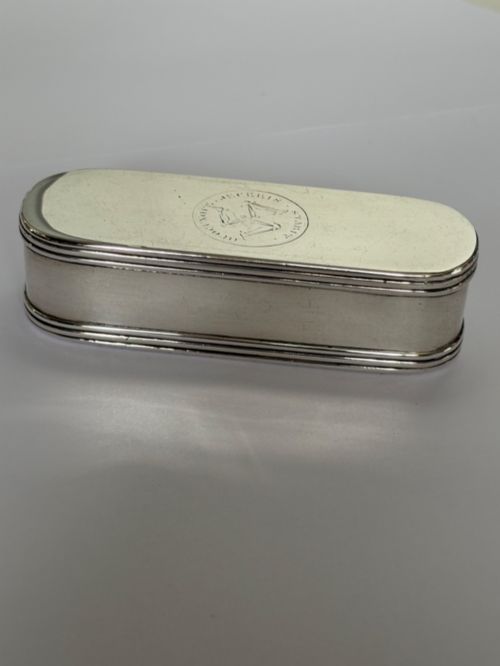
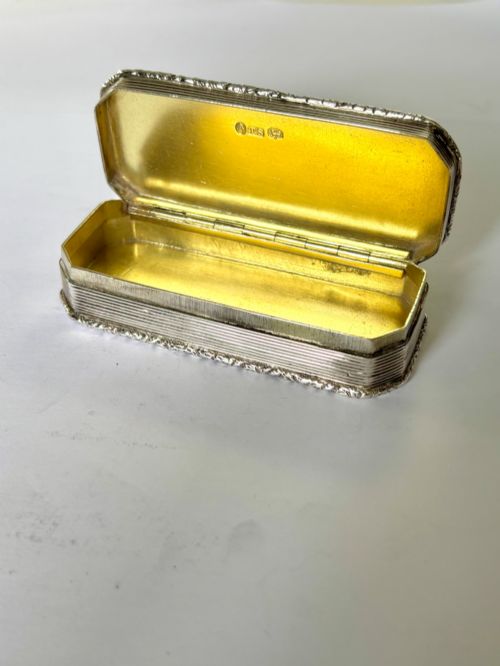
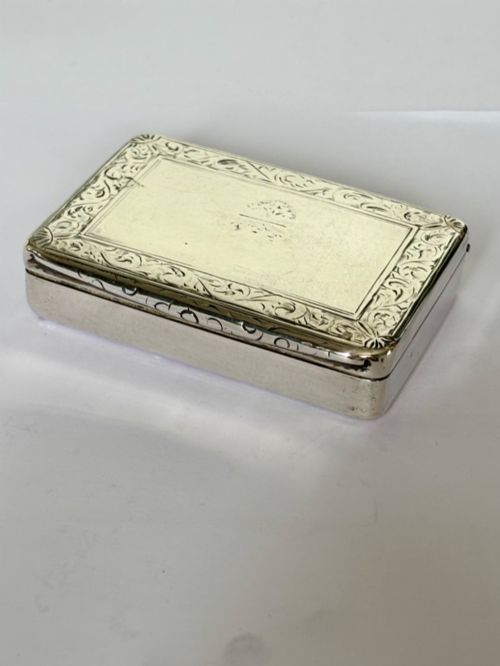
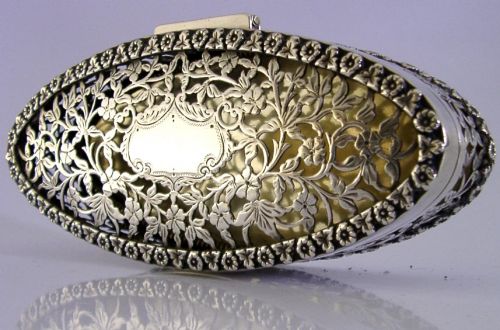


Silver Gilt Trinket Box
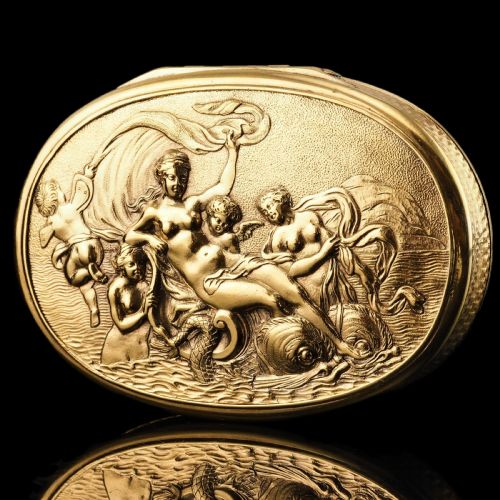
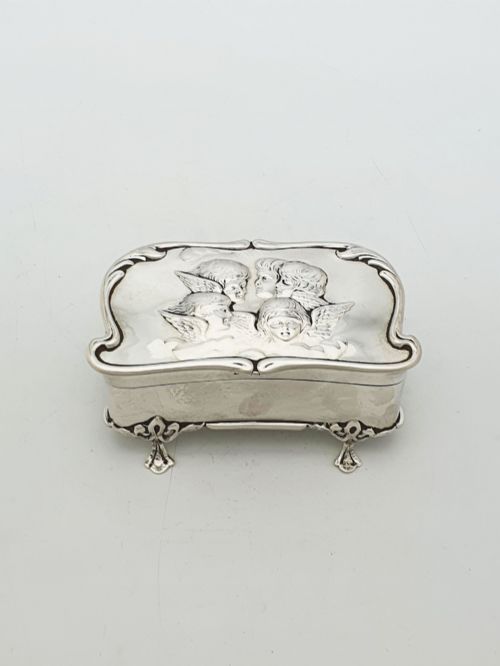
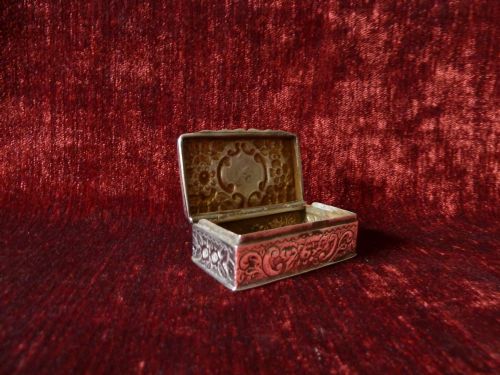
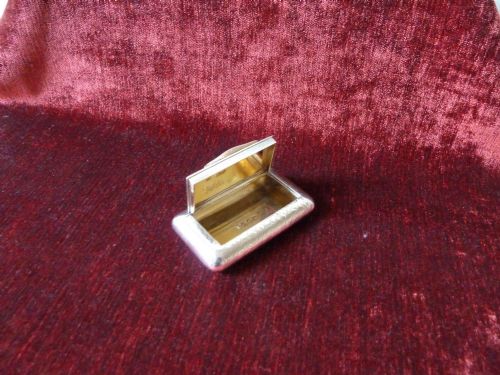
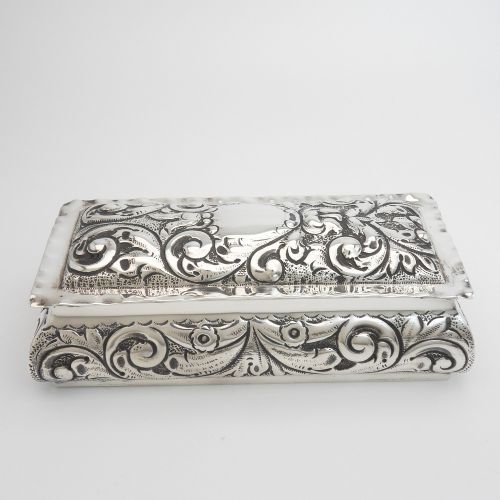
When you search for a silver gilt trinket box, you are looking at small containers of sterling silver washed with gold, shaped to hold keepsakes.
Silver Gilt Trinket Box
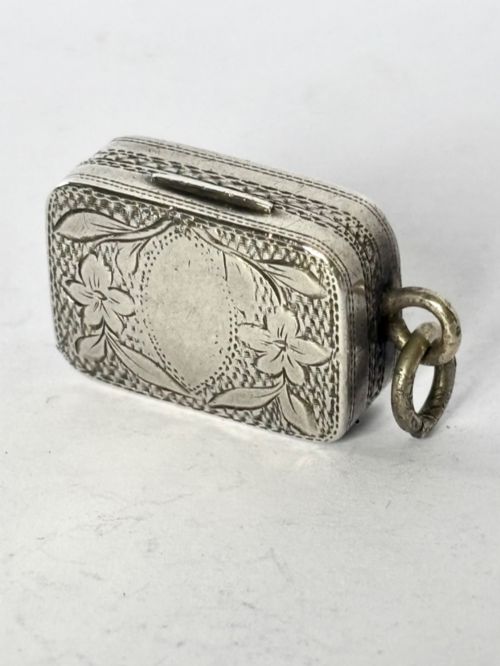
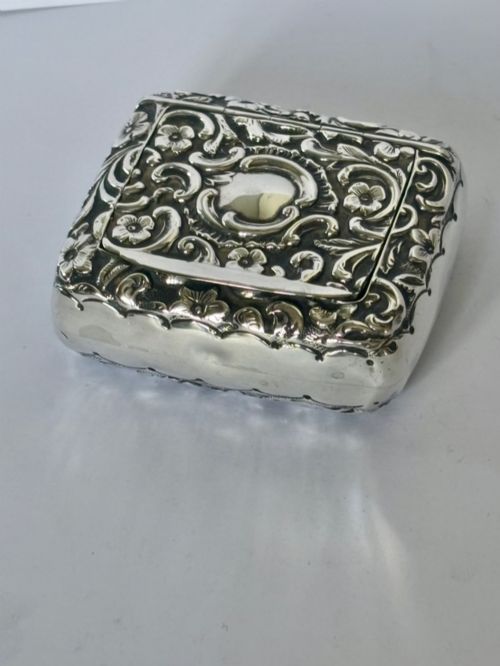
A silver gilt trinket box typically appears in forms such as snuff boxes, vinaigrettes, pill boxes, and small caskets made for personal use. The selection spans Georgian, Victorian, Edwardian, and French nineteenth-century periods, showing shifts from restrained classical lines to ornate Rococo and Renaissance Revival motifs.
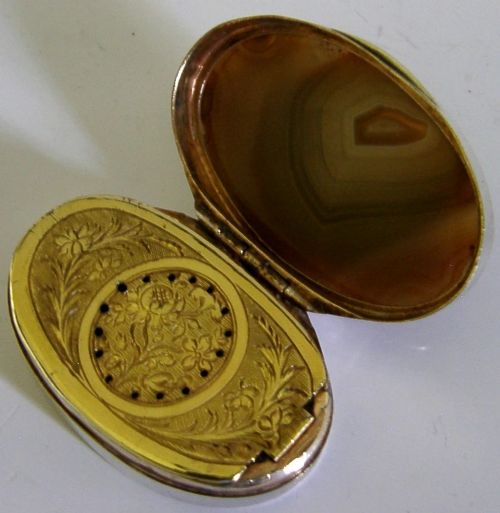
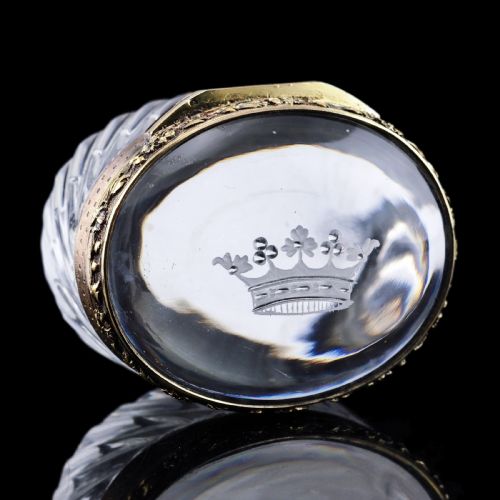
Most items you encounter combine sterling silver or higher purity continental silver with an interior or exterior wash of gold gilt, sometimes paired with enamel, agate, crystal, or tortoiseshell.
How they were made
Silversmiths formed the body of each silver gilt trinket box from sterling silver or higher purity alloys through casting, raising, or piercing, before applying a layer of gold via mercury gilding or electrogilding.
Surface decoration relied on hand-chasing, engine-turned guilloche engraving, repoussé embossing, and the setting of hardstones like agate or intricate enamel appliques into the metal lid.
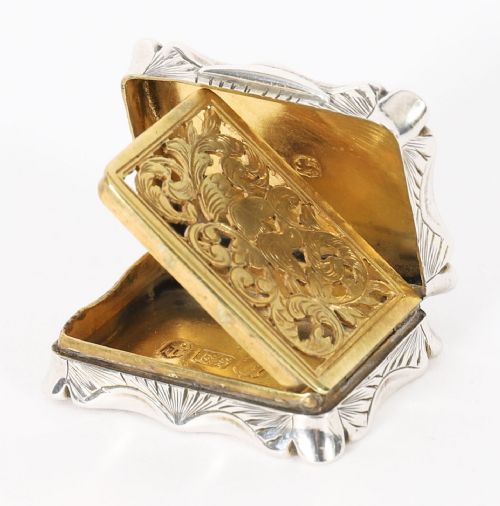
A walnut-styled vinaigrette proves that silversmiths occasionally borrowed their best ideas from the fruit bowl.
What varies in quality
Quality rests upon the crispness of cast borders and hand-engraved details, where sharper acanthus motifs and deeply struck hallmarks distinguish superior workshop output.
The integrity of the gold wash and the precision with which hinged lids close flush against the body determine the overall standard of preservation and craftsmanship.
Samuel Pemberton·Henry Matthews·Cornelius Bland·Thomas Shaw·Edward Smith·Samson Mordan·A J Zimmerman Ltd·Edward Farrell·William Comyns·Khlebnikov
The Silver Gilt Trinket Box Glossary
- Silver gilt
- Sterling silver or another silver alloy coated with a thin layer of gold. This treatment protected the silver from tarnishing in daily use while providing the rich appearance of solid gold.
- Vinaigrette
- A small ornamental box featuring a pierced inner grille, designed to hold a sponge soaked in aromatic vinegar. Victorians and Georgians carried these to mask unpleasant odours.
- Guilloche
- A decorative mechanical engraving technique that produces precise, intricate recurring geometric patterns. It frequently serves as a background beneath translucent enamel on French and English boxes.
- Vermeil
- High-grade silver coated with gold, a term frequently applied to continental European pieces. The thickness of the gold layer varies by period and method of application.
- Etui
- A small compact case designed to hold needles, tweezers, scissors, or writing implements. These elongated containers often feature matching silver gilt construction.
Silver Gilt Trinket Box: Frequently Asked Questions
What is a silver gilt trinket box used for?
These boxes served practical and personal functions, holding snuff, fragrant vinegars, pins, or small valuables. Their miniature scale made them portable accessories for pockets or dressing tables.
Over time, their utility shifted from daily personal use to decorative display and the safe storage of small keepsakes and jewellery.
How do I date an antique silver box?
English and British pieces rely heavily on clear hallmarks stamped into the metal, which include maker marks, standard marks, and date letters corresponding to specific assay offices like Birmingham, Chester, or London.
Stylistic cues such as Rococo scrolls, neoclassical lines, or the heavy cast borders of the Victorian era help narrow down pieces that lack legible assay stamps.
What is the difference between silver and silver gilt?
Solid silver presents a bright white metallic finish that naturally oxidises and tarnishes when exposed to air and handling. Silver gilt applies a layer of gold over the silver base.
This golden coating warms the appearance of the piece and prevents surface tarnish, particularly on the interior where substances like snuff or vinegar might otherwise react with the metal.
Are French silver gilt boxes different from English ones?
Continental European boxes, particularly French nineteenth-century pieces, often utilise higher purity silver standards such as ninety-five percent silver alongside vermeil finishes. They frequently incorporate guilloche enamel, tortoiseshell, or crystal.
English pieces from the Georgian and Victorian eras lean towards sterling silver standards with crisp cast ornamentation, engine-turning, and distinct town hallmarks.