
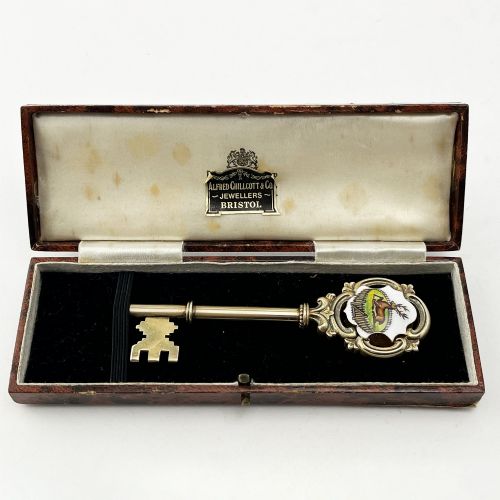
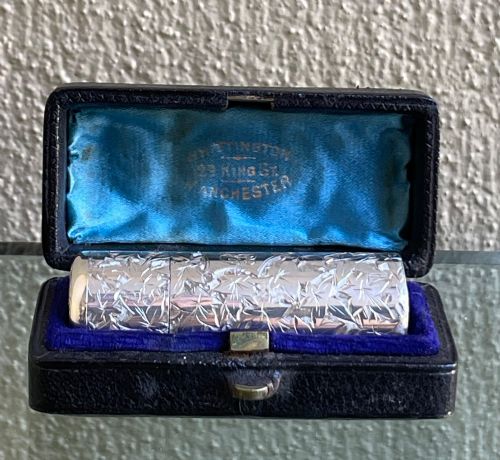
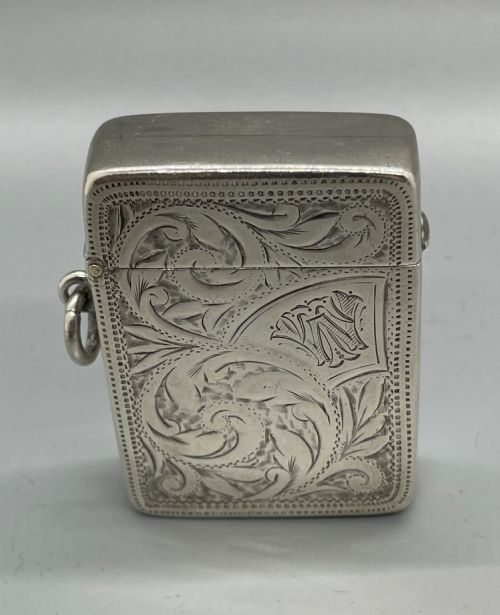
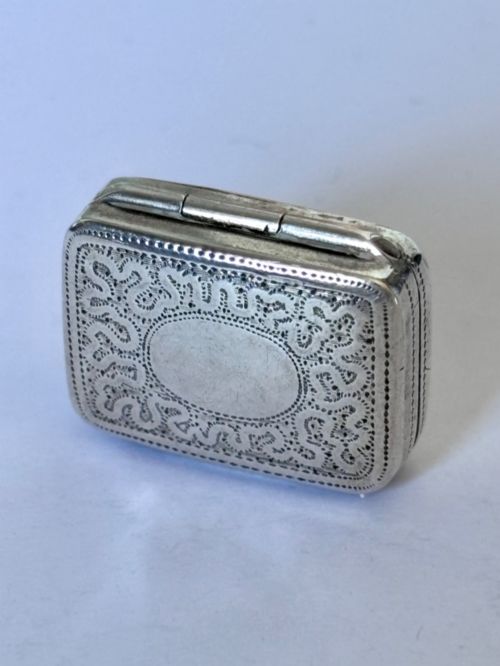
Engraved Sterling Silver Box
An engraved sterling silver box is a small, decorated container of precious metal that catches the eye on any desk or dressing table.
What an engraved sterling silver box is
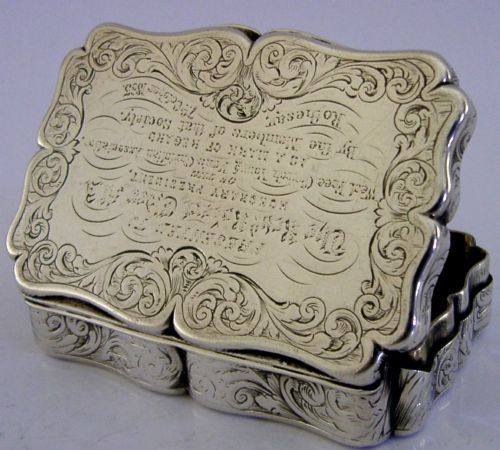
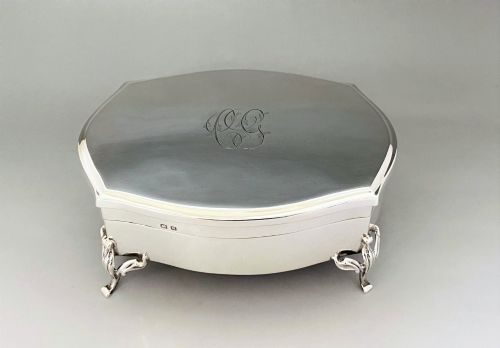
An engraved sterling silver box is a vessel designed to hold small personal items such as snuff, trinkets, cards, or pills. The examples appearing on this page span the Georgian and Victorian eras, alongside pieces from the year 1800 and the nineteenth century more broadly.
Most items meeting this search phrase take the form of snuff boxes, trinket boxes, and card boxes or cases. Makers utilised sterling silver, frequently paired with cut glass or finished with silver gilt interiors, shaping portable containers for daily domestic use.
How they were made
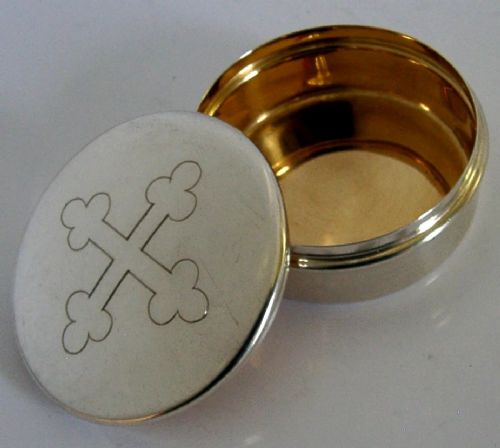
Makers formed these containers from sterling silver, sometimes adding a silver gilt wash to the interior surfaces. Certain pieces combined the metal with cut glass bodies to create dual-material trinket boxes.
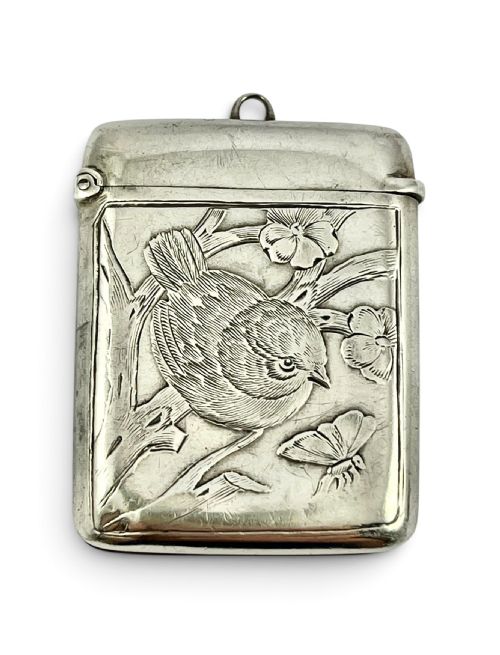
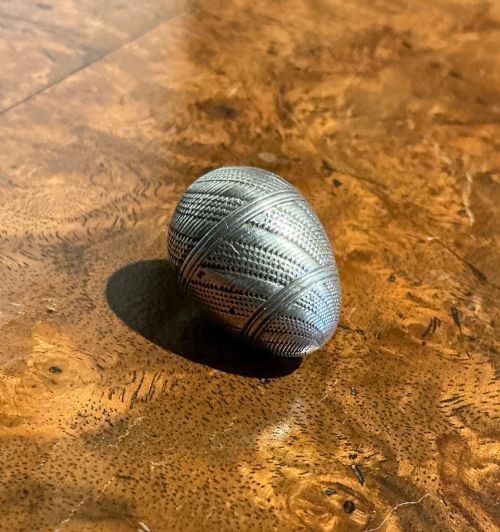
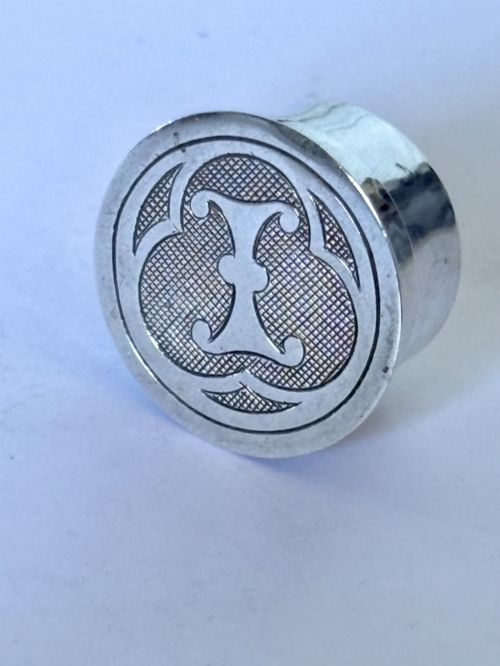
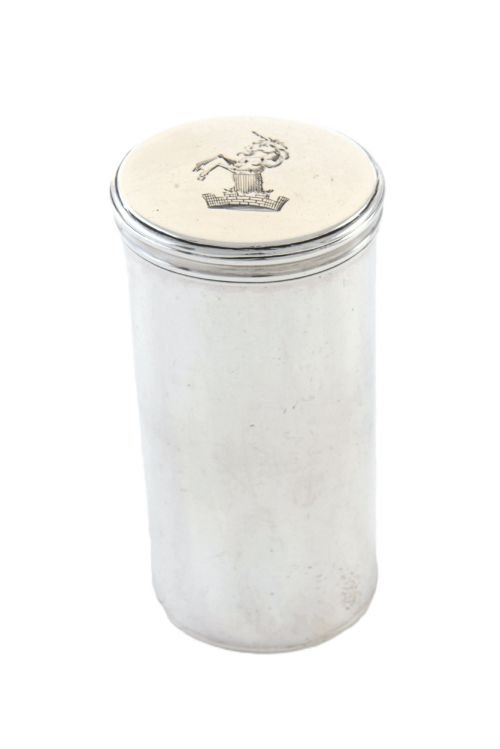
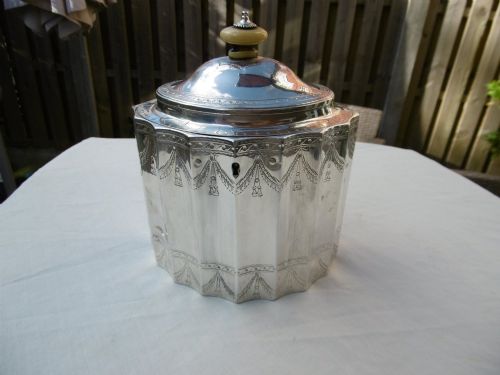
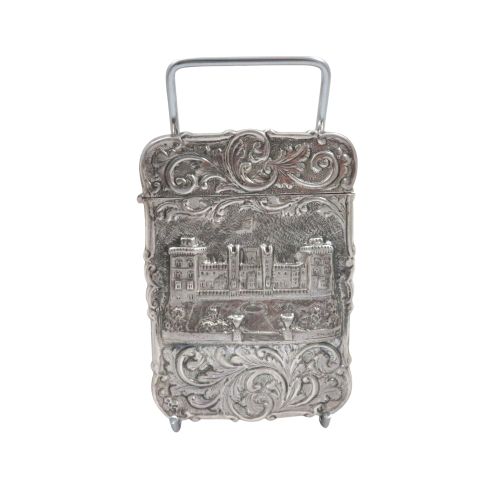
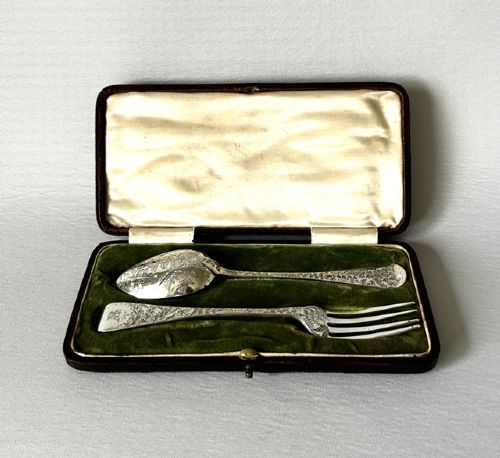
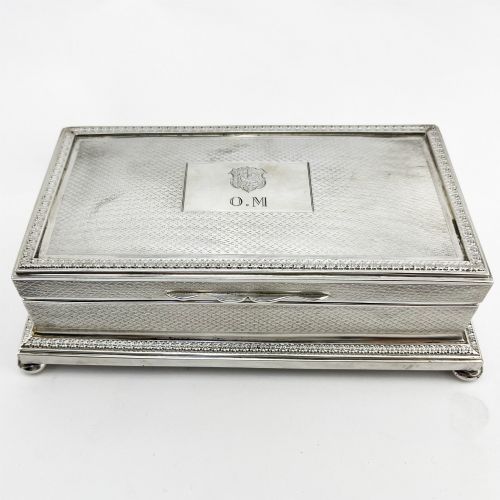
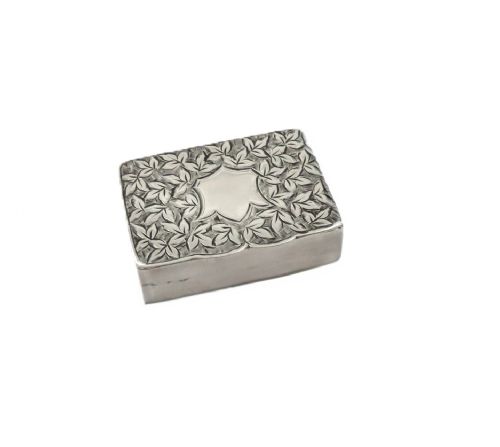
The ornamentation relied entirely on manual incision, producing floral motifs, crests, and castle top scenes across the lids and sides. Silversmiths worked metal by hand, hammering and soldering sections before applying detailed surface engraving.
Retail Price Guide 2026
Typical UK retail prices for engraved sterling silver box, calculated from the Sellingantiques database of over a million retail prices indexed since 2003. This retail price guide relies exclusively on Sellingantiques data; no external sources or auction records are used, so the figures do not describe the wider market.
Listings for this phrase include items made from sterling silver, silver gilt, and cut glass across Georgian and Victorian periods.
What varies in quality
The distinction between standard items and superior examples lies in the depth and complexity of the hand engraving. Deeply cut architectural castle top scenes or intricate floral work demonstrate greater skill than sparse, shallow lines.
Weight and structural crispness also divide the range, as heavier gauge metal maintains sharper corners and firmer hinges over centuries of opening and closing. Associated makers and clear hallmarks add historical definition to individual pieces.
Paul Storr·Edward Smith·Foxall And Co·Joseph Gloster
The Engraved Sterling Silver Box Glossary
- Sterling silver
- An alloy comprising ninety-two point five percent silver and seven point five percent other metals, typically copper. This standard composition ensured durability for portable containers.
- Silver gilt
- Sterling silver that has been coated with a thin layer of gold through a chemical or electrochemical process. This treatment protected the interior metal from corrosive substances like snuff.
- Castle top
- A style of high-relief or heavily engraved lid decoration depicting famous buildings or landmarks. Birmingham makers frequently employed this technique on nineteenth-century boxes.
- Hallmark
- A series of official marks stamped onto precious metal items to guarantee their purity, origin, and year of manufacture. These small symbols allow collectors to date pieces precisely.
- Snuff box
- A small pocket-sized container manufactured specifically to hold powdered tobacco. These items often featured tight-fitting lids to keep the contents dry.
Frequently Asked Questions
What were engraved sterling silver boxes used for?
These containers held daily commodities such as dry snuff, visiting cards, or small personal trinkets. Their portable size allowed owners to carry them in pockets or display them on tables.
The inclusion of specific internal compartments and secure lids protected fragile or valuable contents from loss and moisture during transport.
How do I identify a Victorian silver box?
Victorian pieces often display hallmarks indicating the Birmingham assay office alongside date letters from the nineteenth century. Stylistic markers include naturalistic floral engraving and architectural castle top lids.
The presence of makers such as Edward Smith or Joseph Gloster further anchors pieces securely within the Victorian production period.
Can I use an antique pill box today?
These historical containers remain suitable for carrying modern pills or small keepsakes in a pocket or bag. The secure friction or hinge closures keep small items safely contained.
Gentle handling and occasional cleaning with a soft cloth preserve the original surface engraving and the integrity of the silver.