

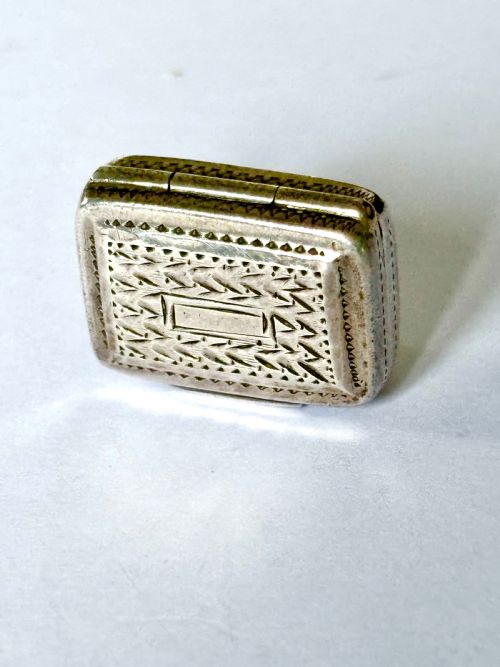


Silver Gilt Snuff Box
A silver gilt snuff box brings together precious metal and intricate metalworking to hold tobacco or small keepsakes with undeniable presence.
Silver Gilt Snuff Box
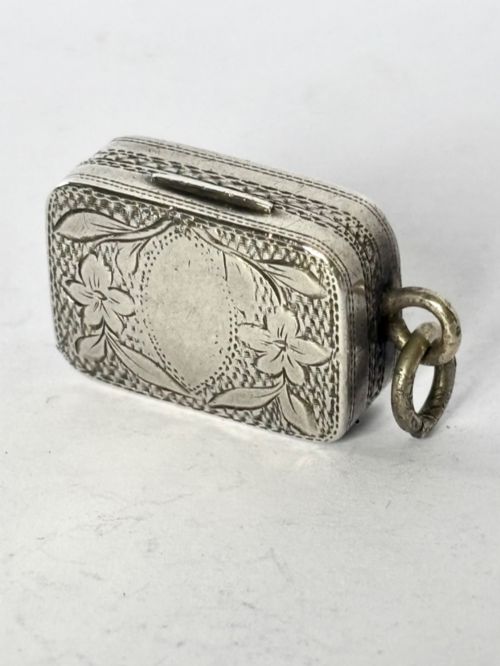
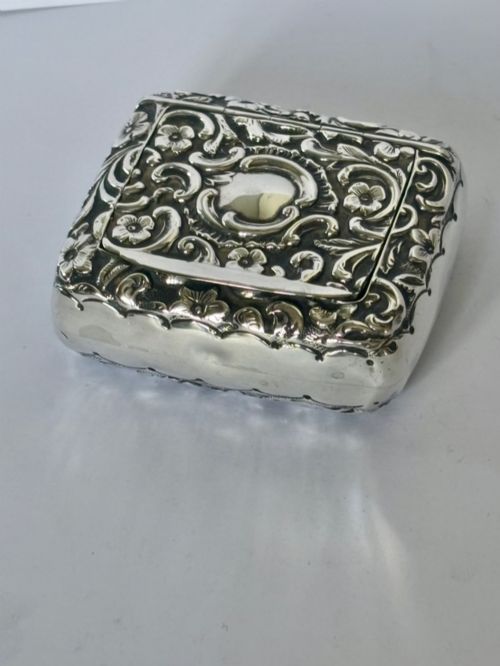
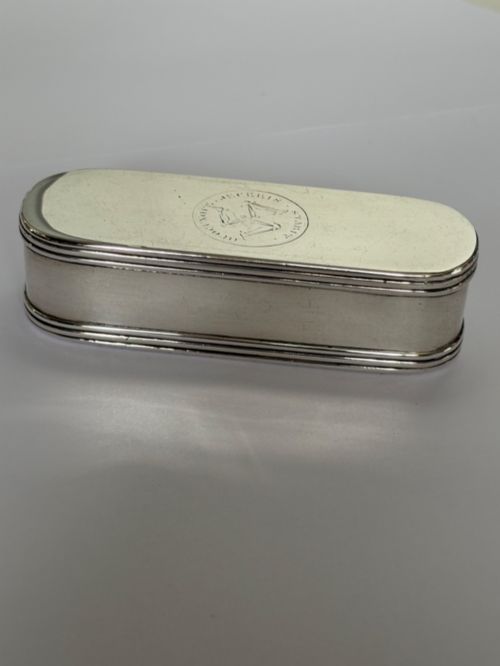
A silver gilt snuff box is a pocket or table container fashioned from silver and coated in a thin layer of gold, designed primarily for holding powdered tobacco during the Georgian, Victorian, and Edwardian eras. These pieces range from small, curved pocket boxes meant to sit comfortably against the body to heavy, ornate table boxes designed to stay stationary in a room.
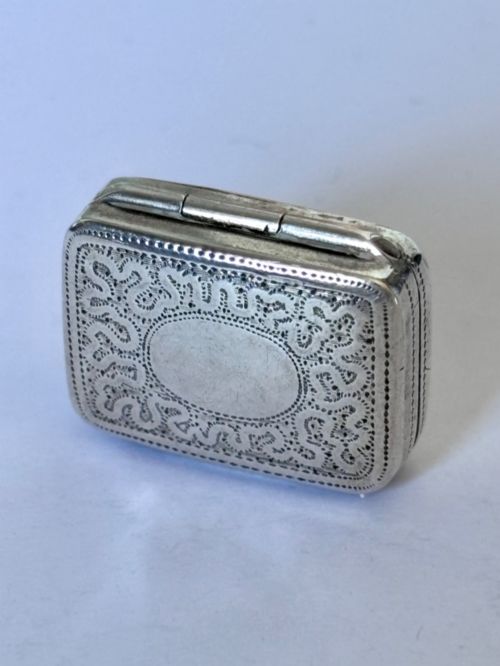
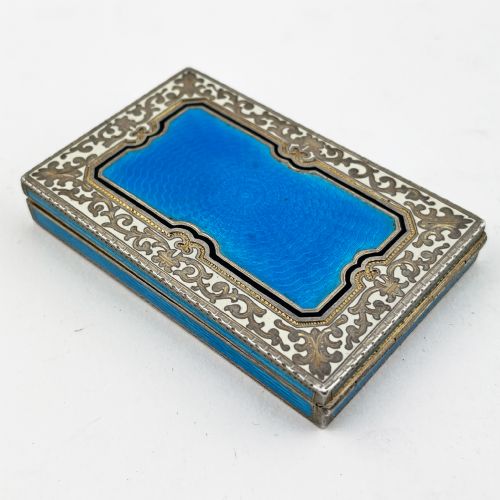
The selection on this page centres upon British and continental examples produced across the eighteenth, nineteenth, and early twentieth centuries. Alongside traditional rectangular or circular boxes, buyers will encounter related forms such as vinaigrettes fitted with internal pierced grilles for aromatic sponges, card cases, and pill boxes.
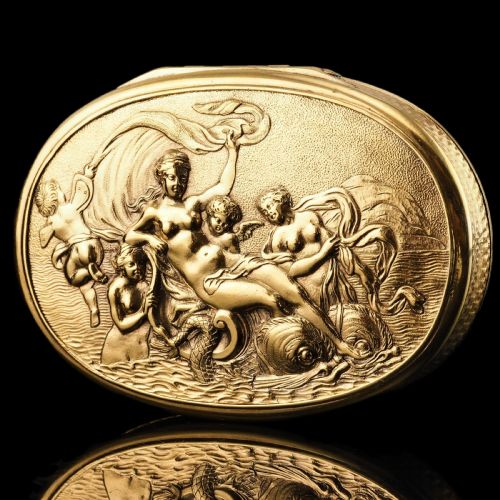
Maker marks frequently link these objects to prominent silversmithing hubs like Birmingham and London, reflecting workshops operating under reigns spanning George III through to Edwardian times. Collectors find variations in shape, from simple engine-turned surfaces to containers embellished with cast acanthus borders and classical figural scenes.
How They Were Made
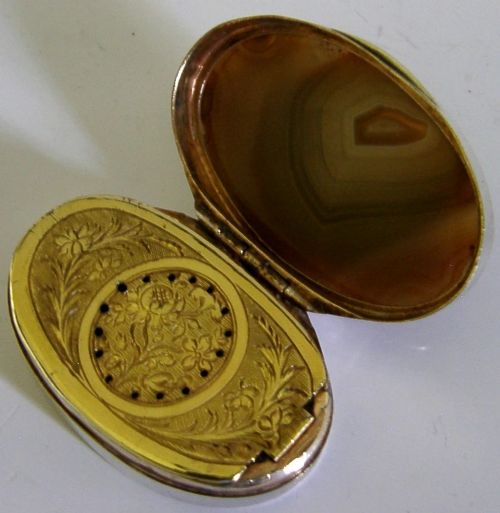
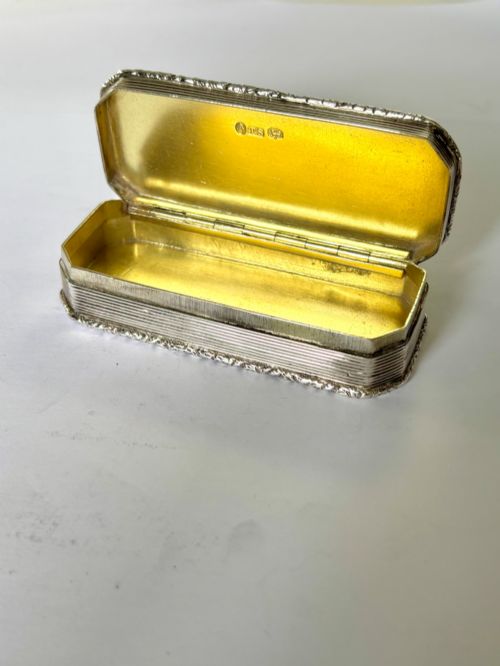
Makers utilised sterling silver or higher-purity continental silver as the structural base, shaping the bodies through pressing, casting, or raising techniques. Surfaces were then fire-gilded, a process where a gold and mercury amalgam was applied and heated to leave a rich gold layer across the silver.
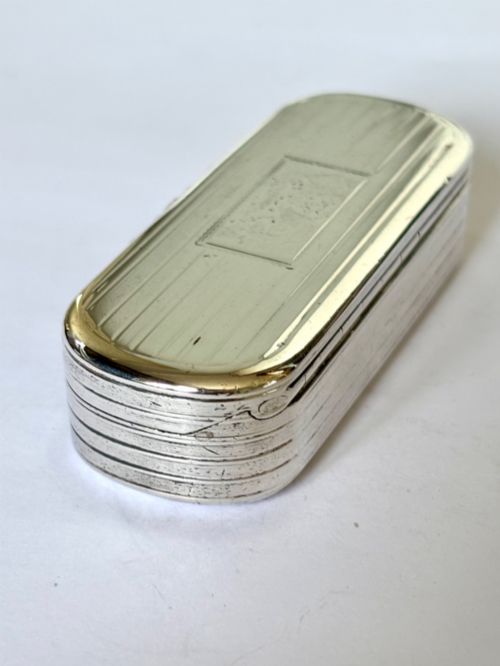
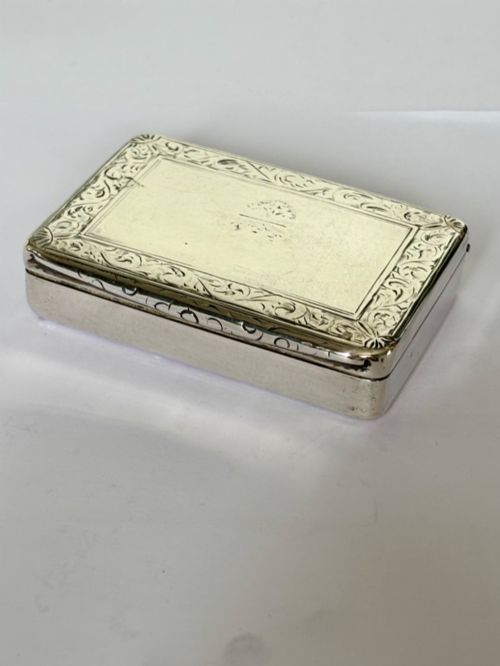
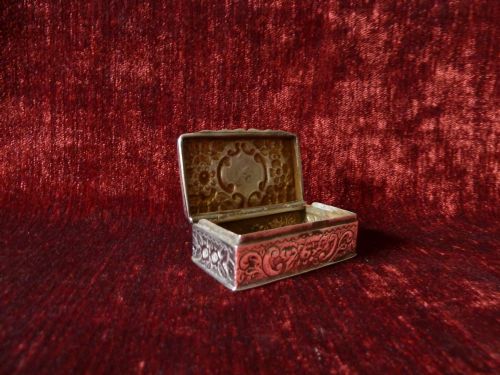
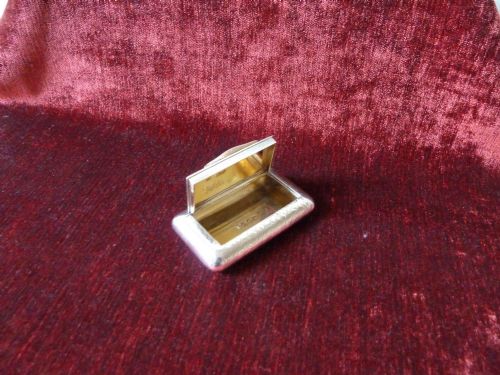
Decoration relied heavily on manual skill, including hand-engraving, engine-turning to create geometric guilloche patterns, and applied cast borders featuring vine leaves or rococo motifs. Internal gilding protected the silver base from the corrosive properties of damp snuff, ensuring the longevity of the interior finish.
Silver Gilt Snuff Box Retail Price Guide 2026
Typical asking prices for silver gilt snuff box among the pieces listed under this phrase on Sellingantiques today, from the lower quarter to the upper quarter. They describe what is for sale here now, not the wider market.
Listings feature pieces from the Georgian, Victorian, and Edwardian eras, utilising sterling silver, silver gilt, agate, and enamel.
What Varies in Quality
The distinction between ordinary production and superior work rests on the crispness of the chasing and the depth of the cast ornamentation. Boxes featuring high-relief historical scenes, cast acanthus thumbpieces, or complex figural repoussé represent a more ambitious tier of manufacturing than plain engine-turned surfaces.
Weight and structural integrity also divide the range, with heavier table boxes and thick-walled pocket pieces demonstrating substantial material investment. The preservation of the original vermeil or gold wash, alongside clear hallmarks confirming the silversmith and assay office, further elevates the standing of an individual piece.
SAMUEL PEMBERTON·HENRY MATTHEWS·THOMAS JOHNSON·CORNELIUS BLAND·ROBERT THORNTON·THOMAS SHAW·EDWARD SMITH·SAMSON MORDAN·JOHN BETTRIDGE·EDWARD FARRELL·JOSEPH WILLMORE·JOHN THROPP·PHIPPS AND ROBINSON·COHEN AND CHARLES·ALEXANDER J STRACHAN·MATTHEW LINWOOD·WILLIAM NEALE·RAWLINGS SUMMERS·JOHN SHAW·FRANCIS CLARK·WILLIAM SIMPSON·ARCHIBALD DOUGLAS·THOMAS PEMBERTON ROBERT MITCHELL·YAPP AND WOODWARD·KHLEBNIKOV
The Silver Gilt Snuff Box Glossary
- Silver Gilt
- Sterling or continental silver that has been coated with a layer of gold. This technique protects the underlying silver from tarnishing while offering the dual visual appeal of silver and gold.
- Vinaigrette
- A small hinged box containing a sponge soaked in aromatic vinegar, featuring an internal pierced grille. These containers date predominantly to the Georgian and Victorian periods.
- Guilloche
- An ornamental pattern produced by a mechanical lathe that etches precise, intricate geometric designs into the metal surface. It appears frequently on nineteenth-century boxes.
- Repoussé
- A metalworking technique where the artisan hammers the metal from the reverse side to form a raised design in relief. It allows for pictorial scenes and floral motifs to stand proud of the lid.
- Thumbpiece
- A small protruding catch or latch fixed to the rim of a box lid to assist with opening. Better examples often incorporate cast floral or scroll designs into this functional element.
Silver Gilt Snuff Box: Frequently Asked Questions
What is the difference between a snuff box and a vinaigrette?
A snuff box is built simply to store and dispense dry tobacco powder for the user. Its interior remains plain or fully gilded without internal partitions.
A vinaigrette includes a hinged inner grille pierced with decorative holes. This holds a sponge soaked in aromatic vinegar for freshening the air.
Why are some silver snuff boxes gold inside?
The golden finish is silver gilt, created by applying a layer of gold over the sterling silver base. Makers gilded the interiors to prevent the acidic compounds in tobacco from staining and corroding the silver.
This technique also adds an extra layer of luxury when the lid is opened. It ensures the metal maintains its warm tone through years of handling.
How can I tell the date of a silver gilt box?
British pieces carry hallmarks stamped directly into the metal, including a date letter that corresponds to the specific year of assay and office location. Maker marks and standard marks help narrow down the exact decade of manufacture.
Continental pieces rely more on stylistic evidence, such as rococo scrolls or nineteenth-century French export marks, rather than structured letter codes.
Were these boxes only used for tobacco?
While tobacco consumption drove the creation of most pocket and table containers, many served alternative purposes. Smaller versions functioned as pill boxes or trinket containers for personal keepsakes.
Card cases and larger decorative boxes were also adapted to hold visiting cards or cheroot cigars. Their internal depth and proportions generally dictated their specific utility.