





Chased Silver Snuff Box
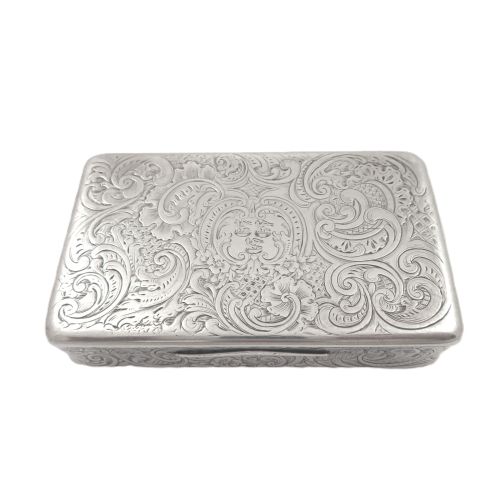
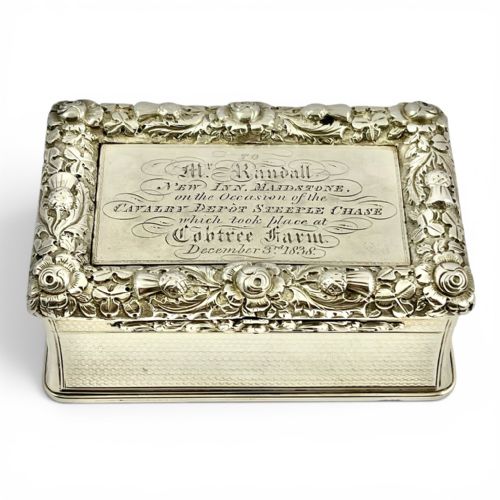
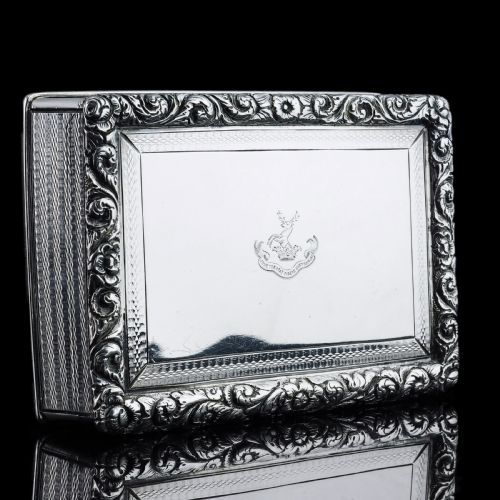
These chased silver snuff box examples are pocket-sized containers worked in precious metal to hold tobacco, spanning Georgian to early twentieth-century periods.
Chased Silver Snuff Box
When you search for a chased silver snuff box, you look for small pocket containers designed for ground tobacco, produced across the Georgian, Victorian and early twentieth-century periods. These pieces range from domestic British items to continental and eastern examples, including table boxes and cigarette cases.
How they were made
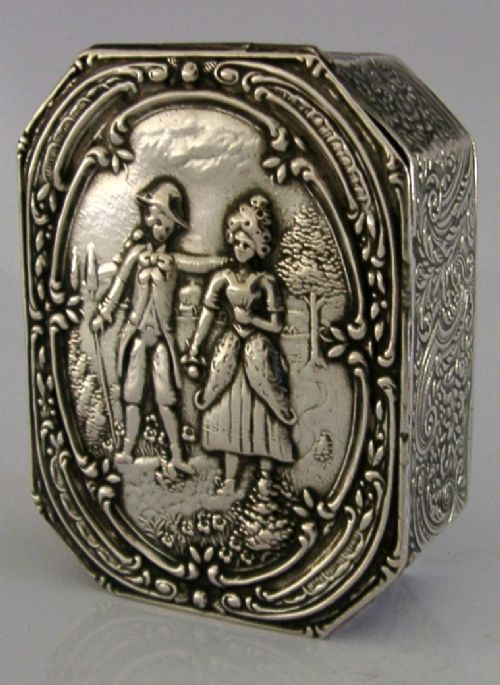
Silversmiths utilised solid silver, sterling silver and silver-gilt, sometimes combining metal with glass or mammoth tooth. Artisans worked the metal by hand, applying chasing techniques to create relief ornamentation across the surfaces.
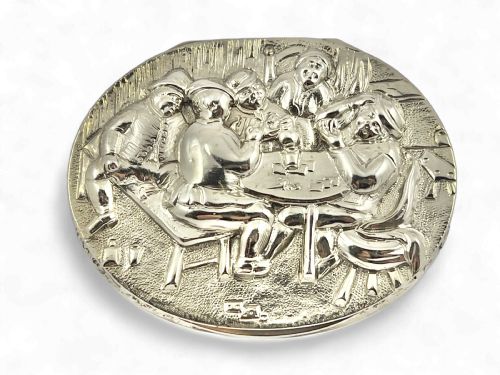
Interior gilding, known as vermeil, protected the silver from the corrosive properties of tobacco. Surface decoration was achieved through detailed hand chasing and casting, producing crisp borders and pictorial scenes.
Chased Silver Snuff Box Retail Price Guide 2026
Typical asking prices for chased silver snuff box among the pieces listed under this phrase on Sellingantiques today, from the lower quarter to the upper quarter. They describe what is for sale here now, not the wider market.
What varies in quality
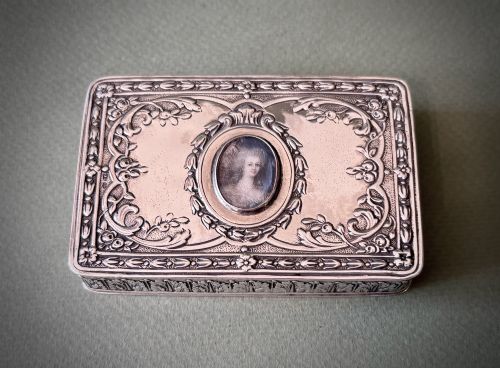
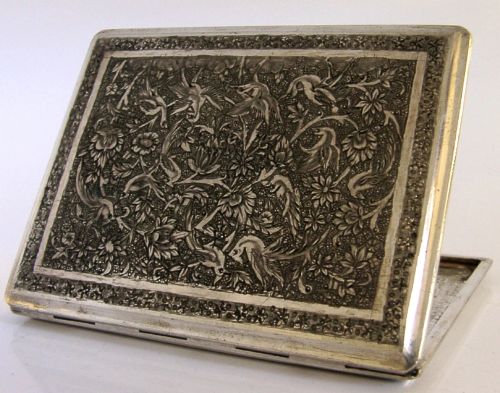
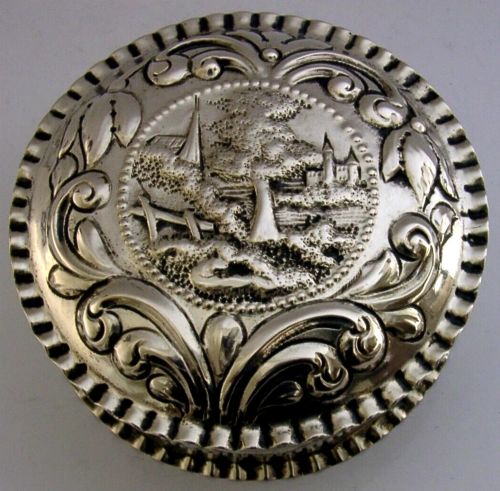
The standard of a chased silver snuff box depends on the depth and crispness of the chased decoration, whether depicting birds, architectural castle tops or floral borders. Finer examples exhibit sharper relief and superior hand-tooling.
Attribution to documented makers elevates the standing of a piece, alongside the weight of the solid silver and the preservation of the original silver-gilt interior finish.
Joseph Willmore·John Caw·Edward Farrell·Nathaniel Mills
The Chased Silver Snuff Box Glossary
- Chasing
- Ornamentation worked by hammering tools from the front to sink the metal and raise a relief design. This technique defines the detailed borders and pictorial scenes seen on these boxes.
- Vermeil
- Silver gilt comprising a solid silver base coated with a thin layer of gold. This finish protected the interior from tobacco corrosion.
- Castle Top
- A pictorial lid design featuring a specific building, stately home or architectural landmark in high relief. These represent a distinct category within table boxes.
- Sterling Silver
- A silver alloy containing a specific proportion of pure silver and other metals to ensure durability. Most British examples conform to this standard.
- Solid Silver
- Metal construction composed entirely of silver throughout rather than plated plating over a base metal core. Pieces of this description carry substantial weight.
Chased Silver Snuff Box: Frequently Asked Questions
What is a chased silver snuff box used for?
These containers held dry powdered tobacco, known as snuff, which was popular among polite society during the Georgian and Victorian eras. The tight-fitting lids prevented moisture from spoiling the contents while carried in a pocket.
Over time, collectors repurposed similar boxes as trinket containers or desk accessories. Their compact proportions suited them for holding small personal items.
How do I identify a Georgian snuff box?
Georgian pieces typically display hallmarks indicating London or provincial assay offices, alongside maker marks from silversmiths such as Joseph Willmore or Edward Farrell. The decorative vocabulary often includes rococo revival motifs, floral chased borders, and mythological scenes.
Stylistic cues such as cast thumbpieces and deep chased relief help separate these eighteenth and early nineteenth-century items from later twentieth-century productions.
What does silver-gilt mean on a snuff box?
Silver-gilt, or vermeil, refers to a solid silver object that has been coated with a layer of gold on the interior surfaces. Silversmiths applied this finish to prevent the acidic properties of tobacco from tarnishing and corroding the silver.
When opening an antique box, a rich golden interior indicates this protective layer remains intact. It adds a layer of refinement appreciated by collectors.
How should I display a silver snuff box?
Display these items on a flat surface away from direct sunlight and moisture to preserve the polished exterior and any gilt interior. Table boxes sit well on desks or cabinets where their chased lids remain visible.
Handle them with clean hands to avoid transferring oils that accelerate tarnishing. Periodic gentle cleaning with a soft cloth maintains the finish without wearing down the raised chasing.