
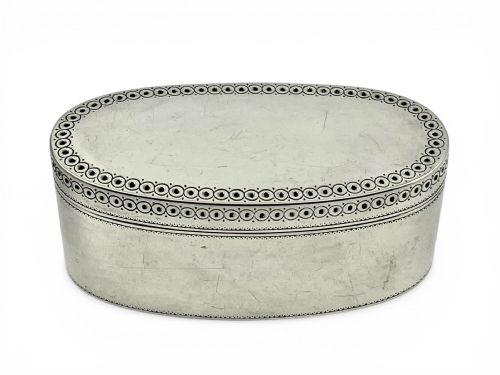


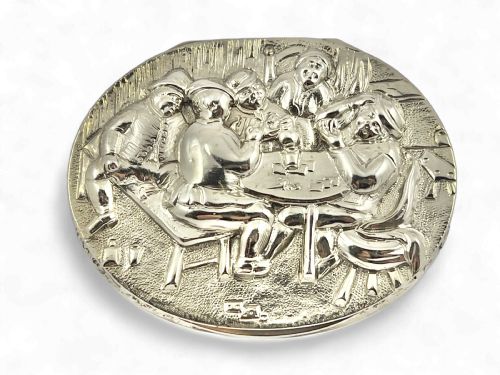


Scottish Silver Snuff Box
A Scottish silver snuff box is a pocket-sized container for tobacco, prized for combining sterling silver work with native horn, agate, and citrine.
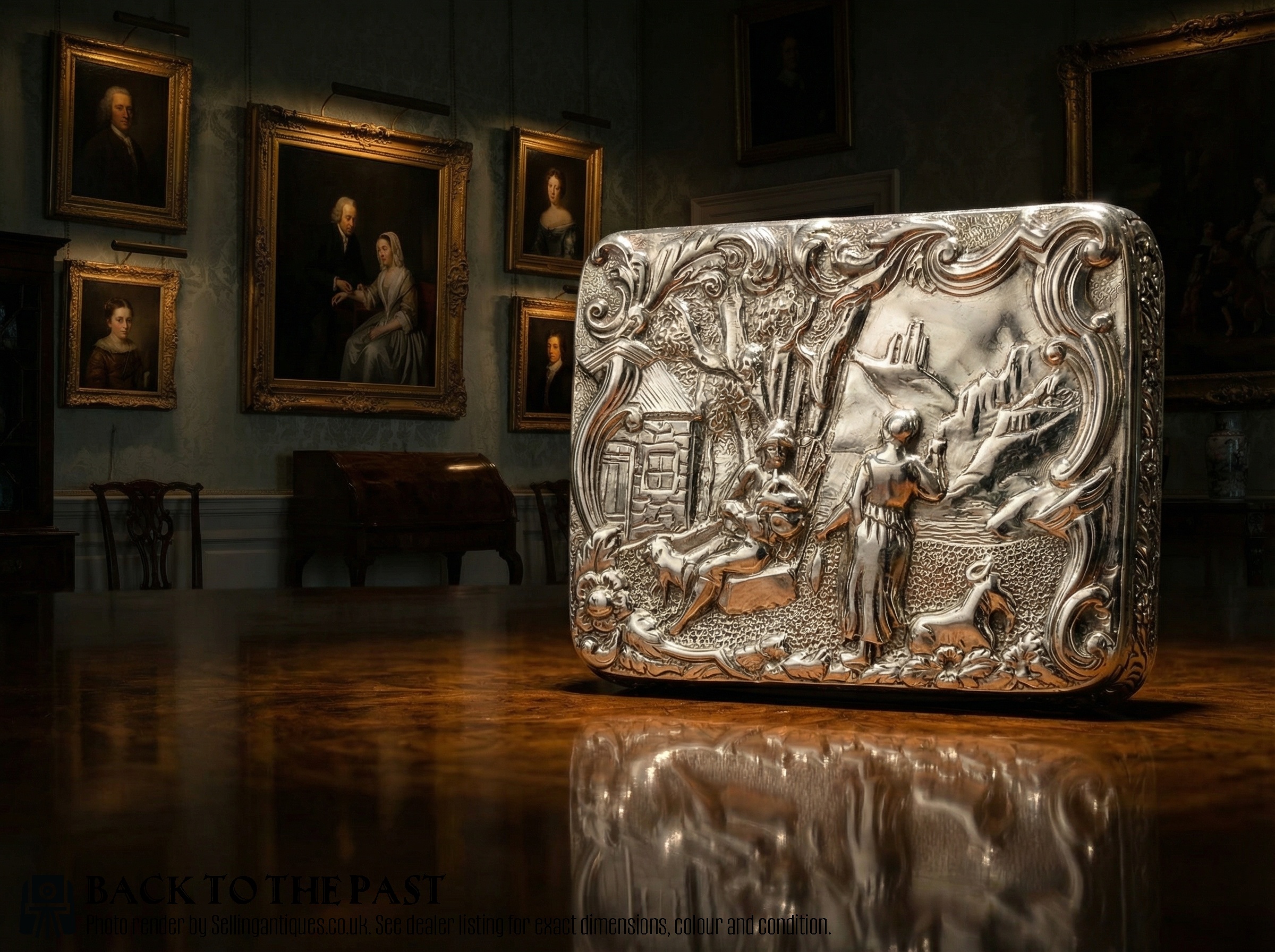
Scottish Silver Snuff Box
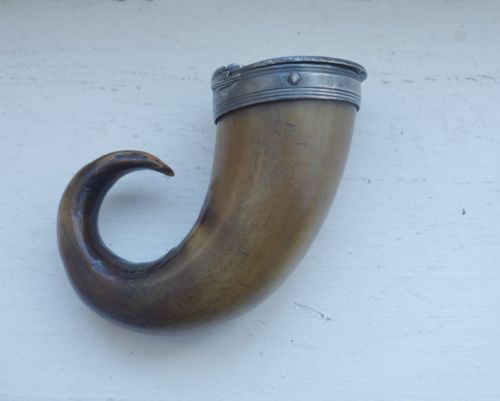
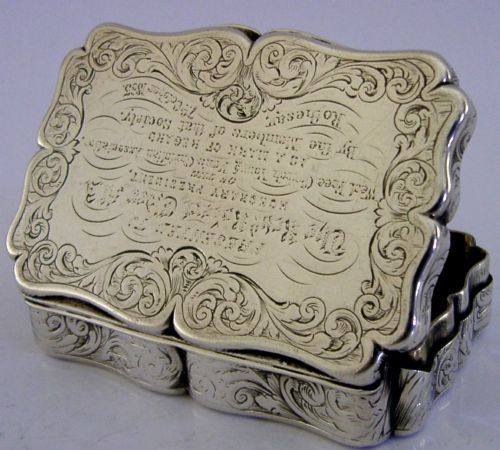
When you search for a Scottish silver snuff box, you encounter pieces spanning the Georgian, Victorian, and Edwardian periods, alongside nineteenth-century examples. The selection ranges from plain sterling silver boxes to horn and staghorn mulls mounted with silver hinges and shields.
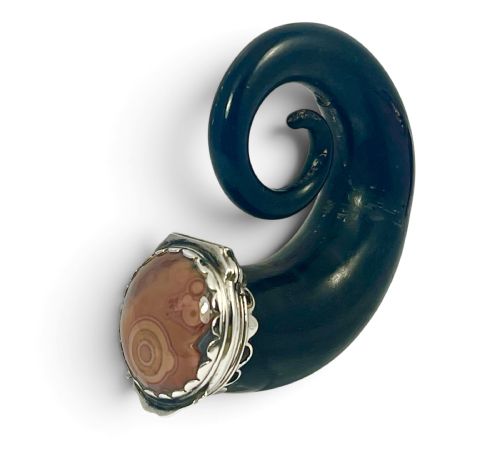
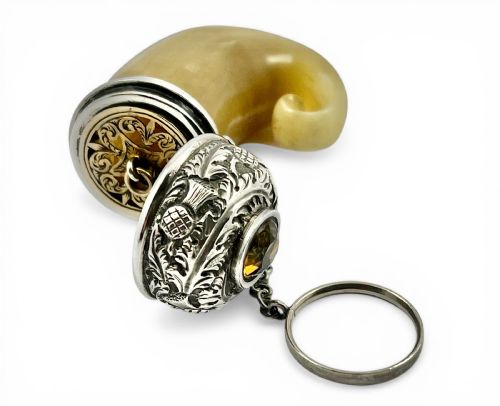
The version you are most likely to meet on this page is a horn snuff mull or a silver box set with agate or citrine. These objects originate from makers working in Edinburgh and provincial centres, often featuring traditional thistle motifs.
How they were made
Silversmiths utilised sterling silver and silver gilt to form the bodies and hinged lids of boxes, sometimes combining them with cowrie shells. Horn and staghorn served as durable, organic bodies for mulls, shaped by heat and pressure.
Cairngorm, citrine, and agate stones were cut and set into the silver lids or mounts, secured by bezels. Engraving decorated the silver surfaces with thistles and presentation inscriptions.
Scottish Silver Snuff Box Retail Price Guide 2026
Typical asking prices for scottish silver snuff box among the pieces listed under this phrase on Sellingantiques today, from the lower quarter to the upper quarter. They describe what is for sale here now, not the wider market.
Cowrie shells occasionally found a second life as Scottish snuff boxes, fitted with hinged silver lids to carry tobacco.
What varies in quality
The distinction between tiers rests on the quality of the stone work and the weight of the silver. Boxes set with large, well-polished agates or cairngorms stand apart from simpler horn containers.
Execution of the silver hinge and the crispness of provincial hallmarks or engraved thistles determine the merit of an individual piece.
Hilliard and Thomason·John Caw·Robert Keay
The Scottish Silver Snuff Box Glossary
- Mull
- A pocket-sized container traditionally used for carrying snuff, frequently fashioned from animal horn mounted in silver.
- Vinaigrette
- A small hinged box containing a perforated inner grille, originally designed to hold a sponge soaked in aromatic vinegar.
- Cairngorm
- A yellow or brown variety of quartz found in the Scottish mountains, frequently mounted in silver jewellery and boxes.
- Agate
- A form of chalcedony showing coloured bands or moss-like inclusions, highly favoured for the lids of Georgian and Victorian boxes.
- Provincial
- Refers to silver items assayed outside the main city of Edinburgh, often bearing maker marks from towns such as Perth.
Scottish Silver Snuff Box: Frequently Asked Questions
What is a Scottish silver snuff box?
A Scottish silver snuff box is a pocket container used during the eighteenth and nineteenth centuries to hold powdered tobacco. They were made in various shapes, including oval boxes and horn mulls.
These pieces combine precious metalwork with native materials like horn, agate, and citrine, reflecting traditional Scottish craftsmanship.
How do I date a horn snuff mull?
Dating relies on examining the style of the silver mounts, the form of the cartouche, and any accompanying hallmarks. Georgian examples often feature simpler silver bands, while Victorian pieces incorporate elaborate thistle engravings.
Assay office marks and maker stamps on the silver components provide more precise dates for pieces produced in Edinburgh and provincial towns.
What is the difference between a snuff box and a vinaigrette?
A snuff box is designed simply to hold dry snuff for inhalation. Its interior lacks any additional components beyond a clean metal surface.
A vinaigrette includes a pierced inner grille that covers a small sponge. This sponge held aromatic vinegar, which the owner sniffed to combat unpleasant odours.
How do I care for antique horn and silver?
Keep horn pieces away from extreme heat and direct sunlight to prevent the organic material from drying and warping. Clean the silver gently with a soft cloth to preserve the patina and avoid abrasive polishes.
Store them in stable humidity conditions to protect both the metal settings and the mounted stones.