
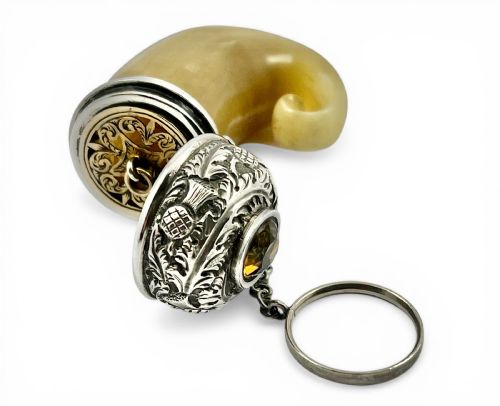


Victorian Horn Snuff Box
A victorian horn snuff box brings tactile pocket history to your hand, shaped from natural horn and finished with silver, citrine, or intricate carving.
Victorian Horn Snuff Box
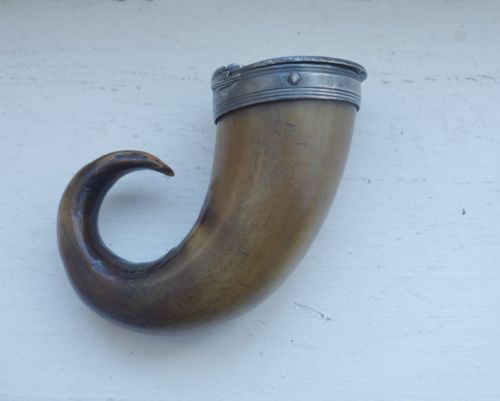
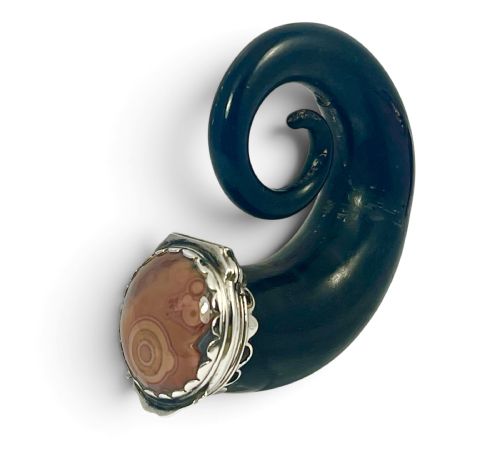
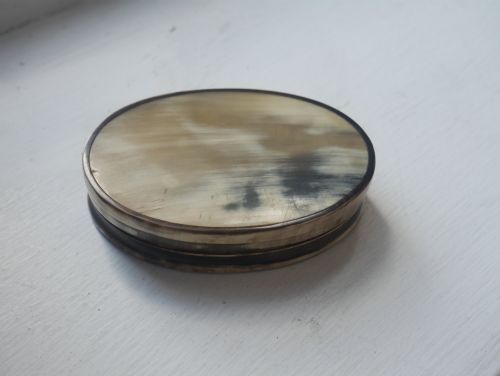
When you search for a victorian horn snuff box, you meet pocket-sized containers made to hold tobacco, ranging from plain natural horn to decorated Scottish mulls. The pieces on this page span the nineteenth century, including items from around eighteen fifty to eighteen eighty.
You encounter several distinct forms here, from oval horn snuff boxes to Scottish horn snuff mulls and vinaigrettes. Some examples feature regional vernacular styles or commemorative motifs such as Shakespeare and Handel.
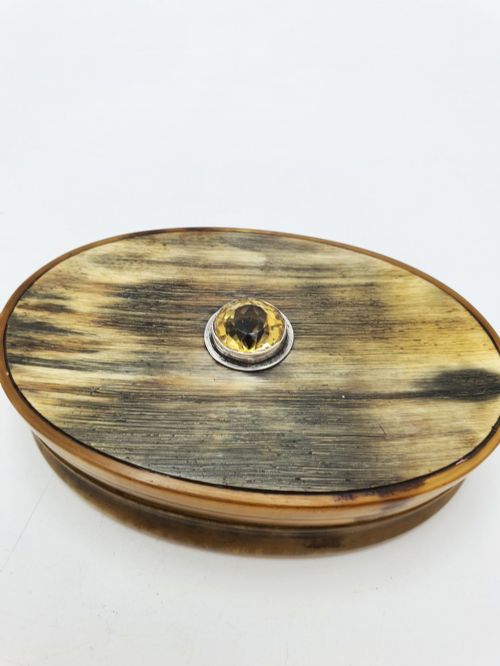
The most common format involves natural or pressed horn, sometimes combined with tortoiseshell, birch, or staghorn. Certain items incorporate white metal hinges or lids adorned with faceted citrine decoration.
How they were made
Maker's methods relied on shaping natural horn through heat and pressure, turning organic material into durable pocket containers. Pressed horn techniques allowed workshops to impress detailed historical scenes, such as Napoleon's funeral procession, directly onto the surface.
Mounts in silver and white metal provided secure rims and hinges for lids, while decorative additions like faceted citrine stones were set securely into the horn. Engraving and carving finished the exteriors, creating waistcoat pocket boxes and mulls with smooth tactile surfaces.
The selection includes utilitarian pocket containers alongside commemorative pieces marking literary and historical figures.
What varies in quality
Quality rests upon the clarity of the carving and the crispness of any pressed horn imagery. Pieces featuring detailed figural work or commemorative subjects stand apart from plainer utilitarian containers.
The choice of supplementary materials elevates certain examples, particularly those set with citrine stones or fitted with substantial silver mounts. The natural grain of the horn and the tightness of the lid closure further define the standing of each piece.
The Victorian Horn Snuff Box Glossary
- Snuff Mull
- A container for powdered tobacco, traditionally Scottish in origin, often fashioned from ram's horn or staghorn. These items frequently feature silver rims and lids.
- Vinaigrette
- A small ornamental box containing a perforated grill, originally holding a sponge soaked in aromatic vinegar. Examples in this category combine horn with precious metals.
- Pressed Horn
- A technique where heated horn is compressed in a metal die to form detailed low-relief images and patterns. This method allowed makers to produce intricate commemorative scenes.
- Staghorn
- Horn sourced from deer antlers, utilised for robust and textured pocket containers. This material gives Scottish vernacular pieces a distinct rough-hewn character.
- Citrine
- A yellow-to-orange variety of quartz, frequently faceted and mounted onto nineteenth-century box lids. It provides a bright focal point against dark horn.
Victorian Horn Snuff Box: Frequently Asked Questions
What is a snuff mull?
A snuff mull is a specific type of container used for holding dry snuff, traditionally associated with Scottish folk art and vernacular design. They are often made from natural ram's or stag's horn.
These pieces typically feature metal mounts and sometimes include accessories like small spoons or picks attached by tiny chains.
How were these boxes carried?
Owners carried these small containers in waistcoat pockets or coat pockets for easy access throughout the day. Their smooth surfaces prevented them from snagging on woollen garments.
Waistcoat pocket versions were deliberately sized to sit flat against the body, making them practical personal accessories of the period.
What is pressed horn?
Pressed horn is a manufacturing method where horn material is softened by heat and forced into a carved metal mould under heavy pressure. This technique transferred sharp, detailed pictures onto the lid or body.
Pieces made this way often depict historical events, portraits, or commemorative scenes like funeral processions.
How do I care for antique horn?
Antique horn requires dry conditions away from direct heat sources and strong sunlight to prevent warping or cracking. Gentle handling preserves the natural finish and any delicate metal hinges.
Applying moisture or modern chemical polishes is generally unnecessary and can damage organic materials over time.