

Scottish Highland Antiques
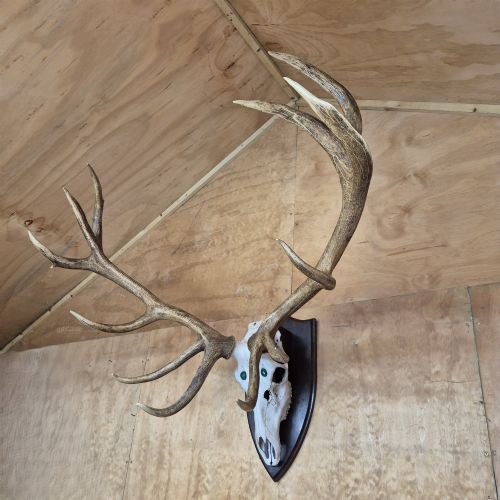
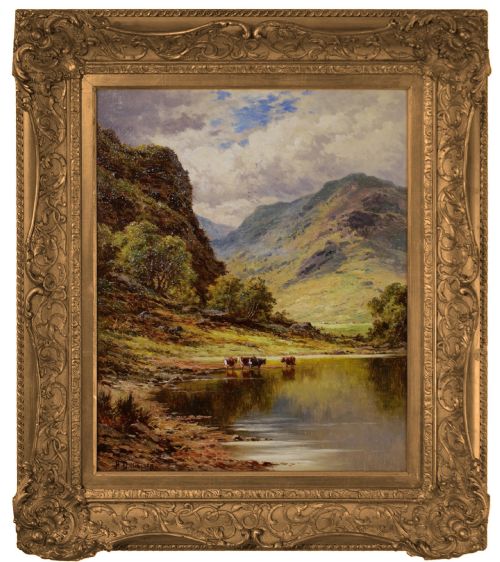
When you search for scottish highland antiques, you uncover oil paintings of rugged glens, red deer antlers, and silver agate brooches.
Scottish Highland Antiques
When you search for scottish highland antiques, you encounter a selection spanning the eighteenth, nineteenth, and early twentieth centuries. These objects capture the romanticism of northern landscapes, traditional attire, and domestic crafts through works of art and regional artefacts.
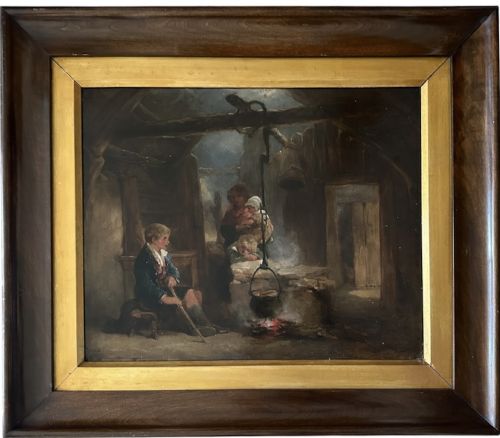
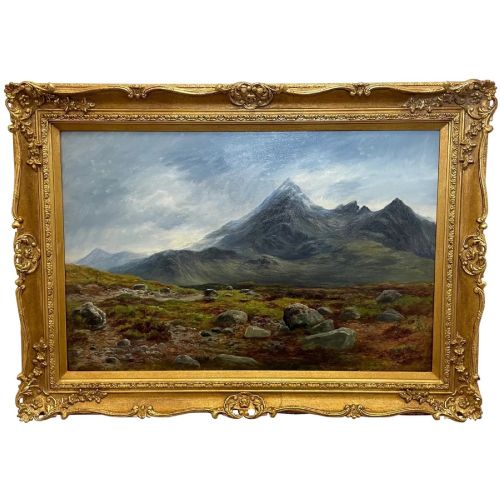
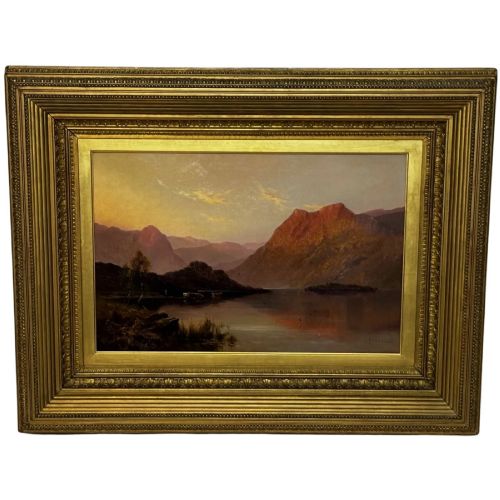
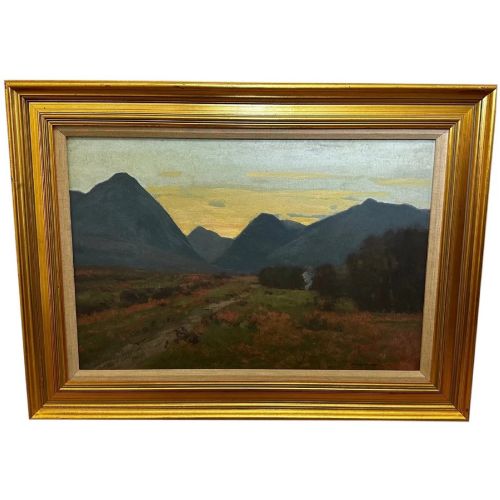
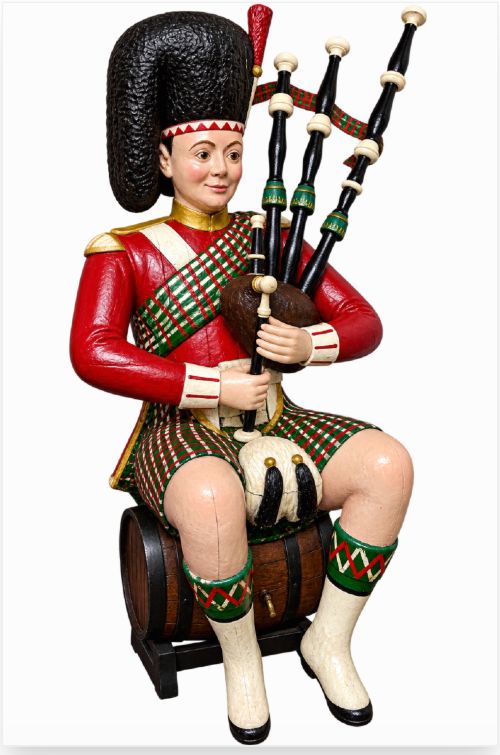
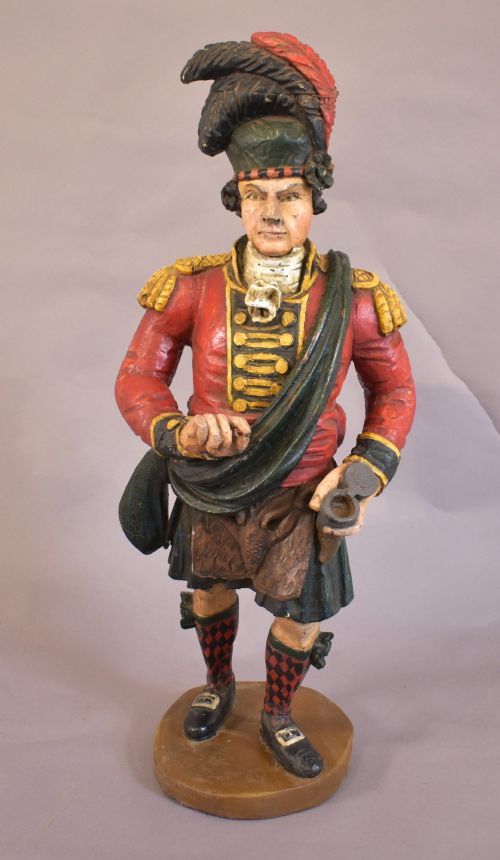
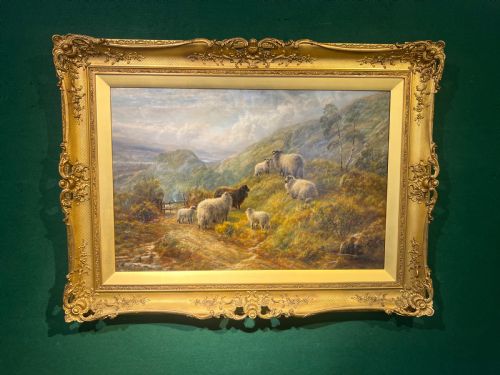
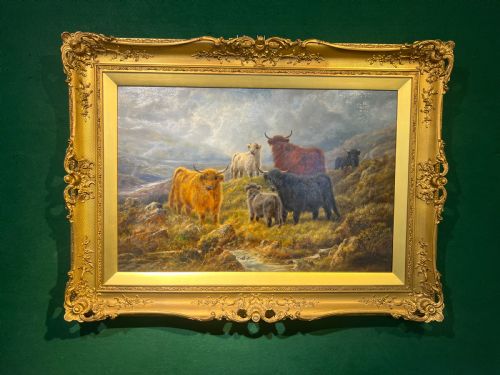
The most common items on this page are landscape oil paintings on canvas and wood panel depicting lochs, sheep, and cattle. Alongside these pictorial works, you find silver kilt pins, carved wooden seating such as crofter armchairs, and ceramic figures.
Originating predominantly from the Victorian and Edwardian eras, these pieces reflect a period when remote northern scenery captured the wider British imagination. Artists and makers channelled local themes into durable domestic objects and gallery paintings alike.
How they were made
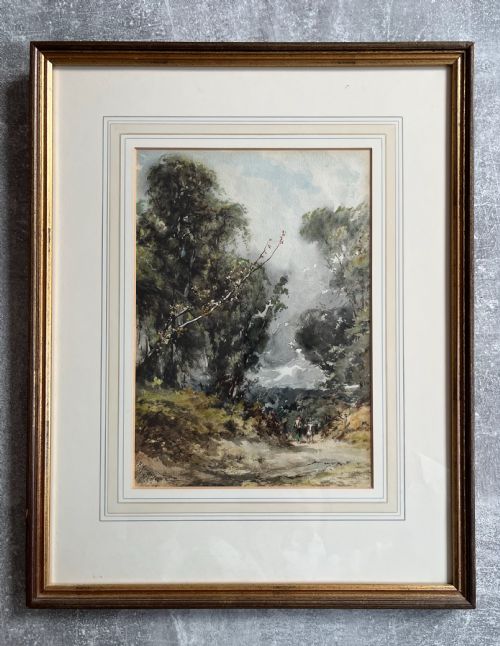
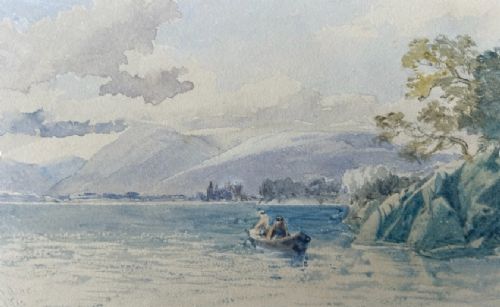
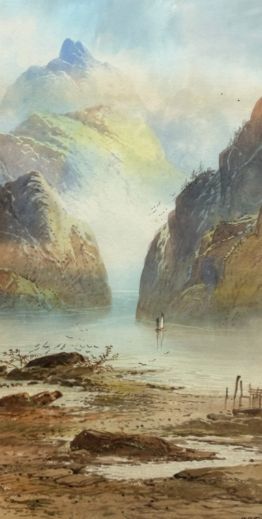
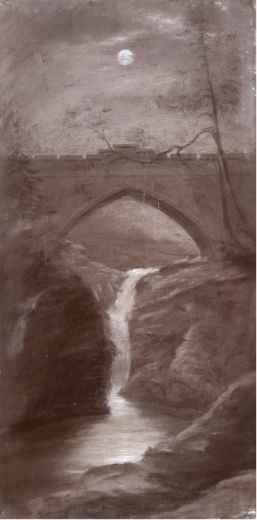
Painters utilised oil on canvas, oil on wood panel, and watercolour to capture atmospheric lighting over mountainous terrain. Pigments were brushed onto primed surfaces, occasionally accompanied by charcoal sketching to establish composition.
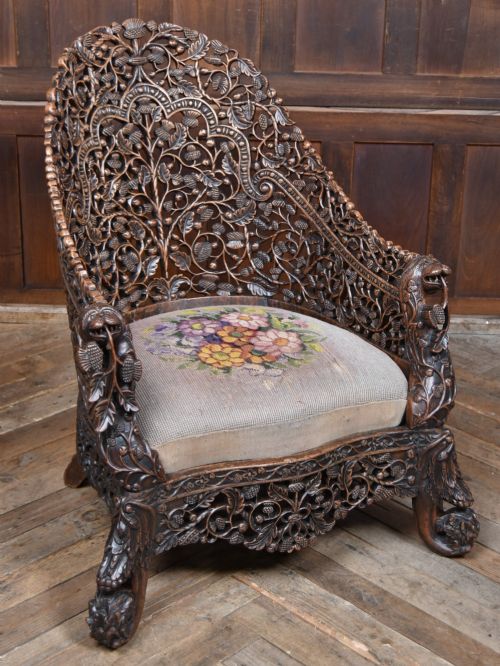
Silversmiths worked precious metal into brooches and dirk pins, frequently setting them with Scottish agates. Woodworkers shaped timber for armchairs, incorporating carved thistle motifs and woven elements suited to domestic use.
Listings feature works from the eighteenth, nineteenth, and early twentieth centuries, executed in oil, watercolour, and carved wood.
What varies in quality
The distinction between ordinary and superior pieces rests on the handling of light and anatomical accuracy in landscape and animal painting. Master artists rendered highland cattle and sheep with precise musculature and realistic textures, whereas lesser works rely on formulaic brushwork.
In metalwork and carving, quality is determined by the crispness of chased silver details and the structural integrity of timber joints. Pieces featuring genuine gemstones and well-defined regional characteristics stand apart from mass-produced decorative items.
William Beattie-Brown·George Fotherly Hargitt·Thomas Miles Richardson Jnr·William Henry Earp·Tom Campbell·Alfred Fontville de Breanski Jr·George Houston·Henry H. Parker·Robert Watson·William Watson Jnr·Douglas Cameron·Robert Cleminson·George Rankin·Charles Leslie·Alexander Wellwood Rattray·Everett Watson Mellor·Archibald Kay·Henry Robinson Hall·James Kyd
The Scottish Highland Antiques Glossary
- Dirk brooch
- A large ornamental pin traditionally used to secure plaid or tartan garments. They often incorporate engraved silver and polished stones.
- Giltwood
- Wood that has been coated with gold leaf or gold paint. This technique frequently highlights Victorian picture frames.
- Flatback figure
- A ceramic figurine modelled primarily for display against a wall. Staffordshire potteries produced these depicting popular regional characters.
- Gesso
- A plaster-like mixture applied to wood or canvas before painting or gilding. It provides a smooth surface for subsequent layers of decoration.
- Watercolour
- A painting method where water-soluble pigments are applied to paper. It allows for translucent washes that suit delicate landscape studies.
Scottish Highland Antiques: Frequently Asked Questions
What subjects appear in these paintings?
The painted works record mountainous terrain, reflective lochs, and remote valleys populated by sheep and highland cattle. Figures engaged in rural tasks or wearing traditional tartan also feature prominently.
Artists aimed to capture the distinct atmosphere and changing weather patterns of northern scenery. These visual records served Victorian buyers who desired romantic depictions of remote regions.
How were silver kilt pins worn?
Silver kilt pins and plaid brooches secured heavy woollen garments across the shoulder or waist. They served a functional role in traditional dress while displaying regional craftsmanship.
Craftsmen utilised local silver and hardstones such as agates to produce these sturdy fastenings. Over time, they transitioned from everyday fasteners to decorative collectables.
What defines a crofter armchair?
Crofter armchairs are traditional wooden seats associated with rural domestic life in northern regions. They often feature sturdy construction designed to withstand daily use in modest homes.
Makers utilised locally available timber, sometimes incorporating carved motifs like thistles. These chairs offer insight into regional furniture traditions predating industrial manufacturing.
How do I care for oil paintings?
Oil paintings require stable indoor environments away from direct sunlight and excessive moisture. Dust accumulates gently on canvas surfaces over time and needs careful removal.
Avoiding extreme temperature fluctuations prevents the wooden stretchers and canvas from warping or cracking. Professional conservation maintains the integrity of nineteenth-century varnish and pigment layers.