
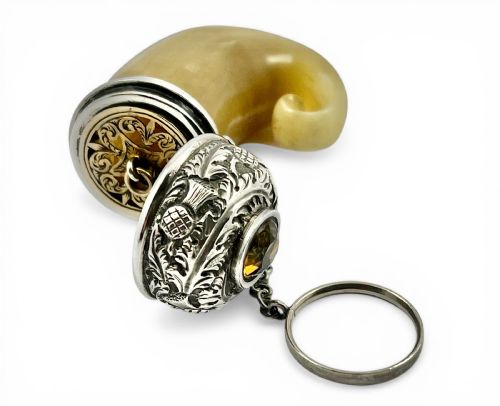


Antique Horn Snuff Box
An antique horn snuff box is a pocket-sized vessel designed for tobacco, combining organic texture with fine metalwork that collectors prize for its miniature craftsmanship.
What these pieces are
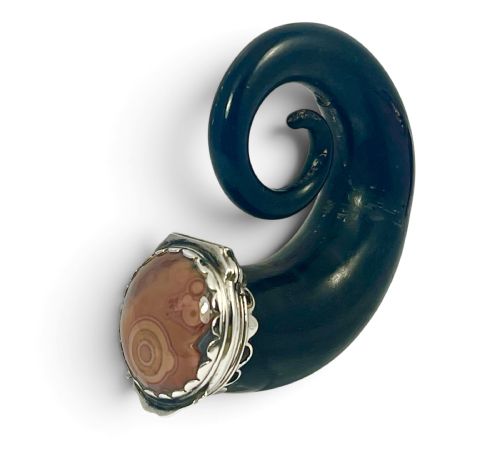
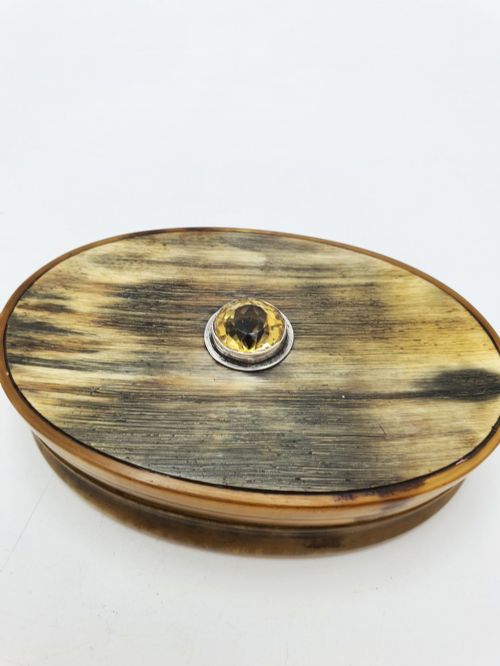
The material originates from natural horn, pressed horn, and combined media including tortoiseshell, ivory, wood, and pewter. Scottish traditions dominate the regional styles, often featuring cairngorm stones, thistles, and solid silver mounts from around eighteen-fifty.
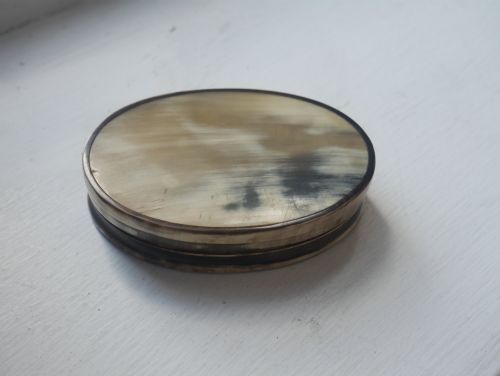
Makers utilised the natural translucency and grain of the material, shaping containers for waistcoats and formal use alike. Forms range from plain oval boxes to Napoleonic bicorn hats and carved vessels with engraved floral patterns.
How they were made
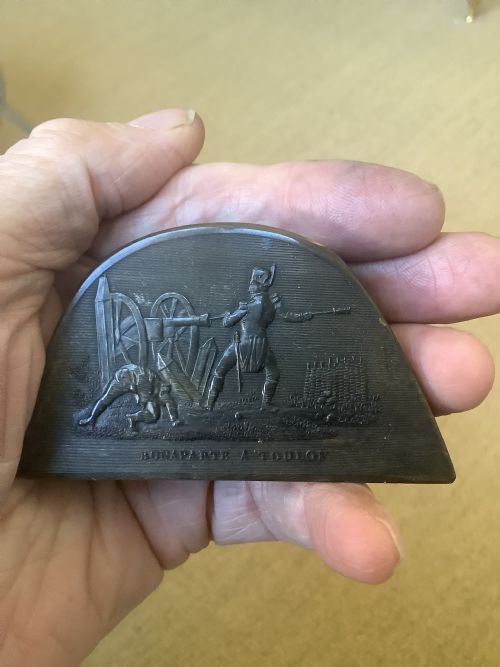
Artisans manipulated natural horn through heat and pressure, pressing the organic material into steel dies to create crisp, detailed reliefs such as Napoleonic hats and geometric patterns. Other examples relied on hand-carving, utilising the varying dark tones and translucency of the natural substance.
Metal mounts in silver, brass, and pewter provided structural reinforcement and decorative hinges, while piqué work incorporated delicate silver pins. Silver cartouches were frequently inset into the lids for engraved initials or crests, secured alongside materials like ivory and tortoiseshell.
Retail Price Guide 2026
Typical UK retail prices for horn snuff box, calculated from the Sellingantiques database of over a million retail prices indexed since 2003. This retail price guide relies exclusively on Sellingantiques data; no external sources or auction records are used, so the figures do not describe the wider market.
Listings feature items from the nineteenth century, Edwardian era, and Georgian periods, utilising natural horn, pressed horn, silver, brass, wood, and ivory.
What varies in quality
Quality rests upon the crispness of the pressed relief or hand-carving and the integration of secondary materials such as silver mounts and cairngorm stones. Boxes that retain smooth, working hinges and unblemished horn surfaces command greater attention from collectors.
The refinement of decorative elements, from engraved thistle cartouches to inlaid piqué work, separates standard utility pieces from high-status Scottish mulls. The presence of documented makers or specific regional motifs elevates the distinction of an individual piece.
Charles Horner·R Constantine
The Antique Horn Snuff Box Glossary
- Snuff box
- A small pocket container specifically manufactured to hold dry powdered tobacco for inhalation. These receptacles required tight-fitting lids to preserve the scent and dryness of the contents.
- Snuff mull
- A traditional Scottish receptacle for snuff, frequently fashioned from a ram's horn and mounted with sterling silver, cairngorm stones, and hinged lids.
- Pressed horn
- A manufacturing technique where horn is softened by heat and forced into a metal mould to produce sharp, raised designs and figural shapes.
- Piqué work
- A decorative technique involving tiny gold or silver pins tapped into tortoiseshell, horn, or ivory to form geometric and floral patterns.
- Cairngorm
- A yellow-brown or smoky quartz crystal mined in the Cairngorm Mountains of Scotland, frequently utilised to ornament the lids of traditional Scottish mulls.
Frequently Asked Questions
What is an antique horn snuff box?
An antique horn snuff box is a small, portable container fashioned from animal horn to hold powdered tobacco. They were carried in pockets during the eighteenth and nineteenth centuries.
These objects display diverse regional styles, ranging from plain oval pocket boxes to elaborate Scottish mulls adorned with silver and cairngorm stones.
How do you date a horn snuff box?
Dating relies on stylistic clues, metal mounts, hallmarked silver elements, and inscribed dates or historical events referenced on the lid. Pieces often correspond to the nineteenth century or specific decades like eighteen-fifty.
Constructive techniques, such as pressed horn moulds versus hand carving, also help place a piece within Georgian, Victorian, or Edwardian periods.
How were horn snuff boxes used?
Owners carried them in waistcoats or pockets for quick access to dry tobacco taken through the nose. The tight lids kept the powder dry during outdoor pursuits like hunting.
Opening the lid was a social ritual in Georgian and Victorian society, often involving sharing the contents with companions.
What is a Scottish snuff mull?
A Scottish snuff mull is a distinct variant typically made from a natural ram or cattle horn, often fitted with a silver rim and a hinged lid. They frequently incorporate Scottish motifs like thistles and cairngorm quartz.
These larger mulls were often placed on dining tables or carried by Highland regiments and nobility.
Are these boxes durable?
Natural horn is a resilient, fibrous organic material that withstands daily handling and pocket wear well over centuries. Proper humidity and stable temperatures keep the horn from warping.
Metal mounts and hinges reinforce the structure, though care must be taken with delicate inlays like ivory or tortoiseshell.