

Carved Tobacco Box
A carved tobacco box brings domestic history into your palm through the carver's patience with wood, horn, and nut.
Carved Tobacco Box
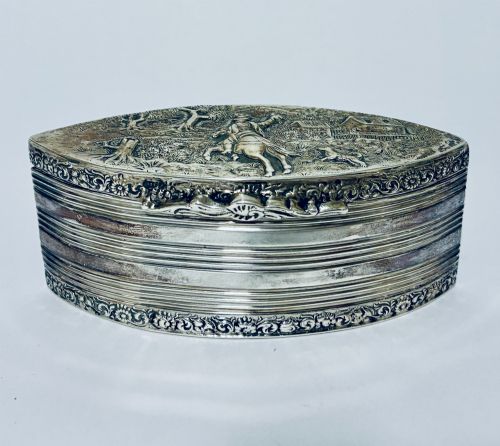
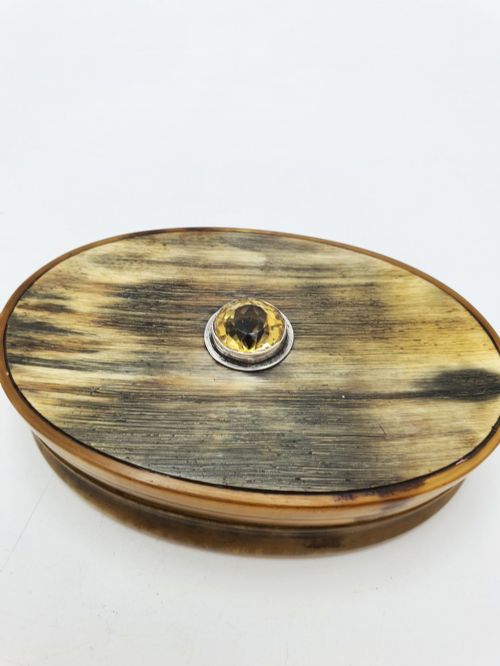
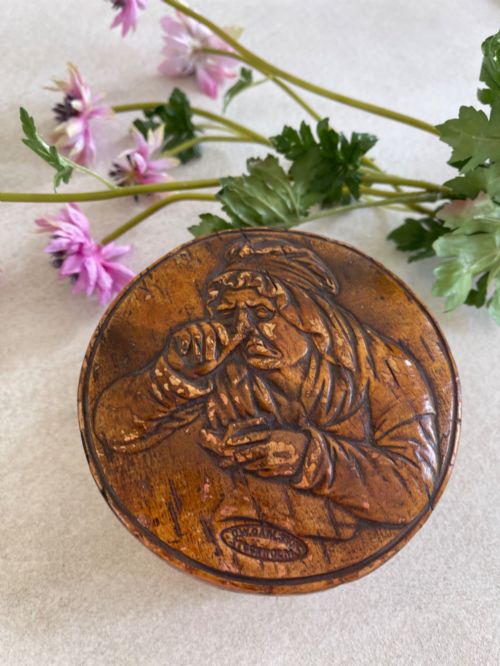
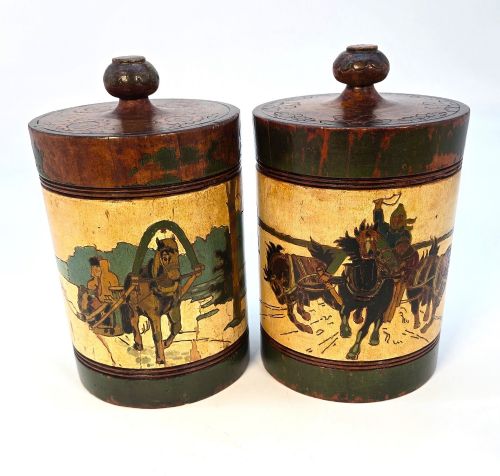
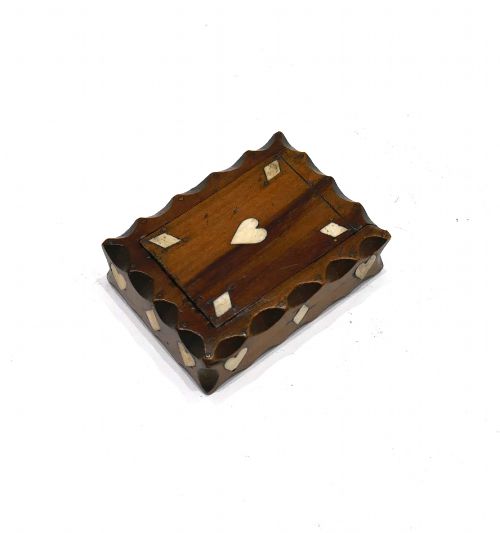
When you search for a carved tobacco box, you enter a diverse world of treen, folk art, and Black Forest containers designed for smoking materials. These items span portable pocket receptacles to substantial table humidors.
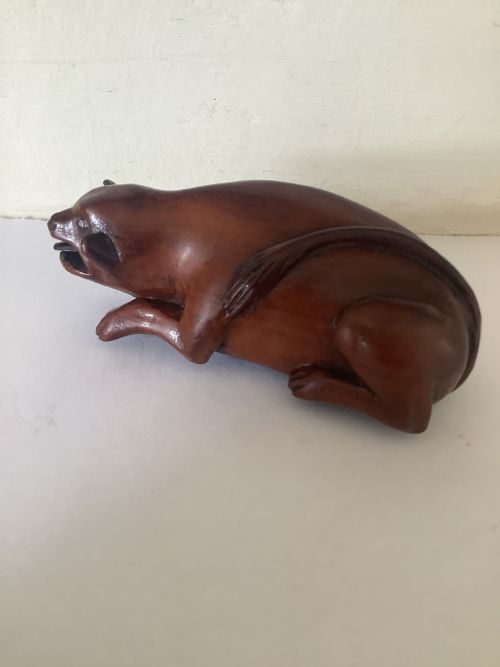
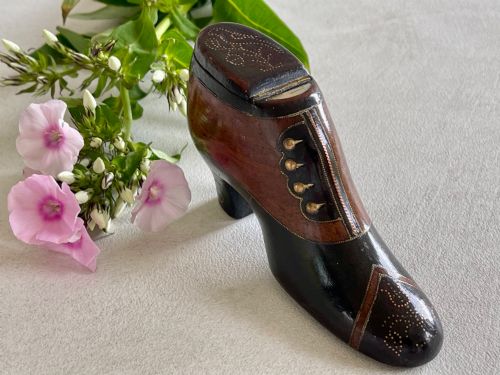
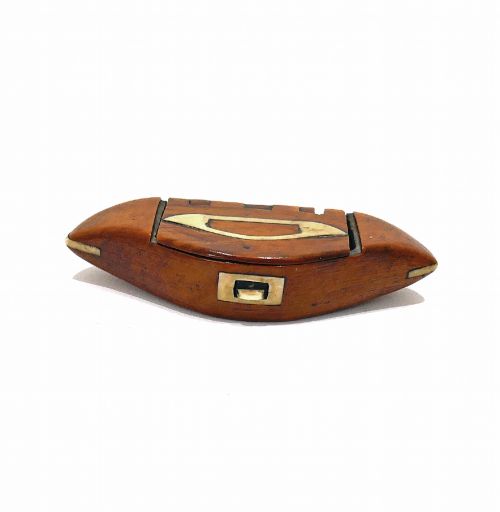
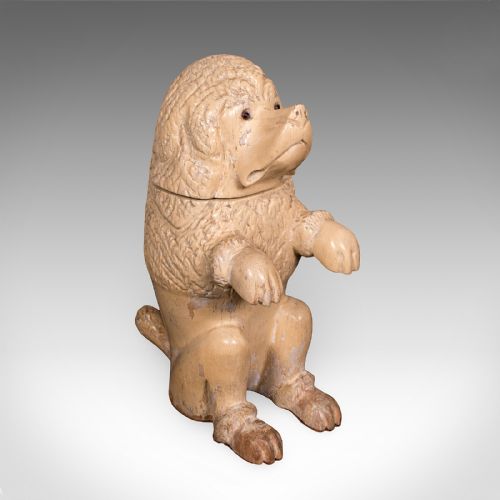
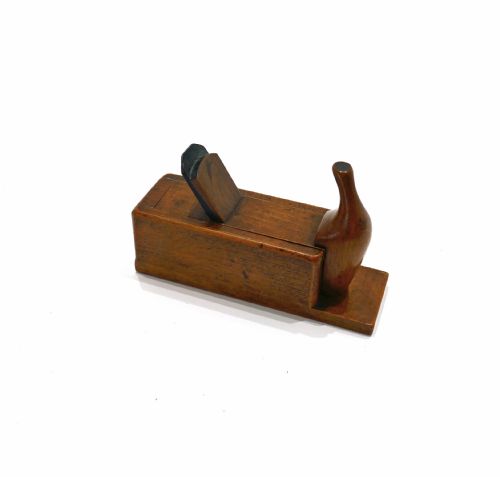
The most common examples on this page are nineteenth-century wooden and horn pieces shaped as animals, shoes, or figural subjects. Many blur the line between tobacco containers, snuff boxes, and whimsical novelties.
Origins stretch from English workshops and Scottish mulls to continental Black Forest carvers and Asian export studios. They reflect both everyday utility and distinct nineteenth-century folk traditions.
How they were made
Carvers utilised local hardwoods such as fruitwood, boxwood, oak, and linden wood alongside exotic materials like coquilla nut and horn. Pressing techniques were also employed for maple and horn containers using metal dies.
Decoration relied on hand-carving, incised engraving, and turnery, frequently enhanced with inlaid bone, mother-of-pearl, or brass pique work. Painted highlights and rich patination completed the surface finish of these functional objects.
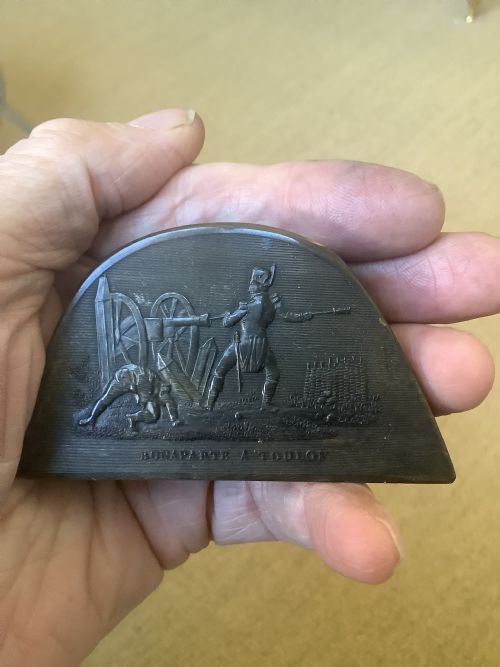
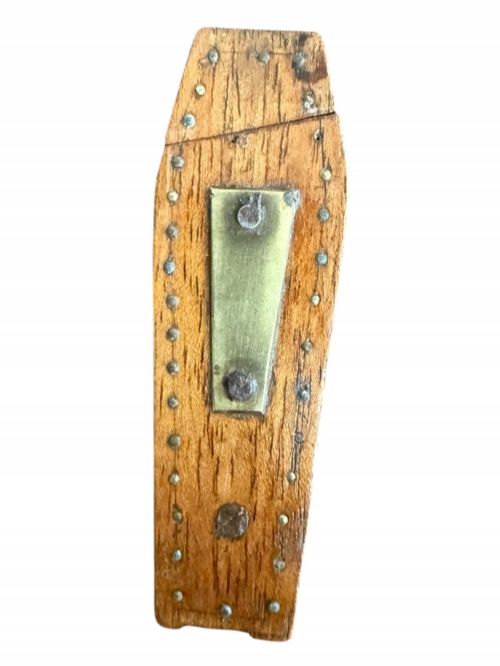
Carvers could not resist turning tobacco containers into a soccer football, a doctor's case, or Napoleon's bicorn hat.
What varies in quality
Quality rests upon the depth of relief, the liveliness of the carving, and the fidelity of anatomical or figurative forms. Subtle details like expressive animal eyes or crisp bone inlay separate masterwork items from naive domestic output.
The integrity of the material and the survival of a deep, warm patina dictate desirability. Closely fitted lids and undamaged hinges preserve the original function and aesthetic value of each piece.
The Carved Tobacco Box Glossary
- Treen
- Small handmade wooden household objects. These items display the functional turned and carved skills of historical woodworkers.
- Snuff mull
- A container for holding powdered tobacco, typically fashioned from animal horn in Scotland. They often incorporate pewter mounts and accessories.
- Black Forest
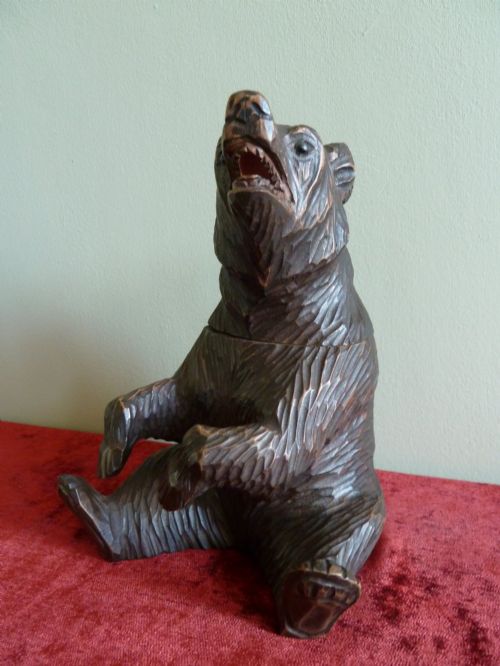
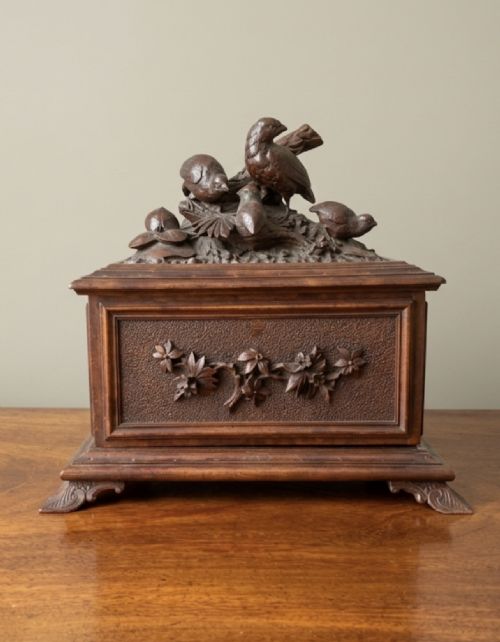
- A nineteenth-century carving style originating from the wooded mountain region in Germany. Pieces from this tradition heavily feature realistic bears, dogs, and forest foliage.
- Pique work
- A decorative technique involving tiny points of metal inlaid into tortoiseshell, horn, or wood. This method creates delicate geometric or floral patterns.
- Coquilla nut
- The hard, mottled seed of an aromatic palm native to South America. Carvers favoured this dense material for intricate miniature boxes and nutmeg graters.
Carved Tobacco Box: Frequently Asked Questions
What is the difference between a tobacco box and a snuff box?
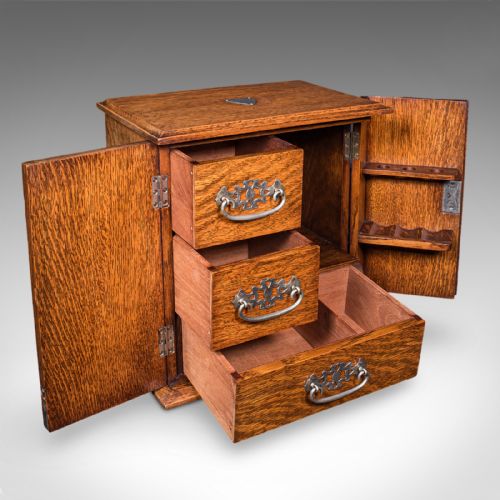
Tobacco boxes were generally larger containers built to hold loose pipe tobacco or cigars for table use. Snuff boxes were smaller, highly portable pocket receptacles designed to hold dry powdered tobacco.
Both categories overlap heavily in historical terminology, especially regarding nineteenth-century novelty items carved as animals or shoes.
How do I care for antique carved wooden boxes?
Keep wooden and horn containers away from direct sunlight and dramatic temperature swings to prevent splitting. Occasional light dusting with a dry cloth maintains the surface.
Avoid modern liquid polishes, allowing the natural historic patina to breathe and deepen over time.
Why are so many carved tobacco boxes shaped like shoes?
Shoe-shaped containers, often called snuff shoes or slippers, represent a long-standing European folk art tradition loaded with symbolic meaning. They served as courtship gifts or lucky tokens in domestic spaces.
Carvers enjoyed utilising the tapering toe for intricate inlay and sliding lids.
How can I tell a Black Forest tobacco box from other styles?
Black Forest carvings are distinguished by their naturalistic rendering of animals, particularly bears and dogs, captured in deep relief. They typically utilise linden wood or walnut with dark staining.
These pieces often double as humidors or heavy table trinket boxes originating from nineteenth-century Germanic workshops.