
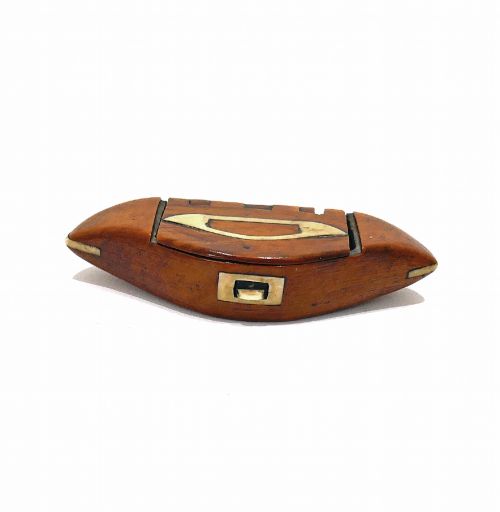


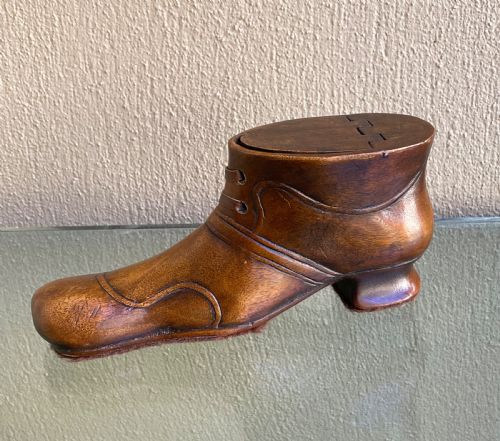
Brown Snuff Box
A brown snuff box sits in the hand as a small pocket archive of social history, carved from wood, horn or tortoiseshell.
Brown Snuff Box
When you look for a brown snuff box, you meet small pocket containers and larger table versions designed to hold powdered tobacco. The examples on this page span the eighteenth, nineteenth and early twentieth centuries, reflecting changing social habits across different eras.
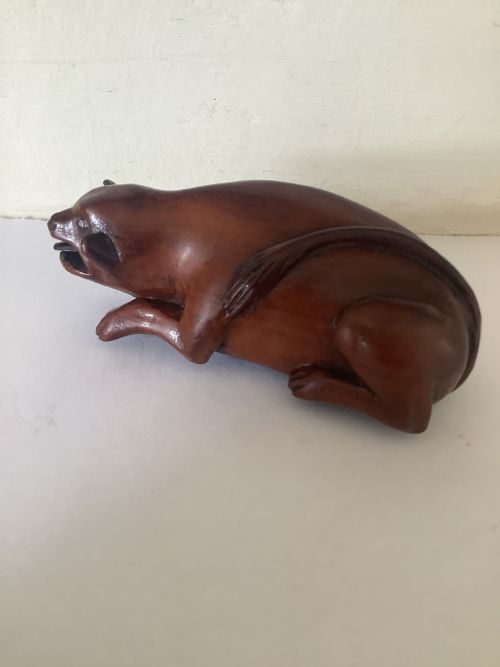
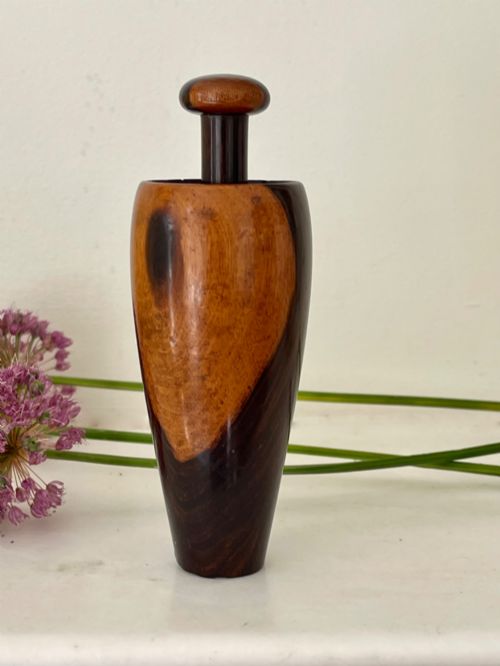
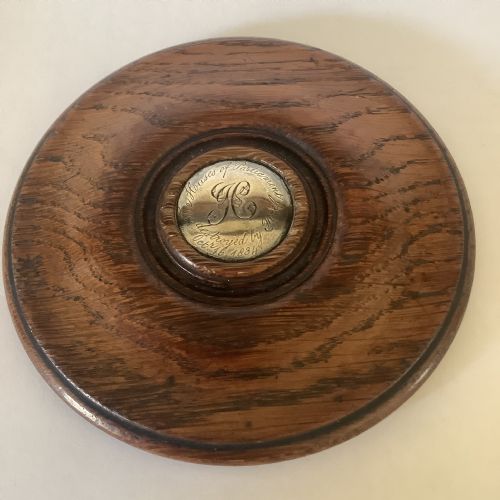
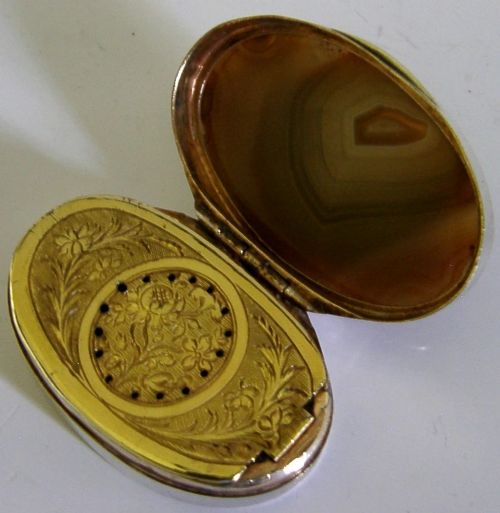
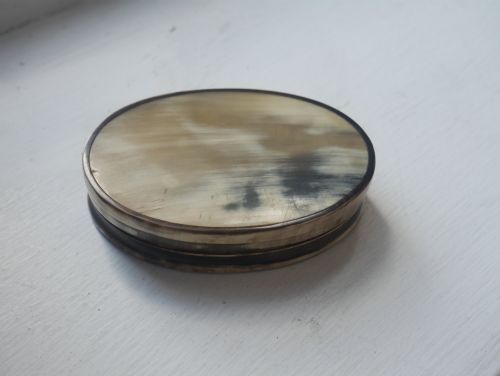
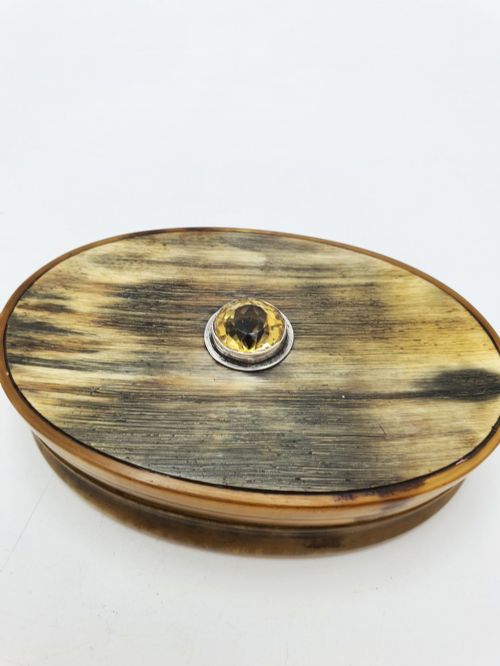
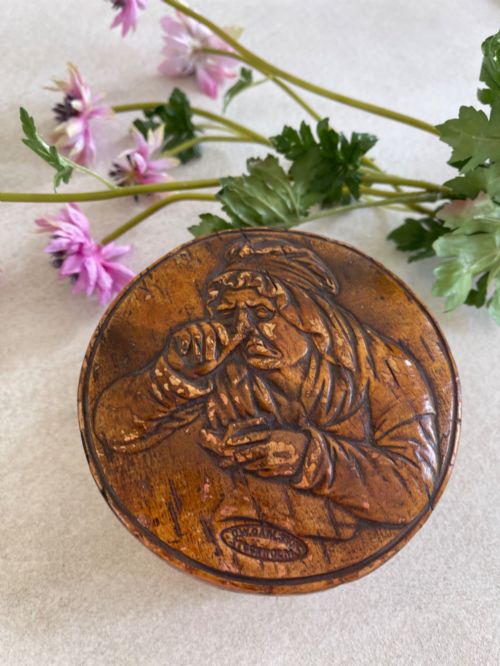
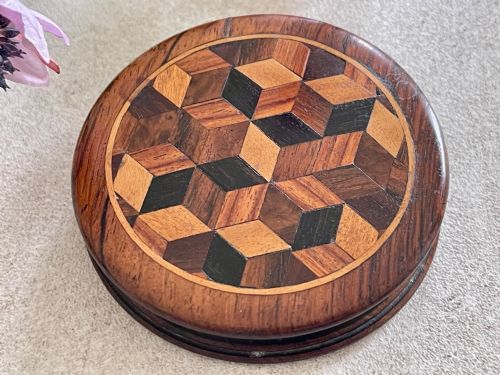
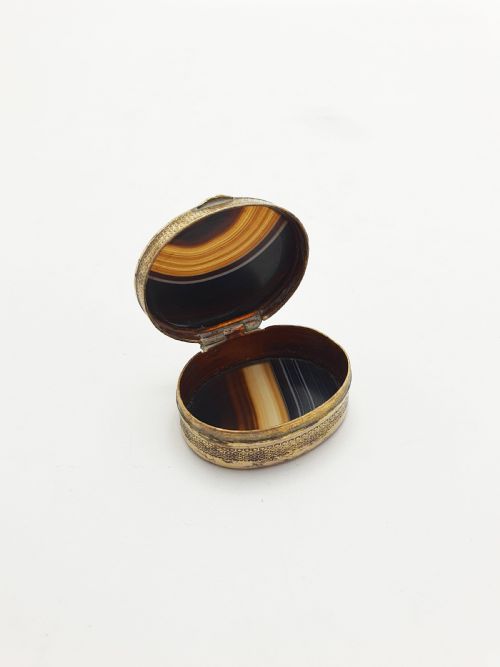
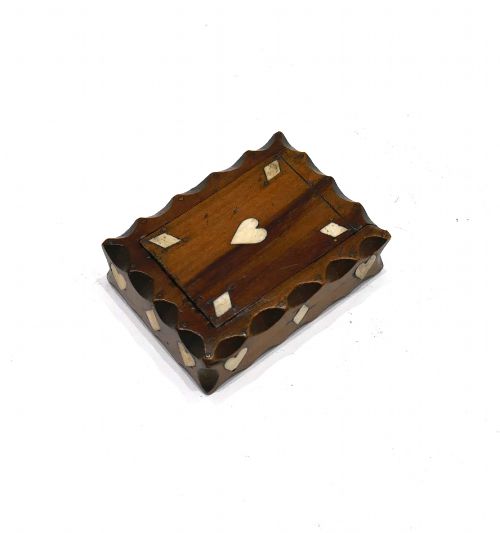
Most items you encounter here are fashioned from organic materials like fruitwood, coquilla nut, horn and tortoiseshell, often shaped into pocket books, shoes, animals or simple ovals. Folk art carvings and turned treen pieces dominate the selection, alongside occasional silver-mounted specimens.
Originating largely from British and European workshops, these objects served both functional and decorative roles in daily life. Their survival in domestic hands demonstrates the enduring appeal of small-scale historic treen and hornwork.
How they were made
Maker's workshops utilised organic materials such as boxwood, fruitwood, horn, tortoiseshell and coquilla nut, shaping them through turning on a lathe, pressing in metal dies or carving by hand with simple gouges.
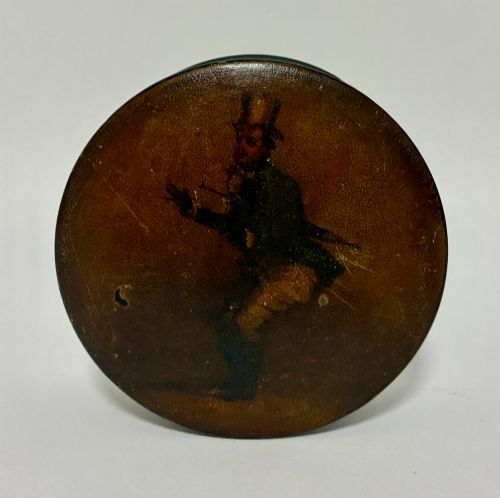
Surface decoration frequently involved inlaying bone and mother-of-pearl into wood, chip carving geometric patterns, or applying painted scenes under glass.
Hinges and lids required precise fitting to keep the powdered contents dry, often employing tiny silver or brass pins to secure the moving parts.
Listings on this page include organic materials like tortoiseshell, horn, cowrie shell, and various fruitwoods alongside sterling silver mounts.
What varies in quality
The degree of detail in the carving separates standard pocket containers from exceptional folk art pieces, particularly in how cleanly the animal forms, shoes or books are rendered.
Material selection dictates the upper tier of the range, where figured burr woods, tortoiseshell with gold piqué work, or flawless cowrie shells are mounted in sterling silver.
The tightness of the lid closure and the preservation of original polish indicate how well a piece survived daily handling in a pocket or on a table.
Hilliard & Thomason
The Brown Snuff Box Glossary
- Treen
- Small handmade wooden objects for domestic use. This term covers turned bowls, boxes and utilitarian items shaped from local hardwoods.
- Coquilla nut
- The hard, mottled brown seed of the South American piassava palm. Carvers favoured it for snuff containers because it takes a high, dark polish and accepts fine detail.
- Vinaigrette
- A small ornamental box containing a perforated grill over a sponge soaked in aromatic vinegar. These were carried to counteract unpleasant odours in public spaces.
- Piqué
- A method of decorating tortoiseshell or ivory by inlaying tiny gold or silver pins and strips to form geometric or floral patterns.
- Bicorn
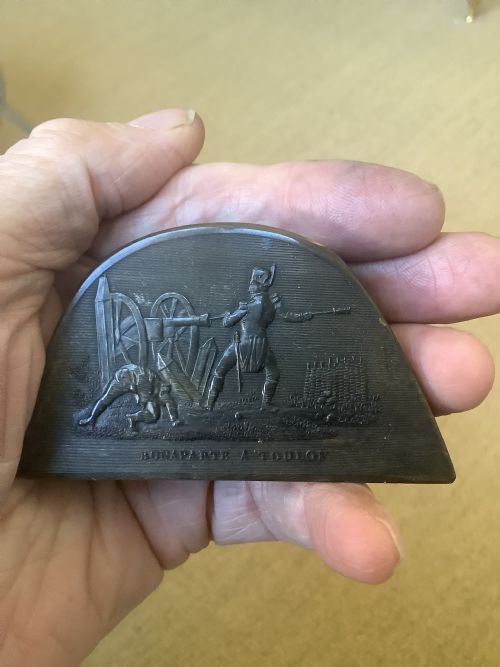
- A historical two-cornered hat style popular around the turn of the nineteenth century. Pressed horn snuff boxes were frequently moulded into this specific silhouette.
Brown Snuff Box: Frequently Asked Questions
What is a brown snuff box used for?
These containers held finely ground tobacco known as snuff, which users inhaled or applied to the inside of the nose.
People carried them in pockets or placed them on dining and parlour tables for guests during social gatherings.
How do I date a wooden snuff box?
Dating relies on combining the material, the style of construction, and decorative motifs like bone inlay or chip carving.
Georgian examples often feature simpler geometric patterns or silver mounts, while Victorian items lean towards novelty shapes and pressed horn.
What materials are common in these boxes?
Makers relied heavily on organic materials that felt pleasant to touch in the hand, including various hardwoods, fruitwood and walnut.
Other frequent materials include animal products such as cowrie shell, baleen, tortoiseshell, horn and coquilla nut.
How should I clean my antique snuff box?
Dusting gently with a dry, soft cloth is usually sufficient to maintain the surface of wood, horn or tortoiseshell without causing damage.
Water, modern solvents and harsh polishes must be avoided entirely because they strip the historic patina and warp organic materials.