



Victorian Horn Box
These Victorian horn box examples are tactile nineteenth-century containers shaped from natural keratin, prized for their organic patterns and pocket-sized utility.
Victorian Horn Box
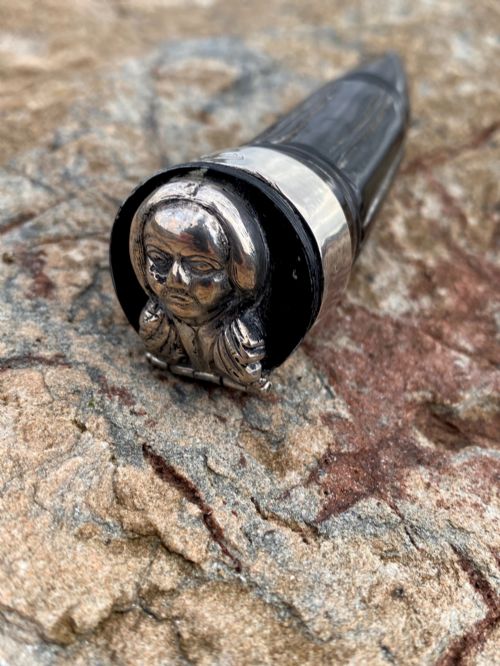
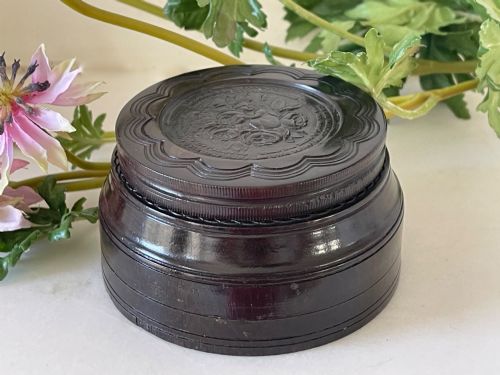
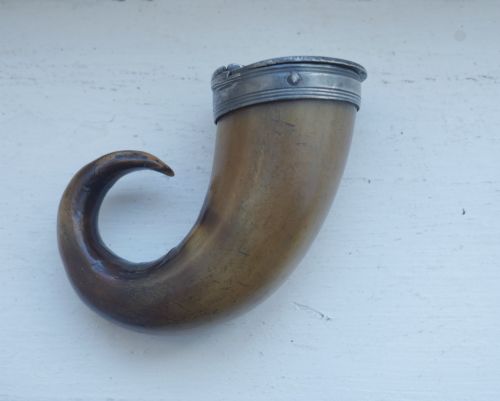
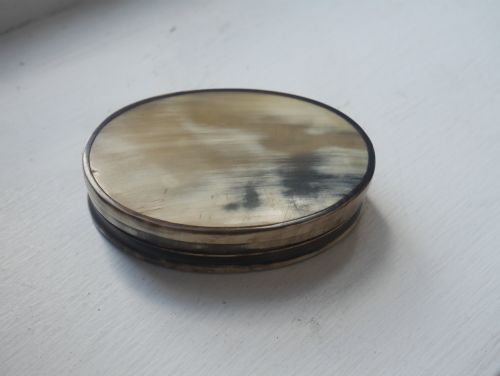
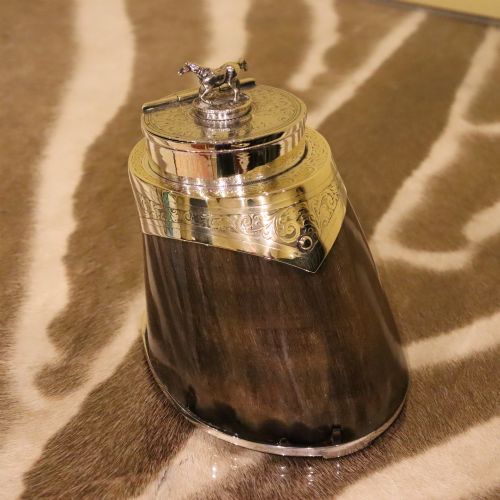
When you search for a victorian horn box, you encounter small personal containers fashioned during the nineteenth century from natural horn, pressed horn, and occasionally hoof or tortoiseshell. These pieces primarily take the form of snuff boxes and pocket mulls, though desk tidies and sewing boxes also appear.
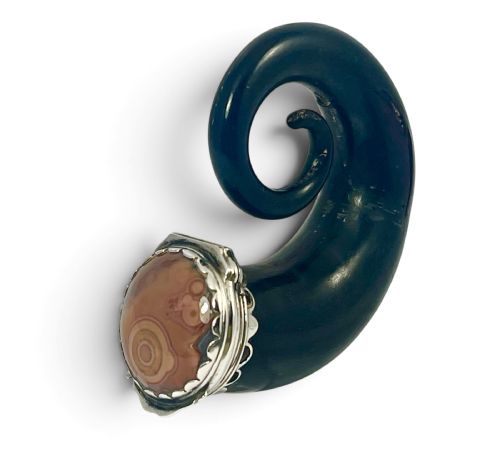
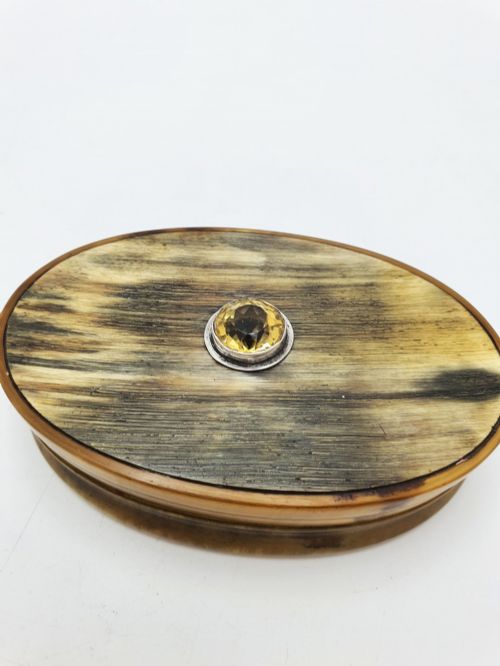
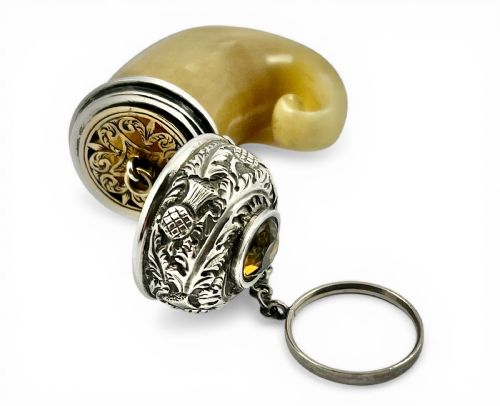
The objects frequently hail from Scottish traditions, often incorporating silver mounts or faceted citrine stones into the lid. Others display vernacular carving or commemorative pressed scenes, reflecting the diverse domestic uses of horn in the Victorian era.
How they were made
Maker's workshops utilised the natural pliability of horn when heated, pressing the material into metal moulds to create crisp relief decoration such as historical scenes. Artisans also turned, carved, and polished natural horn to exploit its variable translucency and dark grain.
Mounts in silver and gold, along with gemstones like citrine and agate, were added to elevate simple utilitarian containers into decorative accessories. Interiors were frequently lined or fitted to hold snuff safely.
Victorian Horn Box Retail Price Guide 2026
Typical asking prices for victorian horn box among the pieces listed under this phrase on Sellingantiques today, from the lower quarter to the upper quarter. They describe what is for sale here now, not the wider market.
Materials across the inventory span natural horn, pressed horn, horse hoof, tortoiseshell, and quill work.
What varies in quality
The standard of a victorian horn box depends heavily on the crispness of the moulding and the finesse of the hand-carving. Plain, utilitarian pocket pieces sit at one end, while elaborately mounted boxes featuring gemstones and precious metal hinges occupy the other.
The natural figuring of the horn itself plays a role, with rich tonal variation and preservation of the material contributing to a superior visual presence. Pieces that retain their original stones and secure, tight-fitting lids command greater appreciation.
The Victorian Horn Box Glossary
- Snuff mull
- A pocket container specifically designed for holding powdered tobacco, often fashioned from a ram's horn or hoof in Scottish traditions. These typically feature metal rims and tightly fitted lids.
- Pressed horn
- Horn that has been softened by heat and forced into engraved metal dies to produce sharp, detailed pictorial reliefs. This technique allowed for the mass production of commemorative or decorative scenes.
- Vinaigrette
- A small ornamental box containing a perforated internal grille, designed to hold a sponge soaked in aromatic vinegar. These were carried to mask unpleasant odours in public spaces.
- Citrine
- A yellow-to-orange quartz variety frequently set into the silver mounts of Scottish horn boxes during the nineteenth century. It provides a bright contrast to the dark, polished keratin.
- Tortoiseshell
- The mottled brown and amber shell of certain turtle species, occasionally combined with horn in box construction. It brings a translucent, layered warmth to the piece.
Victorian Horn Box: Frequently Asked Questions
What is a horn snuff box?
A horn snuff box is a small nineteenth-century container made to hold dry powdered tobacco for inhalation. These pocket-sized items were essential daily accessories for Victorians.
Craftsmen shaped the organic material into hinged boxes, often embellishing them with silver mounts or polished stones to suit the owner's status.
How do I date a horn box?
Dating relies on examining the construction methods, hinge types, and stylistic markers recorded in nineteenth-century examples. Pressed horn scenes often depict specific historical events or figures from the era.
Silver hallmarks, where present, provide precise assay office years that anchor the piece within the Victorian period.
How were these boxes used?
Victorian users carried these containers in pockets or waistcoats for quick access to snuff during social gatherings. Opening the tightly fitted lid allowed the user to pinch a small amount of tobacco.
Some variations served alternative domestic purposes, functioning as desk tidies, sewing receptacles, or containers for aromatic vinegars.
Are these pieces made of real horn?
Yes, the listings demonstrate that makers utilised natural animal horn, hoof, and tortoiseshell. The organic material exhibits natural striations and colour variations.
Pressed versions used the same genuine keratin softened by heat to capture minute details from metal dies without altering the chemical composition.