
Antique Pocket Snuff Box
These antique pocket snuff box examples offer small-scale portable history, crafted to hold tobacco in the waistcoat or pocket.
The Nature of the Antique Pocket Snuff Box
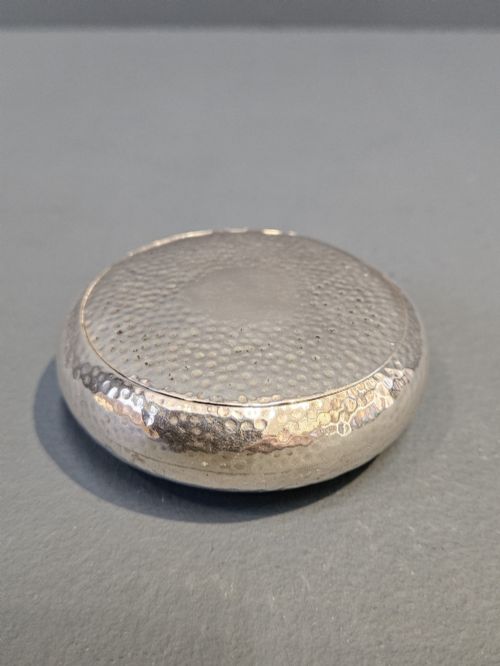
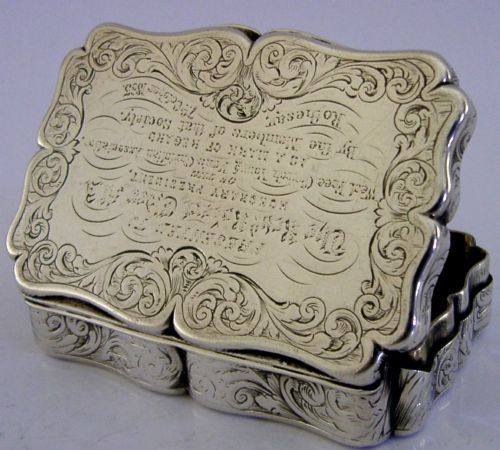
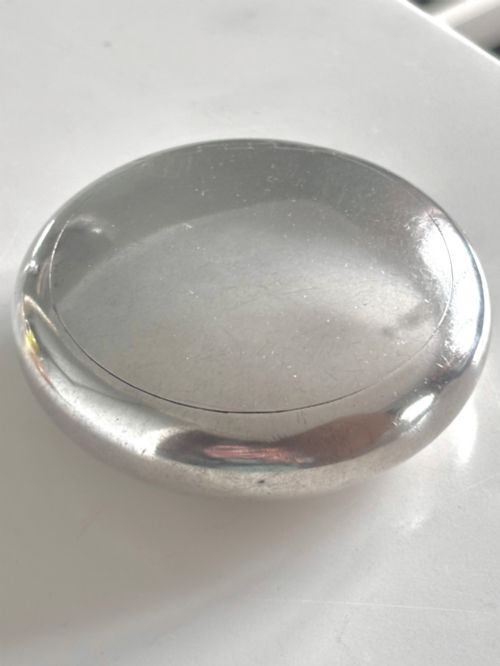
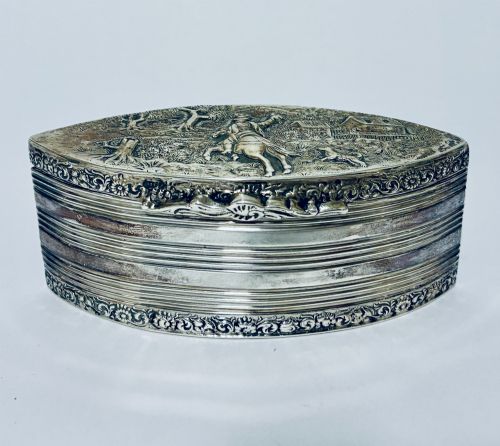
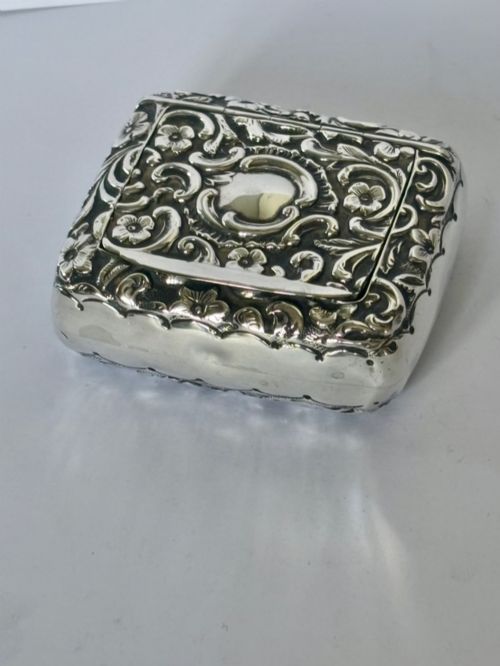
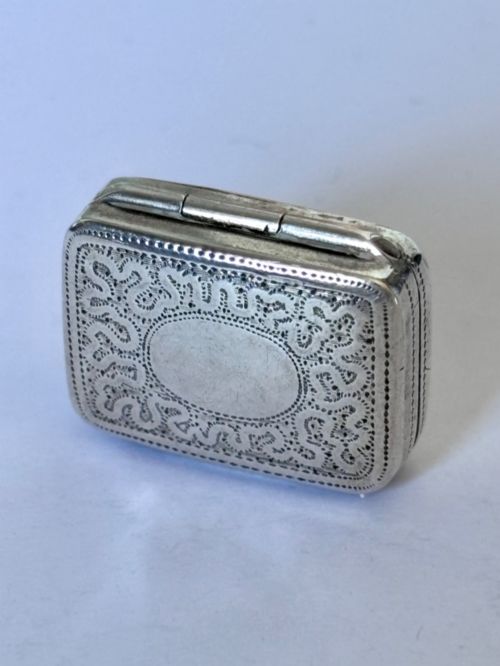
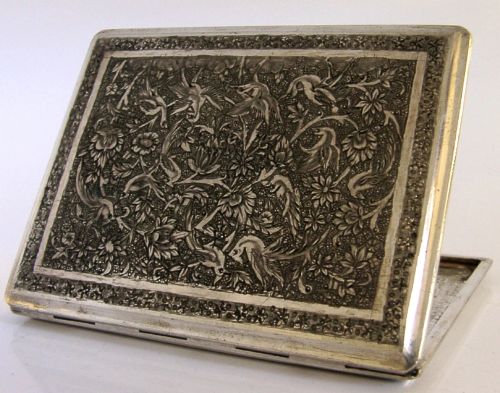
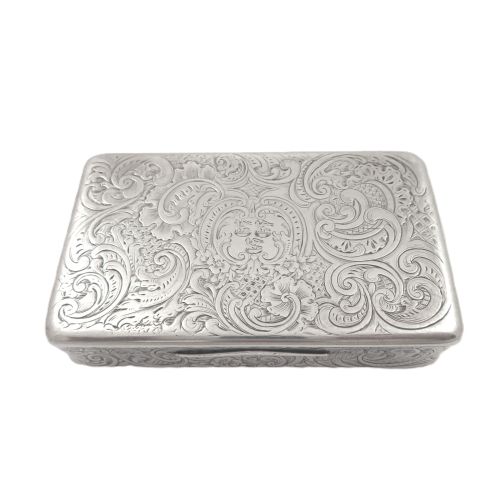
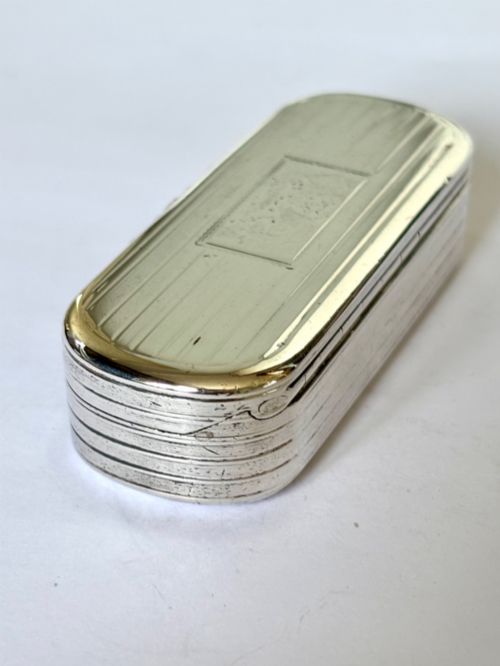
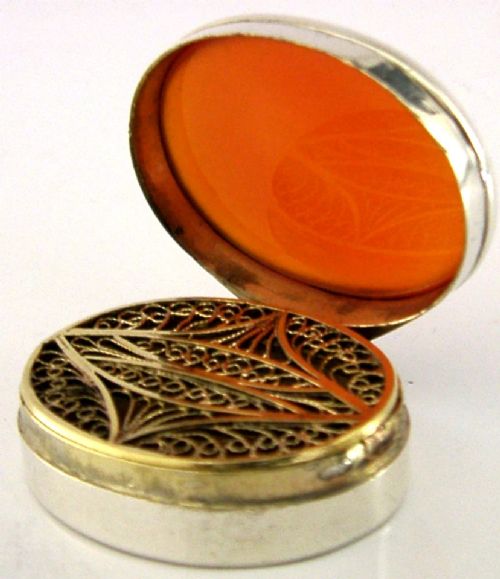
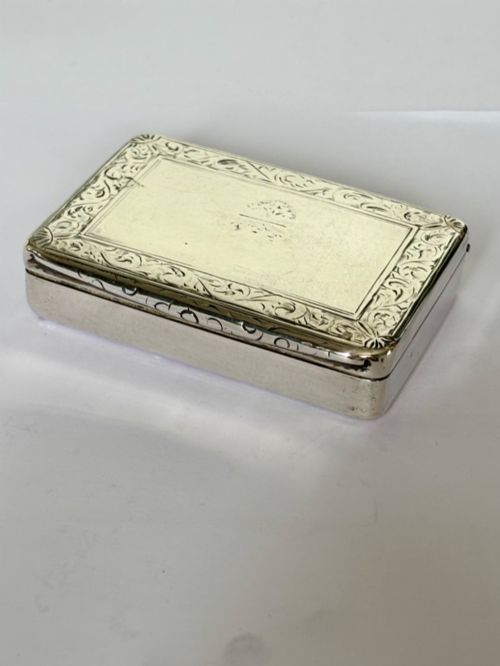
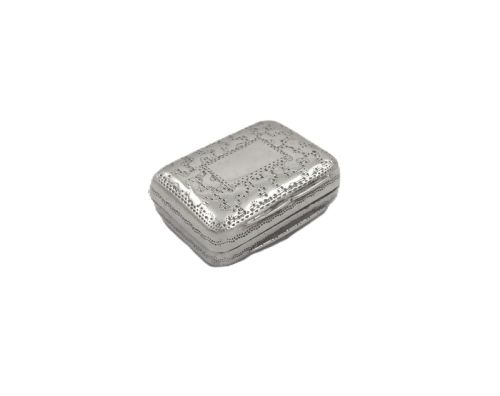
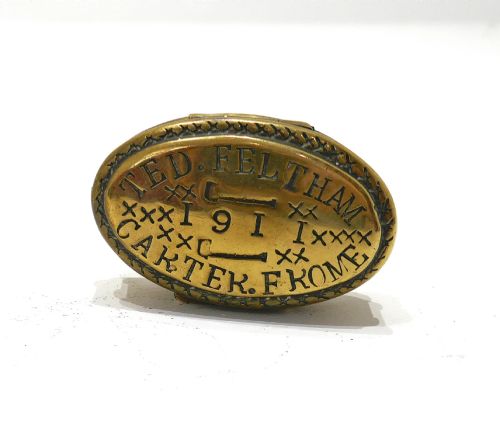
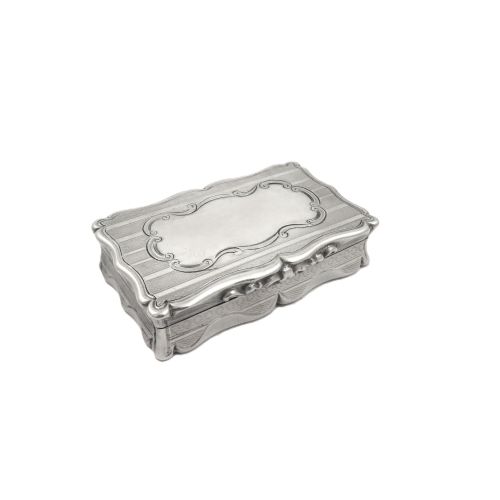
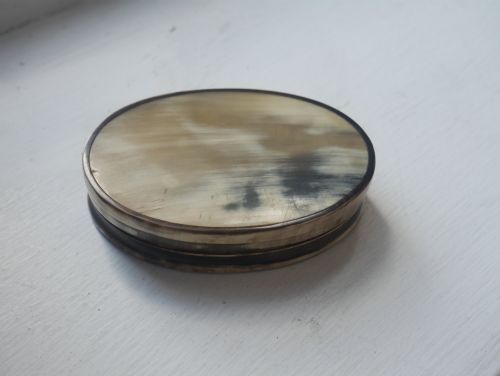
An antique pocket snuff box is a small container designed to hold powdered tobacco, shaped to slip easily into a waistcoat or coat pocket. The selection spans the eighteenth and nineteenth centuries, taking the form of oval horn vessels, wooden treen shuttles, and silver receptacles.
Most pieces seen here date from the nineteenth century, though eighteenth-century Georgian examples appear regularly. Forms range from simple metal and pewter boxes to decorative pressed horn and Scottish horn mulls.
Makers utilised organic materials like natural horn, fruitwood, and bone alongside sterling silver. Styles transition from Georgian formality through Victorian folk art to specific commemorative subjects like Napoleonic events.
Materials and Construction
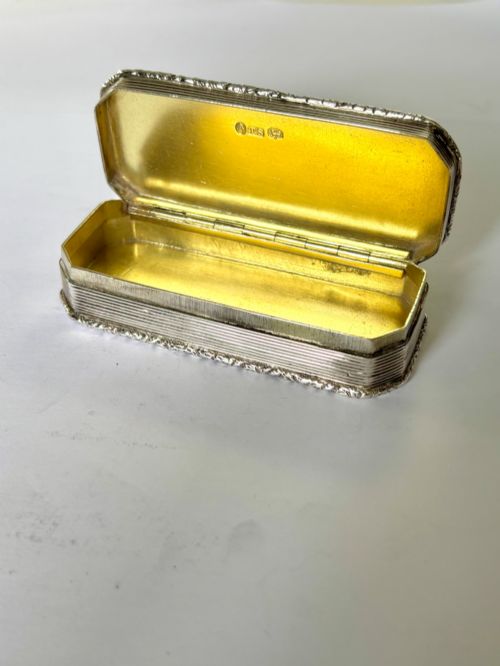
Craftsmen worked with sterling silver, pewter, and base metals, often employing techniques like silver gilding and hallmarking. Silversmiths shaped metal sheets into hinged containers fit for the pocket.
Organic materials required different handling, with makers turning fruitwood on lathes to create shuttle-shaped treen boxes inlaid with bone. Horn and pressed horn were softened and moulded into shape, sometimes featuring detailed commemorative imagery pressed into the surface.
Retail Price Guide 2026
Typical UK retail prices for pocket snuff box, calculated from the Sellingantiques database of over a million retail prices indexed since 2003. This retail price guide relies exclusively on Sellingantiques data; no external sources or auction records are used, so the figures do not describe the wider market.
The inventory records pocket snuff boxes spanning the eighteenth and nineteenth centuries, utilising sterling silver, fruitwood, and horn.
Distinctions in Quality
Quality rests upon the choice of material and the precision of the maker's hand, separating simple utility items from pieces of fine craftsmanship. Fine silver examples display crisp hallmarks, secure hinges, and balanced proportions, while simpler pewter or base metal versions prioritize function.
In organic materials, the refinement of the carving dictates the standard. Fruitwood boxes with delicate bone inlay or pressed horn vessels with sharp, legible historical scenes represent higher degrees of workshop skill than plain horn or utilitarian wood.
J Keating·John Shaw
The Antique Pocket Snuff Box Glossary
- Treen
- Small domestic wooden objects made by turning or carving. These items show the grain of fruitwood and other timbers.
- Mull
- A Scottish term for a snuff box, frequently fashioned from a ram's horn. They often incorporate silver mounts and cairngorm stones.
- Shuttle
- A boat-shaped form derived from weaving implements, adopted by makers for pocket boxes. Fruitwood boxes often utilise this elongated shape.
- Silver gilt
- Silver covered with a thin layer of gold on the interior or exterior. This treatment protected the metal from the corrosive properties of tobacco.
Frequently Asked Questions
What is an antique pocket snuff box?
An antique pocket snuff box is a small lidded container made to hold dry powdered tobacco for personal use throughout the day. These portable objects were carried in pockets or waistcoats.
They appear in materials ranging from sterling silver and pewter to natural horn, pressed horn, and fruitwood.
How were these boxes used?
Users carried a small quantity of ground tobacco leaves, known as snuff, in the pocket for consumption when socialising or travelling. The tight-fitting lids kept the powder dry and prevented the aroma from escaping.
Owners opened the hinged or slip-lid container to pinch a small amount of tobacco for inhalation.
How do I date a silver snuff box?
Silver examples often carry hallmarks that identify the assay office, the maker's mark, and the year of manufacture. Examining these stamped ciphers provides a direct link to silversmiths active in periods like the Georgian and Victorian eras.
Stylistic cues such as shape and engraving style support the hallmarks.
What materials are common for these boxes?
Common materials include precious metals like sterling silver and silver gilt, alongside base metals and pewter. Organic substances such as fruitwood, bone, and horn were also widely utilised.
Pressed horn frequently displays moulded historical scenes or decorative motifs.