


Antique Snuff Mull
An antique snuff mull is a traditional container for powdered tobacco, combining natural horn with precious metal mounts for daily use.
Antique Snuff Mull
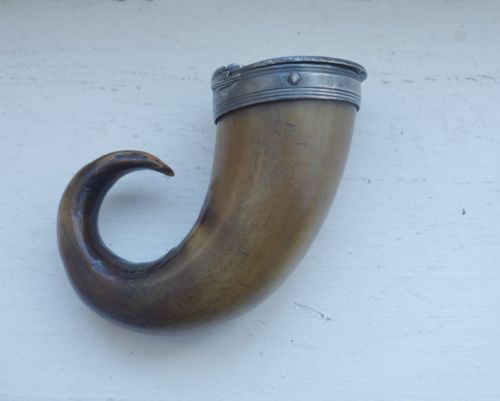
When you search for an antique snuff mull, you encounter distinctive horn containers originating mainly from Scotland across the Georgian and Victorian periods. These pieces include simple pocket formats and larger table variants shaped from natural animal horn.
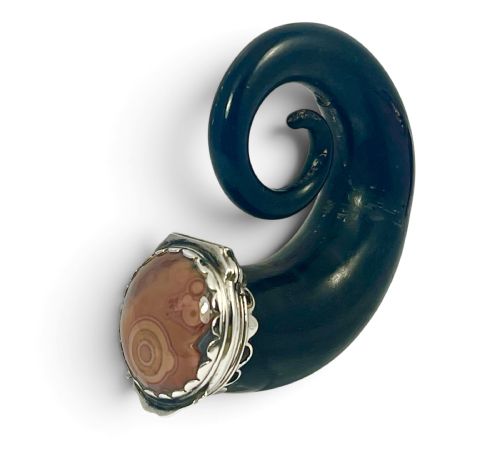
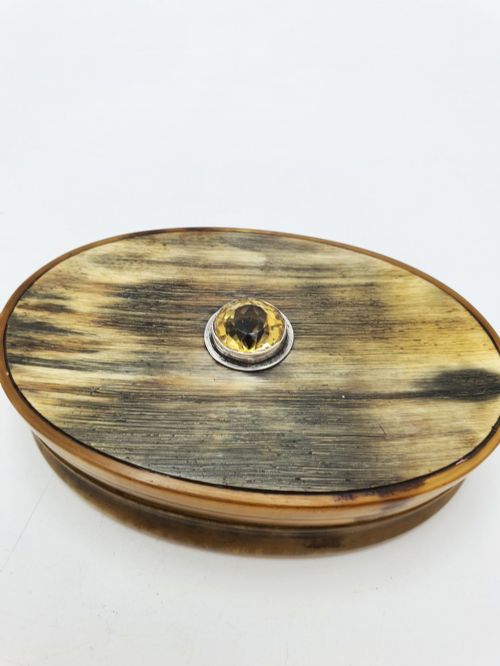
The objects take various forms, from coiled ram's horn and straight staghorn to pocket snuff boxes and boot-shaped designs. Many examples incorporate hinged lids and integrated accessories.
Mulls reflect a strong regional tradition, frequently showing Scottish vernacular and folk art influences. They serve as tangible survivals of social tobacco habits from the eighteenth and nineteenth centuries.
How they were made
Maker's workshops utilised natural horn, including ram and stag horn, shaped through heat and pressure to form the body of the mull. This organic material provides durability and a distinct mottled surface pattern.
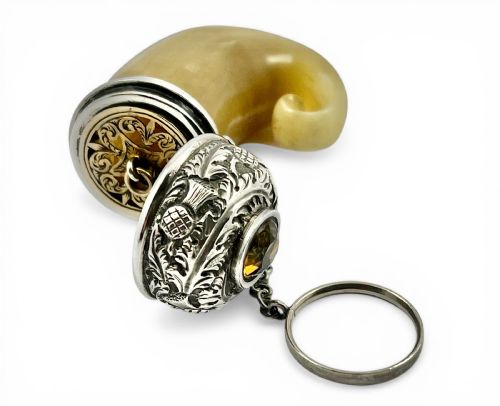
Silver, white metal, pewter and gilt metal mounts reinforce the rims and hinges, often secured with precise pins. Goldsmiths and silversmiths added engraved details and crests to the metal collars.
Some items incorporate inset stones such as citrine and agate into the lids or mountings. Original miniature tools, including spoons and picks, sometimes hang from chains attached to the collar.
Certain antique mulls retain tiny hidden compartments designed specifically to store spare flint for striking a light alongside the tobacco.
What varies in quality
The standard of the metalwork largely defines the distinction between standard items and superior examples. Heavy gauge silver mounts and crisp hand engraving indicate skilled artisan production.
The complexity of the horn shaping also marks the hierarchy of pieces, with natural curls and large ram's horn formations requiring greater skill to mount. Integrated decorative stones and surviving original tool sets elevate the status of a mull.
John Durie·Thos Samuel·D.B·William McKenzie
The Antique Snuff Mull Glossary
- Citrine
- A yellow variety of quartz frequently utilised as a faceted gemstone decoration on Victorian lids. It provides a bright contrast against dark polished horn.
- Agate
- A chalcedony mineral found polished and set into the metal lids of select pieces. The banded stones add colour and decorative variety.
- Vinaigrette
- A small container originally used for holding aromatic vinegar-soaked sponges. These items share construction techniques and materials with pocket snuff boxes.
Antique Snuff Mull: Frequently Asked Questions
How do I date an antique snuff mull?
Dating relies on stylistic clues, metal hallmarks where present, and the specific construction of the horn and hinge. Georgian pieces generally display simpler mounts, whilst Victorian examples frequently incorporate faceted citrine stones or engraved dedications.
Changes in shape from curved ram's horn to table boxes also help place an object within the nineteenth century.
What were snuff mulls used for?
These containers held dry powdered tobacco known as snuff, which users inhaled through the nose for social or medicinal purposes. Owners carried pocket versions or placed larger table mulls in communal rooms.
Many examples include small hanging tools for dispensing the powder and clearing the nasal passages.
Are all snuff mulls Scottish?
While the vast majority of surviving mulls originate from Scottish vernacular and folk art traditions, English workshops also produced similar horn and silver pieces. The style remains closely tied to Highland culture.
Makers utilised local ram and stag horn, adapting the natural curve into functional personal accessories.
How should I clean horn and silver?
Horn benefits from occasional light conditioning with neutral oils to prevent drying and cracking, avoiding harsh chemical immersion. Silver mounts require gentle polishing with a soft cloth to maintain the metal surface without touching the horn.
Keeping pieces away from direct heat sources preserves the integrity of the organic materials.