


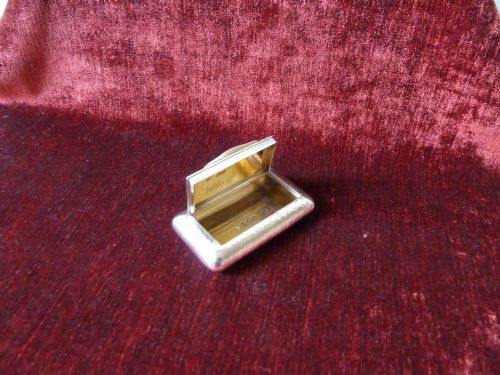


18th Century Silver Box
When you handle an 18th century silver box, you hold a personal container fashioned for snuff, tobacco, patches, or small valuables during the Georgian era.
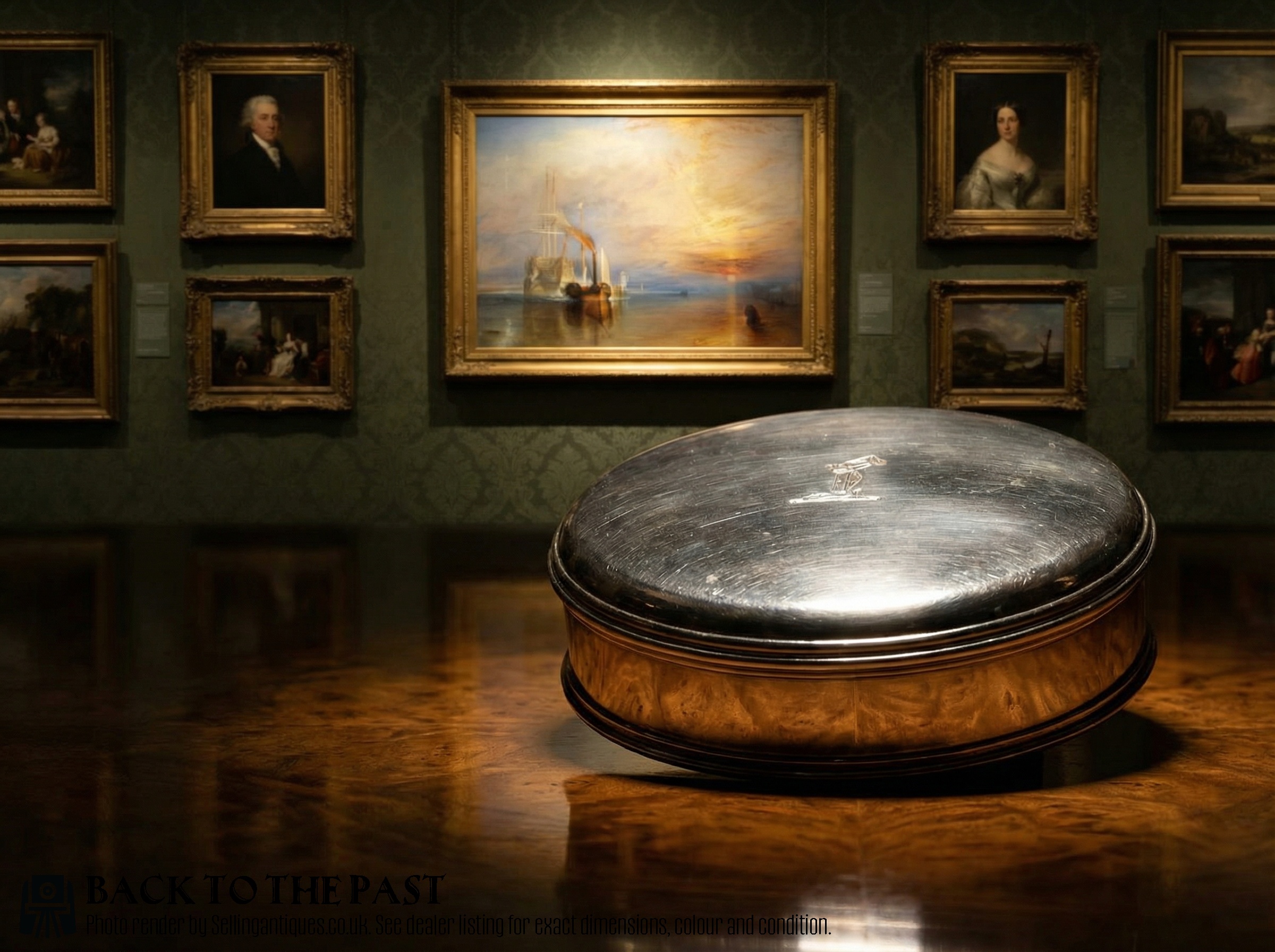
18th Century Silver Box
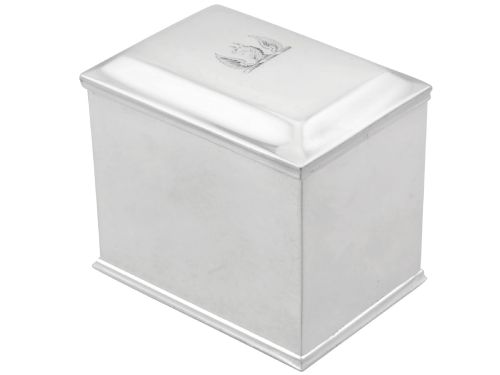
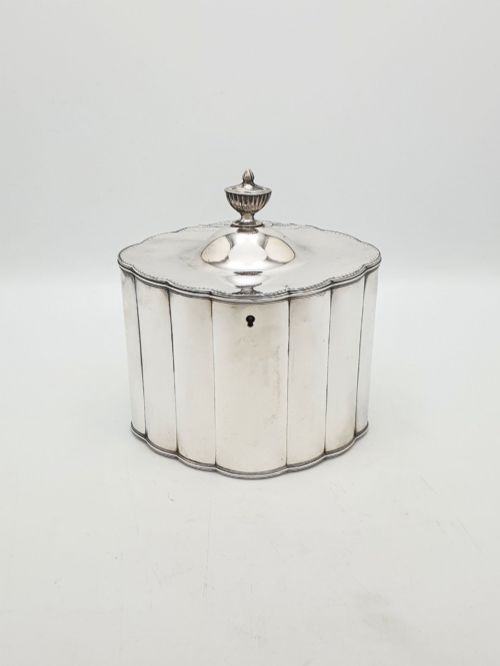
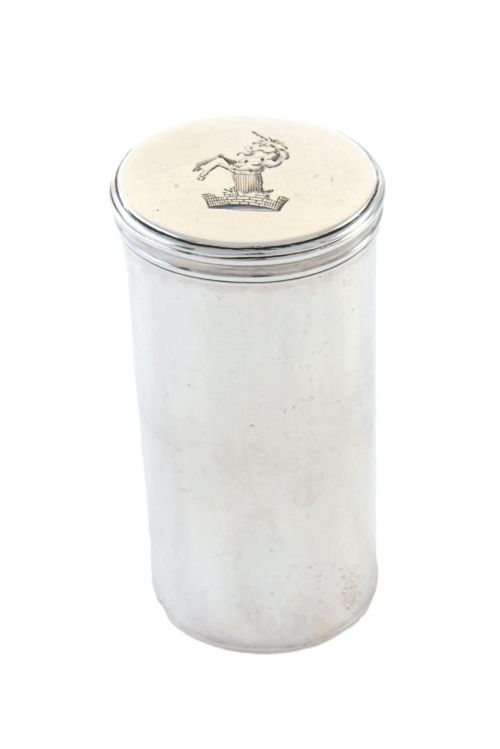
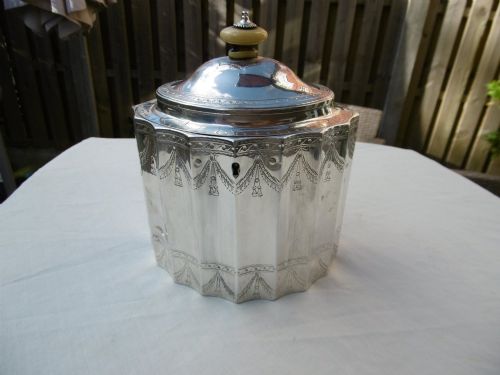
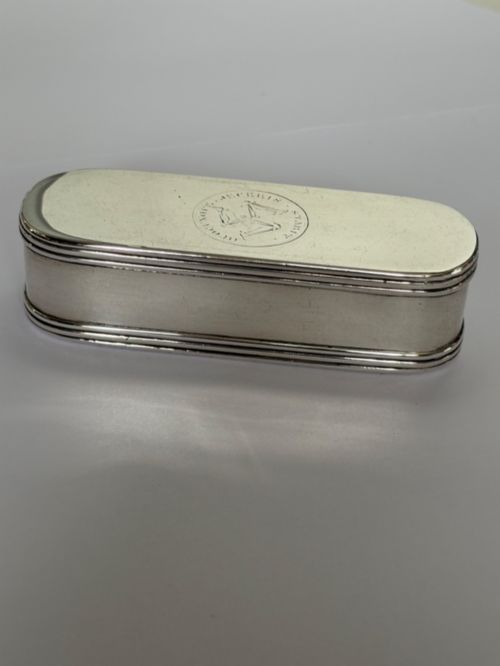
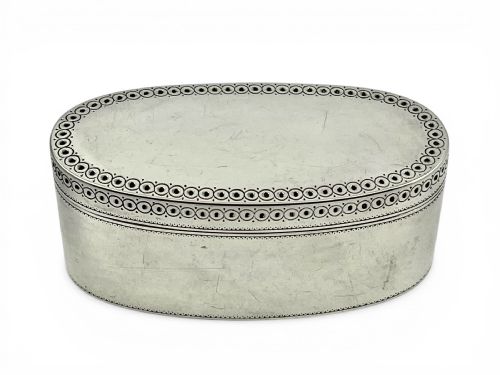
The 18th century silver box encompasses a diverse group of intimate containers produced primarily during the Georgian period, including snuff boxes, tea caddies, nutmeg graters, patch boxes, and tobacco boxes. Makers across England, Scotland, Ireland, and continental Europe shaped these items for functional daily use among the wealthy classes.
On this page, pocket-sized snuff boxes and larger tea caddies or silver chests dominate the selection, often bearing hallmarks from London, Birmingham, or Edinburgh. Pieces range from plain pocket forms to elaborate gilt items adorned with crests, rococo motifs, and bright-cut engraving.
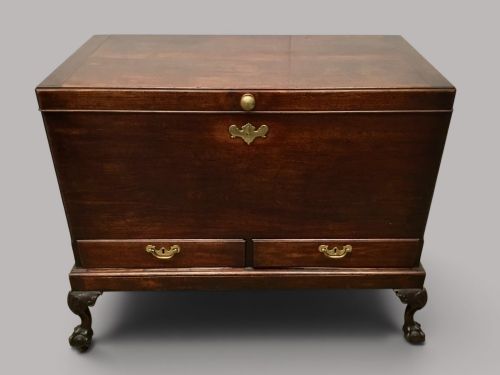
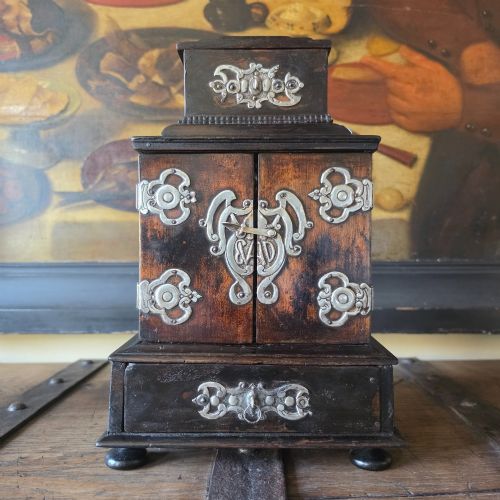
Occasional variants include wooden chests and caddies mounted with substantial silver hardware, walnut jewellery cabinets, and tortoiseshell boxes with silver-gilt mounts. These containers reflect the varied domestic and personal habits of the seventeen-hundreds, bridging utilitarian storage with decorative metalwork.
Materials and Construction
Silversmiths utilised sterling silver and silver gilt, frequently combining sheet silver with cast thumbpieces, hinges, and bezels to ensure durability in pocket pieces. Structural woods such as mahogany, walnut, and oak form the bodies of larger caddies, chests, and stationery boxes, which received heavy cast silver mounts and escutcheons.
Decoration relied on hand techniques including chasing, repoussé, and bright-cut engraving to apply rococo scrolls, crests, and geometric borders onto the metal surface. Interior gilding, known as silver gilt, was often applied to protect the silver from corrosive contents like snuff or tobacco.
18th Century Silver Box Retail Price Guide 2026
Typical asking prices for 18th century silver box among the pieces listed under this phrase on Sellingantiques today, from the lower quarter to the upper quarter. They describe what is for sale here now, not the wider market.
Listings feature items spanning the 17th, 18th, and 19th centuries, utilising sterling silver, silver gilt, brass, steel, walnut, mahogany, and oak.
Markers of Quality
Quality rests heavily on the crispness of the maker's marks and town hallmarks, alongside the precision of the hinge mechanism and the tightness of the lid closure. Superior examples display deeply struck punches, legible dates, and master silversmith signatures that confirm authenticity.
The standard of hand engraving separates ordinary pieces from exceptional ones, with finely executed bright-cut work, detailed crests, and chased rococo motifs demonstrating superior workshop output. Original gilding intact on the interior and balanced proportions further distinguish the finest items.
Robert Hennell·Cornelius Bland·Daniel Field·Samuel Pemberton·Matthew Linwood·J Keating·E Cornock·James Phipps I·John Hillery MacNamara·Thomas Willmore·Phipps and Robinson
The 18th Century Silver Box Glossary
- Silver Gilt
- Silver covered with a thin layer of gold on its interior or exterior surfaces. This technique protected the underlying metal from the corrosive oils found in tobacco and snuff.
- Bright-Cut Engraving
- A faceted engraving style utilising a flat-bottomed V-shaped graiser to create shimmering geometric and floral borders. It became particularly popular on small Georgian silver boxes during the late eighteenth century.
- Tea Caddy
- A container designed to store dry tea leaves securely under lock and key when tea was a costly luxury. Examples from this period appear in silver or in fine timbers mounted with silver hardware.
- Nutmeg Grater
- A pocket-sized container housing a small steel rasp and a storage compartment for whole nutmegs. Georgian gentlemen carried these to freshly grate spice into their drinks at taverns.
- Patch Box
- A small container featuring an internal mirror, intended to hold small pieces of black fabric worn on the face. Ladies used these patches to conceal blemishes or highlight complexions during the Georgian period.
18th Century Silver Box: Frequently Asked Questions
What was a patch box used for?
Georgian ladies used patch boxes to hold small silk patches, which were applied to the face as decorative accents or to cover blemishes.
These tiny containers often included a small fitted mirror inside the lid for checking placement.
How do I identify a Georgian silver box?
Examine the piece for standard English hallmarks, including a leopard head for London, an anchor for Birmingham, or a castle for Edinburgh, alongside a date letter.
Stylistic cues such as rococo scrolls or bright-cut engraving also point directly to the eighteenth-century Georgian era.
Why are some silver boxes gilded inside?
Gilding the interior protected the sterling silver from the corrosive acids and oils present in tobacco and damp snuff.
This gold wash, known as silver gilt, also added a refined finish when the lid was opened.
Were all eighteenth century boxes made entirely of silver?
Many smaller items consisted entirely of solid silver or silver gilt, while larger tea caddies and chests utilised hardwoods like mahogany, walnut, or oak.
These wooden pieces incorporated substantial cast silver mounts, escutcheons, and hinges for structural strength.