
Scottish Silver
Scottish antique silver gathers the heavy weight of Edinburgh and provincial smiths into teapots, snuff boxes and spoons shaped by Georgian and Regency hands.
The Nature of Scottish Antique Silver
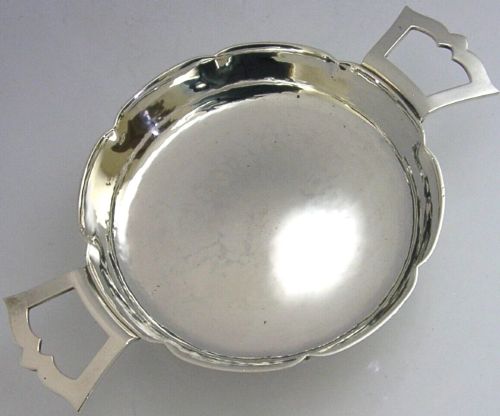
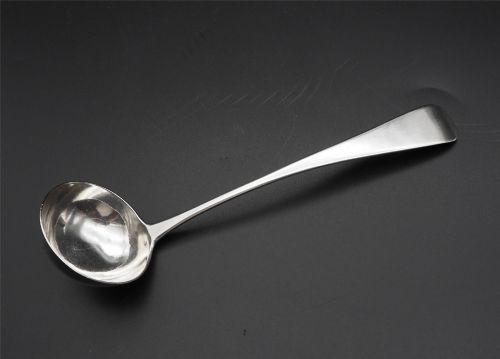
Scottish antique silver brings together domestic hollowware, small desk pieces and personal silver designed for daily utility or ceremonial display. Buyers seeking scottish antique silver will encounter substantial pieces like bullet teapots, soup ladles and quaichs alongside personal items such as snuff boxes and tablespoons.
The objects span periods from the eighteenth century through the Georgian and Regency eras, reflecting regional output from Edinburgh and provincial centres. Domestic silverware dominates the surviving record, complemented by specialised accessories incorporating organic materials like horn, coconut and agate.
Makers working within these traditions produced work that ranges from plain functional forms to heavily ornamented presentation pieces. The surviving material demonstrates distinct regional hallmarking practices and characteristic motifs specific to Scottish silversmithing.
Materials and Construction
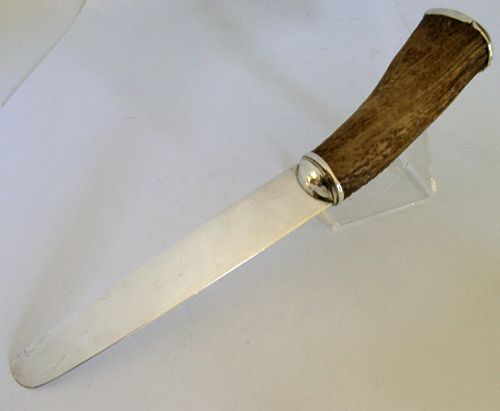
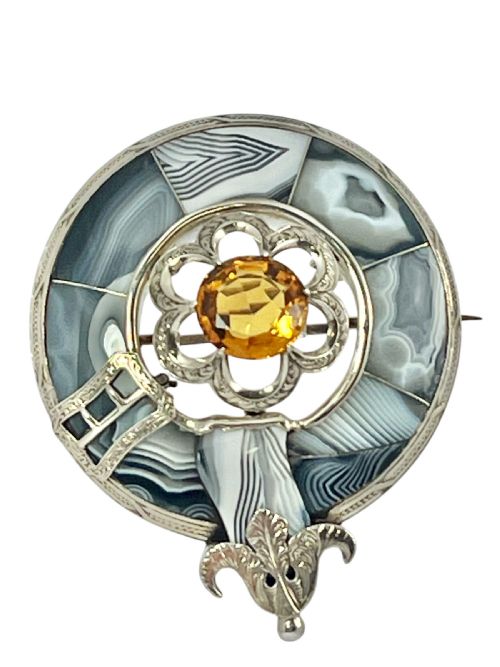
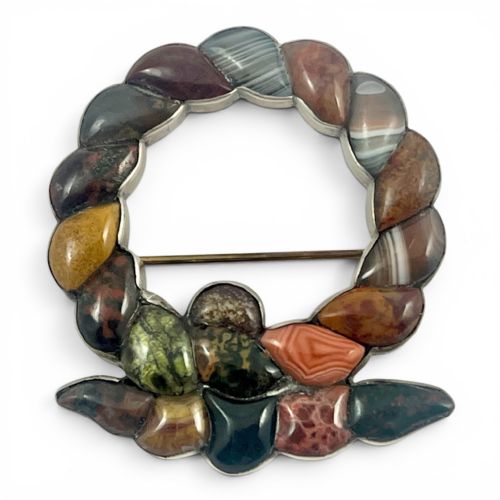
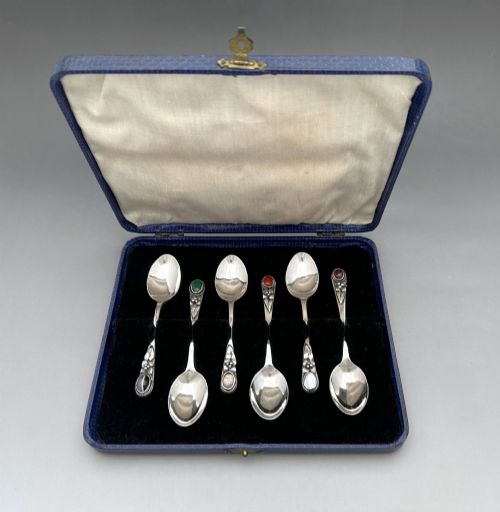
Items in this category are fashioned primarily from sterling silver, frequently paired with organic elements such as Scottish agate, citrine, horn and wood. Teapots, ladles and boxes rely on traditional smithing techniques, including hammering from sheet silver and casting for heavier components like handles and feet.
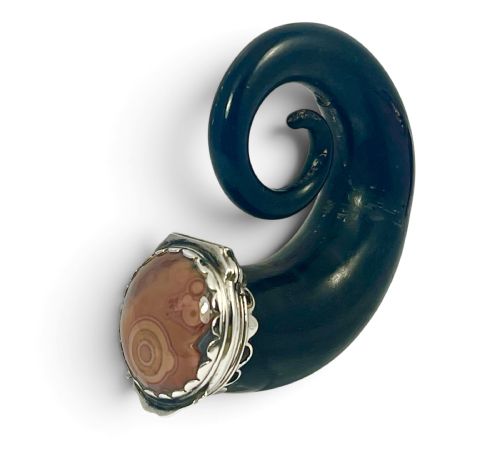
Accessory items incorporate specialised assembly methods, setting polished stones into silver bezels or mounting silver cartouches onto natural horns and coconut shells. Engraving and chasing provide surface detail, utilising sharp gravers to cut decorative lines and punches to texture backgrounds.
Retail Price Guide 2026
Typical UK retail prices for scottish silver, calculated from the Sellingantiques database of over a million retail prices indexed since 2003. This retail price guide relies exclusively on Sellingantiques data; no external sources or auction records are used, so the figures do not describe the wider market.
A horse's hoof preserved in silver and agate offers a tangible reminder of Victorian sentimentality.
Differentiating Quality
Quality in these pieces rests upon the crispness of the maker's mark, the clarity of provincial assay details and the structural integrity of the construction. Superior examples maintain original proportions without distortion, showing deliberate weight in the metal and careful integration where silver meets stone or horn.
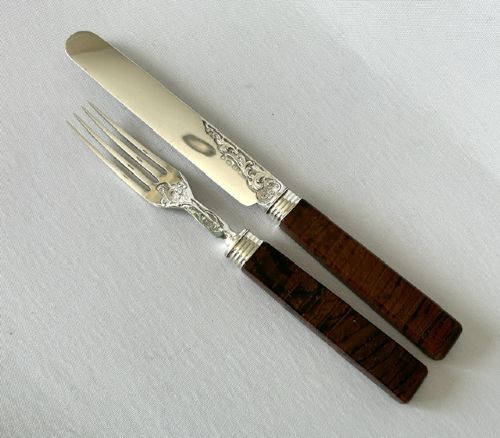
The refinement of hand-engraving and the absence of clumsy repairs dictate the standing of individual items. Objects retaining their original surface finish and clear hallmarks command greater interest than those showing heavy polishing or replaced components.
Jamieson and Naughton·Richard Rae·John Caw·Patrick Robertson·William Robb
The Scottish Silver Glossary
- Snuff box
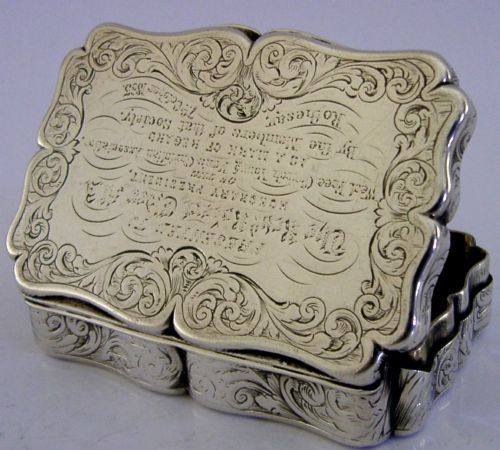
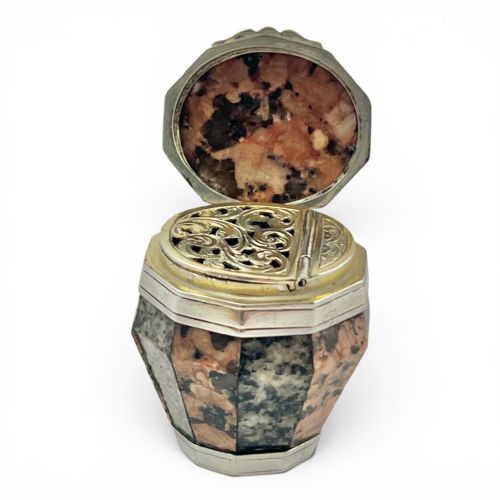
- A small pocket container hinged to hold powdered tobacco securely. These pieces frequently incorporate inset hardstones or engraved thistles upon the lid.
- Dognose
- An early eighteenth-century spoon style featuring a rounded, downturned terminal on the handle. This form evolved directly from the earlier trifid design.
- Assay
- The official testing of precious metal purity conducted by an authorized office. Scottish pieces bear specific town marks alongside standard assay office symbols.
- Bullet teapot
- A globular tea vessel popular during the George II period, characterised by a rounded body resting on a small foot. The form provides a balanced surface for early eighteenth-century silversmithing.
Frequently Asked Questions
What is a quaich used for?
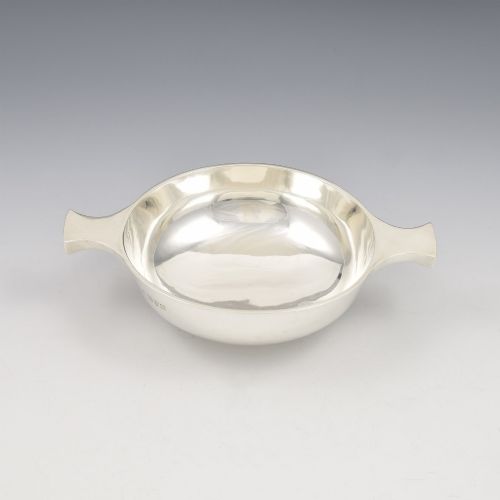
A quaich served as a traditional drinking vessel in Scotland, passed around gatherings for a welcoming drink or a toast between friends. Its shallow bowl and flat handles allowed it to be held securely with both hands.
Over time, these vessels transitioned from utilitarian wooden drinking bowls to silver presentation pieces given to mark important occasions. Today, collectors display them as key examples of Scottish silver craftsmanship.
How do I identify Scottish silver hallmarks?
Scottish silver hallmarks include specific regional symbols alongside standard assay marks, helping to locate where an item was made. Edinburgh pieces typically display a castle mark, while provincial towns utilised their own distinct punch marks.
Makers' initials or full names also appear stamped into the metal near the date letters and duty marks. Comparing these stamps against historical records reveals the exact workshop and production period.
Why are Scottish provincial pieces prized?
Provincial pieces come from makers working outside major hubs like Edinburgh, operating in smaller towns such as Inverness or Aberdeen. These smiths produced fewer items, making their surviving work scarce and desirable.
The regional marks found on these provincial items tell a direct story of local trade and independent workshops operating far from central oversight.
How should I care for antique silver?
Antique silver requires gentle cleaning with a soft cloth and specialised silver polish only when tarnish becomes heavy. Avoid aggressive rubbing that can wear down delicate hand-engraving or soften crisp hallmarks.
For pieces combining silver with organic materials like agate, horn or wood, keep them away from excessive moisture and direct heat. Storing items in a stable environment protects both the metal and the natural settings.