




Antique Silver Tablespoons
Antique silver tablespoons are solid sterling and Britannia silver utensils spanning the 17th, 18th, and 19th centuries that bring historic heft to any dining table.
What antique silver tablespoons are
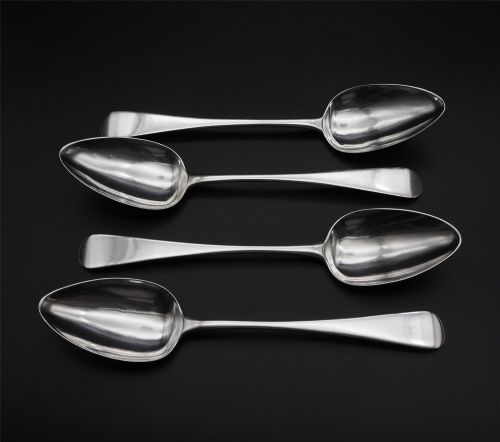
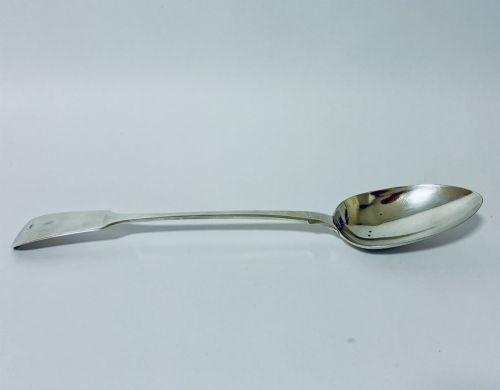
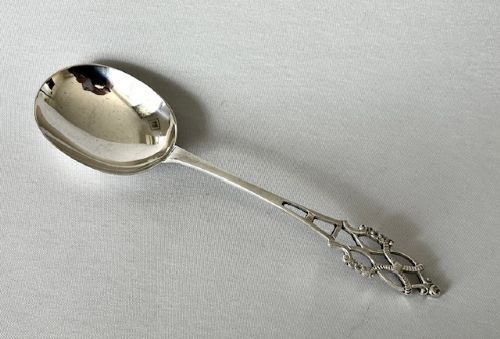
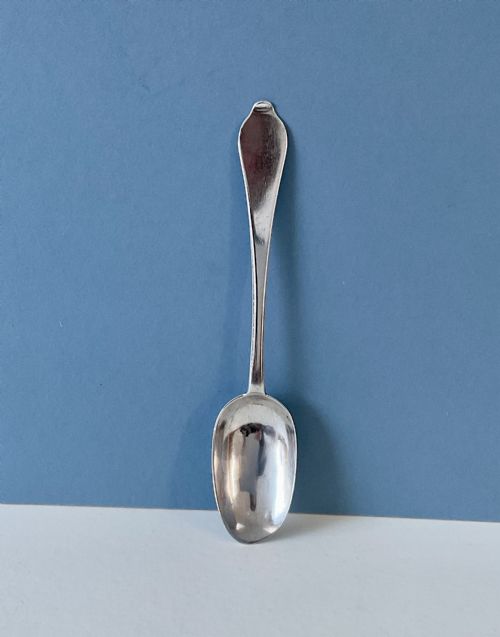
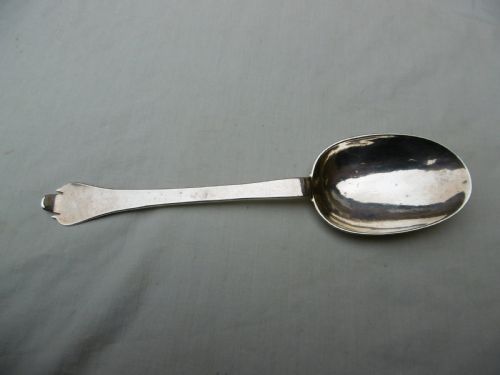
Antique silver tablespoons encompass substantial cutlery and serving spoons shaped across the 17th, 18th, and 19th centuries. Buyers searching for antique silver tablespoons frequently encounter Georgian designs, alongside earlier Queen Anne and William III examples.
Forms range from standard tablespoons to specialised serving spoons, reflecting the evolving dining habits of past centuries. Most pieces on offer date from the Georgian era through to the Edwardian period.
How they were made
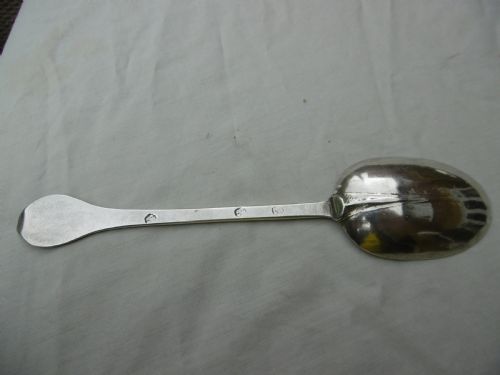
These items are wrought primarily from sterling silver and higher-purity Britannia silver, utilising traditional metalsmithing techniques of hammering and shaping. Silversmiths formed the bowls and stems by hand, frequently incorporating structural elements like rat tails down the back of the bowl for added strength.
Surface detailing includes engraved family crests, such as the stag crest found on certain Queen Anne sets. Construction methods also occasionally incorporate secondary materials, as seen in items combining silver with wood.
Retail Price Guide 2026
Typical UK retail prices for silver tablespoons, calculated from the Sellingantiques database of over a million retail prices indexed since 2003. This retail price guide relies exclusively on Sellingantiques data; no external sources or auction records are used, so the figures do not describe the wider market.
Some early spoons bear a stag crest, recording the moment a wealthy household marked its cutlery for the family sideboard.
What varies in quality
Distinction across the range depends heavily on the purity of the metal, with Britannia silver carrying a higher silver content than standard sterling. Early manufacturing dates also elevate a piece, with late 17th-century and early 18th-century examples commanding particular attention.
Maker attribution and provincial origin shape the standing of individual spoons, with documented makers from Edinburgh, Newcastle, and Exeter adding historic weight. The presence of matching sets and original family crests further separates standard tableware from superior examples.
Isaac Davenport·James Tait·Richard Rae·J Ladyman
The Antique Silver Tablespoons Glossary
- Rat tail
- A tapering spine of metal running down the back of a spoon bowl to reinforce the junction with the stem. This feature is particularly common on early 18th-century pieces.
- Dognose
- An early style of spoon featuring a notched, upturned terminal at the end of the handle. It bridges the gap between the Puritan spoon and the later Hanoverian pattern.
- Britannia silver
- A standard of silver finer than sterling, introduced by Act of Parliament in 1697. It contains 95.84 percent pure silver.
- Sterling silver
- The standard alloy of silver containing 92.5 percent pure silver by weight. It remains the most common metal used for British cutlery across the centuries.
- Assay office
- An official body that tests the purity of precious metals and stamps them with hallmarks. Provincial offices included those in Newcastle and Exeter.
Frequently Asked Questions
What is a dognose tablespoon?
A dognose tablespoon is an early style of flatware featuring a distinctive upturned terminal with a central notch. These pieces date predominantly from the late 17th and early 18th centuries.
They represent a transitional phase in spoon design before the adoption of the Hanoverian pattern. Collectors prize them for their age and characteristic silhouette.
How do I care for antique silver?
Care for antique silver requires gentle washing in warm, soapy water followed by immediate drying with a soft cloth. Avoid harsh abrasive polishes that can wear away historic hallmarks and fine engraving.
Storing pieces in tarnish-resistant rolls or dry environments protects the metal from oxidation. Regular, gentle use actually helps maintain a pleasing soft lustre on the surface.
What is Britannia silver?
Britannia silver is a stricter standard of silver purity introduced in late 17th-century Britain to prevent the melting down of coinage for silverware. It contains 95.84 percent pure silver, making it slightly softer than standard sterling silver.
Pieces made to this standard often date from the reign of Queen Anne and William III. The metal carries specific hallmarks denoting its higher purity.
Are these spoons for dining?
These antique tablespoons function perfectly well for contemporary dining and serving alongside modern tableware. Their substantial weight and historic manufacture give them a tactile quality absent in modern cutlery.
Many buyers choose to use them daily to connect with centuries of domestic tradition. Others prefer to assemble matched sets for special dinner parties.