
Solid Silver Serving Spoons
Solid silver serving spoons bring centuries of grand dining tables straight into modern hands for everyday utility.
Solid Silver Serving Spoons
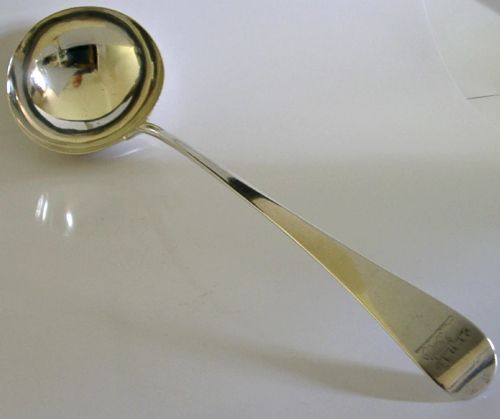
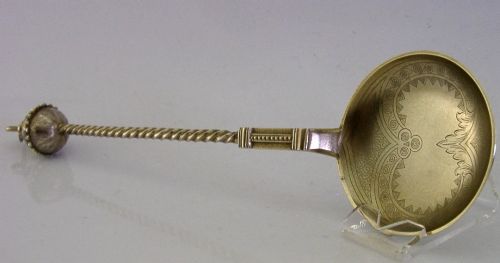
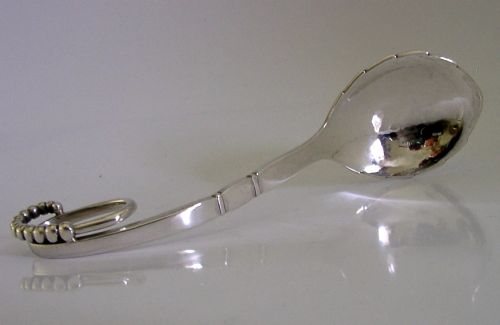
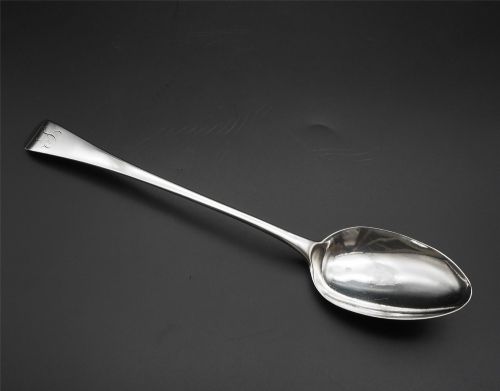
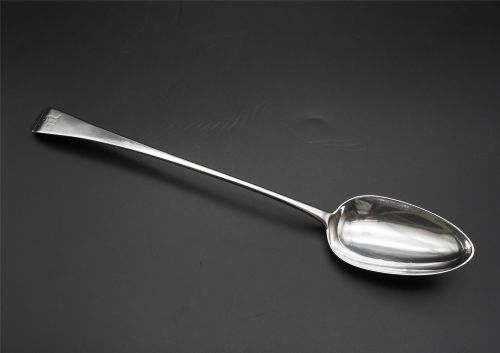
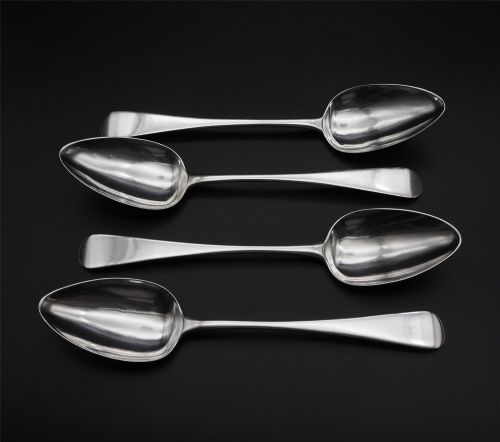
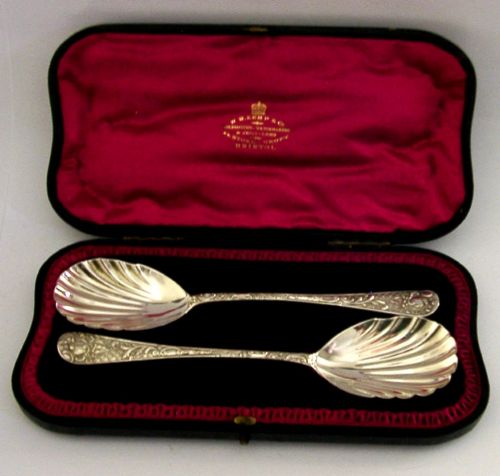
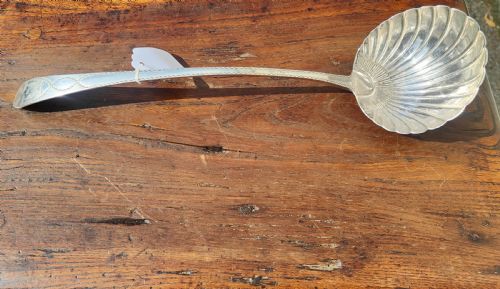
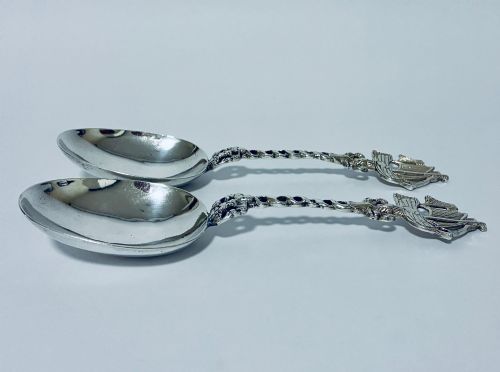
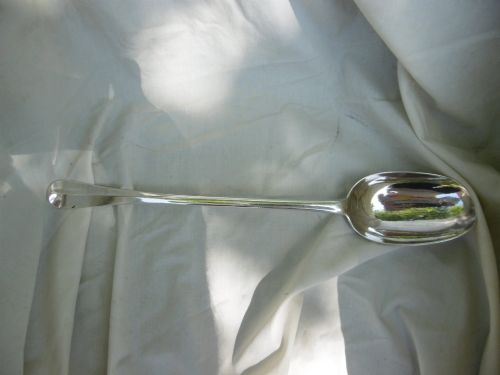
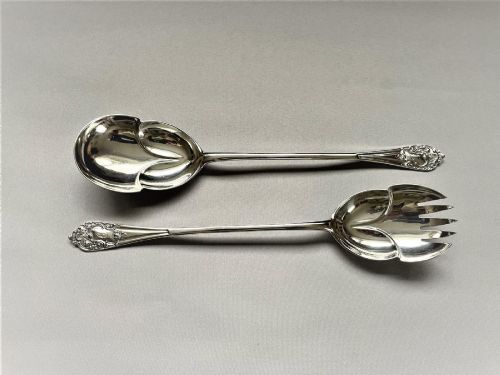
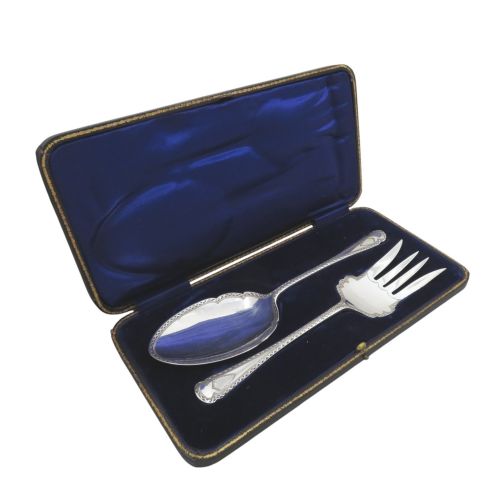
Solid silver serving spoons encompass large flatware pieces designed to dish out meats, vegetables, and soups at communal tables. Collectors encounter everything from heavy eighteenth-century Georgian basting ladles to delicate Edwardian salad servers and cased Victorian sets.
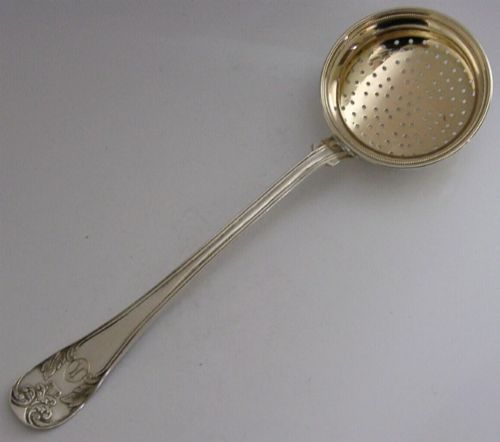
The category spans substantial hash spoons, hash or stuffing spoons, and sugar sifter ladles alongside pairs of berry spoons with embossed fruit bowls. English makers dominate the record, though Danish, Dutch, and Swedish pieces appear frequently in silver and silver gilt.
Most examples originate from the Georgian, Victorian, and Edwardian eras, reflecting the changing culinary habits of elite households over three hundred years. Buyers also find twentieth-century Arts and Crafts and Art Nouveau designs with distinct handler patterns.
How They Were Made
Silversmiths hammered sterling silver or higher Britannia standard metal from solid ingots into thick bowls and stems, ensuring durability for heavy daily service. Many antique pieces received subsequent chasing or repoussé work during the Georgian and Victorian periods to transform plain spoons into ornate berry spoons.
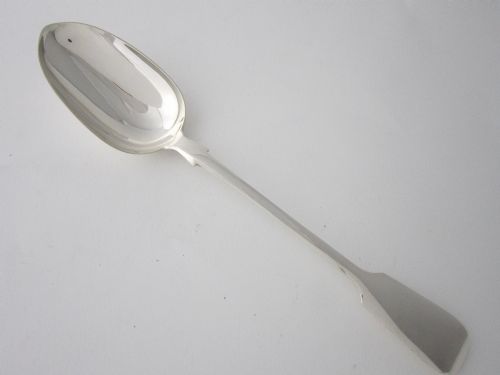
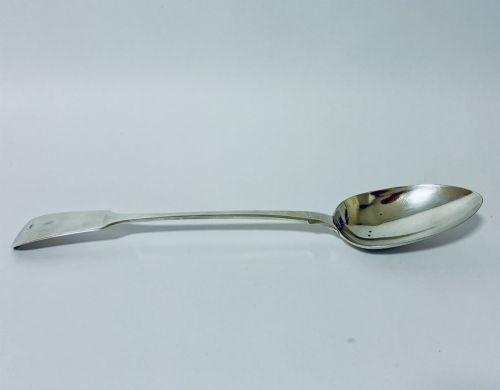
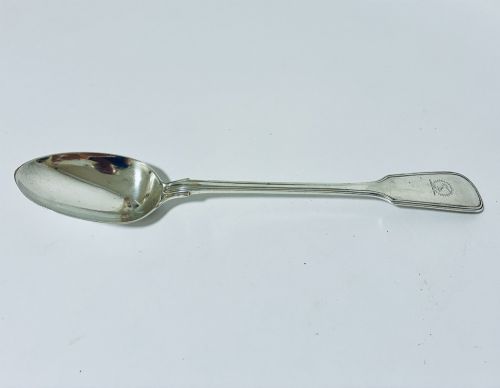
Makers applied gilding through fire-gilding techniques on select serving utensils and baptism spoons to create a rich gold layer over solid silver. Handles were frequently shaped in Old English, Fiddle, or Kings patterns, or cast separately as distinct motifs like apostle figures, cherubs, and spinning wheels.
Solid Silver Serving Spoons Retail Price Guide 2026
Typical asking prices for solid silver serving spoons among the pieces listed under this phrase on Sellingantiques today, from the lower quarter to the upper quarter. They describe what is for sale here now, not the wider market.
Several spoons feature tiny spinning wheels and cheerful Dutch beer scenes right inside the bowl.
What Varies in Quality
Weight and gauge define the foundational quality of a solid silver serving spoon, separating heavy, rigid basting ladles from thinner, flexible equivalents. Substantial metal thickness prevents bending during heavy service and preserves crisp hallmark stamps.
The crispness of chased and engraved details on bowls and stems indicates the skill of the original silversmith or the later craftsman who embellished the piece. Original matched pairs and fitted presentation cases also elevate the standing of a set over assembled groups.
Hester Bateman·Andrew Archer·William Scarlett·John Wilks·Georg Jensen·Robert Gordon·Benjamin Prosser·Oliver Barker·Stephen Adams·Peter and Ann Bateman
The Solid Silver Serving Spoons Glossary
- Basting spoon
- A large utensil originally used to scoop juices over roasting meat in the kitchen before moving to the dining table. These pieces often measure over thirty centimetres in length.
- Britannia standard
- A higher purity standard of silver containing ninety-five point eight percent pure silver, legally required in England between 1697 and 1720. Pieces from this era display a seated Britannia mark.
- Hash spoon
- An exceptionally large serving spoon designed for deep bowls of meat and vegetable stews. These heavy implements frequently exceed one hundred and fifty grams.
- Silver gilt
- Solid silver that has been coated with a thin layer of gold to give a rich yellow surface finish. This treatment protects the underlying metal from tarnishing in specific areas.
- Stilton scoop
- A specialised utensil featuring a cylindrical or half-cylinder blade designed to carve and serve hard cheeses. These items often feature turned bone or silver handles.
Solid Silver Serving Spoons: Frequently Asked Questions
How were serving spoons used?
These large utensils transferred portions of meat, vegetables, soup, or berries from communal serving dishes onto individual plates at formal dining tables. Heavier basting and hash spoons managed large roasts and stews.
Smaller sifter and preserve spoons handled condiments and sugar at tea time. Their generous proportions distinguished them from standard table cutlery.
How do I care for solid silver?
Wash silver serving spoons by hand in warm soapy water and dry them immediately with a soft cloth to prevent water spots. Avoid abrasive dips or harsh scrubbing brushes that wear down engravings.
Store pieces in tarnish-resistant cloth rolls or lined presentation cases when not in use. Regular gentle use actually helps maintain a pleasing natural shine.
How can I tell the period?
British pieces carry hallmarks that include date letters, maker marks, and standard symbols indicating the exact assay office and year of creation. Consulting standard silver reference books decodes these tiny stamped ciphers.
Stylistic indicators such as handle shape, bowl geometry, and engraving styles also point toward specific eras like Georgian or Art Nouveau.
What is a berry spoon?
Berry spoons are serving spoons featuring heavily embossed and chased fruit motifs across the bowl, often added during the Victorian period to plain Georgian blanks. The rich surface decoration was designed to catch the candlelight.
Collectors prize both original eighteenth-century examples and period-embellished pieces for their decorative appeal.