




Edwardian Silver Serving Set
An edwardian silver serving set brings formal dining elegance to the table, combining heavy sterling metal or plate with polished woods and crystal.
Edwardian Silver Serving Set
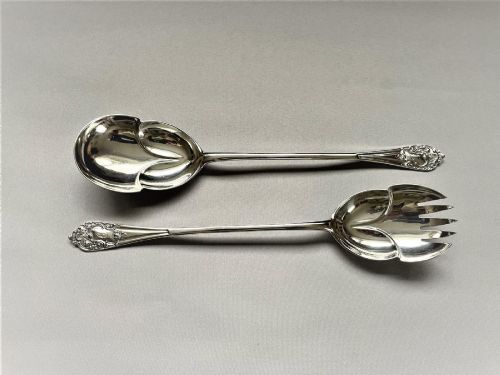
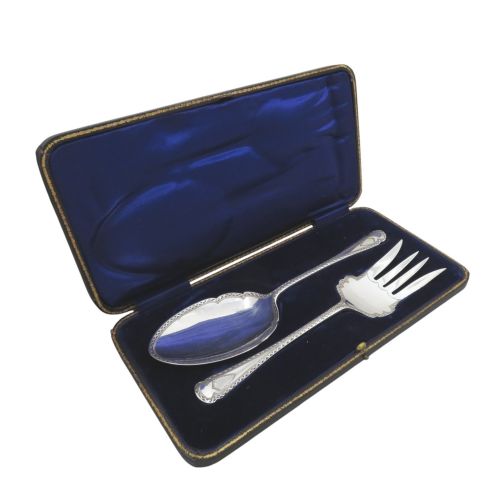
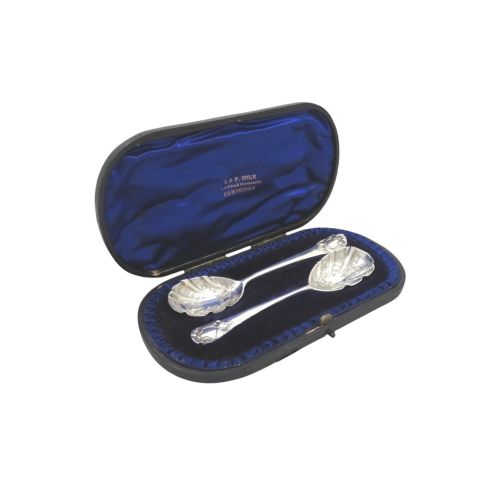
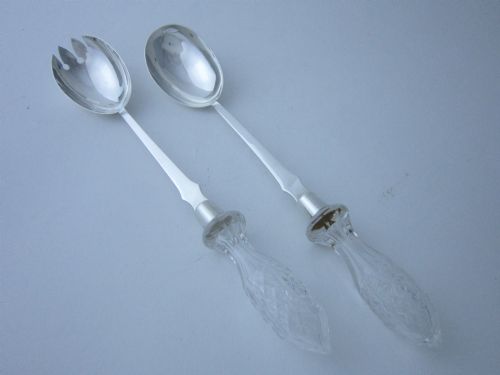
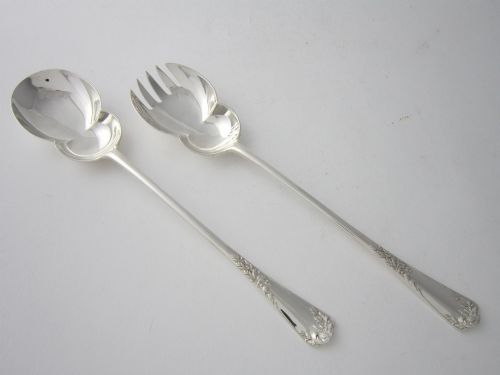
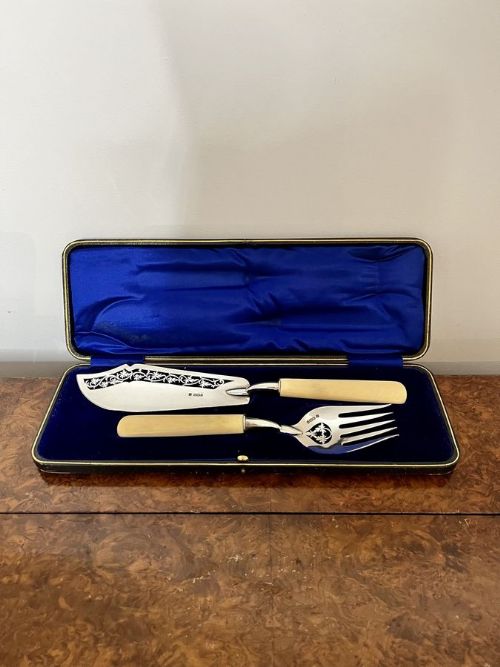
An edwardian silver serving set encompasses specialised cutlery and dishes designed for specific courses, ranging from fish servers to salad bowls. The pieces are most frequently encountered from the early twentieth century, spanning salad sets, fish forks, and cased spoon pairings.
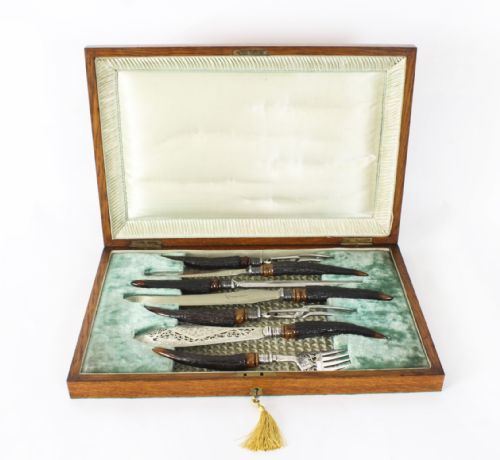
Many of these groupings bring together sterling silver or silver plate with organic materials like stag antler and oak. Fitted presentation cases lined in velvet or silk frequently accompany the smaller condiment and spoon sets from this era.
While the label edwardian points to the reign of King Edward VII, surviving examples often bridge late Victorian tastes and later developments. Serving dishes, asparagus sets, and jam spoons all form part of the broader category found on this page.
Materials and construction
Silversmiths utilised sterling silver and silver plate over base metals, shaping the metal into bowls, prongs, and blades. Handles were frequently fashioned from polished oak, crystal glass, or natural stag antler.
Fitted cases were constructed from wood covered in leatherette and lined internally with materials such as silk or velvet to protect the polished metalwork.
Listings feature items incorporating sterling silver, silver plate, oak, crystal glass, velvet, and stag antler across various serving forms.
Quality and craftsmanship
The distinction between standard utility items and finer pieces lies in the weight of the metal and the crispness of the chasing or piercing work on the spoons and servers. Heavier gauges of sterling silver command greater attention than plated alternatives, though superior plating houses achieved lasting durability.
The integrity of the accompanying fitted cases and the integration of secondary materials such as cut glass bowls or genuine antler handles elevate the overall standard of the set.
Walker and Hall·Ashbury
The Edwardian Silver Serving Set Glossary
- Sterling silver
- A silver alloy containing 92.5 percent pure silver by mass and 7.5 percent other metals, usually copper. This standard composition is frequently hallmarked on period pieces.
- Silver plate
- A layer of silver applied to a base metal core such as nickel silver or copper. This technique offered a more accessible option for larger serving dishes and cutlery sets.
- Rat tail
- A strengthening tongue of metal on the reverse of a spoon bowl, extending down from the handle. It appears on traditional salad servers and serving spoons.
- Carving set
- A matched knife and fork combination used for portioning meat at the table. Handles on these sets often incorporate stag antler or polished bone.
- Assay office
- A body that tested the purity of precious metals and stamped official hallmarks onto items. Towns like Chester and Sheffield operated notable offices.
Edwardian Silver Serving Set: Frequently Asked Questions
What is an edwardian silver serving set used for?
These sets were designed for serving specific foods at the dining table, such as fish courses, salads, asparagus, or preserves. They allowed hosts to portion food cleanly during formal meals.
Today, they are utilised for similar entertaining purposes or displayed as part of a collection of period silverware.
How do I clean tarnished silver serving pieces?
Silver naturally tarnishes when exposed to air and sulphur compounds over time. Gentle cleaning with a dedicated silver cloth or specialist polish restores the shine without damaging the metal.
Avoid abrasive materials that can scratch the surface or wear through silver plating on older items.
Are cased sets original to the period?
Many Edwardian and late Victorian spoon sets were retailed in fitted wooden boxes lined with silk or velvet. These presentation cases protected the items when not in use.
Checking the fit of the cutlery within the velvet slots helps determine if the case belongs to the set.
How can I tell sterling silver from silver plate?
Sterling silver items generally bear hallmarks indicating the standard of purity, the assay office, and the date letter. Silver plate pieces often feature maker marks that denote plating techniques rather than precious metal standards.
Examining the edges for signs of wear where the base metal shows through can also reveal plating.