

Antique Silver Tableware Flatware
These pieces of antique silver tableware flatware span centuries of dining, bringing solid weight and bright metal to the modern table.
Antique Silver Tableware Flatware
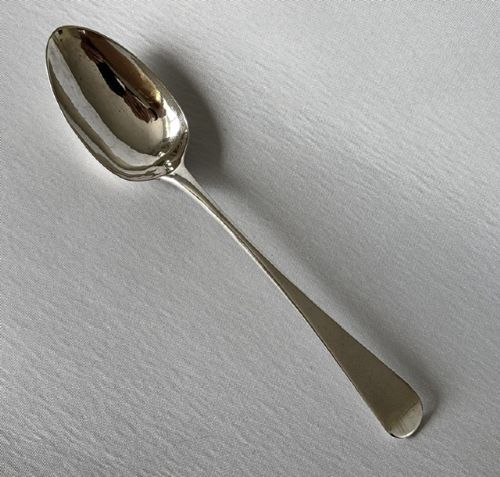
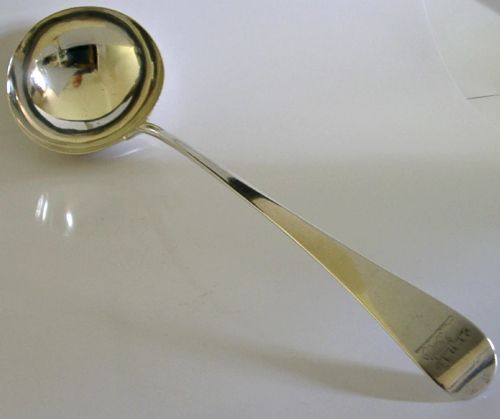
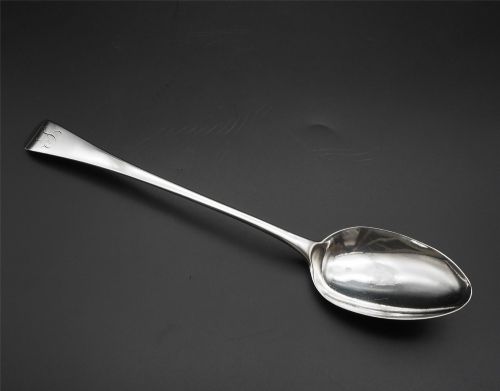
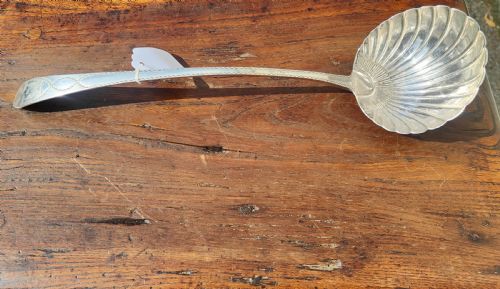
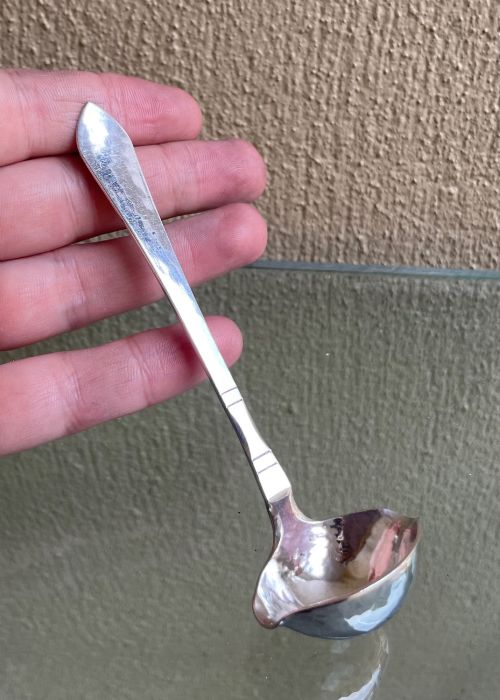
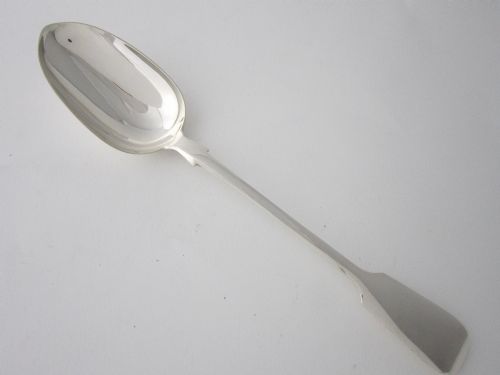
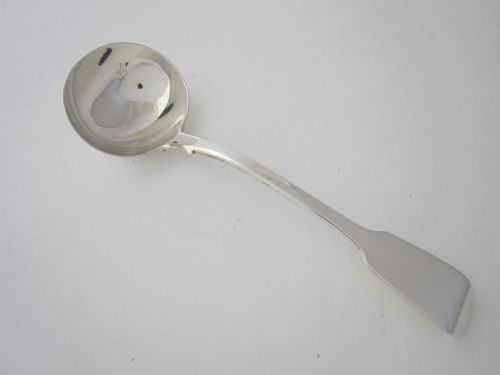
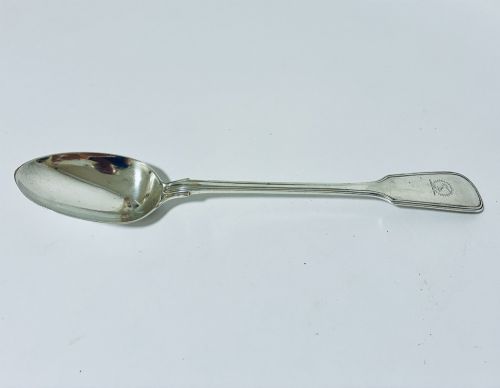
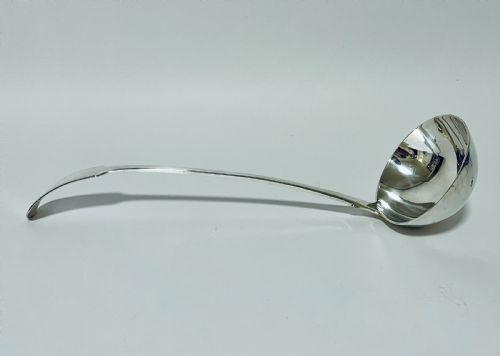
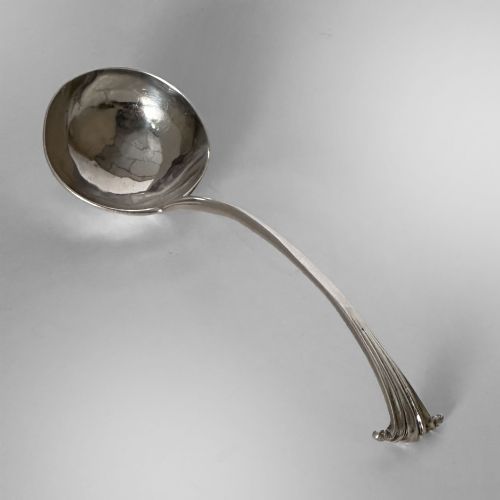
When you search for antique silver tableware flatware, you encounter items shaped for specific dining rituals, from heavy basting spoons to delicate sugar tongs. The selection leans heavily toward serving spoons, ladles, and cutlery sets produced across the seventeenth, eighteenth, and nineteenth centuries.
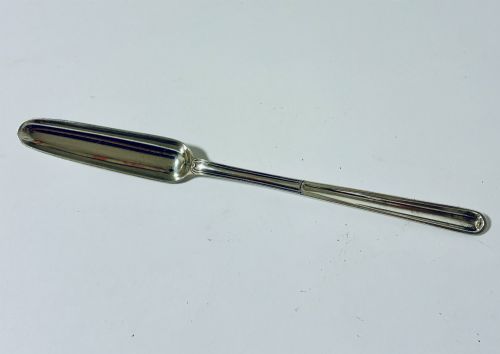
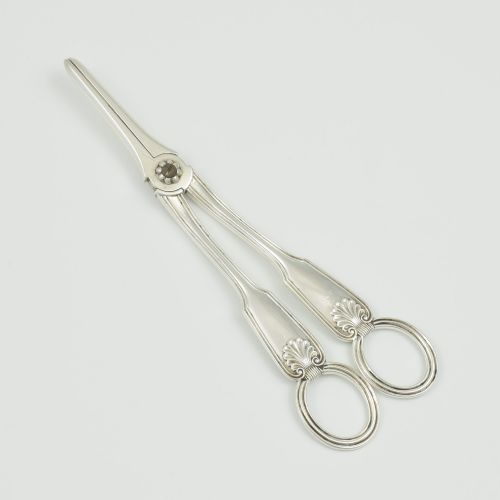
Georgian and Victorian examples dominate the available styles, often carrying regional hallmarks from London, Exeter, or Dublin. You also find specialised pieces like marrow scoops, grape scissors, and caddy spoons that reflect formal historical dining habits.
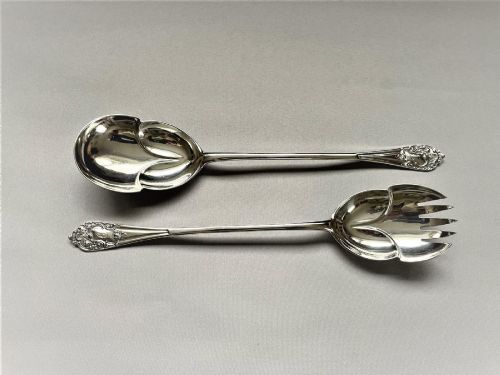
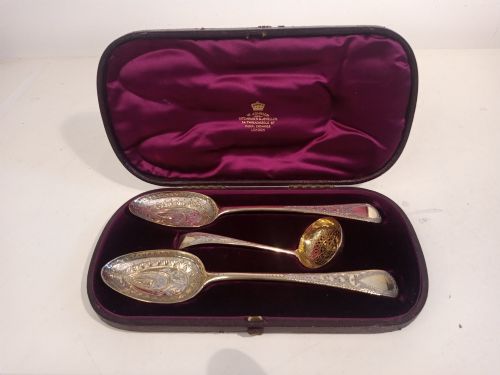
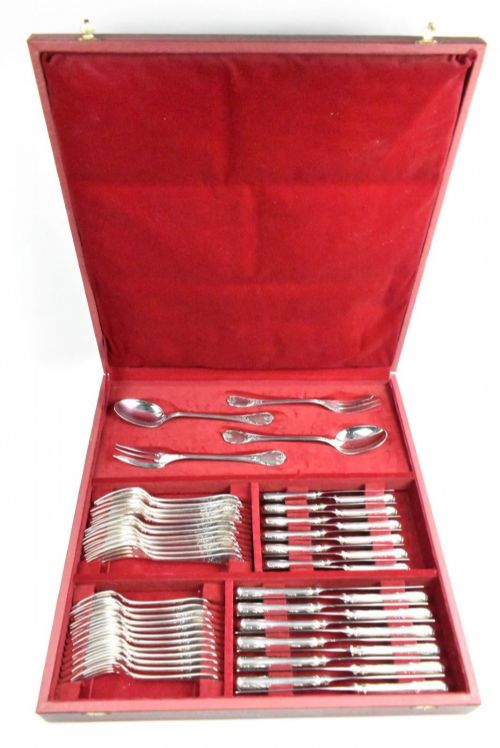
Later additions bring twentieth-century aesthetics into the mix, including Art Deco designs and Scandinavian modern pieces by makers like Georg Jensen. Silver-plated services and boxed fruit sets sit alongside heavy sterling pieces meant for formal service.
Materials and Technique
The objects are primarily wrought from sterling silver, silver-gilt, or silver plate, utilising traditional silversmithing methods such as casting, hammering, and hand-engraving. Earlier items often display crisp hallmarks stamped directly into the metal to verify purity and origin.
Some specialised items incorporate enamel or niello work for surface pattern, while boxed sets rely on fitted wooden cases lined with velvet or silk to protect the polished metal. Steel components appear in functional items like scissors and grape shears where edge retention is necessary.
Someone once used a heavy Georgian marrow scoop to scrape every last bit of bone marrow from the Sunday roast.
Assessing Quality
Quality rests in the weight of the metal and the crispness of the chased or engraved decoration, such as the detailed fruit motifs on berry spoons or crests on ladle handles. Thicker gauge silver resists bending during heavy use and maintains structural integrity at stress points like stem joints.
The clarity of hallmarks and the prestige of the maker or workshop elevate an item from standard utility ware to a collector's piece. Preservation of original surface texture, sharp trefid terminals, and undamaged enamel or niello further distinguish superior examples.
Peter & Jonathan Bateman·Hester Bateman·Georg Jensen·Goldsmiths & Silversmiths Co·Christofle
The Antique Silver Tableware Flatware Glossary
- Flatware
- Tableware items used for cutting, serving, and eating food. This category includes spoons, forks, and specialised servers.
- Hallmark
- An official stamp struck into precious metals to indicate purity, the maker, and the year of assay. These marks provide the primary means for dating antique silver.
- Basting Spoon
- A large serving spoon used in the kitchen or at the table to spoon juices over meat. These pieces are noticeably longer and heavier than standard tablespoons.
- Niello
- A black metallic alloy used as a contrasting inlay on engraved silver surfaces. It produces dark geometric or pictorial designs against the bright metal background.
Antique Silver Tableware Flatware: Frequently Asked Questions
How do I clean antique silver flatware?
Wash pieces gently in warm water with mild soap and dry them immediately with a soft cloth. Avoid harsh abrasive dips that strip away the subtle patination accumulated over centuries.
Store silver in anti-tarnish cloth or lined wooden boxes away from rubber bands and high humidity. Regular gentle use helps prevent heavy tarnish from settling into intricate handle details.
Can I use antique silver flatware daily?
Solid sterling silver pieces handle regular meals well if washed by hand rather than run through a machine. The metal gains a soft, lived-in character through frequent handling.
Silver-plated sets require slightly more care to preserve the thin metal layer over the base alloy. Avoid using serrated steel knives against antique silver surfaces to prevent scratching.
What is a berry spoon?
A berry spoon is a large serving spoon, often dating from the Georgian period, decorated later with embossed fruit and leaf designs. They were originally designed for serving summer berries and cream.
Many of these pieces started life as plain tablespoons before artisans added the elaborate fruit embossing during the Victorian era.
How do I read silver hallmarks?
Hallmarks typically include a maker's mark, a standard mark for metal purity like the lion passant, and a date letter indicating the exact year of assay. City marks, such as a leopard's head for London, show where the piece was tested.
Reference books and online guilds help match specific letter fonts and shields to precise calendar years.