


Edwardian Sterling Silver Fork
These edwardian sterling silver fork examples bring functional elegance to the table, offering a tangible link to early twentieth-century dining habits.
Edwardian Sterling Silver Fork
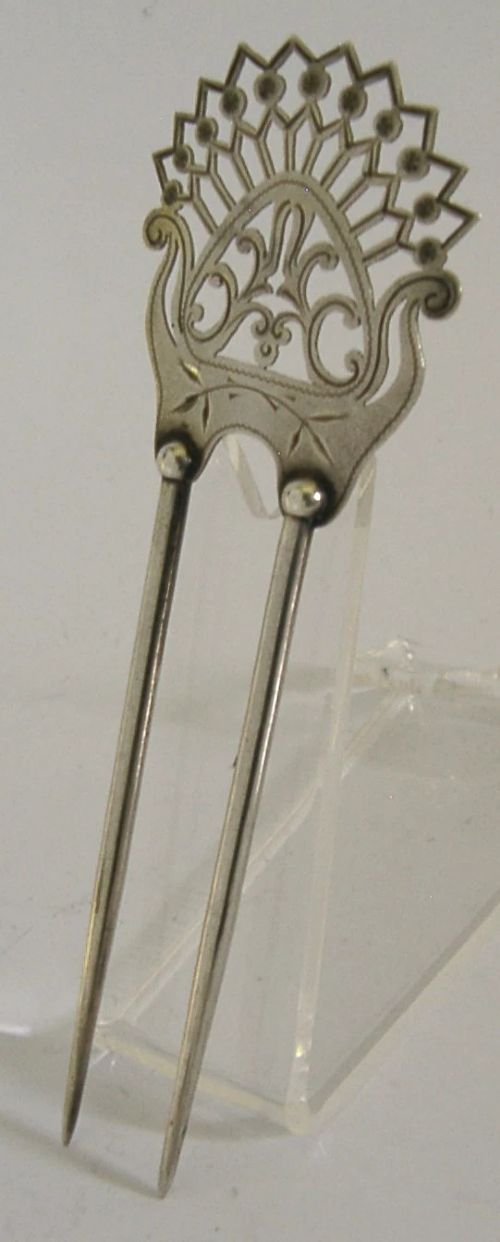
When searching for an edwardian sterling silver fork, buyers encounter a variety of forms designed for specific courses, including bread forks, pickle forks, and dessert sets. These utensils reflect the refined dining customs of the early nineteen hundreds, often appearing with distinct handles and tines.
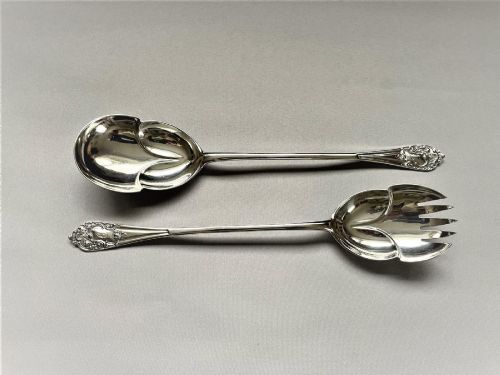
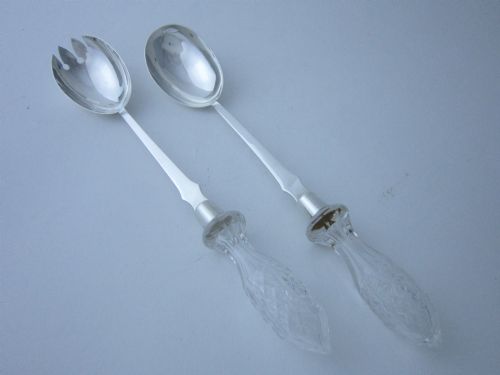
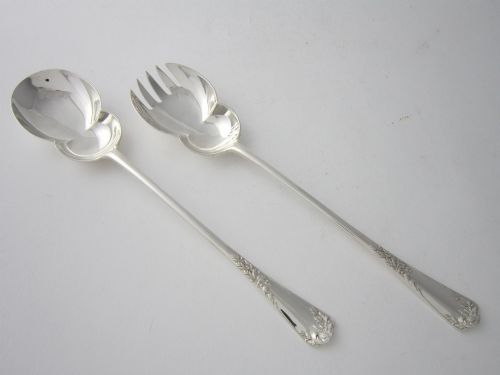
The pieces on this page span several decades and styles, with Edwardian examples sitting alongside Victorian, George V, and Art Deco pieces. Makers produced these forks for specific culinary tasks, resulting in specialised items like fish servers and salad servers.
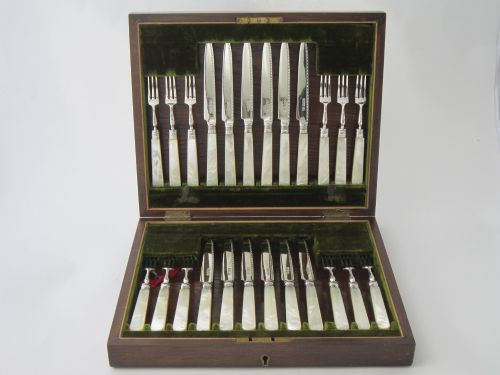
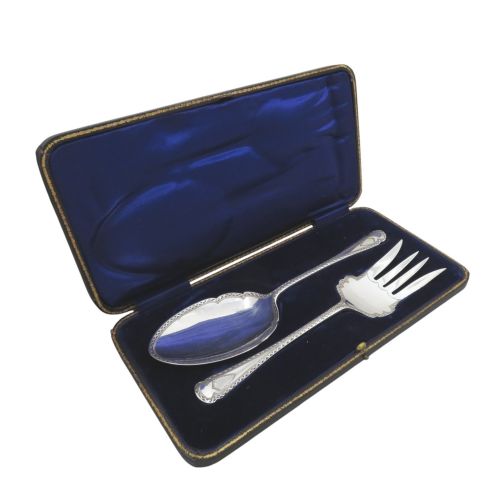
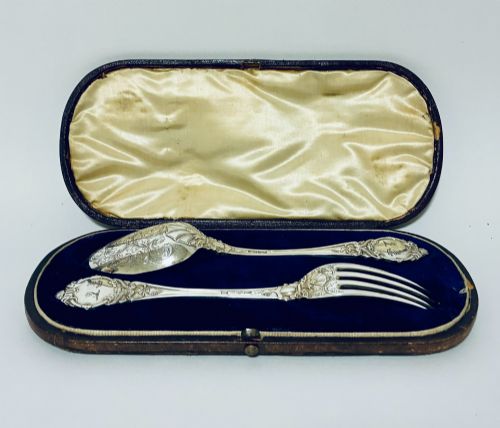
Many items survive within fitted cases lined in materials such as velvet or silk, indicating their original presentation as gifts or high-end domestic goods. Such cased sets maintain their integrity better over time, preserving the bright metal and organic handles.
Materials and construction
Silversmiths utilised sterling silver for the primary structure of these forks, shaping the metal to withstand regular domestic use. Handles frequently incorporate mother of pearl, adding a contrasting texture and lustrous finish to the utensil.
Makers employed hallmarking to certify the purity of the silver, stamping pieces with assay office marks and date letters. Additional elements such as wood, leatherette, and silk appear in the protective cases designed to house these implements.
Listings feature sterling silver, mother of pearl, silk, and velvet across periods spanning the Victorian era to Art Deco.
Assessing quality and craftsmanship
Quality in these items relates to the crispness of the chasing and the security of the join between the silver tine and the handle. Superior pieces show precise engraving and balanced weight in the hand.
The condition of accompanying cases and the integrity of organic handle materials like mother of pearl influence the overall desirability. Pieces retaining their original fitted presentation boxes demonstrate better preservation.
H H Curtis·William Devenport·Alvin
The Edwardian Sterling Silver Fork Glossary
- Sterling silver
- An alloy containing ninety-two point five percent silver and seven point five percent other metals, typically copper. This standard ensures durability while maintaining a bright, reflective appearance.
- Assay office
- An official body that tests the purity of precious metals and stamps them with hallmarks. Towns such as Birmingham and Sheffield maintained active assay offices during the Edwardian period.
- Rat tail
- A traditional strengthening ridge down the back of a fork bowl or spoon bowl. It derives from seventeenth-century design traditions and occasionally appears on salad servers.
- Bread fork
- A short-tined fork specifically intended for serving bread at the dining table. They frequently feature decorative handles made from mother of pearl.
- Old Orange Blossom
- A decorative pattern utilised by silversmiths for tableware. It incorporates floral motifs typical of the era's design preferences.
Edwardian Sterling Silver Fork: Frequently Asked Questions
How do I clean sterling silver forks?
Clean sterling silver forks using a soft cloth and specialised silver polish to remove tarnish without scratching the metal.
Avoid abrasive cleaners or submerging mother of pearl handles in hot water, as this can damage the organic material.
Were these forks used daily?
Many Edwardian forks formed part of larger cased sets reserved for special occasions and formal dining. Their survival in fitted boxes suggests they were treated as valued possessions rather than everyday kitchen utensils.
Over time, changing domestic habits shifted these items from active service into collections.
What is a bread fork?
A bread fork is a short utensil designed to pierce and lift slices of bread from a basket during formal meals. They often feature decorative handles made of mother of pearl or carved bone.
These pieces match the aesthetic of contemporary dessert and pickle sets.
How do I read silver hallmarks?
Silver hallmarks typically include a maker's mark, a standard mark indicating sterling silver, an assay office symbol, and a date letter. These stamps provide verifiable details about where and when an item was made.
Reference books and online guides help match the date letters to specific years of manufacture.