




Clear Glass Silver Servers
Clear glass silver servers combine sparkling vessels with precious metal mounts, offering practical serveware that brings elegance to any dining table.
Clear Glass Silver Servers
When buyers search for clear glass silver servers, they encounter a selection of nineteenth and twentieth-century dining wares designed for serving liquids and dry goods. These items span Victorian, Edwardian, and Art Deco periods, encompassing both British and continental manufacturing origins.
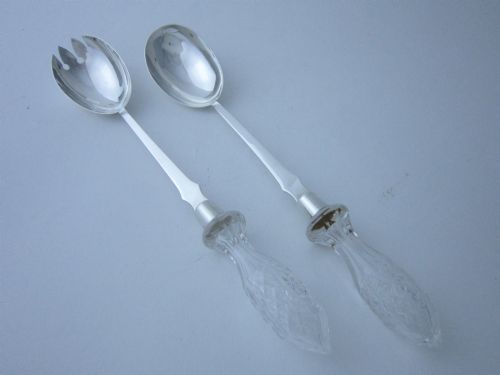
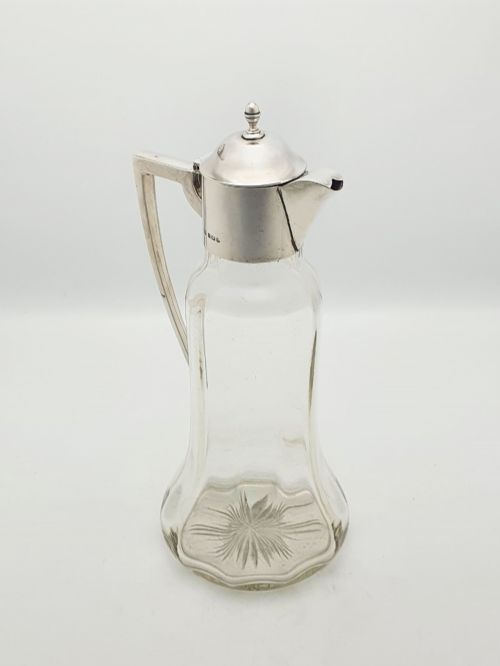
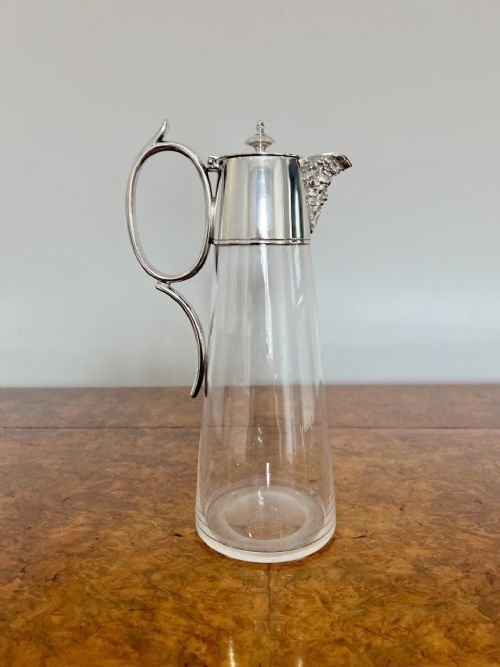
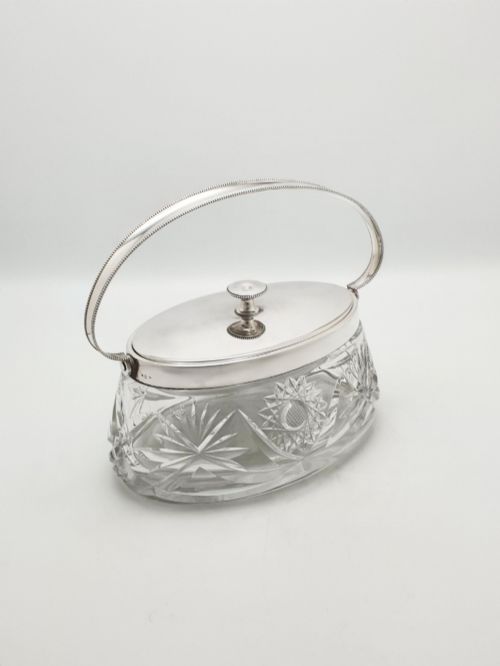
The most frequent items meeting this description are claret jugs, alongside butter dishes, biscuit barrels, hors d'oeuvres dishes, cheese dishes, and salad servers. These pieces combine transparent vessels with metal mountings to serve beverages and foodstuffs during formal meals.
Vessels appear in plain or cut glass, paired with sterling silver or silver plate. Forms range from large whisky noggins to elaborate jugs and handled serving boxes intended for domestic display and use.
Materials and Construction
Makers utilised transparent glass, formed as plain blown vessels or finished with cut glass patterns. These glass bodies were then combined with metal components including sterling silver and silver plate.
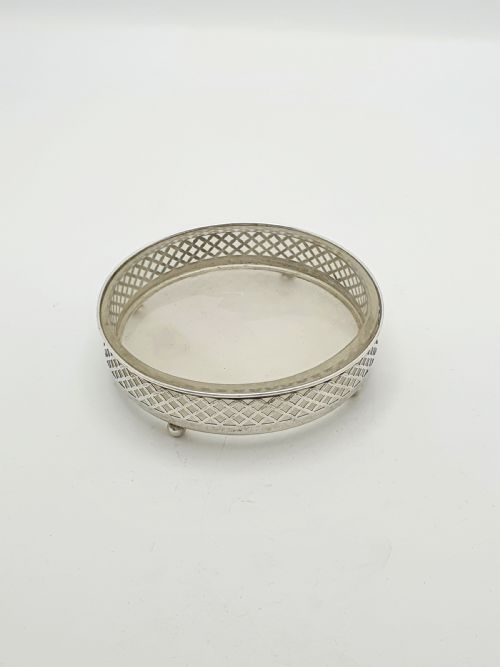
Metal mounts were secured to handles, rims, and bases, often incorporating hinged lids for claret jugs or swing handles for biscuit boxes. Pierced silver work appeared on items like butter dishes to hold glass liners securely.
Clear Glass Silver Servers Retail Price Guide 2026
Typical asking prices for clear glass silver servers among the pieces listed under this phrase on Sellingantiques today, from the lower quarter to the upper quarter. They describe what is for sale here now, not the wider market.
Listings feature items from the Victorian, Edwardian, and Art Deco periods, spanning the years 1880 to 1920.
Factors of Quality
Quality rests in the weight and clarity of the glass, alongside the crispness of any cut patterns. Plain vessels rely on symmetry and thickness, whereas cut glass depends on deep, clean facets that refract light effectively.
Metal mounts demonstrate craftsmanship through the durability of silver plating or the gauge of sterling silver used. Pierced designs, hinged mechanisms, and applied handles require precise fitting to the glass bodies.
WMF
The Clear Glass Silver Servers Glossary
- Claret jug
- A vessel designed for serving red wine at the table, combining a glass body with a metal handle, spout, and hinged lid.
- Biscuit barrel
- A covered container used for storing and serving biscuits, frequently fitted with a swing handle and metal rim.
- Silver plate
- A base metal coated with a layer of silver, commonly utilised for mounts and serving utensils during the Victorian and Edwardian eras.
- Jugendstil
- The continental German-speaking counterpart to Art Nouveau, visible in flowing organic metal mounts on serving dishes.
- Sterling silver
- An alloy containing a high proportion of pure silver, stamped on solid mounts and flatware.
Clear Glass Silver Servers: Frequently Asked Questions
What are clear glass silver servers?
Clear glass silver servers are dining table accessories that combine glass bodies with silver or silver-plated mounts. They include items such as claret jugs, biscuit barrels, and butter dishes.
These pieces were produced across the Victorian, Edwardian, and early twentieth-century periods for serving drinks and foodstuffs.
How do I date a silver and glass claret jug?
Dating relies on stylistic markers such as Victorian ornamentation, Edwardian proportions, or Art Nouveau and Jugendstil botanical motifs. Hallmarks on the silver mounts provide specific assay office marks and date letters.
Maker marks also help establish the production era and origin of the piece.
How were these servers used?
Claret jugs held wine for pouring at the dining table during formal meals. Other servers held butter, cheese, biscuits, or hors d'oeuvres using removable glass liners.
They functioned as both practical tableware and decorative centrepieces during entertaining.
How do I care for antique glass and silver?
Clean glass bodies gently in warm soapy water, avoiding harsh abrasives that could scratch the surface. Polish silver mounts carefully with a soft cloth and appropriate silver cleaner, keeping polish away from the glass.
Remove glass liners from metal frames for washing when possible.